Coin Values Moving with Precious Metals: Up-Dated 10/12/2026: Gold $4191 | Silver $60.83
How to Grade Buffalo Nickels
Condition of your Buffalo nickel becomes one of its key features when determining value. Taking a defined approach, how to grade first judges a close match with the range of grades illustrated in (fig. 1). Using the comparison approach, grading condition applies a set of standards to different visible features and then assigns a "grade." These grades are the terms used in the coin hobby defining a coin's state of preservation. A necessary part of a full description of the coin.
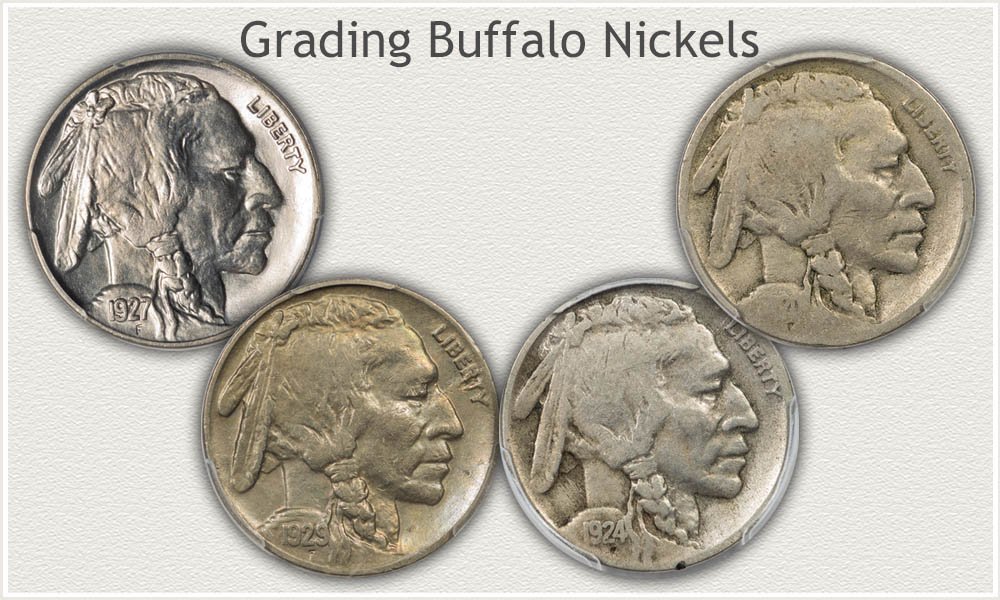 (fig. 1) Match Condition to One of the Grade Examples Starting the Grading Process
When comparing the coins illustrated, Mint State on the left shows all original detail. The Extremely Fine grade coin displays removal of only small details because of light wear. The next two coins show many areas of the design disappear after extended use.
A scan across the four coins shows a clear, full date is a strong feature of a higher quality Buffalo nickel. Combining date clarity on the obverse side with many visible details on the Buffalo indicates an above average condition coin.
General Qualities of the Grade Categories
- Mint State Grade: A Coin with Its Original Surface Without Any Trace Wear
- Extremely Fine Grade: Only High Points of the Design Show Light Visible Wear
- Fine Grade: Moderate Surface Wear Evident with Some Fine Details Visible Separating Areas of Worn, Flattened Meta
- Good Grade: Loss of Most Fine Details, Large Areas of Smooth Metal, Major Outlines of the Indian and Buffalo Remain Strong.
🔎Grading Tools/Techniques:
Enhancing the subtle details, using a single light of 75 to 100 watts provides a strong bright to shadow contrast across the coin's surface. Start with the light above the coin and slowly tilt its surface, changing lighting angles. One light source with this technique brings out the true finer details.
Secondly, magnification. Notice the grading images enlarge small areas, bringing into view the fine grading details. Using a 5x to 7x magnifying glass helps examine the level of detail deciding on the extent of visible features.
Although the grading process is somewhat complex, grade your coin twice. A second pass through the evaluation often catches the unique design elements defining a grade. The next step refines the evaluation.
Qualities of the Mint State Grade Buffalo Nickel
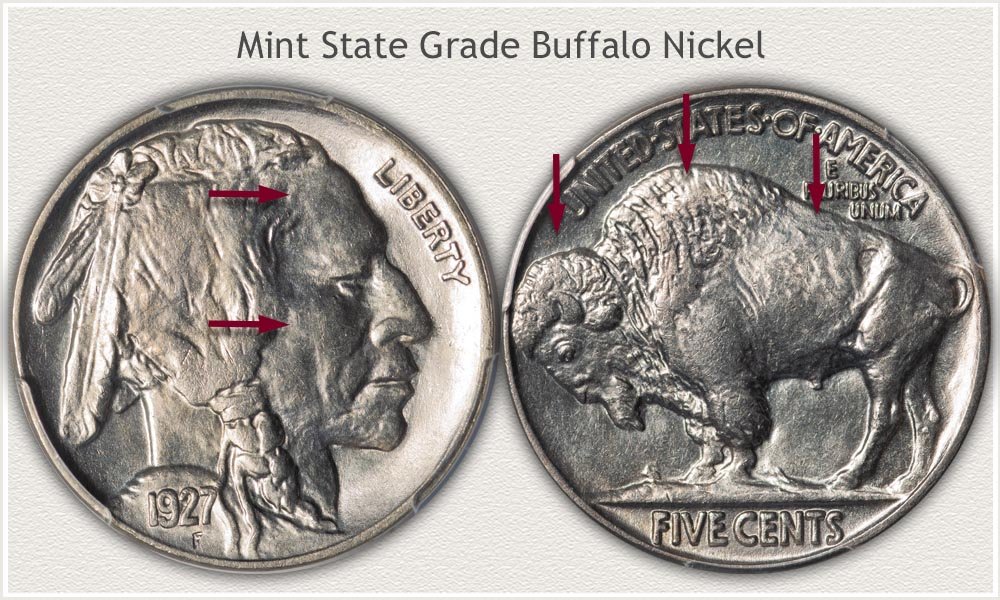 (fig. 2) Examine and Compare Grading Features of a Mint State Grade Buffalo Nickel
Mint State grade is a distinct category within the condition scale of a coin. The strict definition states "no wear" on the surface. The grading examination focuses on the small and highest points of the design to judge the absence of wear. Note in the illustration (fig. 2) these key focal points. Each area must display an intact surface as originally minted. A close-up examination first looks for smoothing and flattening of the metal. Secondly, light reflects off an unworn surface with a brilliance. This is distinctly different from the dull, soft gray reflection typical of a worn surface.
An initial examine determines the coin appears with all design details intact. Hair strands show curved and rounded high contours along the top of the Indian's head. Fur details along the upper shoulder of the Buffalo appear fully contoured. As a grading approach, compare the visual surface quality on high areas with lower relief and protected areas. Looking at just metal texture alone, an unworn surface appears similar to the lower areas.
Reflective qualities of the surface also help determine an unworn surface. Examine under a single light, tilt and rotate the coin as you compare high with low surface areas. A similar luster shines from both in a similar brilliance. The hobby term "luster" refers to the distinct shine of an unworn surface.
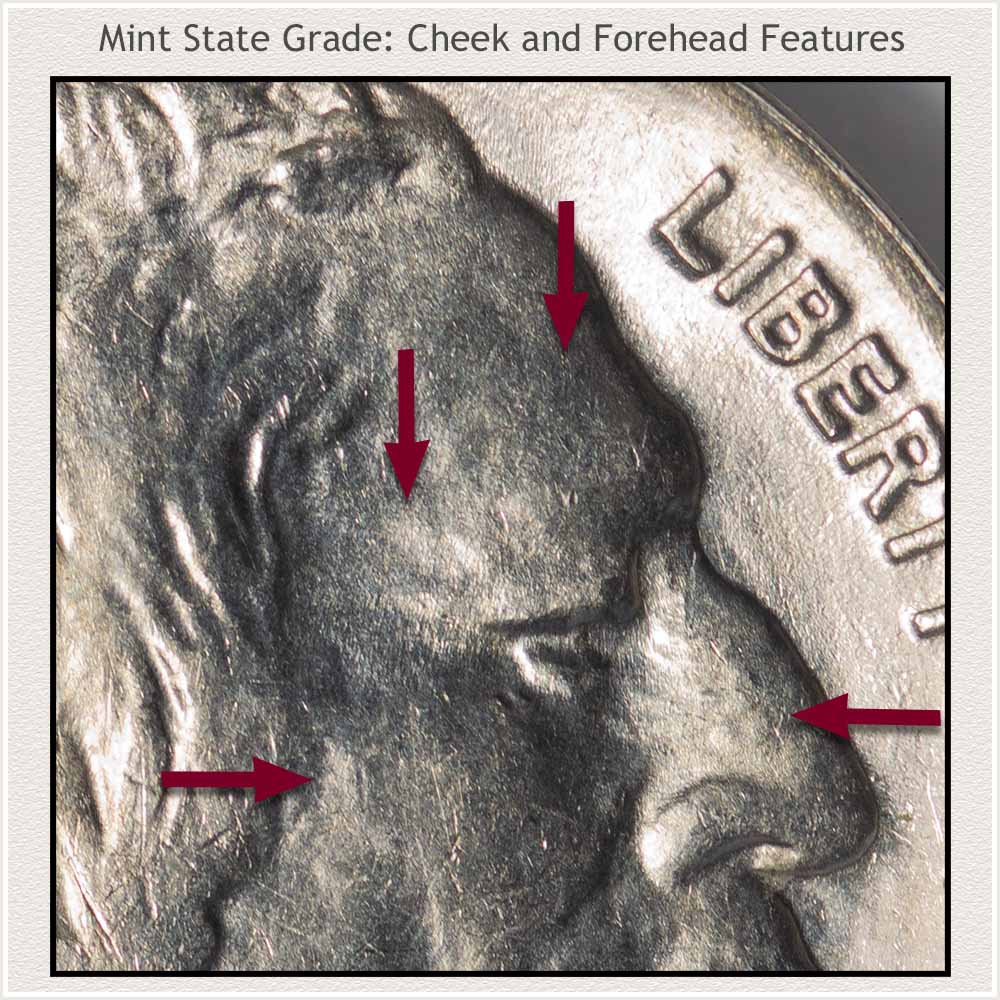 (fig. 3) Grading Features Forehead and Cheek on a Mint State Grade Buffalo Nickel
Using the method of comparing high and low areas, begin with the Indian's raised cheek contours. Examine for any flatness caused by wear. Any wear visually appears as a smooth metal surface, reducing the roundness of the original metal. Note in the image, texture across the cheek matches the lower areas near the eye and nose.
Above the eye, the metal surface remains with a texture reflecting a nice luster. Referencing the illustration, there are no disruptions of luster causing dullness to appear on the Indian's forehead. A consistent luster and metal surface on both high and low reliefs indicate the Mint State grade.
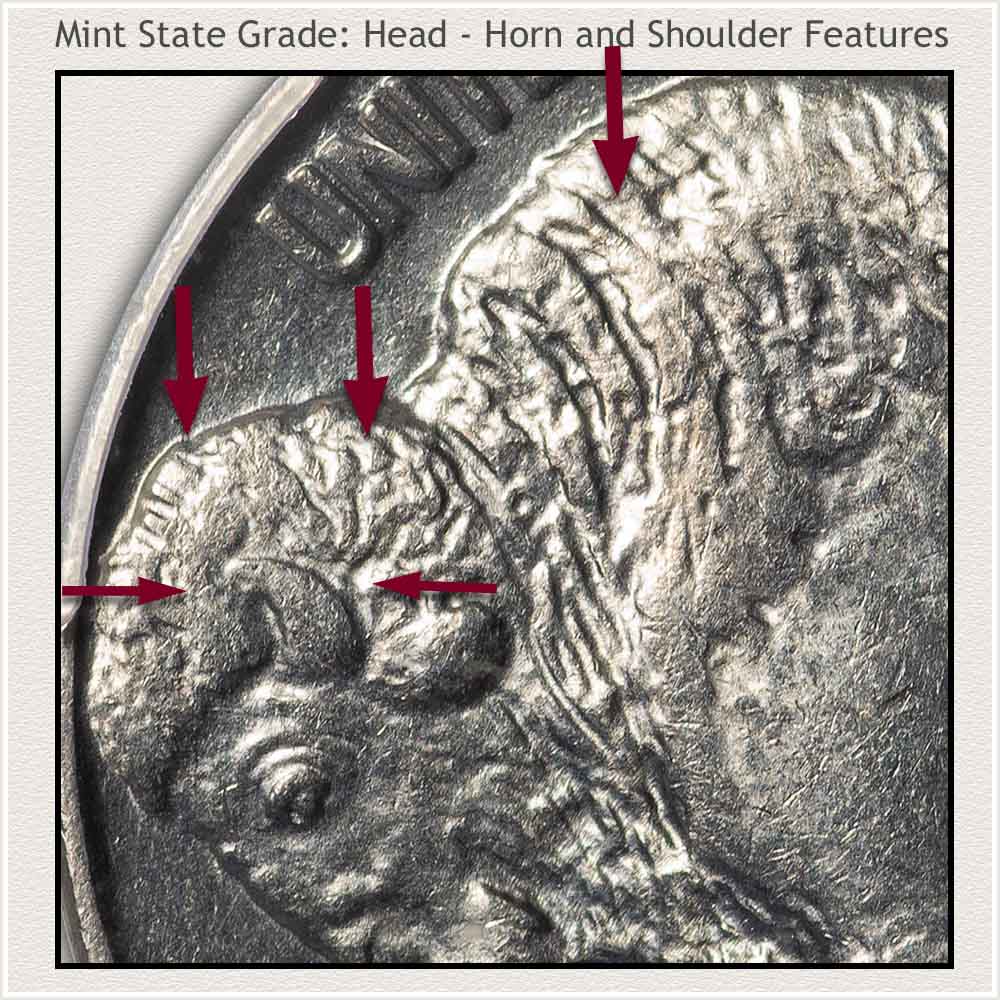 (fig. 4) Compare the Quality of Grading Features of the Head, Horn, and Shoulder on a Mint State Grade Buffalo Nickel
There is an ample amount of small details on the reverse of these Buffalo nickels. In Mint State grade, fine relief fur detail covers the front of the buffalo. The chest and hip provide open high and low relief areas. Examine these areas looking for signs of undisturbed original metal. High points need to remain with a texture on the metal and brilliance of luster. Using a single light and the technique of tilting the angle and rotating the coin, wear appears as a smooth and dull surface.
View the fur detail along the top of the Buffalo's head. Contours of the fur show both high and low relief areas. Highest points reflect a nice luster. Importantly, this luster matches low recesses as you rotate the coin. Next, view the fur detail along the upper back; it displays the same qualities of luster as the head with no flattened high points. Look closely at the metal's texture; confirm wear has not smoothed the metal and created flat spots with crisp edges.
Viewing the horn, the illustrated example (fig. 4) remains with its original minted texture. Comparing the fur nearby, both show a similar quality on high and low areas. If worn, these delicate features appear smooth, flat, and with a distinct loss of brilliance.
Combining an examination examine of the obverse with the reverse covers the primary grading features. A matching appearance of high relief zones when compared to low areas indicates a coin without wear and in Mint State grade.
Qualities of the Extremely Fine Grade Buffalo Nickel
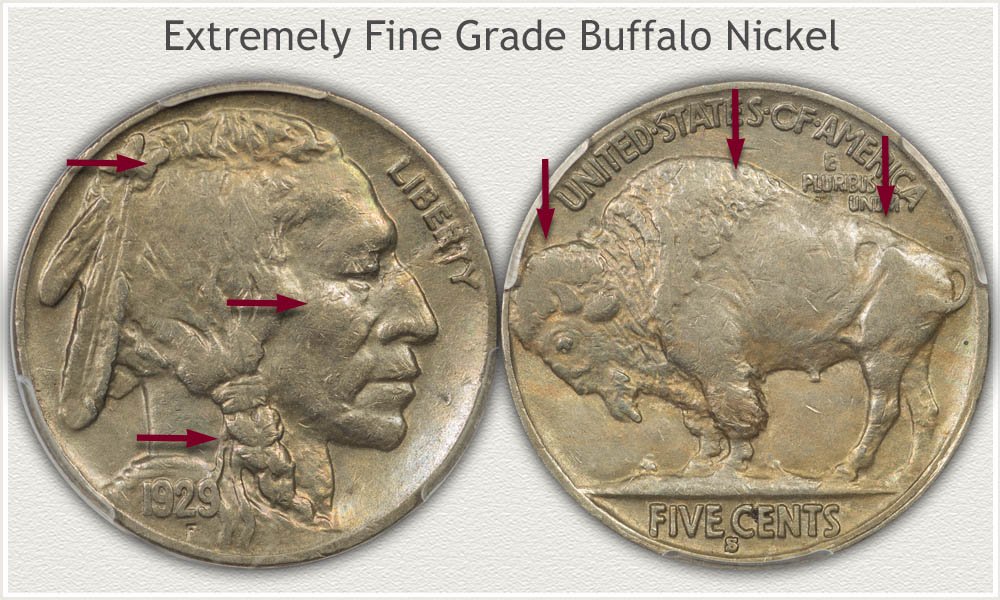 (fig. 5) Compare to the Highlighted Points Helping Recognize an Extremely Fine Grade Buffalo Nickel
Attempting to classify a Buffalo nickel's condition at the Extremely Fine grade level relies on confirming specific, strong, visible detail. Scanning the example (fig. 5), high contours remain on the Indian's face, hair, and across the entire buffalo. Wear, showing as a flat surface, stays confined to small, separated areas. A comparison approach of your coin with the graded illustrations begins with hair detail.
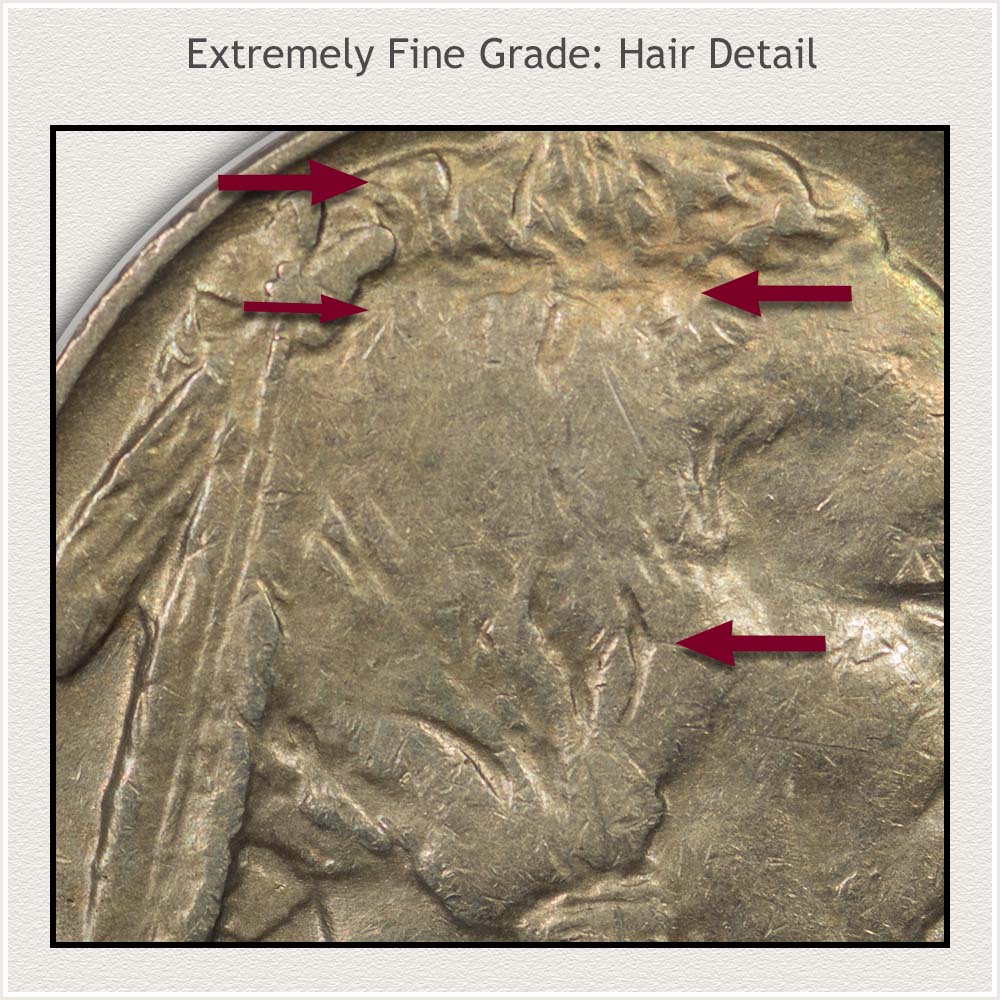 (fig. 6) Hair Detail Visible on an Extremely Fine Grade Buffalo Nickel
Ample detail shows within hair strands at the top of the Indian's head. Highlighted by deep recesses, most strands remain separated with only slight wear on high points. Below the part line, strong contours show strongly before flattening due to wear. Moving downward, hair detail appears again before blending into the worn surface just above the braid. Visibly, distinct zones of hair detail separate the worn flattened metal. Visible hair details keeping worn metal from connecting in a continuous flat area meets the grade level requirement.
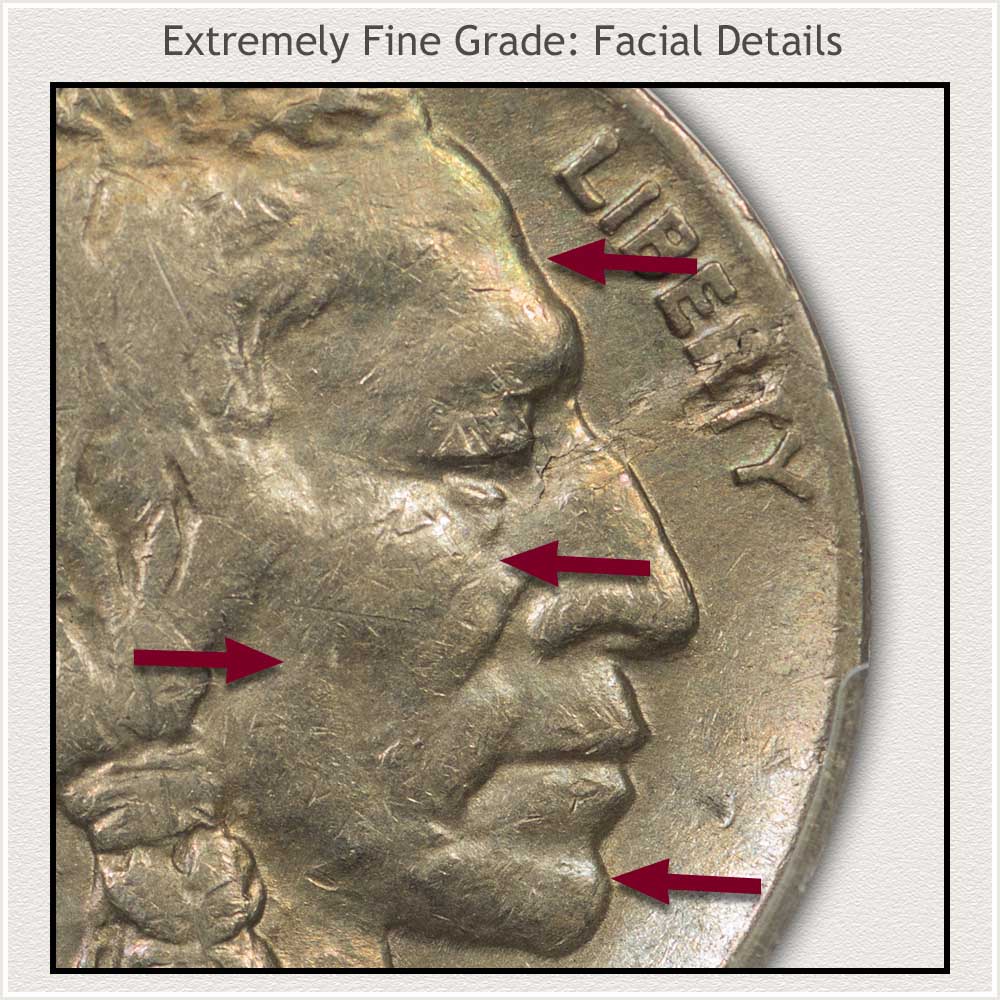 (fig. 7) High and Bold Contours Represent Facial Features on an Extremely Fine Grade Buffalo Nickel
Full facial contours become the next grade requirement. Examine the illustration; at the forehead, note the temple is defined along with high and low points forming the eyebrow. Below the eye, the cheek rises with only a small, flat, worn spot at its highest point. Remaining areas defining the cheek and jaw show bold, high, and low relief contours. The Extremely Fine grade requires a lack of flattened metal along most of the highest points.
Stepping back and viewing the coin overall, feathers, date, braid. and lettering all contribute to a crisp appearance. Each element rises strongly above the lower background.
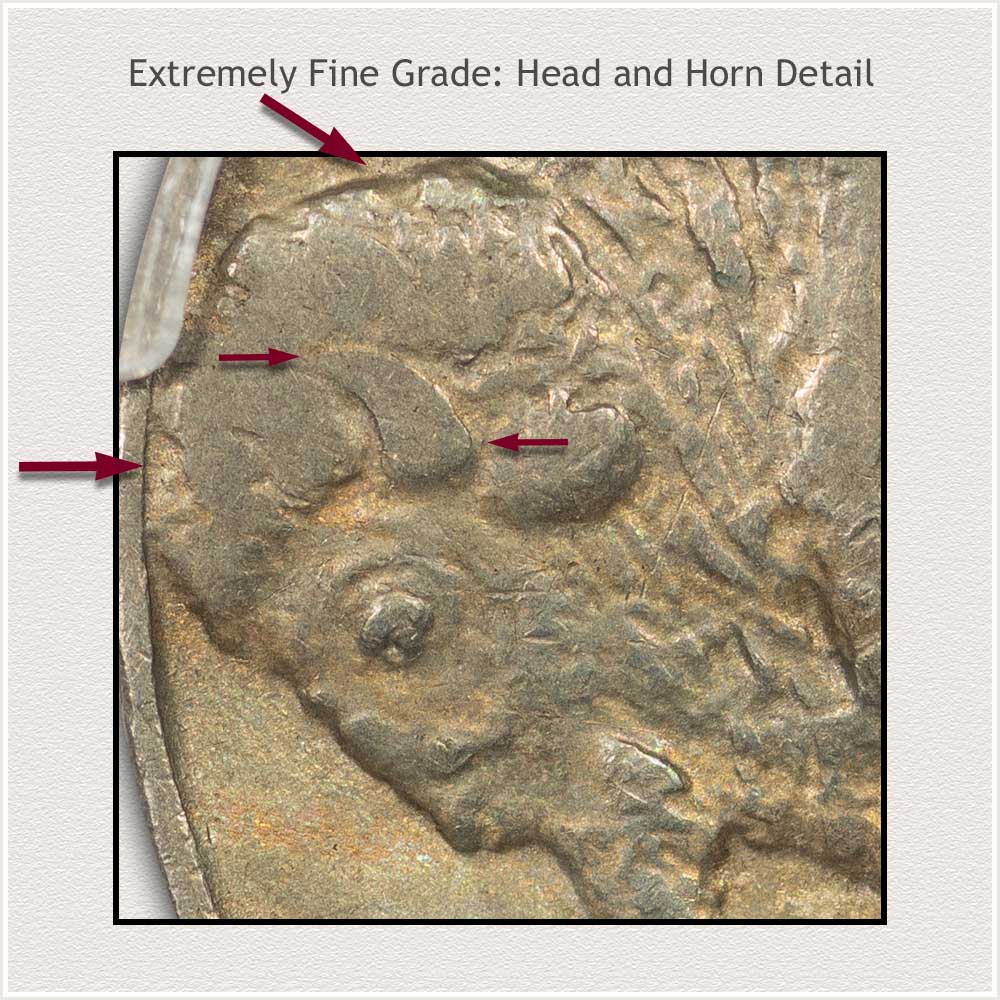 (fig. 8) Compare to Confirm Visible Horn and Fur Detail of an Extremely Fine Grade Buffalo Nickel
At the Extremely Fine grade condition, a highly detailed buffalo dominates the reverse. Surrounded by crisp lettering, fur detail displays across the head and shoulder areas. Also, high reliefs define the chest, hip, and legs. These areas show only small areas of flatness across their top most contours.
Reference the close-up (fig. 8) noting the raised contours defining the head and horn. Along the front and top of the buffalo's head a distinct line of fur detail shows. This fur becomes part of the rounded beginning of the high relief head design. Only the highest point of the head has worn to a smooth flat surface. A raised and contoured ridge of fur separates the face from the top of his head.
Important as a grading feature, the horn shows a complete outline. Some fading at the tip of the horn often occurs, although this remains within the grade range. Significantly, a close examine must confirm at least a faint outline defines the tip of the horn.
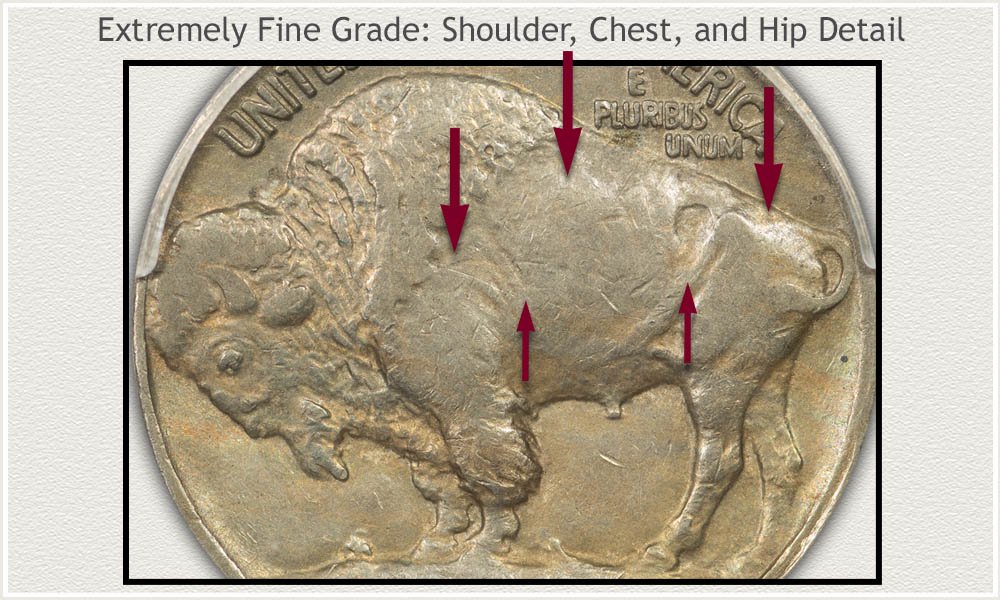 (fig. 9) Extremely Fine Grade Features of the Shoulder, Chest, and Hip on a Buffalo Nickel
Viewing the shoulder, chest, and hip, these grading areas display the definition of "light wear" on an Extremely Fine grade Buffalo Nickel.
Fur detail across the upper back has only small areas of worn metal. Towards the shoulder, some fur detail merges into a slightly larger surface.
A second defined grading point identifies high contours of the shoulder, chest, and hip. At this level of condition, each display a raised area defined by lower relief areas. Low areas visually separate the three high areas with some roundedness evident between.
Identify the areas of wear on both the obverse and reverse remain confined to high points only. Light wear in small areas without merging of distinct features, hair with face, fur with horn, meets the grade level.
Qualities of the Fine Grade Buffalo Nickel
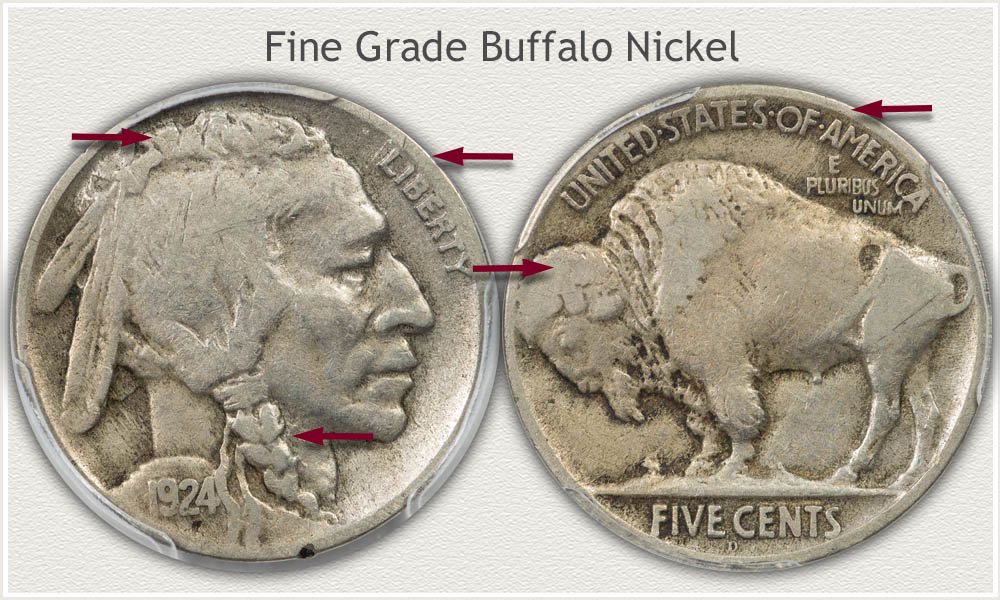 (fig. 10) Compare to the Obverse and Reverse of a Fine Grade Buffalo Nickel
Buffalo nickels in Fine grade condition become valuable collectibles, especially the early teen years. Defining the grade, moderate amounts of detail balance the moderate areas of worn and smooth metal. It is a pleasure to notice strong facial contours on the Indian's portrait. In this condition the high relief eyebrow, cheek, and jawline present a subtle quality appearance.
Reference the graded example (fig. 10). Begin a comparison of your coin with the obverse grading points. Look for similarities of defined details balancing areas of flattened metal.
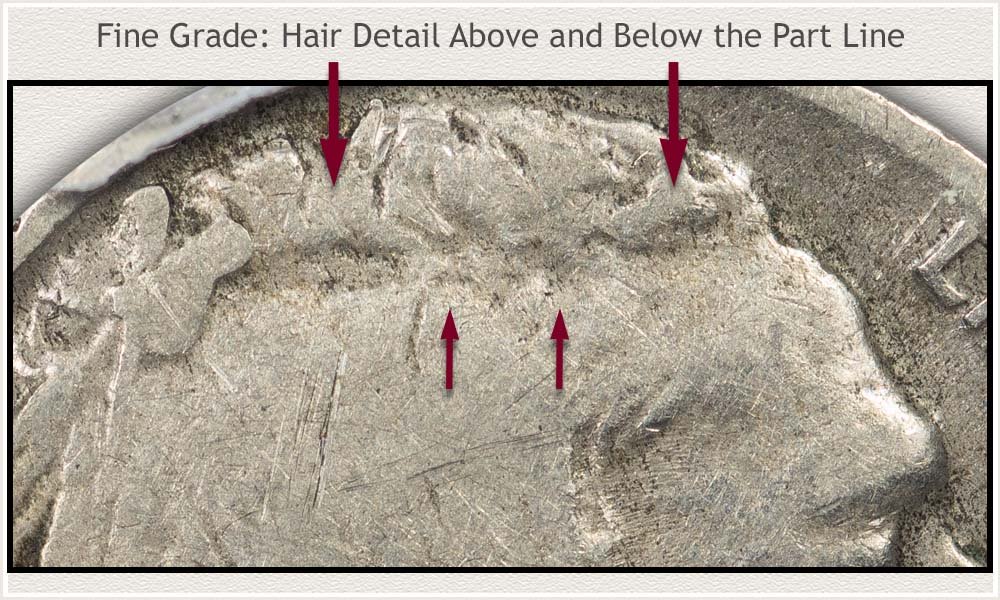 (fig. 11) Subtle Hair Detail Helps Identify a Fine Grade Buffalo Nickel
Although the central hair detail shows wear, the areas above and just below the part line display many hair strands. Notice above the part line only high relief points of hair show wear. In this area deep recesses still define individual strands. Below the part line, some hair detail remains before fading towards the center of the coin. Additionally, a strong line shows where the hair meets the face.
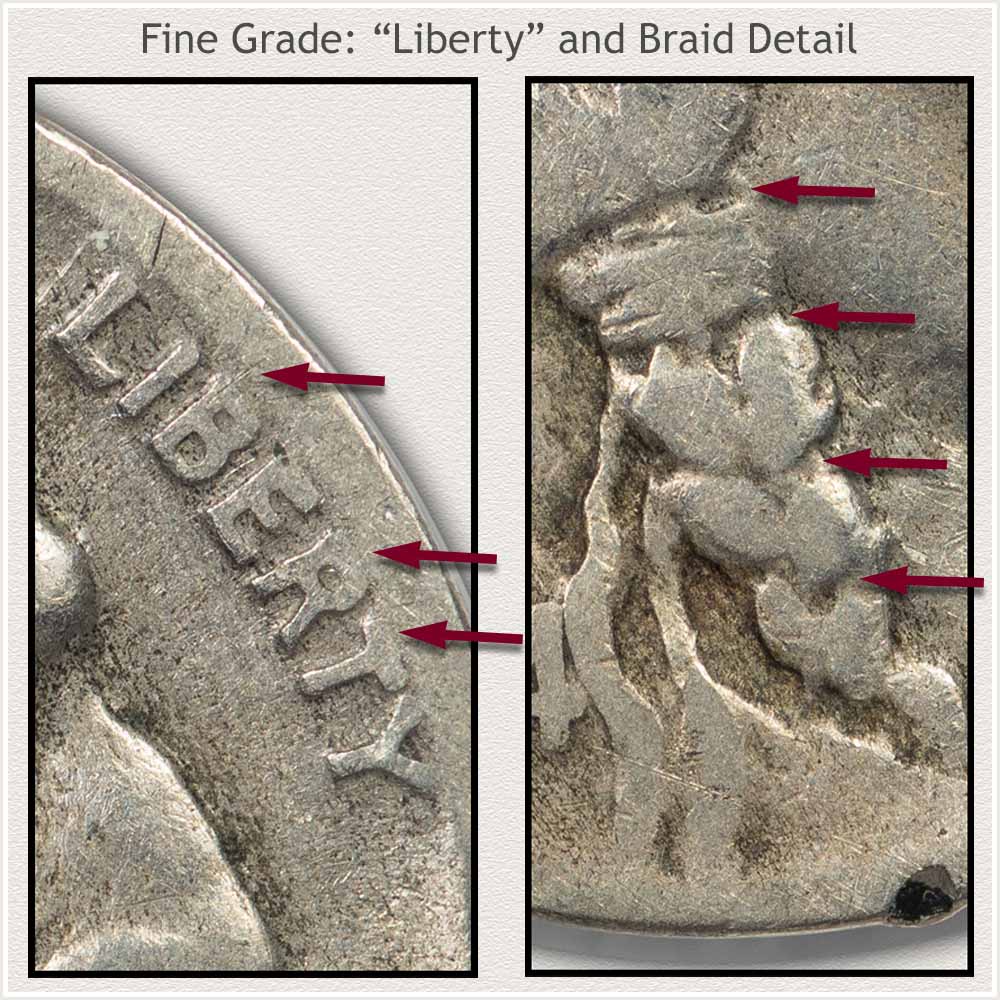 (fig. 12) Level of Detail Within Letters and Braid on a Fine Grade Buffalo Nickel
At this level of condition, lettering of "Liberty" becomes a defining grading feature. Meeting grade expectations, all letters of "Liberty" remain full and separate from the inner edge of the rim. Inspect this area closely. Confirming full letter outlines helps accurately judge the Fine grade Buffalo nickel.
The hair braid also helps to visually recognize this quality condition. As a grading feature, the braid begins with a ribbon tie. Below the ribbon, three large hair braids end with two minor braids. Wear does smooth and flatten the tops of these features. However, a strong recessed line separates the ribbon from the hair above and braid below. Braids also show a recess between high contours separating each. Of note: flattened areas of one braid connecting with another indicate a lower condition.
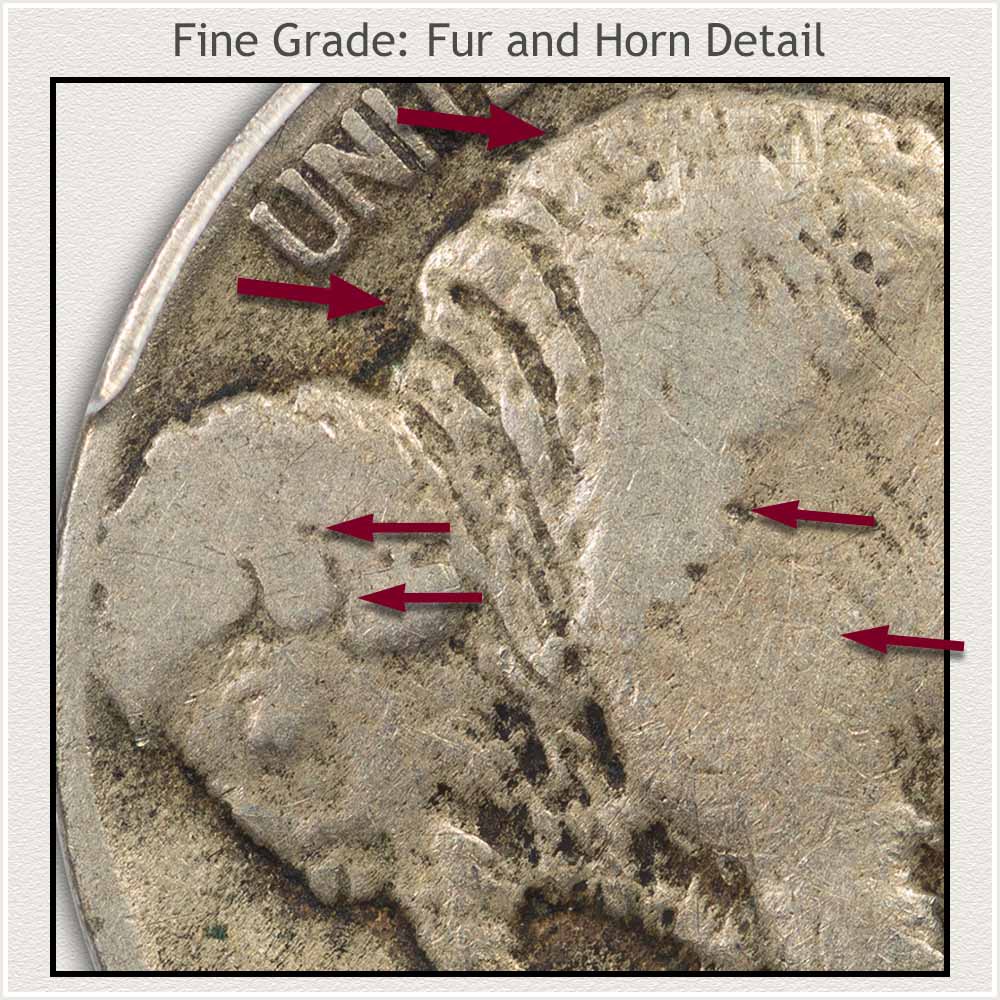 (fig. 13) Fur and Horn Detail Indicating a Fine Grade Buffalo Nickel
When viewing the reverse, its first impression shows clear and bold lettering surrounding a buffalo displaying areas of flattened metal.
Focus on the head and shoulder area. On the example, the head now has a slight contour rising above the field. Although few details of fur are visible on the head, the horn now extends from its base upward along most of its length. Only the tip of the horn disappears and merges into a flat surface. Visible horn detail becomes an important quality of the Fine grade.
Also evident in the example (fig. 13), notice the clear fur detail extending behind the head upward along the back. This contour of fur detail rises up from the background to a confined flat area on the shoulder. The grading feature is the slight separation of flat metal on the shoulder from flat metal on the leg. The lack of a continuous flat surface connecting shoulder to leg indicates the Fine grade condition.
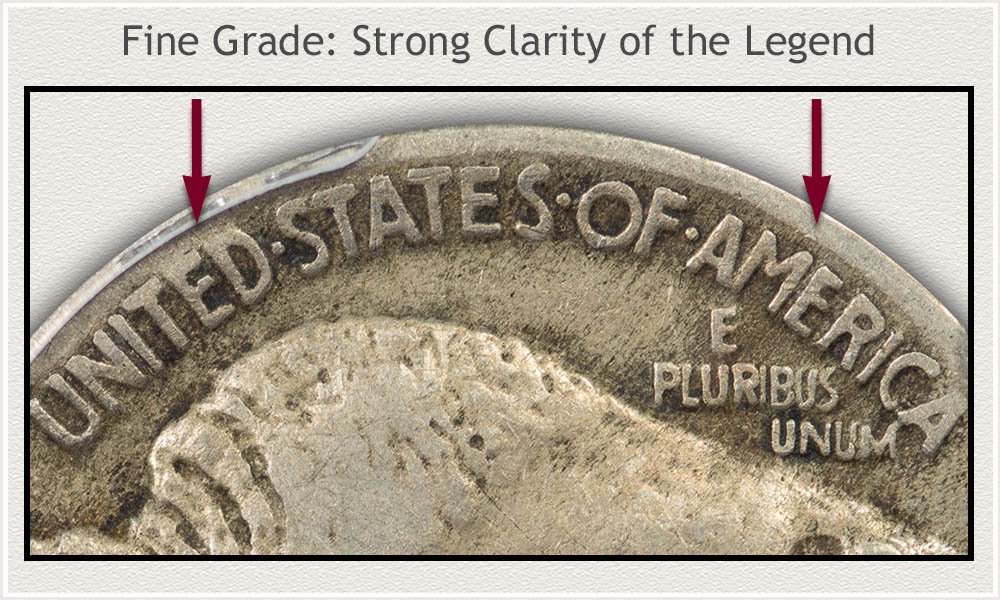 (fig. 14) Clear Raised Letters of the Legend on a Fine Grade Buffalo Nickel
In Fine grade the small letters along the upper rim display crisp and sharp. Each letter of the legend clearly rises above the background. Any reduction in letter height only appears near the rim. A complete separation of letter tops from the rim becomes the strong indication of the grade.
Once done with judging your coin, review the number of grading features meeting grade level. When most areas match the images and descriptions, consider your coin within grade range.
Qualities of the Good Grade Buffalo Nickel
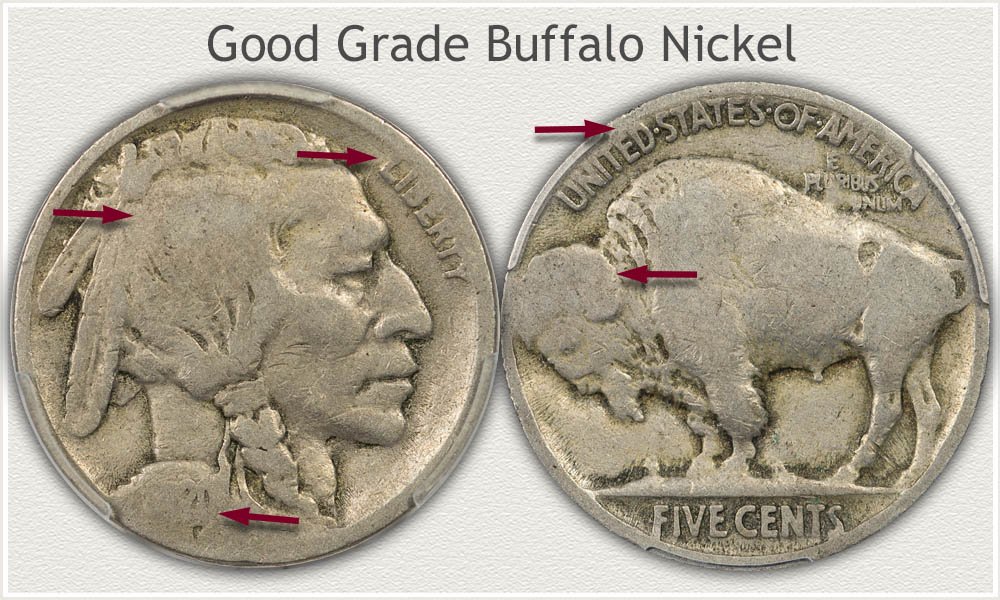 (fig. 15) Use as a Comparison the Obverse and Reverse Views of a Good Grade Buffalo Nickel
Even when very worn, the bold design of a Buffalo nickel remains visually appealing. Defining the grade, heavy wear smooths most of the surface. Although many small details are missing, a few visible requirements determine the grade. Primarily a readable date, lettering on the obverse and reverse, and design details on the buffalo help judge condition.
Inspecting the example (fig. 15), enough detail remains indicating its condition remains within the Good grade range. However, this level of wear keeps the coin from grading higher on the scale.
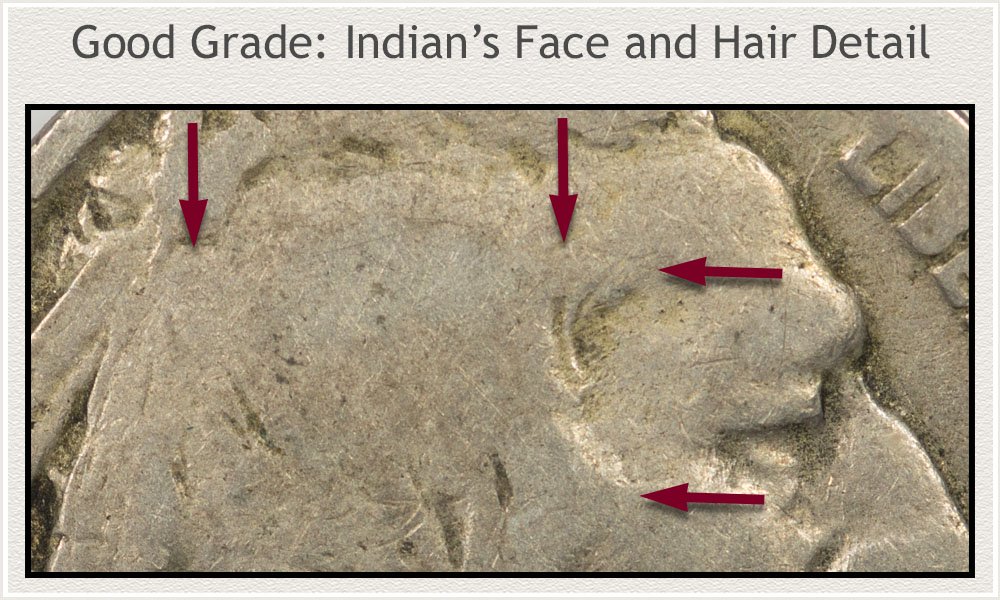 (fig. 16) Visual Qualities of the Hair and Face Details on a Good Grade Buffalo Nickel
Refine the examine of your coin starting with the Indian's portrait. Note a low contour defines and separates the hair from the face. Blending of this contour shows limited areas at the forehead and near the cheek. The hair from the face to feathers at the back is now smooth, with only few strands near the braid.
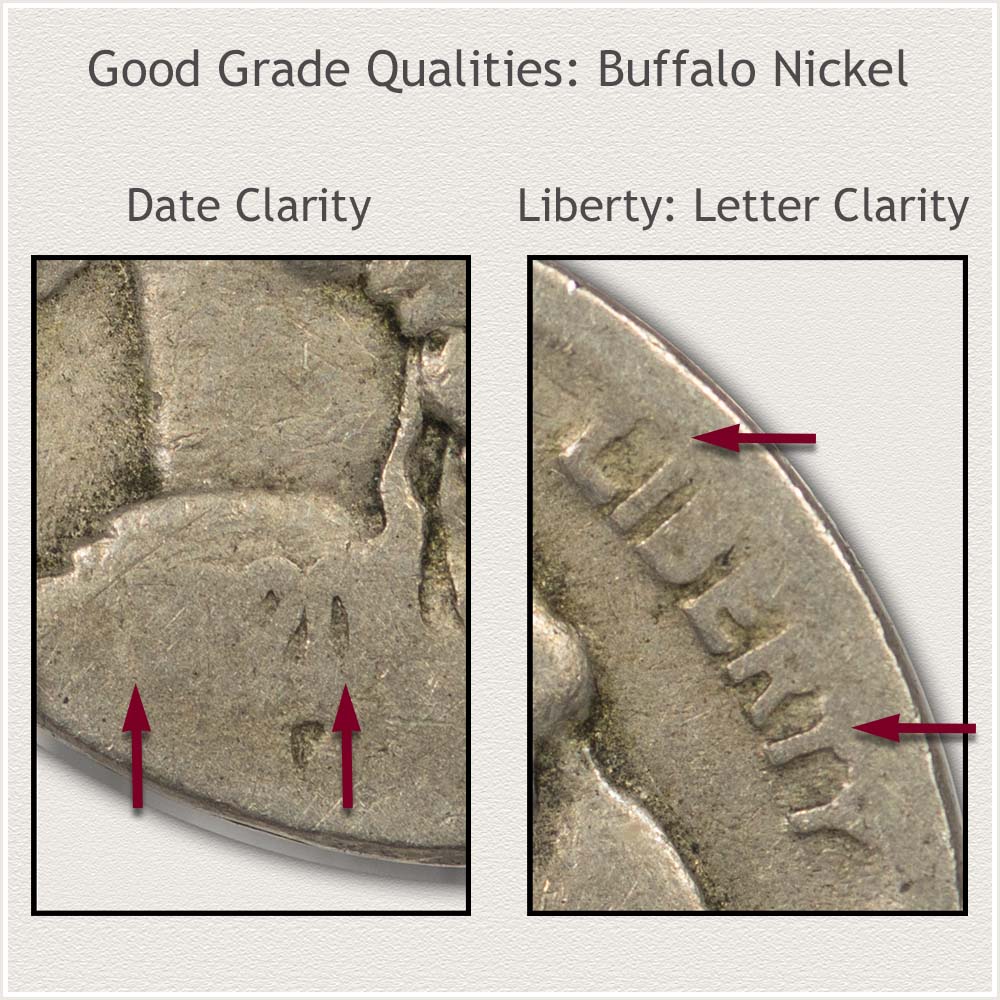 (fig. 17) A Readable Date and Letter Clarity of Liberty on a Good Grade Buffalo Niclel
Readability of the date becomes a strict requirement at this grade level. Although worn to a "partial date" condition, the date does show enough detail to accurately confirm.
In front of the Indian, letters of LIBERTY remain readable. Each letter is complete along its lower two thirds. As a grading point, most letters connect directly with the rim. The extent of letters merging with the rim places the coin within the Good grade.
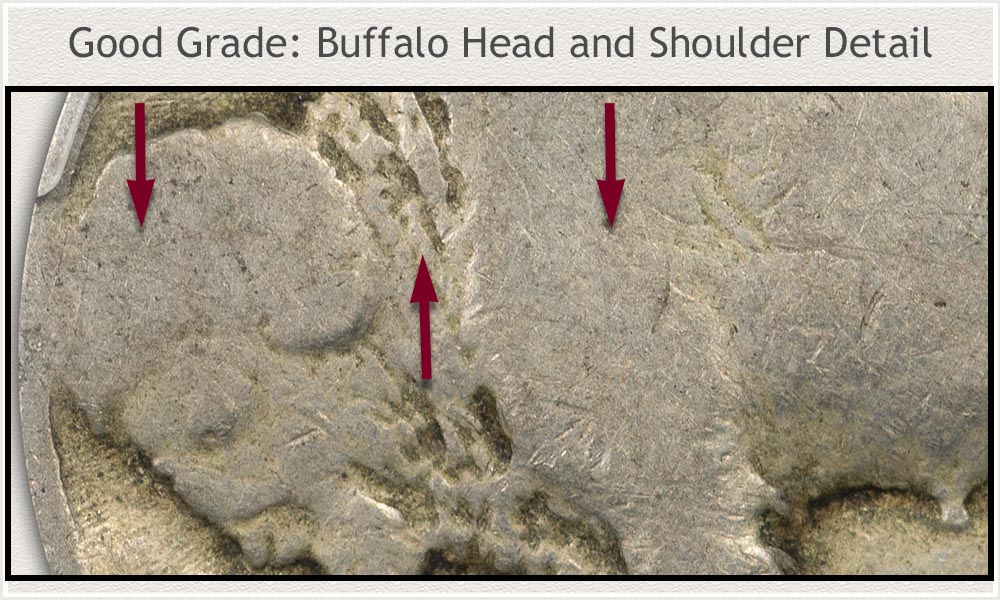 (fig. 18) Smooth Metal Covers Most of the Buffalo's Head and Shoulder on a Good Grade Buffalo Nickel
Now continue the method of identifying visible elements on the reverse design. On the Buffalo's head, fur detail above the eye now shows only a smooth area. Next, some fur detail begins at the back of the head, extending upwards. Additionally, notice the smooth area covering the shoulder. The combination of these three areas indicates the Good grade.
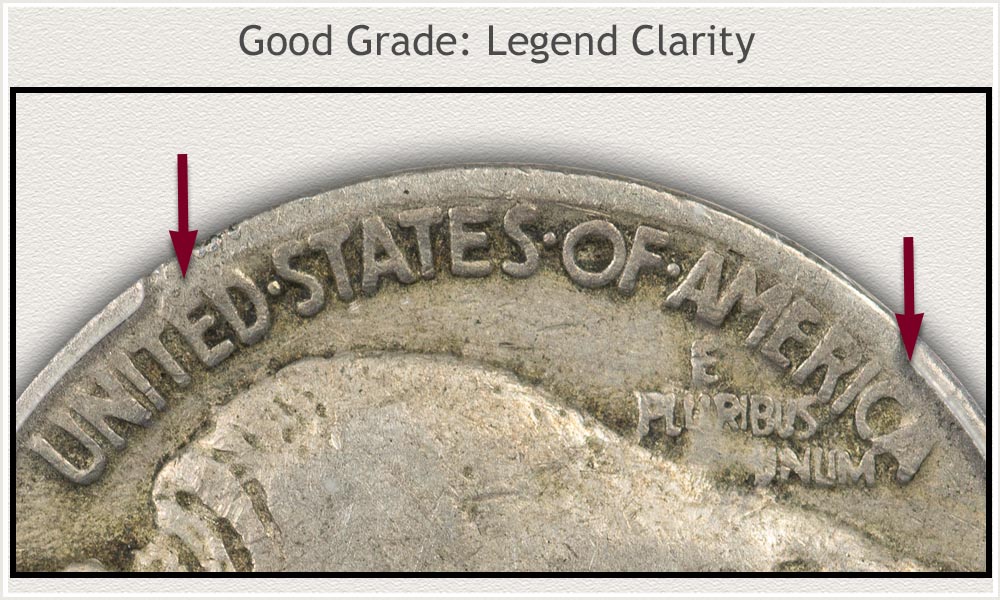 (fig. 19) Level of Clarity of the Legend on a Good Grade Buffalo Nickel
The legend along the upper rim, United States of America, displays a somewhat faded appearance. Crisp outlines of the letters begin to fade as they near the rim. When some letter tops connect with the rim, this becomes the visual indication of the Good grade.
Additional Guides | Grading Buffalo Nickels
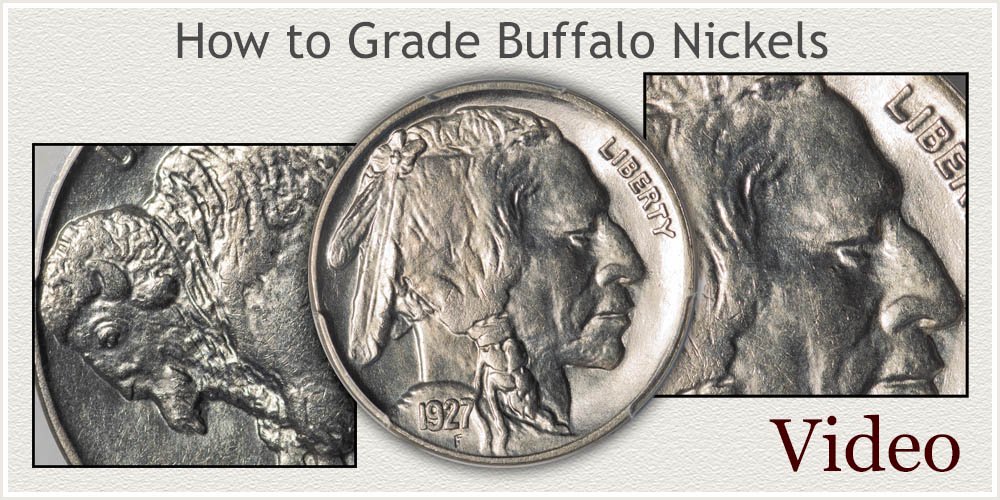
Video: How to Grade Buffalo Nickels
How to Grade Buffalo Nickels Video
How to Grade Buffalo Nickels Video continues the method of matching your coin to graded examples. Highlighted are the subtle features used when grading the Buffalo nickel.
References
Finance U.S. Senate. (1894) Coinage Laws United States 1792 to 1894 Washington: Government Printing Office.
The Bureau of the Mint. (1928) Catalogue of Coins of the United States. United States Government Printing Office - Washington, DC.
Coin Values | CoinStudy Articles
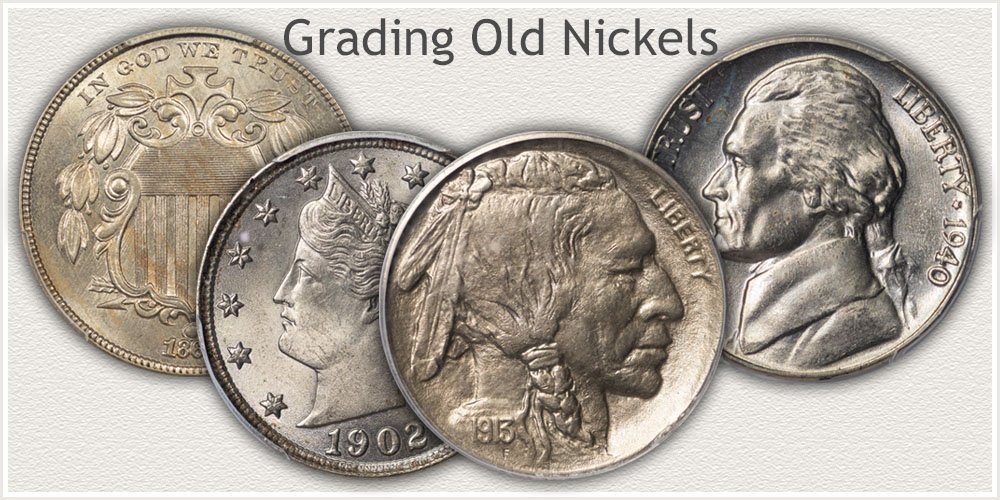
Grading Old Nickels: How-To Guides
Examine and judge specific grading features of the different series of nickels. In depth descriptions, images, and videos identify the grades used to define their condition. Using a comparison method, visually match your coin to typical grading patterns.

How to Grade Old Coins || In Depth Visual Guides
A complete listing index of the different How to Grade Old Coins series. Grade these old coins using the many images illustrating close-up condition details. Descriptions further detail the subtle points used to decide a coin's grade.
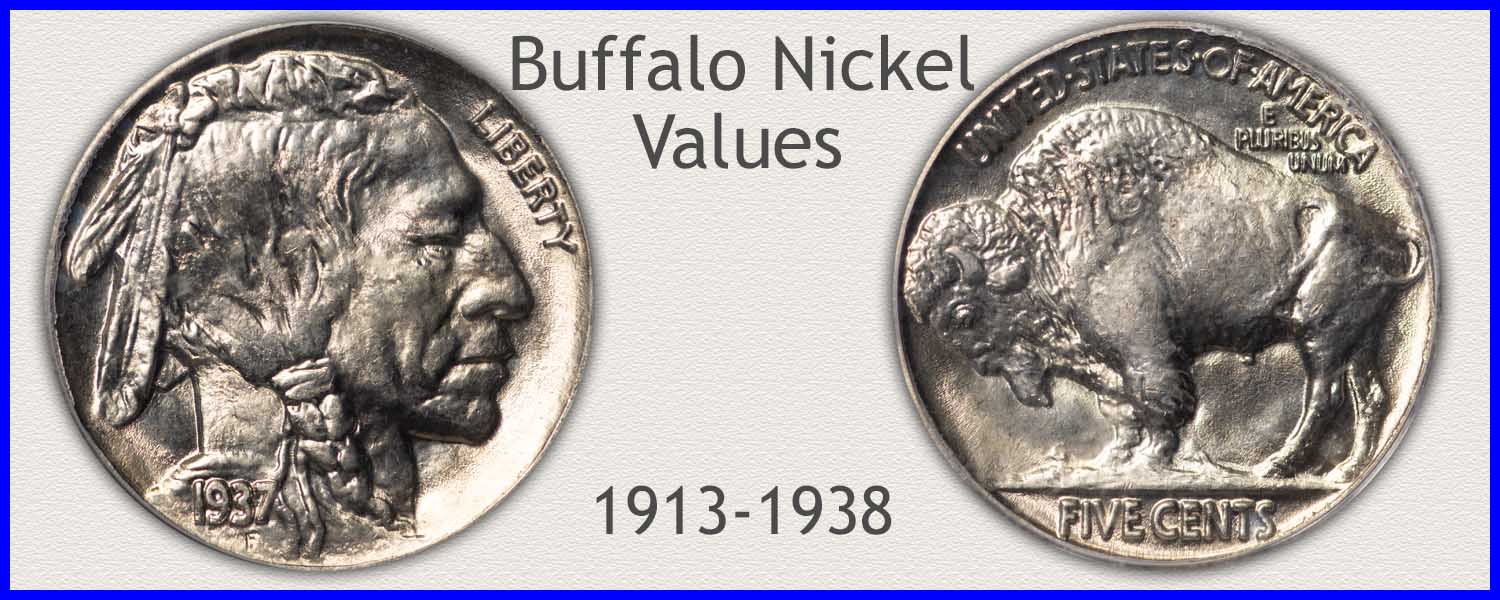
Buffalo Nickel Value | Listing the Series Date and Mint Combinations
Buffalo nickels: A popular coin series rising in value. Today, collectors closely examine Buffalo nickels. They search for special dates and quality condition pieces. Review the full value chart listing the date and mint combinations of the Buffalo nickel series. The step-by-step method gives insight into values.
★Coin Values Discovery pulls together... How to Grade Liberty Nickels and...
Visit the index of the many different series and discover the value within your box of old coins.