Coin Values Moving with Precious Metals: Up-Dated 9/28/2026: Gold $4175 | Silver $61.42
How to Grade Liberty Nickels
Following a specific method, with illustrations, begins the process of how to grade Liberty nickels. With a careful examination of your coin and a comparison approach, recognize subtle details of each level of condition.
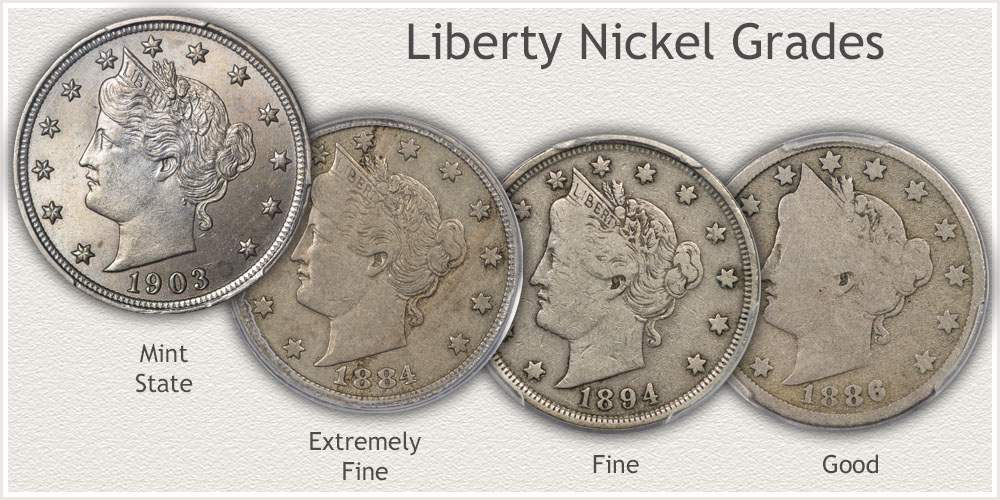 (fig. 1) Matching to One of the Four Major Grades Begins the How to Grade Liberty Nickels Process
Start by inspecting the examples of graded coins in image (fig. 1). The illustration displays coins ranging in condition, with the "no wear" category, Mint State on the left. Next, a lightly worn, Extremely Fine nickel. Then the moderate wear example in Fine grade. At the right, a heavily worn nickel in Good grade condition.
Different conditions, fit into a defined "Grade" when evaluated and matched to specific levels of detail. A coin's grade is then used in the hobby and market as the description of condition.
Fundamental Qualities of Grade Categories
- Mint State Grade: Original Surface Without Wear
- Extremely Fine Grade: Light Wear Visible on High Points
- Fine Grade: Moderate Wear Evident with Design Details Merging
- Good Grade: Extensive Wear Smoothing Fine Details with Major Outlines Remaining
Value Discovery: Judge a close match of your coin to one of the graded examples. Next, compare to images and evaluate key features of its surface, defining each condition level. These steps identify a grade range and narrow the coin's listing on value charts. Small details, such as the presence of letters in the headband, quickly separate higher from lower value coins.
🔎Grading Tools/Techniques:
Good lighting on the coin becomes important in the grading process. Choose a lamp in the 75 to 100 watt range. Using a single light that creates strong shadows helps bring out small detail. Liberty's hair with its fine lines is an example of when proper lighting becomes necessary.
Use magnification: Hobbyists rely on 5x to 7x magnification when grading coins. Often a close view of the wreath decides the difference between separated or merged design elements.
Familiarize yourself with the Full Details of a Mint State Grade coin. Knowing the full and intricate detail of the original design helps spot the worn and faded areas. Lettering within Liberty's headband and strands of hair all have crisp details. This sharp quality quickly fades on circulated, worn coins.
When new to the grading process, grade the coin twice. The second pass at deciding condition helps focus attention and begins to see the subtle qualities per grade. Reference the following images, descriptions, and video, sharpening your grading skills.
Qualities of the Mint State Grade Liberty Nickel
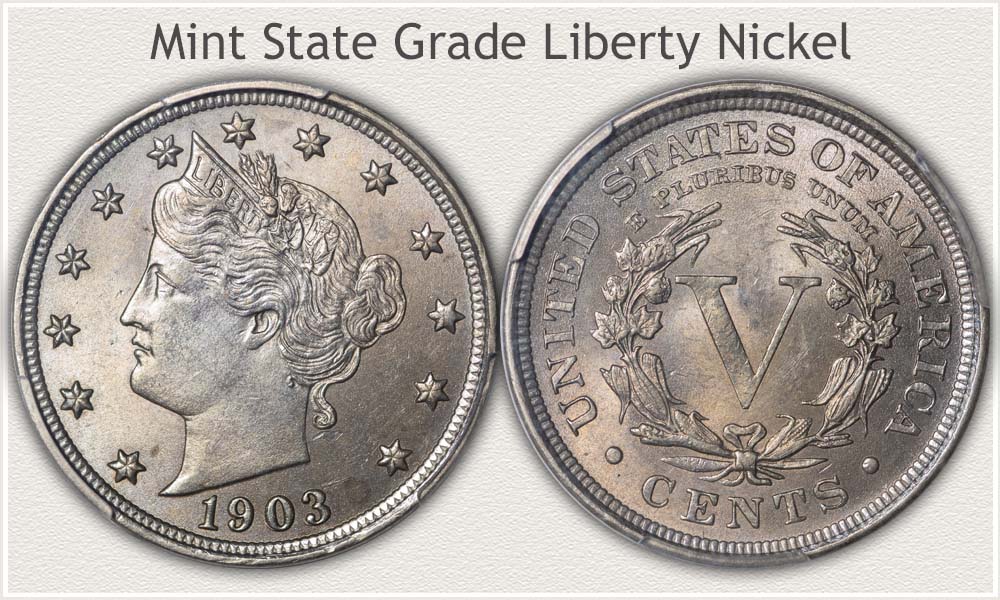 (fig. 2) Examine the Mint State Grade Liberty Nickel Helping Recognize Full Details and a Close Match
Liberty nickels in Mint State grade meet the strict definition of having a surface without any wear. The nickel illustrated (fig. 2) shows an unworn surface and original details. These coins display a fine texture across the entire coin. A worn surface has a smooth, "glossy" appearance. Both high points and low recesses in Mint State condition still retain this original texture on the metal's surface. Original texture allows light to reflect as "luster," the shine.
Focus on high areas of design features to confirm an intact, unworn surface. Using a single light source and tilting your coin at various angles, slowly rotate the coin. You are looking for bands of luster to extend across the entire surface. Luster has a frosty texture on Liberty nickels, and if complete, indicates the high value Mint State grade.
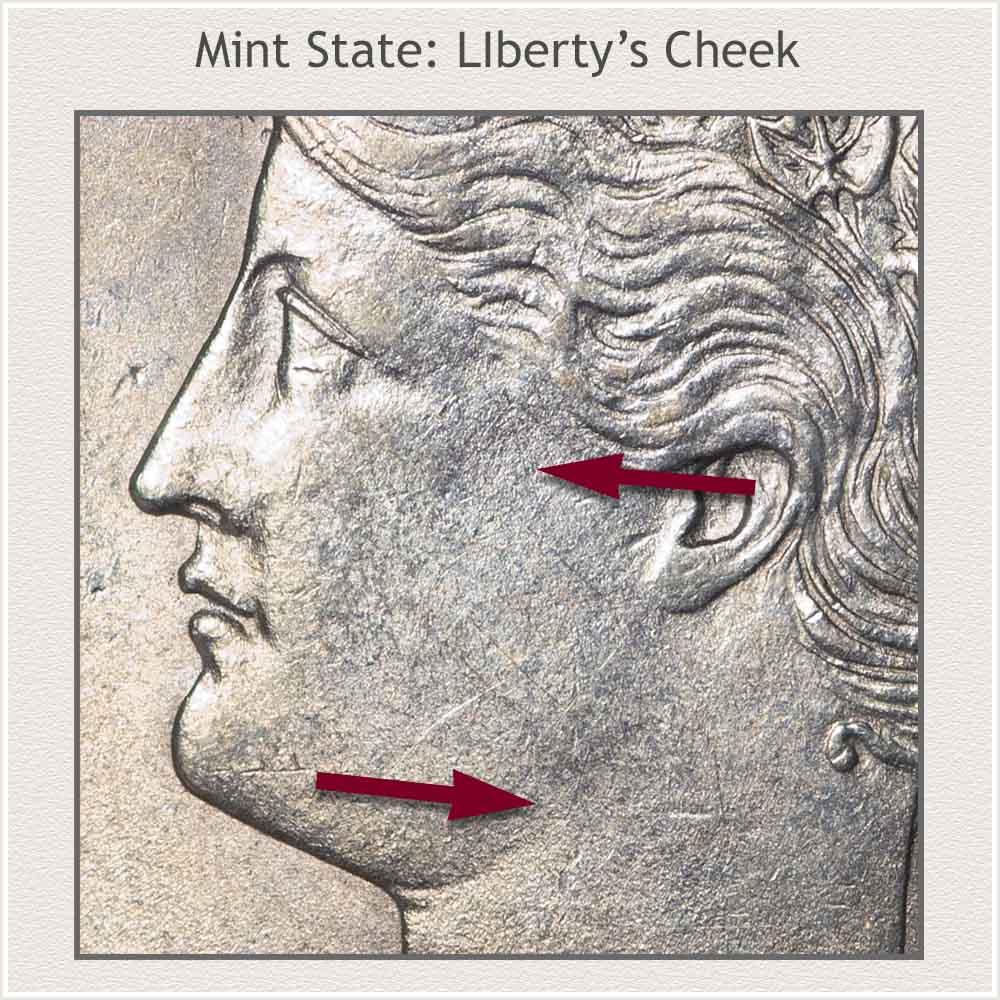 (fig. 3) Areas of Liberty's Cheek Highlighted to Inspect in Mint State Condition
On the obverse design, Liberty's cheek, hair strands, and details above her headband provide grading focal points. In Mint State condition these areas are the highest features and prone to showing first signs of wear.
Liberty Cheek: Luster remains complete over her entire cheek. This open area displays a similar texture and luster when compared to lower, protected areas. Look closely at the metal surface below the jawline. Liberty's cheek should match closely to this texture below the jaw.
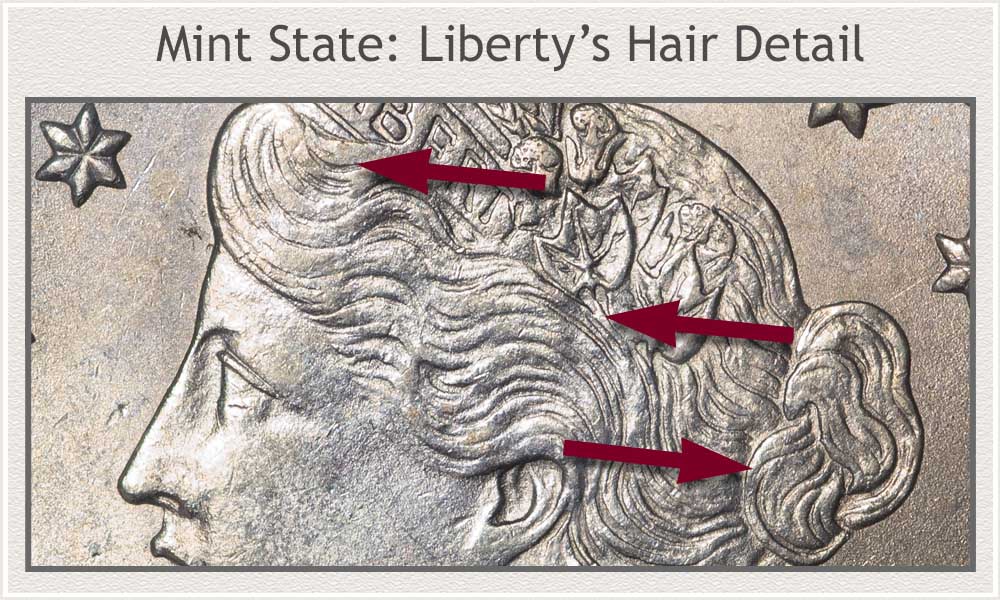 (fig. 4) Liberty's Hair Strand Detail in Mint State Condition
Hair Strands Extending from Forehead to Bun: Liberty's hair, represented by many small, high contours and deep recesses, remains covered in complete luster. Wear removes metal off the tops of strands, leaving a dull appearance. Focus on areas within the hair above her eye, behind the ear, and bun at the back of her head.
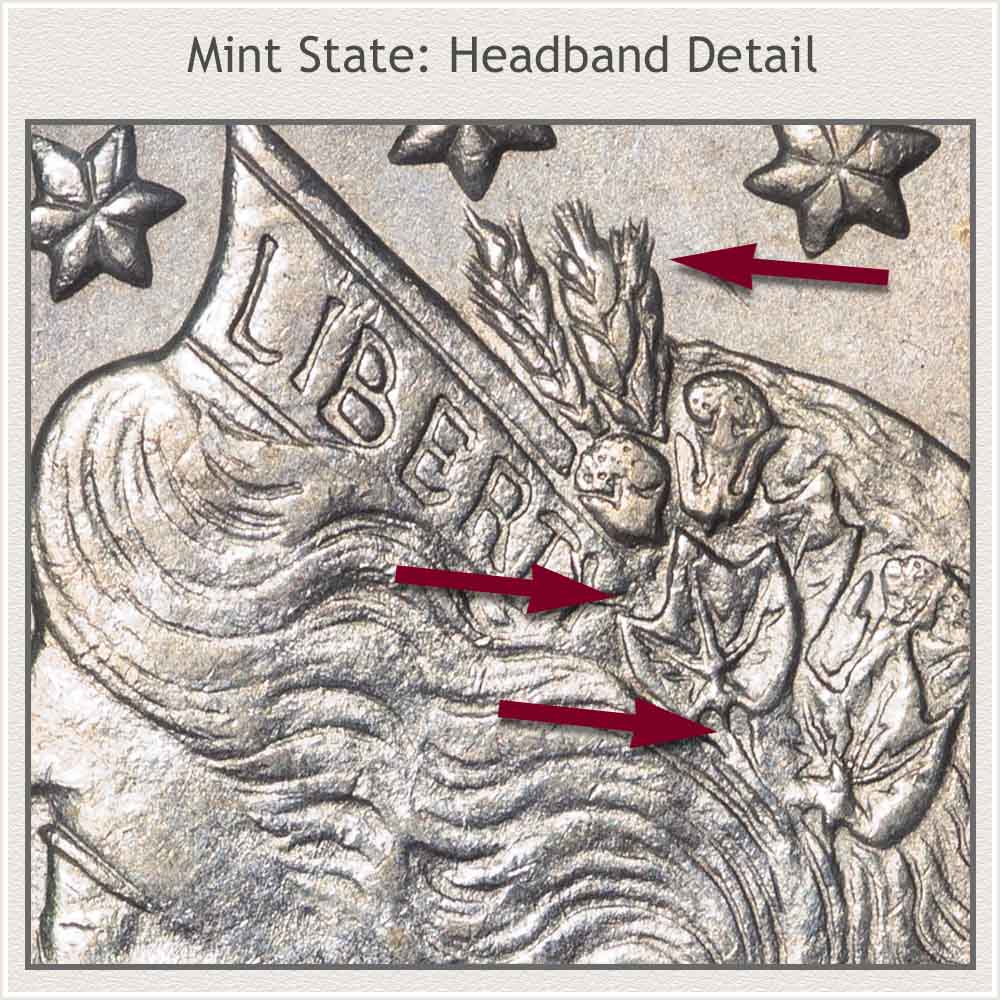 (fig. 5) Liberty's Headband Displays Crisp Luster in Mint State Grade
Fine Details Above Headband: At the top of Liberty's head, locate the wheat grains pointing upward. These, plus the cotton leaves just below, show no signs of flattened metal, smoothness, or lack of luster. Tilt the coin slowly, noting a similar look on both high and low features within leaves and wheat grains.
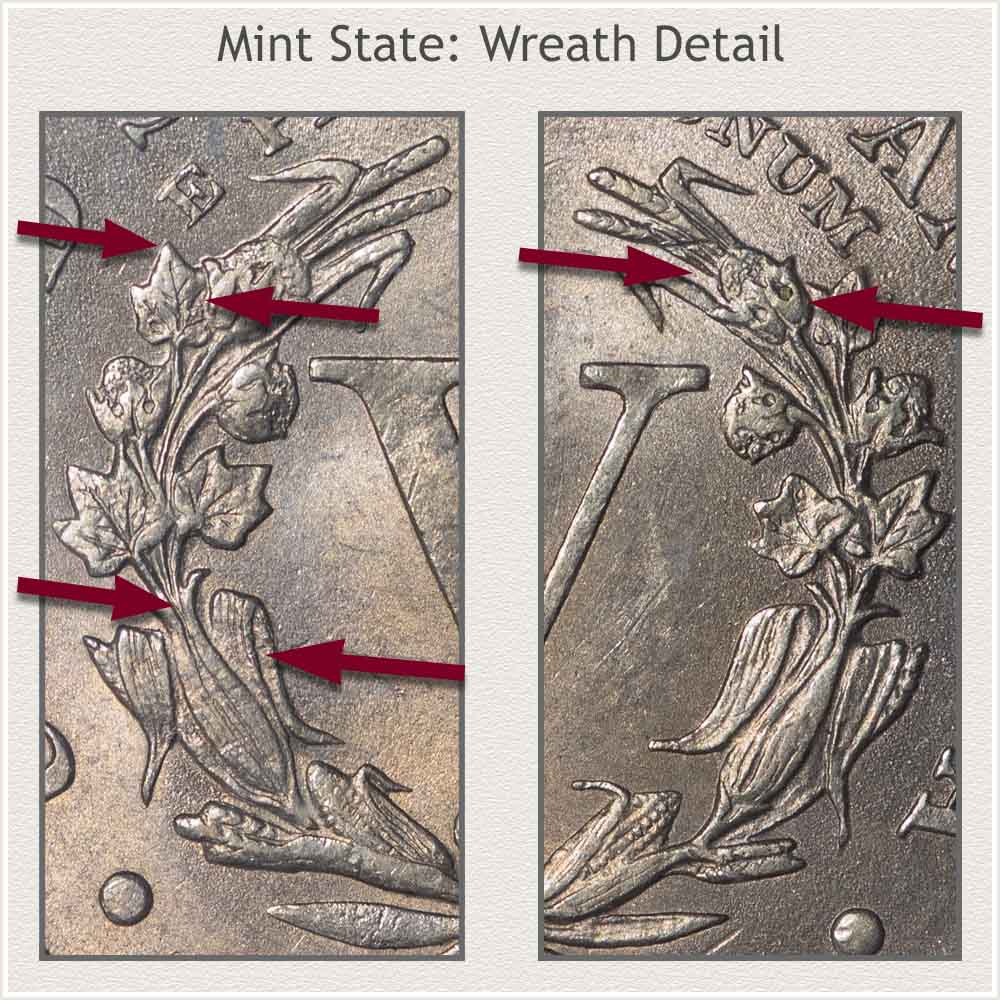 (fig. 6) Small Details of the Wreath in Mint State Grade
The wreath on the reverse has specific grading areas. In the Mint State grade, all areas of the wreath have a bright, lustrous surface without signs of dulling. Additionally, both the large "V" and surrounding fields display a lustrous look.
Wreath High Point Detail: When examining the wreath, focus on small edges of the design. Wear on these high points flattens their crisp edges. Use the technique of tilting the coin, giving a low angle view, helping detect flattened edges. Overall, in the Mint State grade, leaves, cotton, and corn details all display a similar look with lower relief elements.
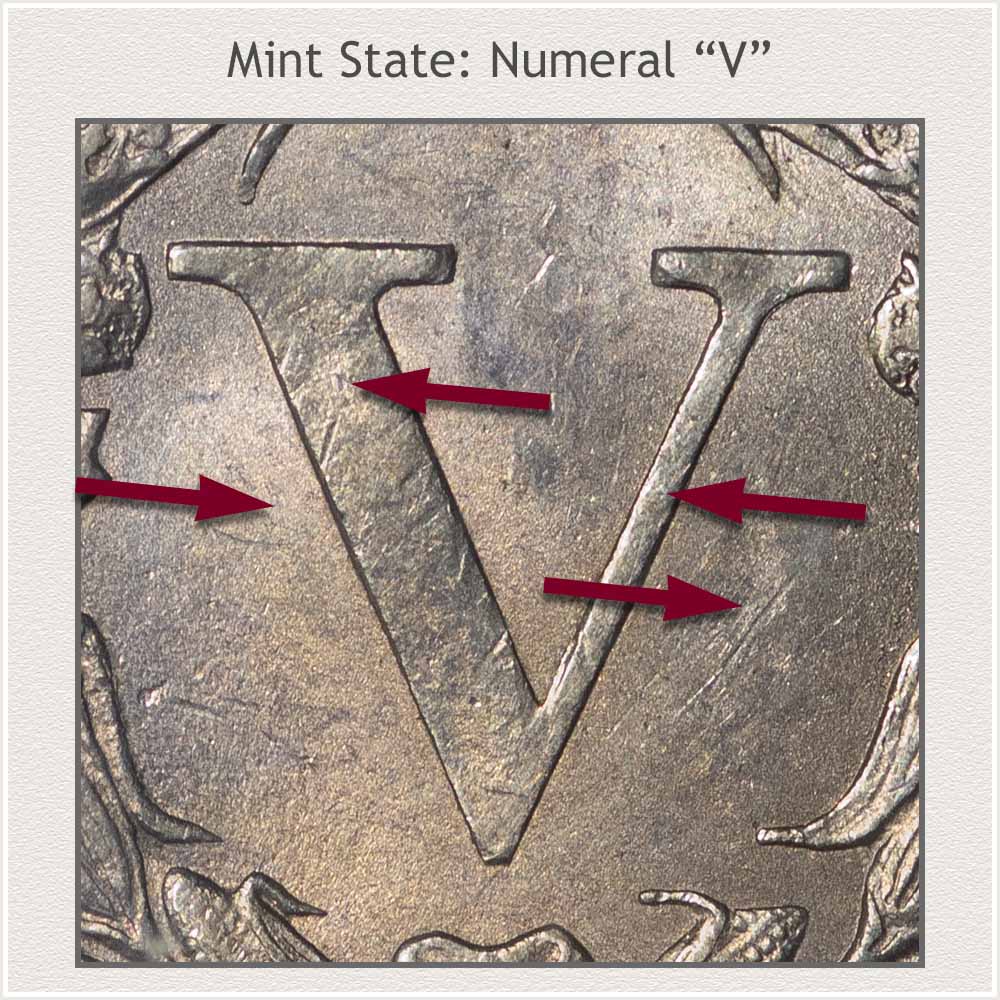 (fig. 7) The Liberty Nickel Roman Numeral "V" in Mint State Condition
Luster on the Numeral "V:" A design feature located in an area prone to wear, the Roman numeral "V" still has its original surface as first minted. Any wear on its surface dulls the metal and appears smooth and glossy.
Center Fields of the Design: The field of the coin, the background surrounding the "V," represents a protected area of the design. Compare the condition, texture, and luster of the fields with the top surface of the "V." In Mint State condition the "V" and fields remain similar.
Qualities of the Extremely Fine Grade Liberty Nickel
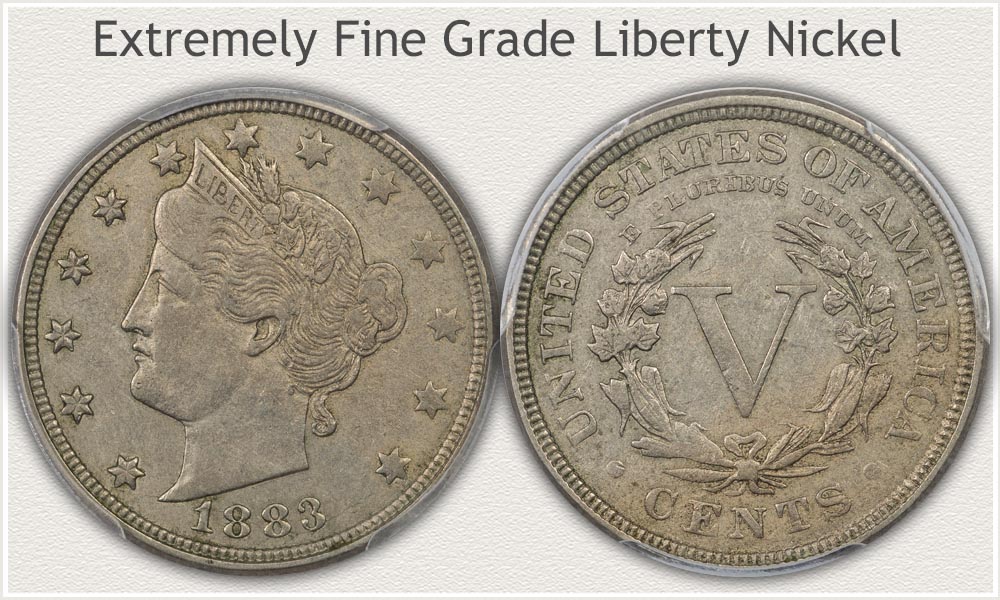 (fig. 8) Confirm a Similar Match to the Liberty Nickel in Extremely Fine Grade
The above Liberty Nickel (fig. 8) displays a highly detailed, crisp appearance. It fits well into the "light wear" general category. Small details remain easily recognizable, noticeably the ample design near Liberty's headband. This coin's condition grade is Extremely Fine. A close match of your coin places it within the grade range. A further examination of the condition of specific features helps decide the grade.
In lightly worn condition, only small areas of the coin show signs of wear. This wear smooths the metal and begins to flatten small raised contours. This results in a slight "fading" of the design. Focus on the following features when evaluating condition.
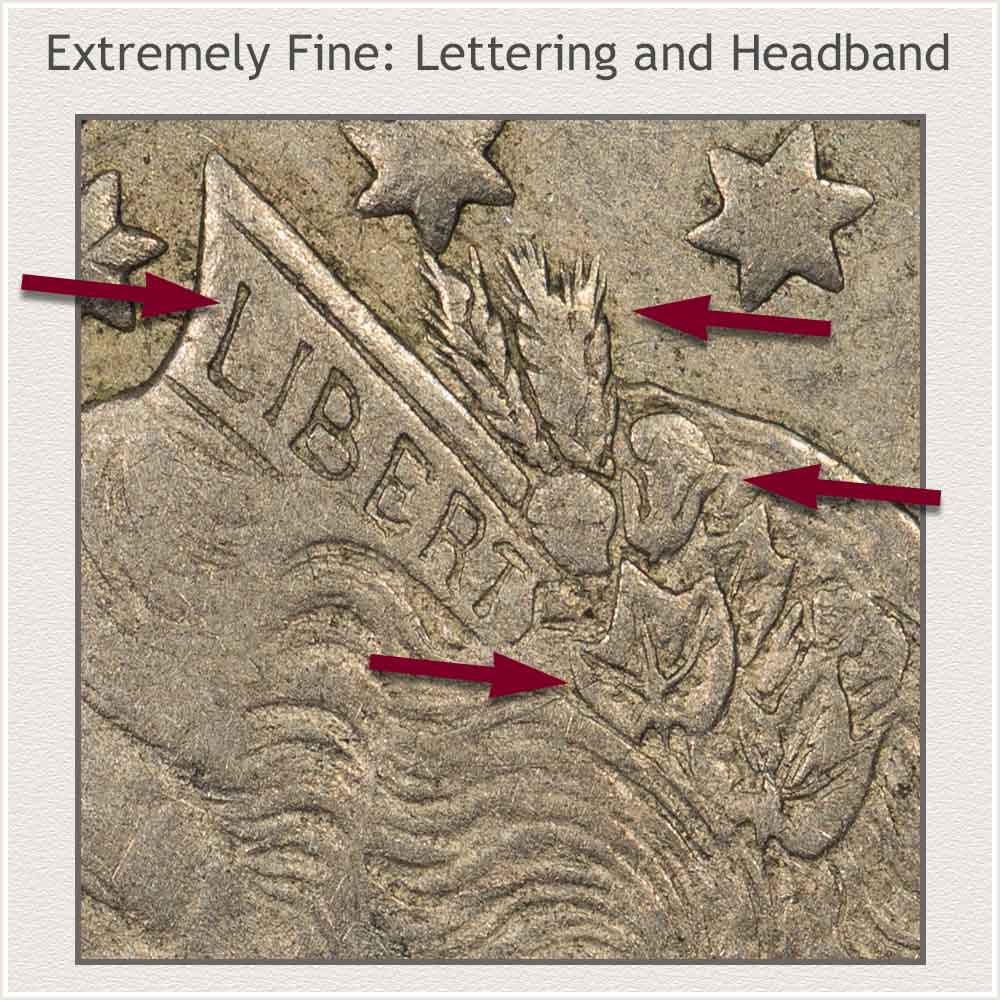 (fig. 9) Compare Clarity of Headband Lettering and Design Above
Headband and Lettering: Liberty's headband becomes an important grading feature. Notice the sharpness of the lettering of LIBERTY. With only a slight fading of the "I," this focal point remains detailed and bold. Typical of the grade, the front, top edge of the band shows the greatest wear.
Design Above the Headband: Starting above the headband, notice the ample detail of wheat and cotton designs. This area with the many small raised features shows the result of minor wear. Grains within the wheat sprays appear flattened with slight merging. Flattened and smooth metal also begins to show on the edges of leaves and cotton designs. However, a clear separation of each feature with defined lines indicates only a small amount of wear.
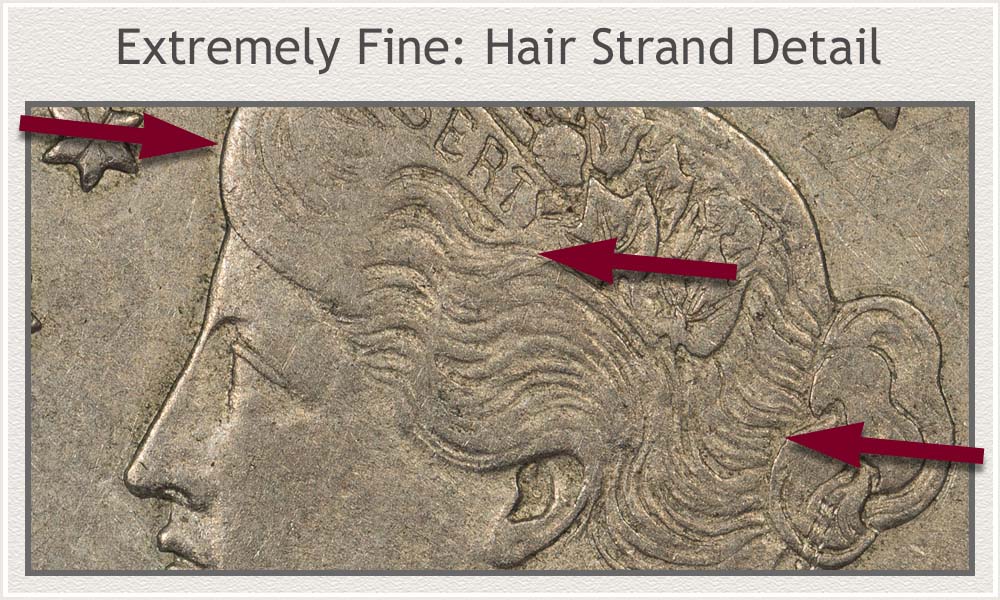 (fig. 10) Example of the Hair Detail Visible on a Liberty Nickel in Extremely Fine Grade
Hair Strand Detail: View the entire hair design. Starting at Liberty's forehead, this area shows minor wear. Above her cheek, greater detail displays individual hair strands. Looking past her ear finds many well defined strands of hair. Any areas of smooth and merging strands remain small. Importantly, visible wear does not connect between areas. The Liberty nickel (fig. 10) illustrates crisp hair detail overall and represents the Extremely Fine condition.
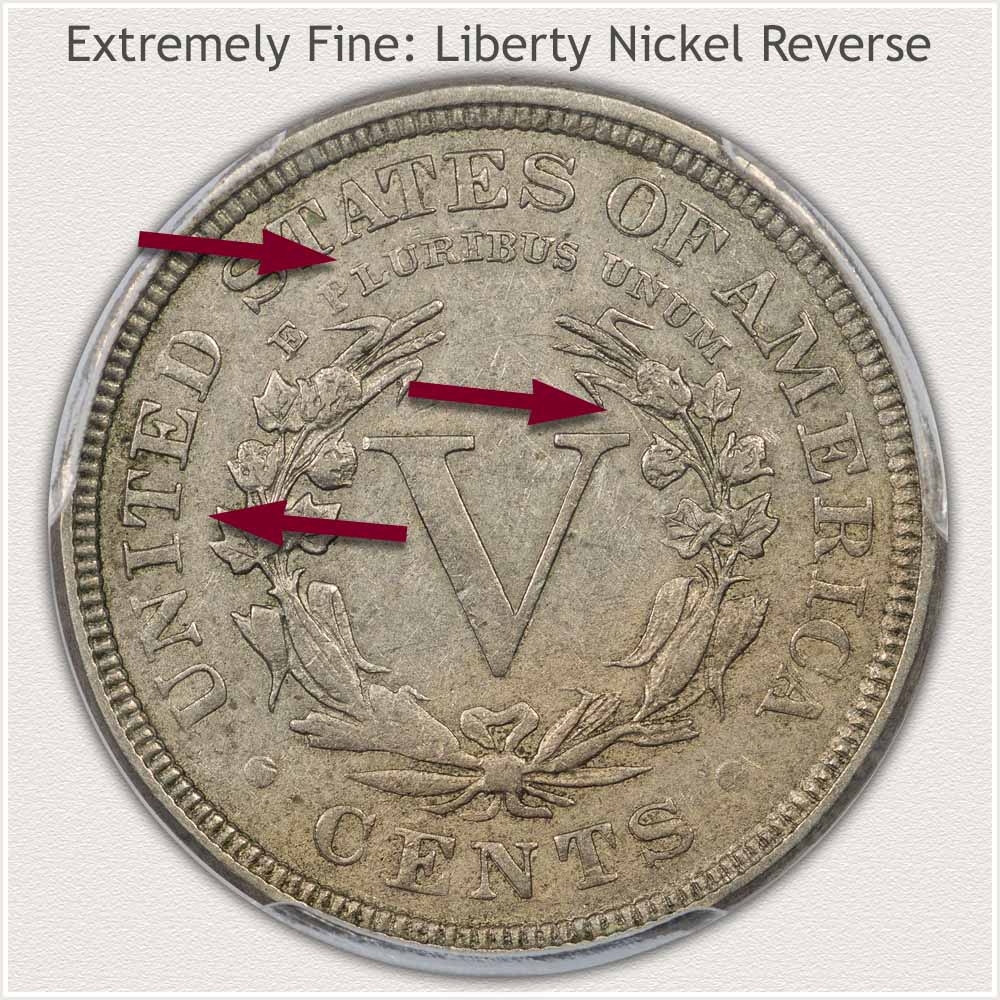 (fig. 11) Overall View of Grading Features of an Extremely Fine Grade Liberty Nickel
The reverse design, within the Extremely Fine grade, gives a nice impression with mostly full details remaining. Clear, crisp lettering and recognizable features within the wreath all show only light wear. To judge the amount of wear requires a close view of high points and delicate lines.
Legend, Motto, and Wreath Overall: An initial view of the coin's condition displays a sharp and well detailed appearance. Letters remain raised and bold above the field. Inspect the Motto E PLURIBUS UNUM, all letters show and remain readable.
 (fig.12) Inspect and Compare Condition of Corn, Leaf, and Cotton Features of an Extremely Fine Grade Liberty Nickel
Corn, Leaves, and Cotton Bolls: Within the wreath the individual features, from the bow at the bottom to wheat sprays at the top, are all defined. Ears of corn and leaves all show central design elements. Light smoothing and flattening of metal appear on upper contours and edges only.
Leaves Remain Well Detailed: Note where leaves and cotton bolls overlap lower parts of the design. Clear defining edges and lines of each leaf and boll remain, indicating a separation. Inspecting closely, flattened metal begins to cover each leaf. Importantly, the inner detail of deep recesses remains visible.
Market values of the Extremely Fine condition show there is a strong interest in higher grade Liberty nickels.
Qualities of the Fine Grade Liberty Nickel
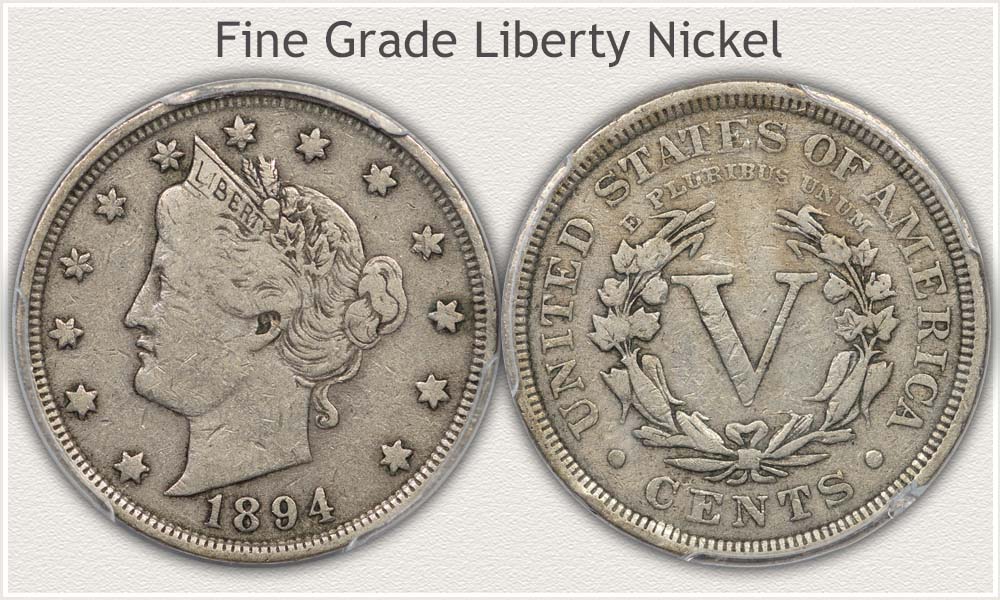 (fig. 13) Using the Illustration, Judge a Close Match to Your Coin
A Liberty nickel in Fine grade condition has a balance of fine line details alongside areas of worn, flattened metal. Moderate detail and wear best define this first impression of the coin. Illustrated in (fig. 13), strands of Liberty's hair show definition in areas and missing detail in other areas.
Look for similarities of your coin's condition within the headband. Clarity of lettering becomes important. Also, on the reverse, details within the wreath remain recognizable, such as the corn and leaves. Although design elements remain with some contours, a flatness begins to smooth many areas.
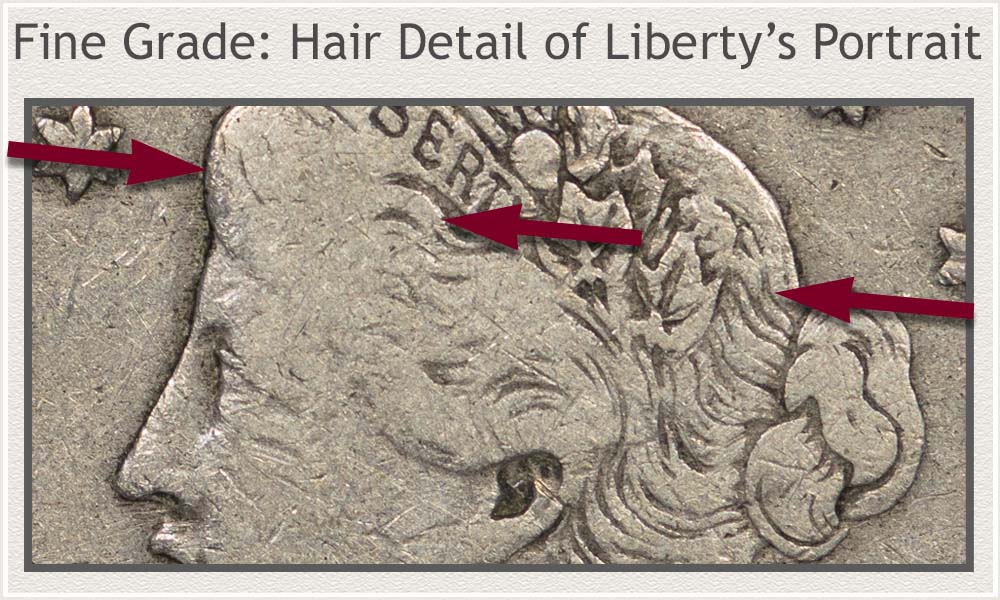 (fig. 14) Compare to the Moderate Wear Condition of a Fine Grade Liberty Nickel
The obverse shows the mixture of visible detail and wear, specifically within the many remaining strands of Liberty's hair.
Hair Detail Above Forehead: Helping judge remaining hair detail is the area at the front of Liberty's forehead. Clear hair detail and large areas of worn, smooth metal extend to over her ear. It is the large amount of wear indicating Fine condition.
Defining Half Hair Detail Amount: Hair detail remains well defined past her ear towards the bun. Large areas of clear detail and a defined hair bun help judge moderate wear.
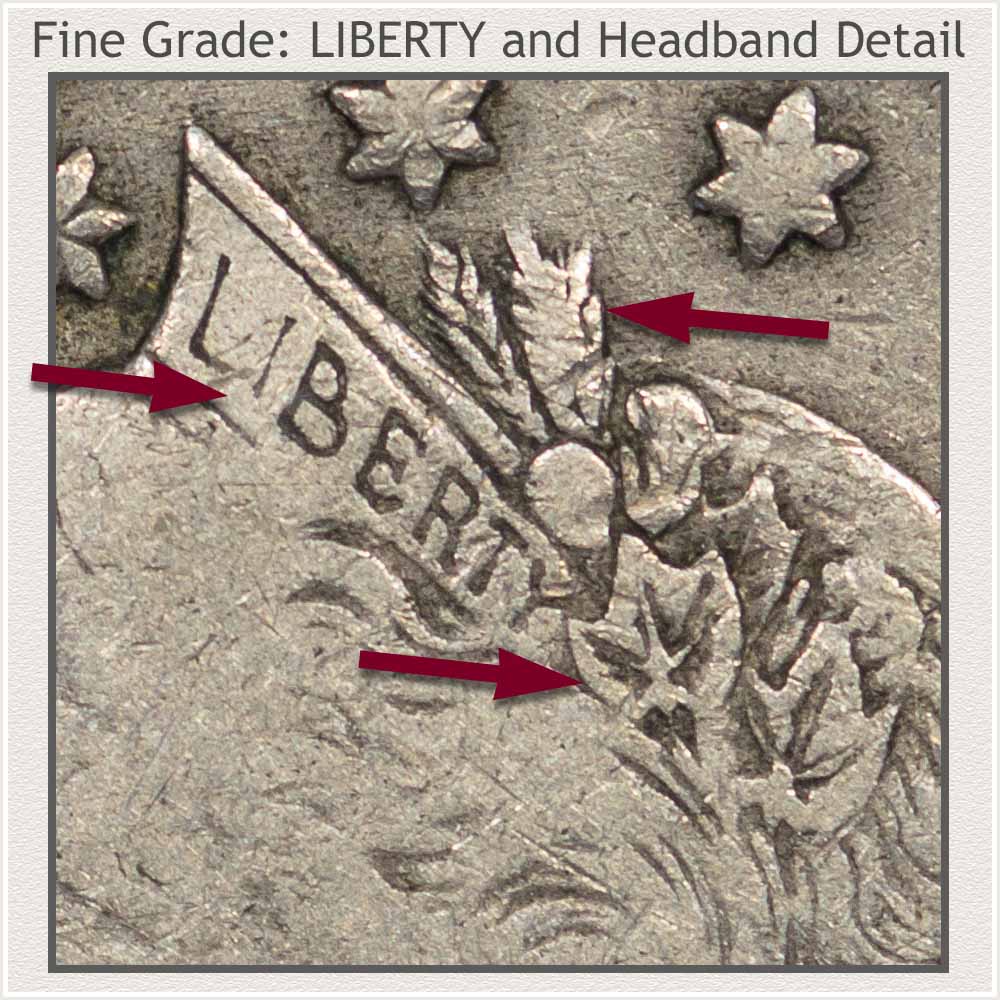 (fig. 15) Visible LIBERTY in Headband and Design Detail Above
Letters of LIBERTY: Within the headband LIBERTY remains readable. This distinct and important feature confirms the moderate amount of wear level. Because of the high relief of the letters, the "I" often varies in clarity. Acceptable within the grade range are levels of faint to bold visibility of the letter "I."
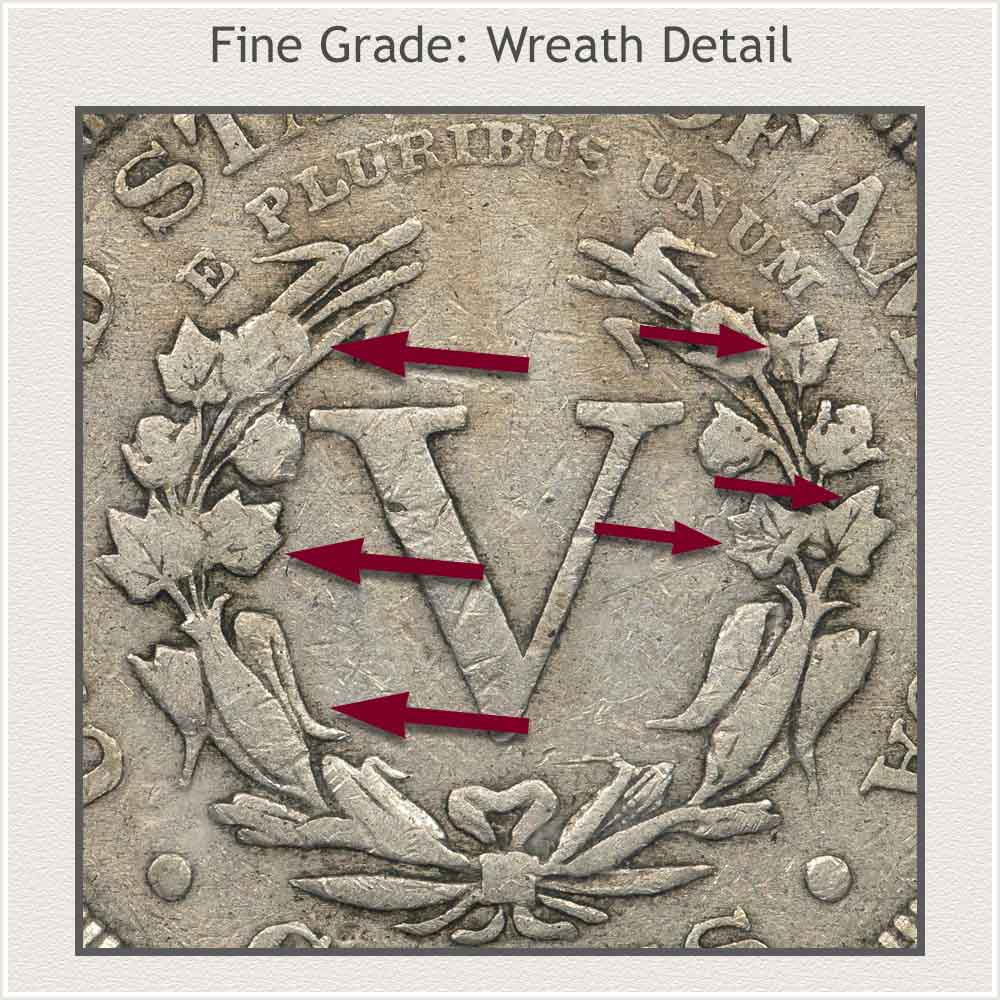 (fig. 16) Locate Wreath Details Identifying a Liberty Nickel in Fine Grade
Overall boldness of the reverse design plus details within the wreath give the Fine grade a quality appearance. These Liberty nickels remain popular with collectors. Helping to decide the grade of your coin, confirm a match to the following important requirements.
Wreath Detail Overall: Despite the flatness of worn metal, corn, leaves, and cotton bolls remain clear. Each of these designs show outlines separating them within the wreath. No major merging, only flatness of contours.
Leaf Detail Features: Notice most of the leaves still display details within their centers. These deep recessed lines represent the remains of a concave center with vein detail. Although a small feature, it becomes useful when gauging wear amounts.
Recognize a Fine grade nickel when it displays a boldness and visible amounts of small details alongside wear.
Qualities of the Good Grade Liberty Nickel
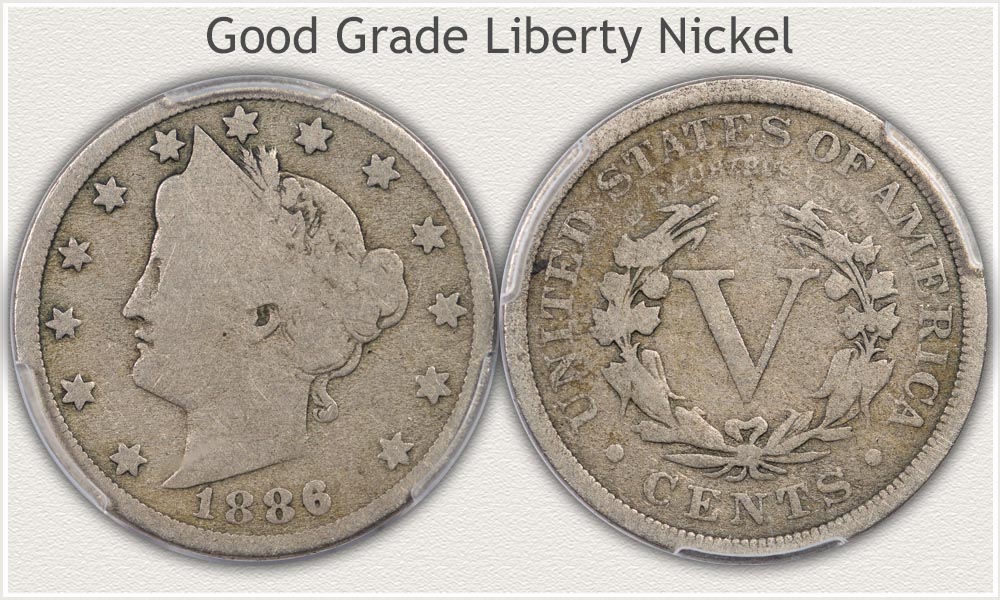 (fig. 17) Compare to the Liberty Nikel in Good Grade to Identify a Condition Range
Only a few of the smaller details remain visible on a Good condition Liberty nickel. Although the coin still appears bold and pleasing. Heavy wear, the general description of appearance, has flattened the surface. Originally a detailed portrait of Liberty and a wreath on the reverse, now display only as strong outlines.
Completeness of each major feature becomes the noticeable quality of these coins. When comparing your coin, the presence of strong, raised outlines help decide its condition.
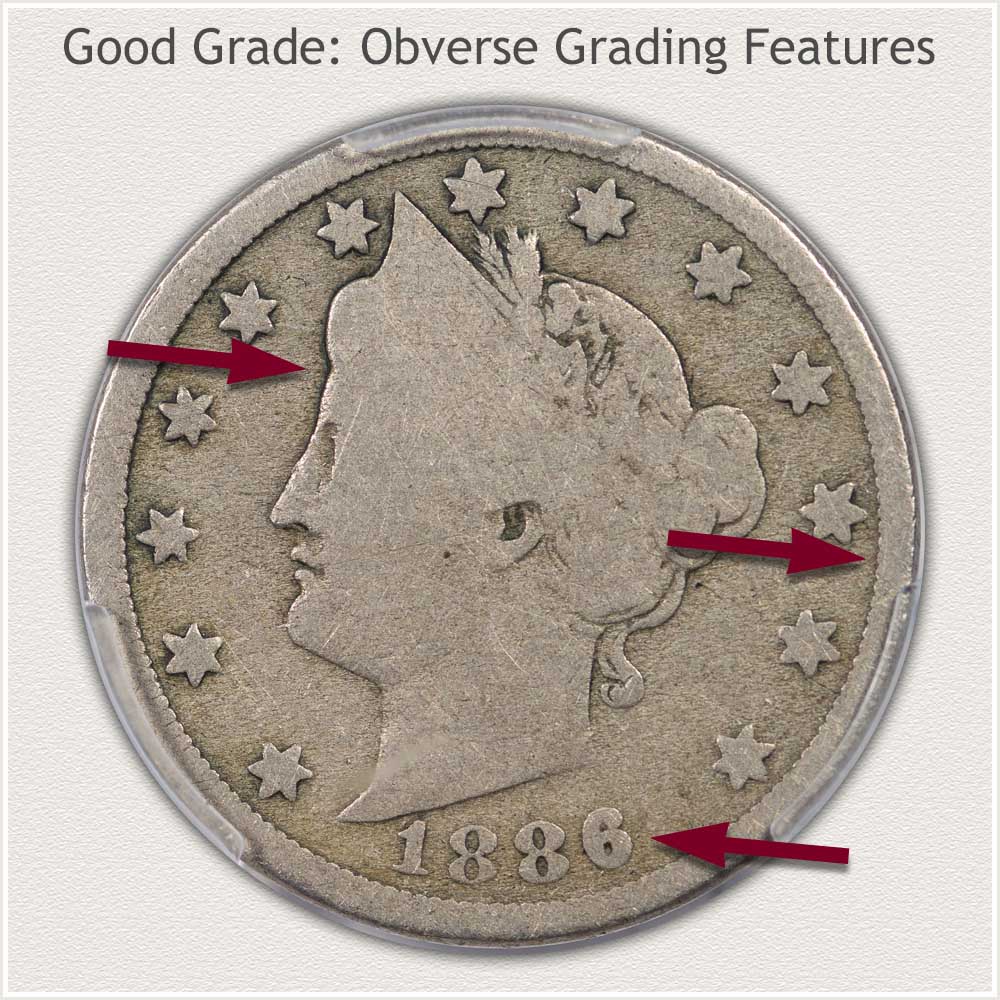 (fig. 18) Match the Condition of the Good Grade Condition Features on a Liberty Nickel
An obverse view of these well-worn Liberty nickels displays a bold but smooth design. Liberty's portrait, the surrounding stars, and its date fill the area inside a strong rim. A few important requirements describe the condition and grade. Inspect and confirm these necessary details remain visible.
Liberty's Portrait: A full outline of her portrait shows clearly. In (fig. 18), note the raised and contoured edges of Liberty's portrait meeting the field.
The Full Rim: A visible inner edge remains on the rim along its entirety. This line can show some weakness but remains complete.
The Full Date: A readable date becomes an important consideration for a collector. Good grade quality Liberty nickels display a full, readable date.
Of Note: On some nickels the stars have a faded look, the result of an uneven strike. A star slightly fading into the field remains within the grade range.
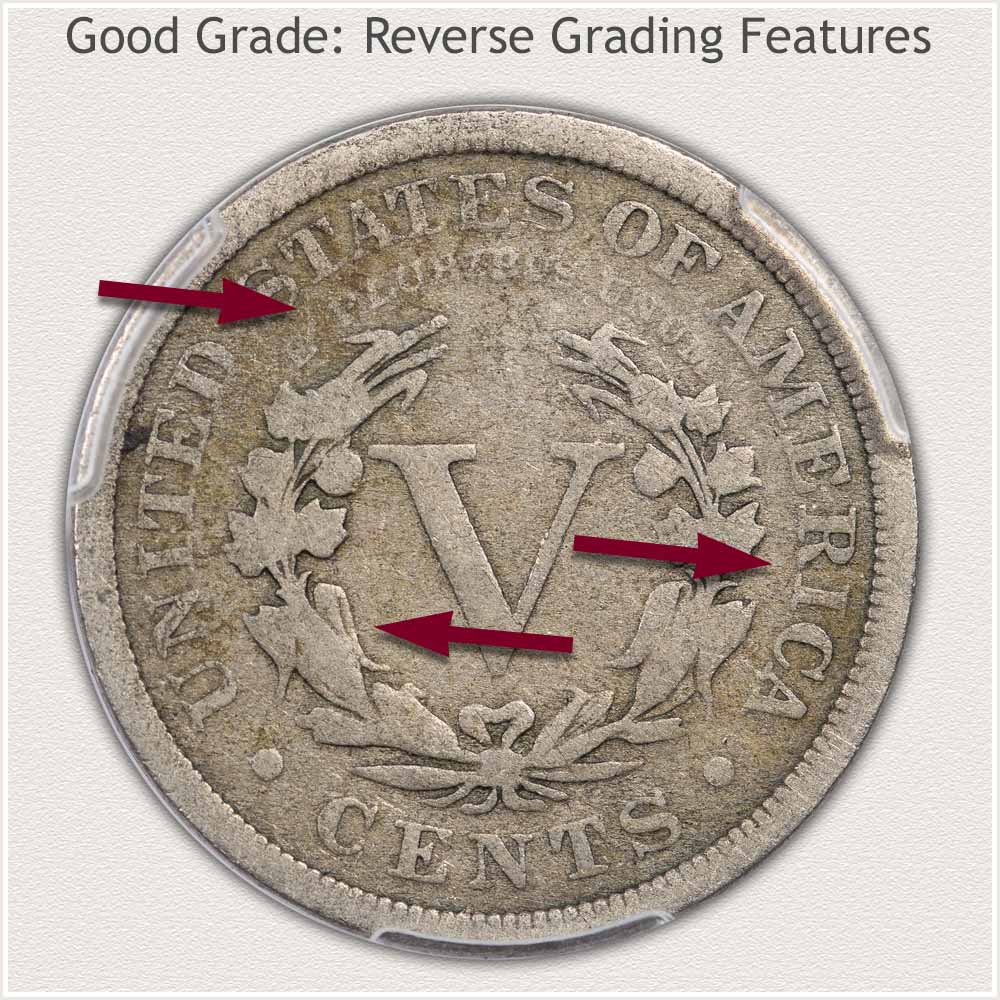 (fig. 19) Compare to the Highlighted Features of Liberty Nickel in Good Grade
Often the reverse of these nickels in Good grade seems slightly faded. When worn, the many details along the rim and central wreath begin to appear merging and blending. A certain level of detail contributes to keep these coins within the Good condition range.
Lettering of the Legend: Following the inner edge of the rim, most of the letters display completely. Note that some letters fade into the field or rim. When most letters remain readable, their condition meets grade level.
Wreath Completely Outlined: Inspect both the inner sides and outer sides the wreath. Confirm these edges form a mostly complete outline of the wreath. With only small areas slightly faded, the coin is within Good grade condition.
A Readable Motto: Just above the wreath, the motto E PLURIBUS UNUM displays. When a Liberty nickel becomes heavily worn, many letters become faded, with some missing. Clarity of the motto often varies due to a soft strike of its design. When some of the letters remain readable, this qualifies for the Good grade.
Eye Appeal Feature: Many times, coins in this heavy wear condition rely on the coin's eye appeal to attract collectors. Their interest in a quality example for the grade supports solid values. Absence of visible marks, discoloration, and uneven wear, adds to the appeal of all old Liberty nickels.
Additional Guides to Grading Liberty Nickels
The How to Grade Liberty Nickels Video adds to the comparative method of deciding on the condition of these nickels.
Matching to professionally graded examples highlights the condition of different grades.
A Visual Grading Metrics Approach
Continue the evaluation of your Liberty nickel using a Visual Grading Metrics method. This uses an in-depth approach to judging the condition of these coins. Visual measurements of key features, comparing to images and standards, inspects the necessary quality per grade. Condition of various elements are Rated per metrics, then Scored, placing a coin's condition into a grade range.
Visual Grading Metrics: Liberty Nickel Good Grade
Visual Grading Metrics: Liberty Nickel Fine Grade
Visual Grading Metrics: Liberty Nickel Extremely Fine Grade
Visual Grading Metrics: Liberty Nickel Mint State Grade
References
Finance U.S. Senate. Coinage Laws United States 1792 to 1894
https://archive.org/details/coinagelawsofuni1894comm/page/828/mode/2up
U.S. Mint. Catalogue of Coins of the United States
https://nnp.wustl.edu/library/book/554591
Coin Values | CoinStudy Articles
How to Grade Old Nickels | Visual Guides to the Different Nickels Series
Grading guides of the U.S. nickel design series. Each nickel series and design has its specific requirements for each grade. A defined grading process visually inspects areas compared to grade levels. The different grades become clear with images and descriptions highlighting key points deciding the coin's grade.
How to Grade Old Coins || In Depth Visual Guides
A complete listing index of the different How to Grade Old Coins series. Grading these coins using the many images illustrating close-up condition details. Descriptions further detail the subtle points to consider. Videos of the different series continues the grading process, helping place an accurate grade on your coin.
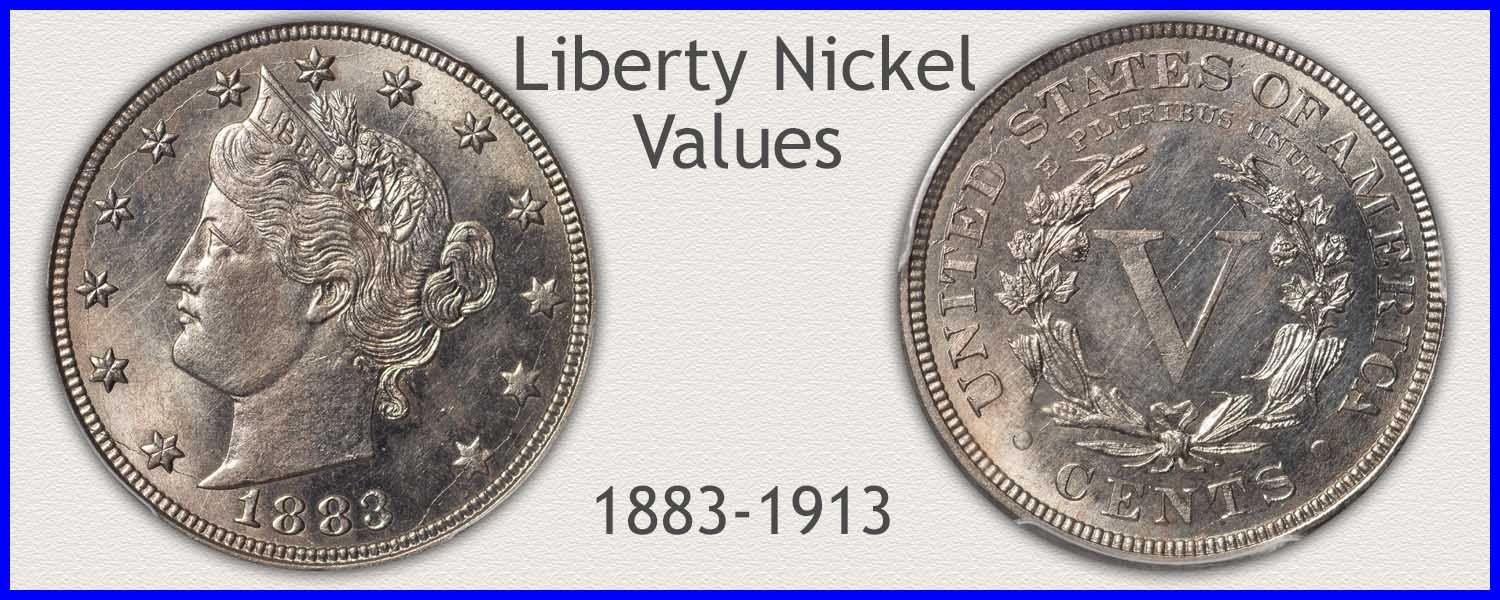
The Value of V Nickels | Common to Very Rare
Because of their scarcity and popularity with collectors, values of the Liberty V Nickel span a wide range. When finished with the important step of grading condition, determine their value.
★Coin Values Discovery pulls together... How to Grade Liberty Nickels and...
Visit the index of the many different series and discover the value of all your old coins.