Coin Values Moving with Precious Metals: Up-Dated 10/5/2026: Gold $4131 | Silver $60.80
1913 Nickel Value by Type, Mintmark, and Condition
To determine 1913 nickel value start by checking three details often overlooked. Specifically, a hard to read date, the exact reverse type, and a small mintmark near the rim. These small features identify the exact variety and potential premium coin.
Once confirming these markers, judge the condition of your coin in the next step. With this accurate description, view its listing on the value chart.
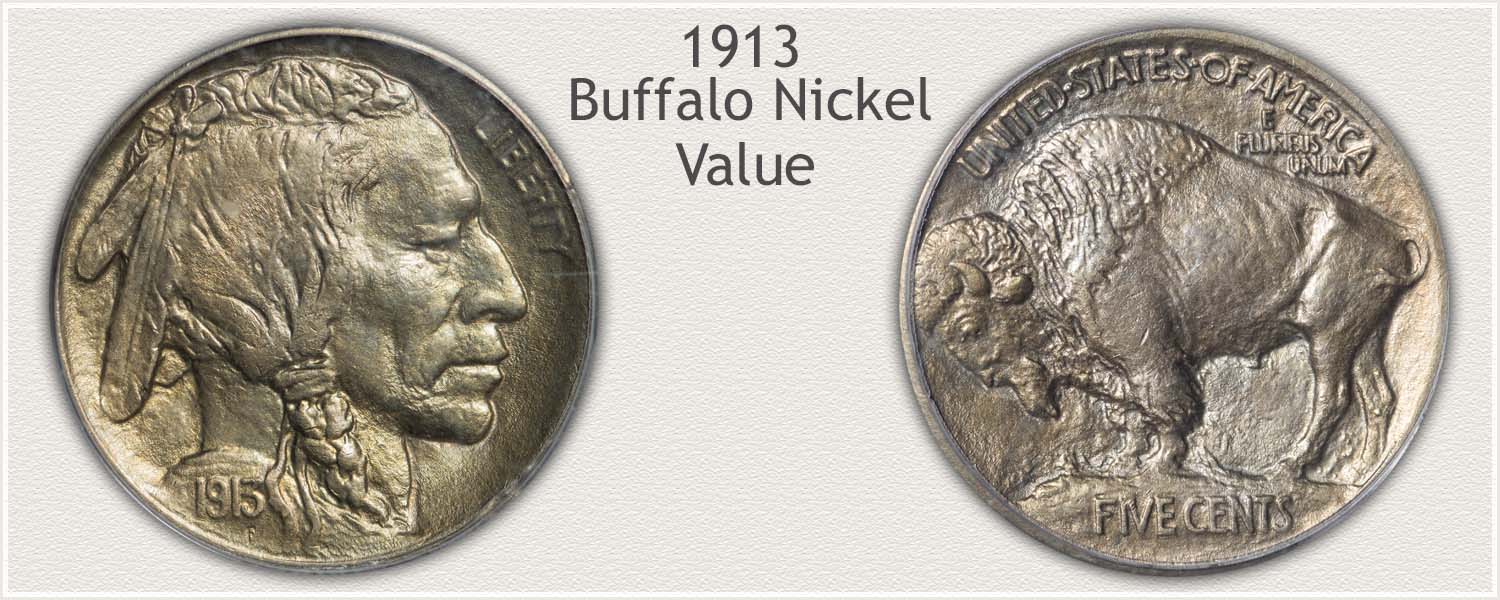 (fig. 1) The 1913 Buffalo Nickel Starts the New Design Series
Now a popular coin with collectors. This year became unique within the series, represented by six different variations of the coin.
Steps Leading to Value:
- Step 1: Date | Design Variety | and Mint Identified: Confirming the date and variety finishes with identifying the mint striking the nickel.
- Step 2: Grading Condition: Judging and comparing with images of different stages of condition determines a grade range.
- Step 3: Special Qualities: Unique varieties and historical importance raise the appeal of this first year of the Buffalo nickel.
| 1913 Nickel Value | ||||
|---|---|---|---|---|
| Condition of Coin | ||||
| Date | Good | Fine | Extremely Fine |
Mint State |
| 1913 Nickel Value Updated | 2026 | |||
| Type I: Raised Ground | ||||
| 1913 | $7.80 | $11 | $20 | $34 |
| 1913 D | $13 | $20 | $33 | $72 |
| 1913 S | $30 | $40 | $72 | $619 |
| Type II: Five Cents Recessed | ||||
| 1913 | $8 | $13 | $18 | $38 |
| 1913 D | $89 | $114 | $152 | $364 |
| 1913 S | $132 | $216 | $356 | $618 |
Refer to the chart as a range of wholesale values. Importantly, subtle qualities influence values within each grade category.
Step 1: | Recognizing Date | Variety | Mint Issue of 1913 Buffalo Nickels
Date: Techniques Used to Identify
This initial step confirms the 1913 date on these nickels.
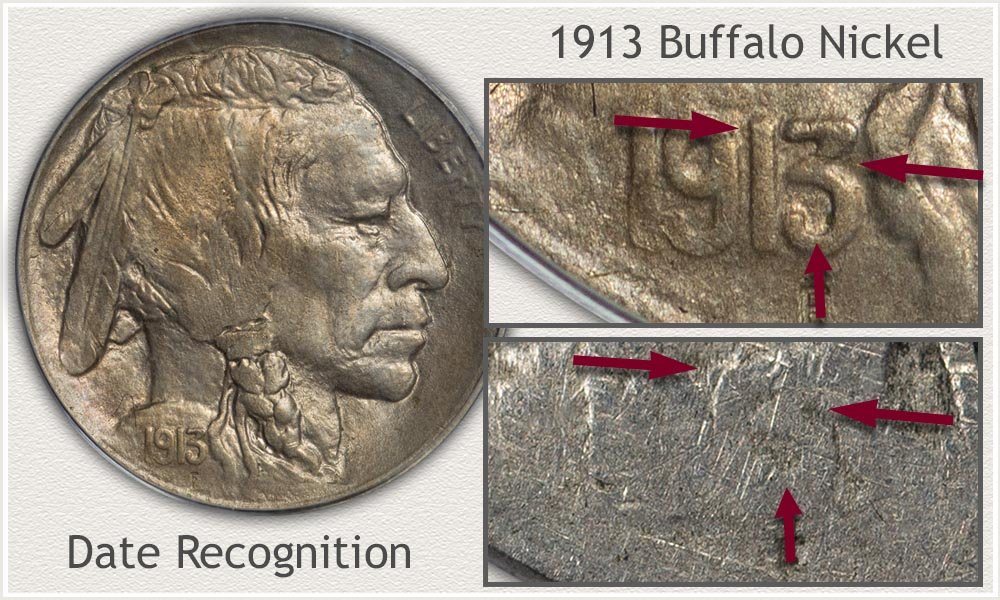 (fig. 2) Specific Markers Identify the 1913 Date Buffalo Nickel
Located at the lower edge of the Indian's shoulder, the date often varies in clarity depending on the condition of the coin. Use a single light, at various angles, to cast a strong shadow across the date. Also, hold the coin at a low angle and further strengthen the contrast.
All Buffalo nickels were minted in the 1900s. Recognizing the last two digits determines the date. Notice the faded date example (lower close-up) has key identity markers when compared to the bold date example. Use the small rounded top portion to recognize the "1." The "3" shows a faint opening on the left along with the "3" backside indentations. The lower loop of the "3" is just slightly defined.
Type 1 and Type 2 Design Varieties Identified
The second important consideration becomes confirming the design variety of the 1913 nickel. Two different reverse designs are part of this first year of the series.
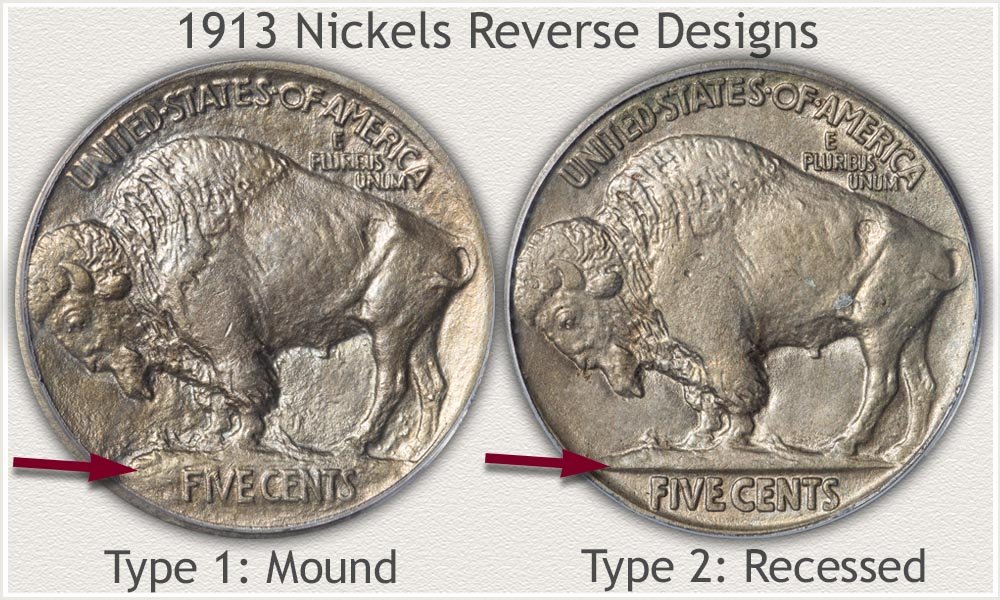 (fig. 3) Features Defining the Two Reverse Designs of 1913 Buffalo Nickels
The first variety of the nickel features a Bison standing over "FIVE CENTS" the denomination. This becomes known as the Type 1 Nickel. The mint indicated concern the raised lettering would wear quickly and leave the coin without the denomination. The mint addressed this concern within the year, and created a new reverse design.
A Type 2 Design 1913 nickel features the Bison over a recessed "FIVE CENTS." The greatest visual difference places a crisp line above the lettering. This removed the lower area of the mound. Raised lettering of the denomination now sits lower in a recess and less prone to wear and fading.
The chart lists each design variety and reflects their different scarcity levels.
Mints and Mintmarks | Type 1
After confirming the variety, collectors and the coin market focus on the mint issuing the Buffalo nickel. Three mints produced Type 1 Buffalo nickels dated 1913. Each recognized and valued separately.
Branch mints of the U.S. placed "mintmarks" on coinage to identify their production. Three mints operated in 1913, and all struck these new Buffalo nickels. San Francisco, a branch mint, used the "S" mark. Denver, also a branch mint, a "D" mark identifies their coinage. Philadelphia, the main mint, did not use mintmarks at the time.
Locate these small letters along the lower rim. Just under the letters "E" and "C" of FIVE CENTS. A "S" or "D" of the branch mints was placed here. Notability, the absence of a mintmark identifies a Philadelphia mint 1913 Buffalo nickel.
1913-S | Type 1 Buffalo Nickel
."S" Mintmark on Reverse: San Francisco Mint Struck the Coin
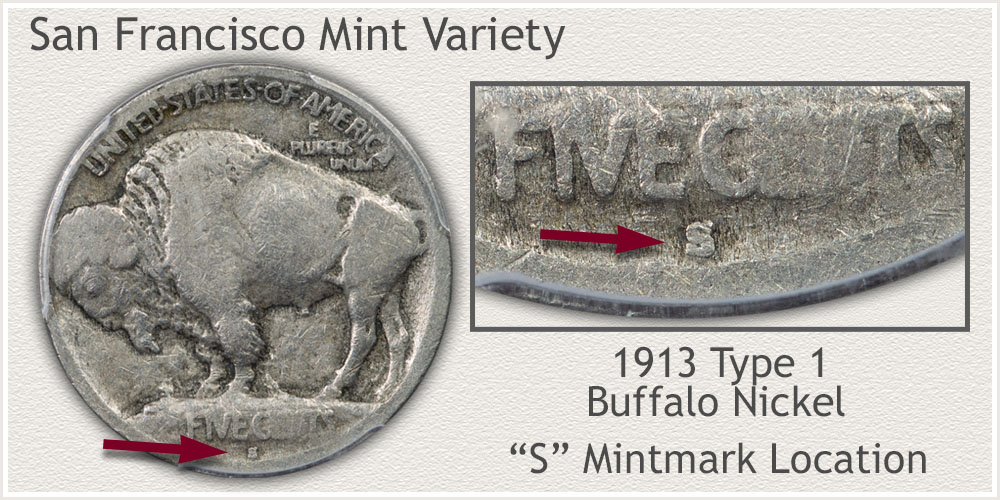 (fig. 4) Location of the S Mintmark on a 1913 Type 1 Buffalo Nickel
Within the Type 1 group of 1913 nickels, San Francisco issues become the leader in collector value. Today these Type 1 nickels enjoy a strong, popular demand. Their original 2.1 million mintage also indicates to collectors a scarce coin. A small "S" mintmark at the lower edge identifies a now important coin of the Buffalo Nickel series.
1913-D | Type 1 Buffalo Nickel
."D" Mintmark on Reverse: Denver Mint Struck the Coin
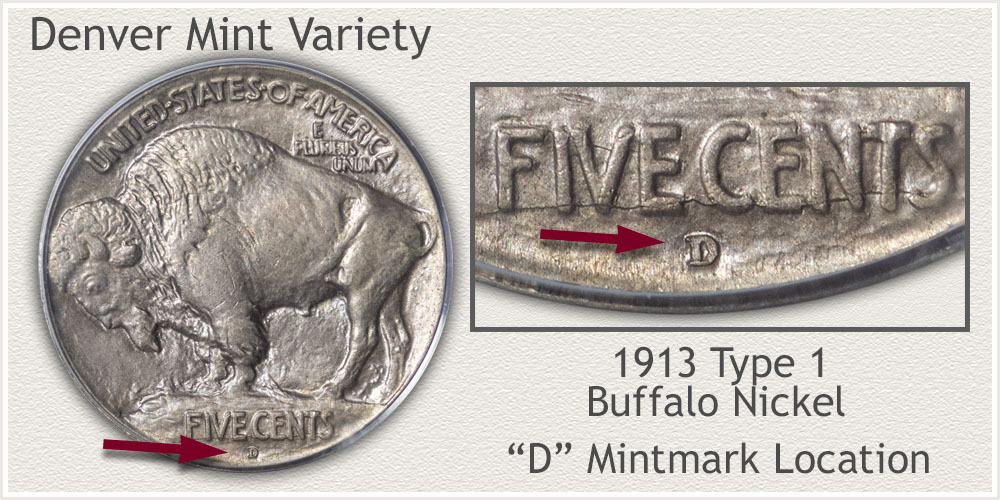 (fig. 5) Location of the D Mintmark on a 1913 Type 1 Buffalo Nickel
Compared to many dates and mints, Type 1 Denver 1913 nickels tend towards the scarce end of the rarity scale. Denver used its own unique "D" mintmark, indicating the nickels it struck. Of those available now, most are in moderately worn or worse condition. Its initial mintage amount of 5,337,000 represents the remaining worn examples.
As an example of the first year of the series, demand keeps the value listing on charts high. A nicely detailed coin fits well into many collections. For accuracy, double check to confirm the mintmark and date.
1913 | Type 1 Buffalo Nickel
."No" Mintmark on Reverse: Philadelphia Mint Struck the Coin
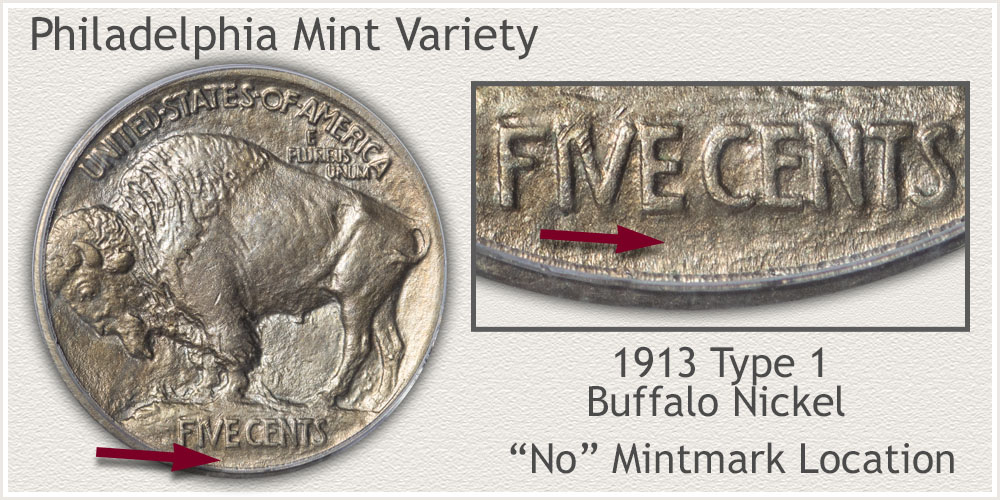 (fig. 6) Location of the Absence of a Mintmark on a 1913 Type 1 Buffalo Nickel
Confirming "No" mintmark on the reverse identifies the Philadelphi issue 1913 Type 1 Buffalo nickel. Of importance to the coin market, this coin started the Buffalo Nickel series. Significantly, a Type 1 nickel was only minted in the first part of the year before a design change.
Philadelphia is the main U.S. mint and typically strikes most of a year's coinage. Mint records show 30.9 million were produced. This large mintage, over 30 million, places the coin within the Abundant ranking scale. As many were saved, representing a new design, these are available today at an affordable premium.
1913 represents the first year of issue, and the Type 1 a one year only design, results in a continuous demand from the coin hobby. An important coin to verify and record accurately. Of note, this particular coin requires judging its condition closely. Although abundant in the market, most show average to low end quality.
1913-S | Type 2 Buffalo Nickel
."S" Mintmark on Reverse: San Francisco Mint Struck the Coin
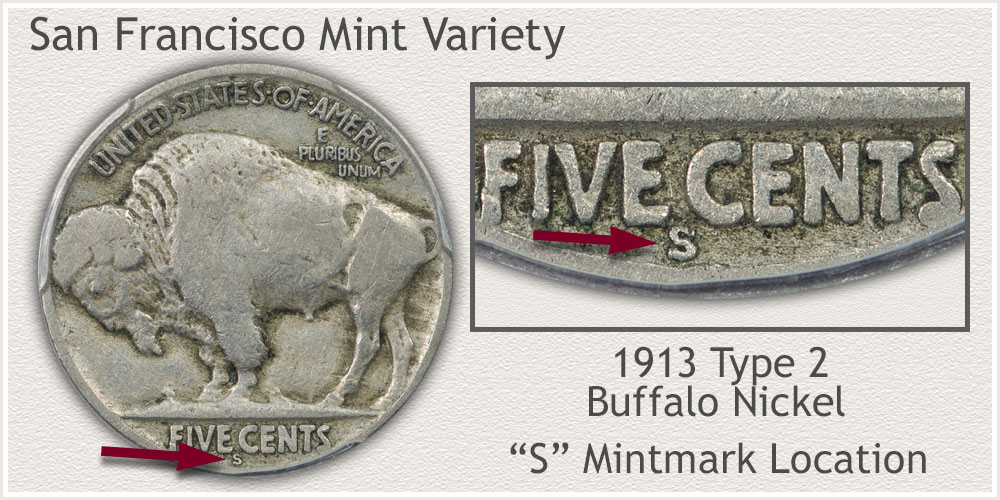 (fig. 7) S Mintmark Location on a 1913 Type 2 Buffalo Nickel
Adding to the issues of 1913 nickels, a Type 2 design began in mid-year. A change in the mound area under the Bison recessed the coin's denomination. A distinct change and a new reverse variety became part of a complete collection of Buffalo nickels.
The location of the identifying mintmark remains the same. Inspect just below the E and C of FIVE CENTS. San Francisco coins display the "S" mintmark in this location near the lower rim.
With only part of the year left to produce nickels, San Francisco's mintage number totaled only 1,209,000 pieces. By the end of the series in 1938, this mintage became very small in comparison to the rest of the years and issues. Ranking third lowest in the series.
1913 "S" mint, Type 2 nickels, today are among the leaders in Buffalo nickel value. Even in well-worn condition, the value chart indicates a strong demand.
1913-D | Type 2 Buffalo Nickel
"D" Mintmark on Reverse: The Denver Mint Struck the Coin
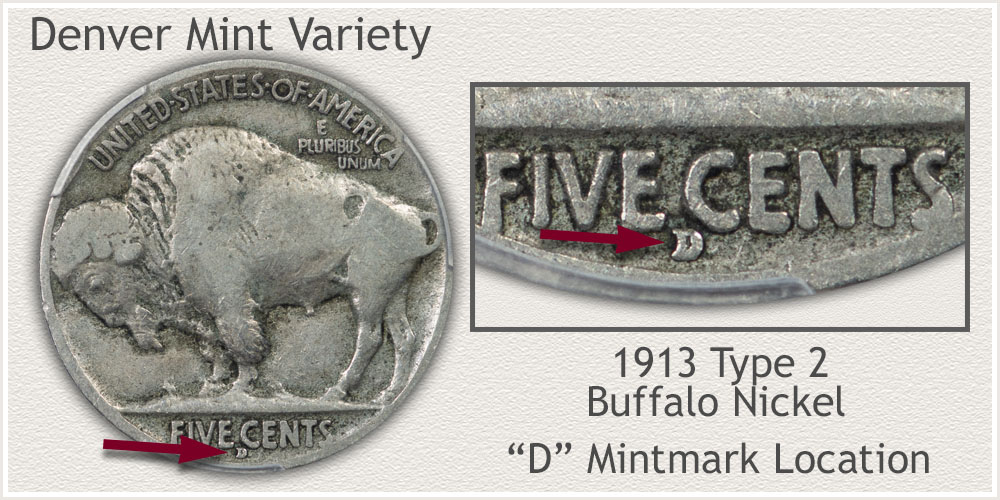 (fig. 8) D Mintmark Location on a 1913 Type 2 Buffalo Nickel
Also contributing to the Type 2 production of 1913 nickels, Denver placed 4.1 million nickels into circulation. A modest amount of coinage that has become a premium value coin. Locate this scarce "D" mintmark along the lower edge. Also, verifying the coin is a Type 2 nickel identifies an important U.S. coin.
Scarce describes the rarity of this issue. As an older coin with low numbers minted, few remain for today's collectors. A coin worth a significant premium within the entire condition range.
1913 | Type 2 Buffalo Nickel
."No" Mintmark on Reverse: Philadelphia Mint Struck the Coin
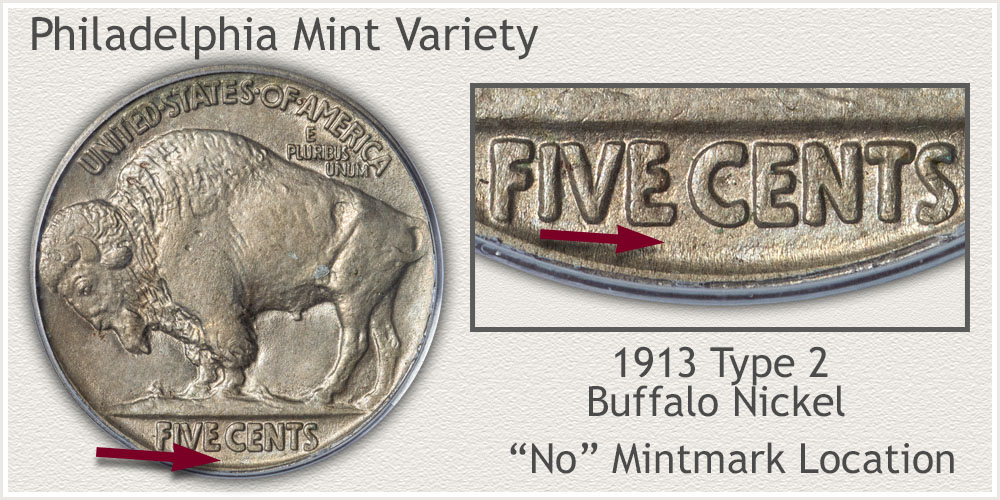 (fig. 9) "No" Mintmark Location to Confirm the Philadelphia Issue 1913 Type 2 Buffalo Nickel
The Philadelphia mint resumed production of nickels later in 1913, striking the new reverse design. By year's end, the mint produced 29.5 million Type 2 1913 nickels.
A high mintage, close to 30 million coins, provides collectors with an affordable coin representing this important beginning of the Buffalo nickel series. All 1913 nickel varieties appeal to all levels of collectors. The strong premiums on the chart reflect this wide span of interest.
Step 2: | Grading Condition Separates High from Low Quality
Condition of the Coin When Compared to Images Narrows 1913 Nickel Value
Judging the coin's condition completes an important Step 2 of the value process. Within the hobby and coin market, special attention determines how much detail remains of the original design. Wear and abrasions over time reduce visible detail, and this becomes recognized and "graded" into a category. Grade terms, for example, Extremely Fine Grade, define the coin's condition.
Buffalo nickels have specific areas used to judge remaining detail. Images illustrate these areas and the levels of wear. Descriptions further define the qualities needed per grade.
Starting with a Mint State coin, all details remain without any wear removing metal from high points. As you evaluate the coin, use a single light source plus magnification. This helps highlight features that determine condition and grade.
Mint State Grade
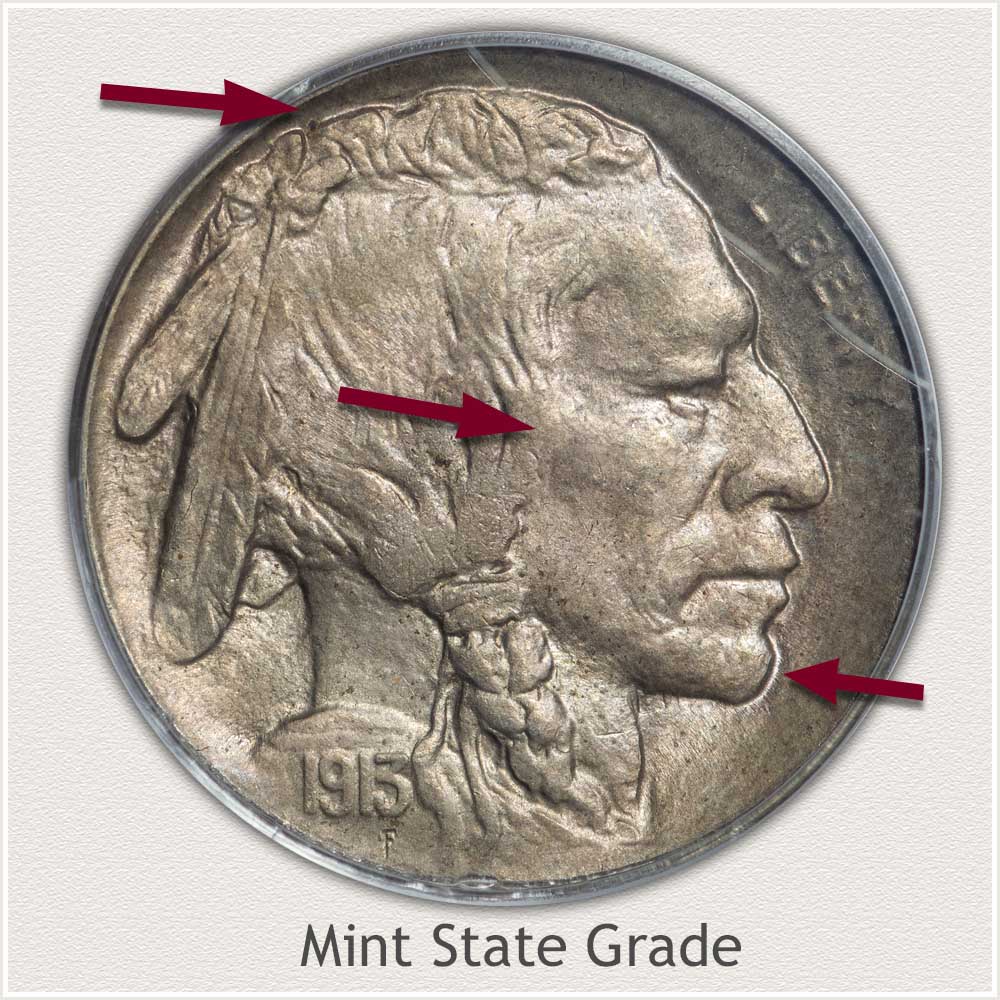 (fig. 10) Key Features Highlighted When Grading a Mint State Buffalo Nickel
Collectors highly value the Mint State condition. Defined as No Wear on the surface, Mint State represents a Buffalo nickel in top quality. An examination of key, high points on the design determines if a coin's surface meets this strict standard of "no wear."
A prominent area, the cheek below the eye, represents an area prone to first signs of wear. Notice on the example, this cheek area extends near the Indian's eye and meets with the hair line. A consistent texture of the metal along high areas matches lower relief areas. This important similarity of matching texture indicates no wear. When this surface becomes worn, a smoothness replaces the original texture. Also, the vibrancy of the metal, as seen on the example, becomes a duller sheen when worn.
Next, the chin below his mouth is a grading feature. The chin shows a raised contour tapering to lower areas; both towards the mouth and the field below the chin. No evidence of flattened metal indicates a lack of wear. A close match of surface quality is seen on high and low points within the chin area.
Move the inspection to the top of his head, near the bow tying the feathers. This smaller area of hair detail shows many fine grading high points. Hair features, separated by deep recesses, are all without signs of flattened metal. Similar texture on the surface helps confirm the no wear standard.
The strong Indian portrait with bold facial features in Mint State condition attracts many collectors. History shines through with this coin series.
Extremely Fine Grade
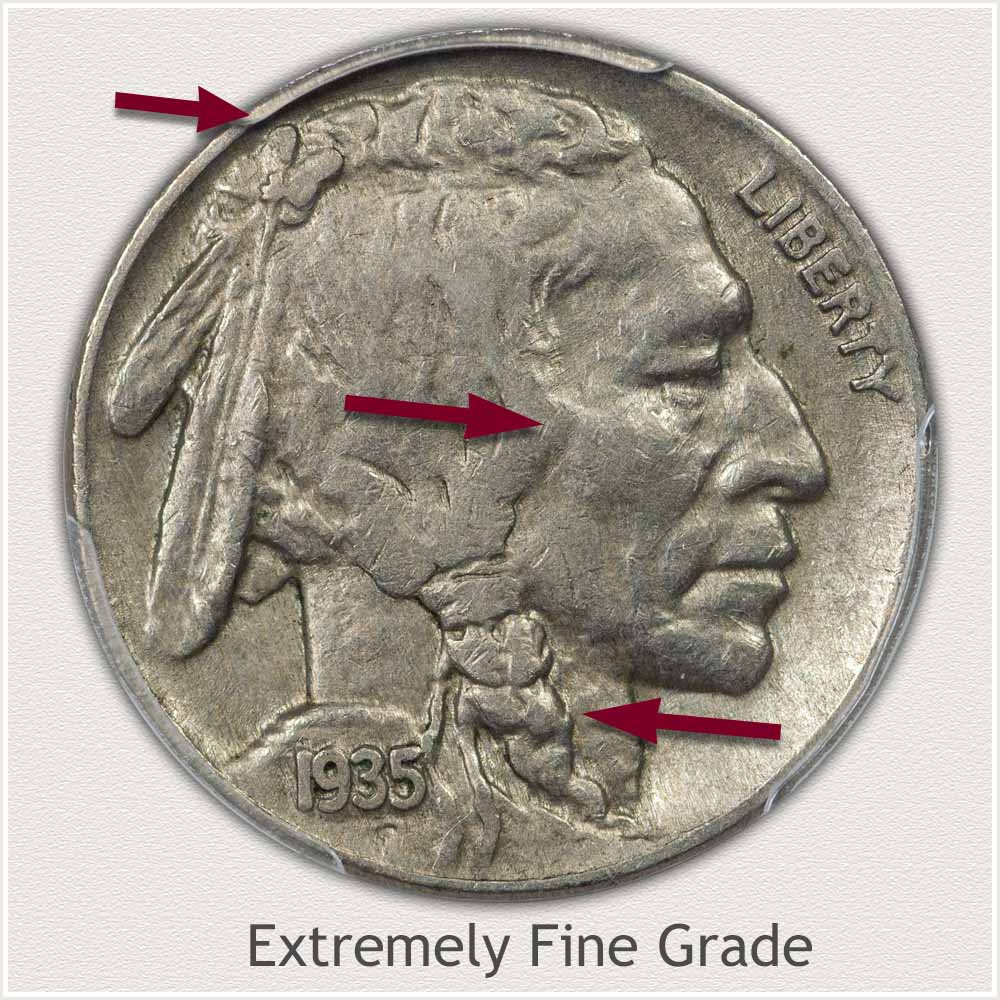 (fig. 11) Features of an Extremely Fine Grade Buffalo Nickel
A noticeably sharp looking coin, Buffalo nickels in Extremely Fine condition display only light wear. To satisfy the grade standard, wear just slightly flattens high points of the design. How to judge the amount of wear follows a comparison method. The illustrated coin is a professionally graded Extremely Fine Buffalo nickel. When matching closely to the condition of your coin, begins to identify this quality condition.
A close examination of the hair at the top of the Indian's head starts to identify its condition. A detailed area begins at the tie holding the feathers. Near the feathers, the bow remains visible, and hair detail shows both high contours and low recesses. Wear only appears as small flat spots on high points. Most detail is crisp, from the feathers to forehead.
Next, the cheek below the eye begins to show slight smoothness on the metal surface. Notice the flattened area on its highest point, near the hairline. When this flatness is just part of the cheek, it becomes an indication of the grade.
Helping add detail to the design, the braid sections near his chin all have a distinct raised profile. A few top contours show small flat areas, indicating only a slight amount of wear. These Buffalo nickels in Extremely Fine grade project crisp lines and deeply defined contours.
Fine Grade
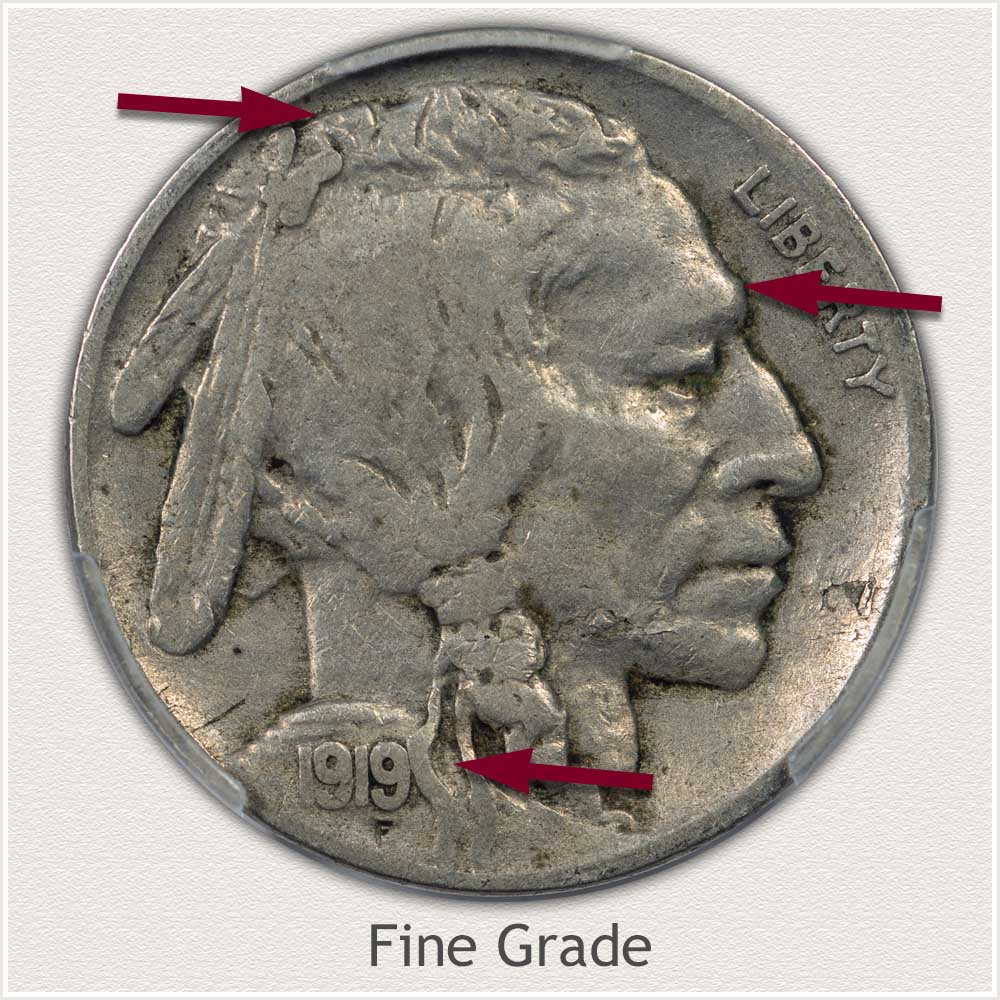 (fig. 12) Visual Features Used to Identify a Fine Grade Buffalo Nickel
Begin to recognize and grade the amount of wear on Buffalo nickels by your first, overall impression. Viewing the example, many areas remain with fine and well-defined details. Hair along the top of the head and date remain nicely defined.
Considering wear, flattened areas appear somewhat large on a coin in Fine grade. Faded detail around the date and within the center of the coin show evidence of moderate wear. A balance of fine detail offset by areas of noticeable wear defines the moderate wear, Fine grade, category.
Starting at the top of the head, hair detail along the area above the parting of hair shows many remaining contours and recesses. Hair detail below the part appears much smoother with few hair strands and deep recesses. A combination of small details and smooth areas indicates the moderate wear level.
The Indian's portrait now shows a few smooth and visibly flat features. Notice and compare your coin to the image. Once raised areas of the cheek and eyebrow show clear, visible wear. Flat tops to the contours indicate moderate wear. Importantly, in Fine grade flattened areas of facial features do not connect into a large surface.
With a strong date, easily determined, this early year coin fits into many collections of Buffalo nickels.
Good Grade
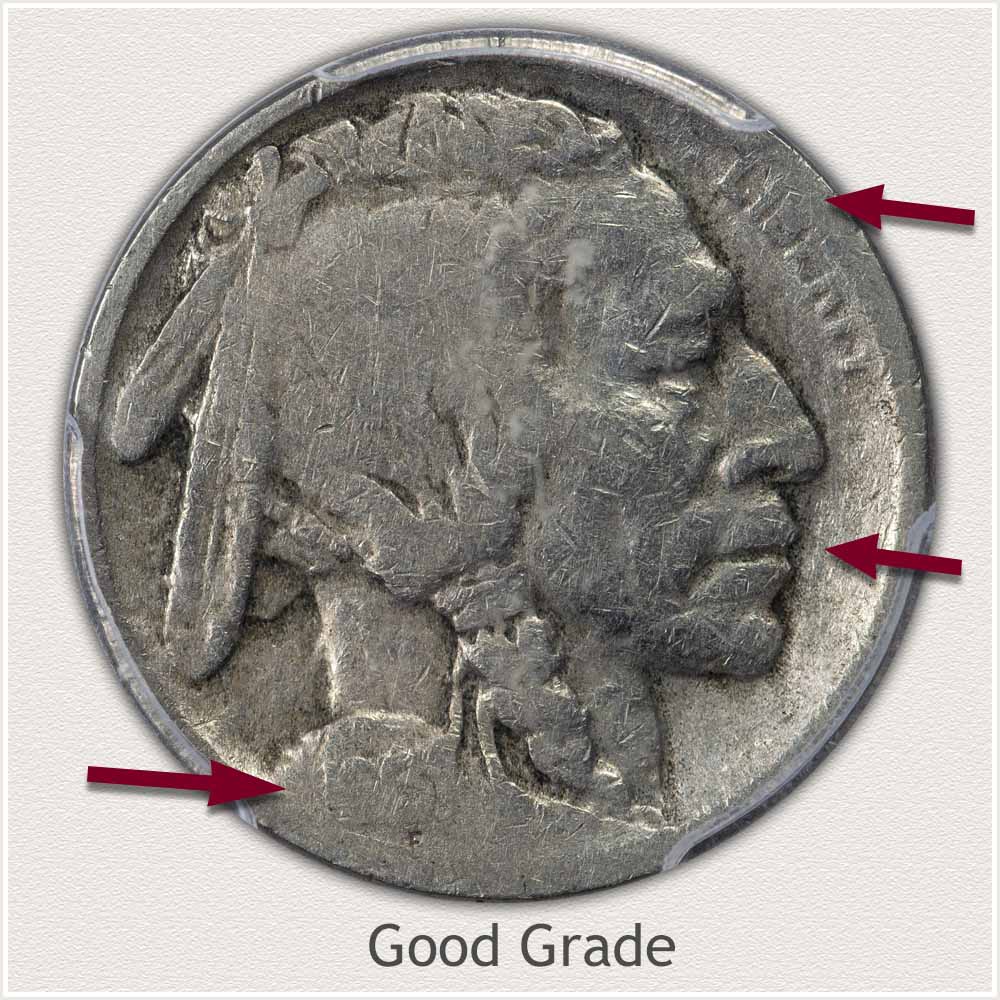 (fig. 13) Determine a Close Match of the Grading Features on a Good Grade Buffalo Nickel
Although a Good grade Buffalo nickel shows many smooth areas lacking detail, a few strong features remain. It is the quality and visibility of the key elements deciding on the grade. Heavy wear describes the overall appearance; clear details indicate the condition range.
The first and most important visible quality is found in the date area. To attract a collectible value, a readable date remains on these coins. Notice in the illustration, a "faded" but discernible date identifies the coin. This condition meets grade level.
A strong portrait stands out as a quality feature. Completely outlined is a strict requirement at this quality level. Fading into the rim is found only in the lower date area.
Quality of the lettering of LIBERTY represents heavy wear but remains readable. Just in front of the portrait, the rim begins to fade and connect with the top of LIBERTY. Viewing the portrait overall, bold features within the face offset the flatness within the hair. These condition nickels retain a pleasing look and appeal to many collectors.
How to Video: Grading Buffalo Nickels
Continue the grading process. Refer to both the obverse and reverse of the coin, adding further insight to its condition.
Grading Buffalo Nickels | Visual Grading Guides
Step 3: | Special Qualities
1913 Buffalo nickels represent one of the series' highly fascinating years with the coin hobby. Many topics of interest became part of the year's attraction.
- First Year of a New Design Series
- Contains a One Year Only Design Variety | 1913 Type 1 Design
- Wide Range of Availability and Affordability
- Issues Span from Common to Rare
- Of Interest to Both New and Advanced Collectors
- Contains a Six Coin Theme Collection | Type 1 and 2 From Three Mints
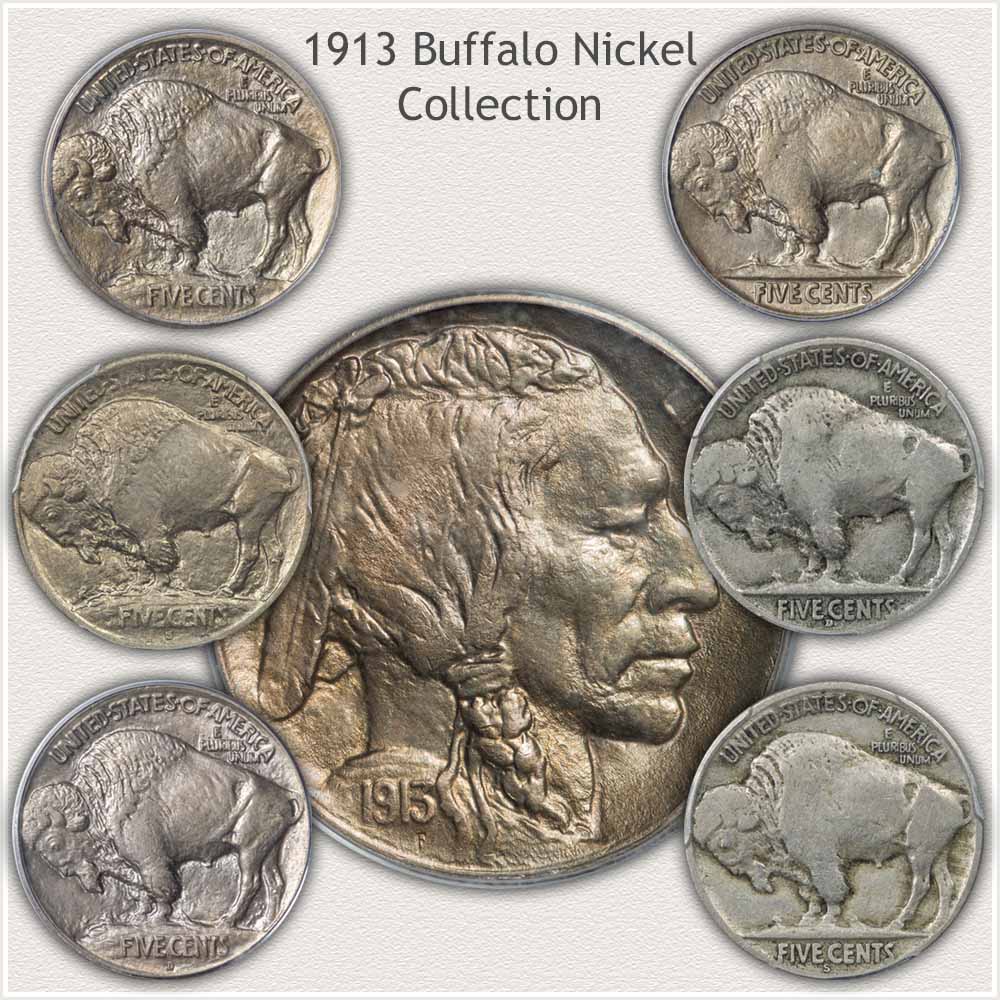 (fig. 14) 1913 Six Variety Theme Collection of Buffalo Nickels
Combined, this number of unique qualities shows in both the value chart and as a constant demand for any 1913 nickel. A major discovery in any box of old coins.
References
U.S. Mint. (1914) Annual Report of the Director of the Mint Fiscal Year 1914. United States Government Printing Office.
Bureau of the Mint. Selected Records of the Bureau of the Mint Relating to the Buffalo Nickel. The National Archives and Records Service General Services Administration. Washington: (1961)
CoinStudy. Popular Coin Series Popular Coin Series | Buffalo Nickels
The Bureau of the Mint. (1928) Catalogue of Coins of the United States. United States Government Printing Office.
🔎What's next: Review the articles helping decide how to Keep, Store, or Sell these Buffalo nickels.
Coin Values | CoinStudy Articles
Date by Date
In Depth Buffalo Nickel Value
1913 to 1938
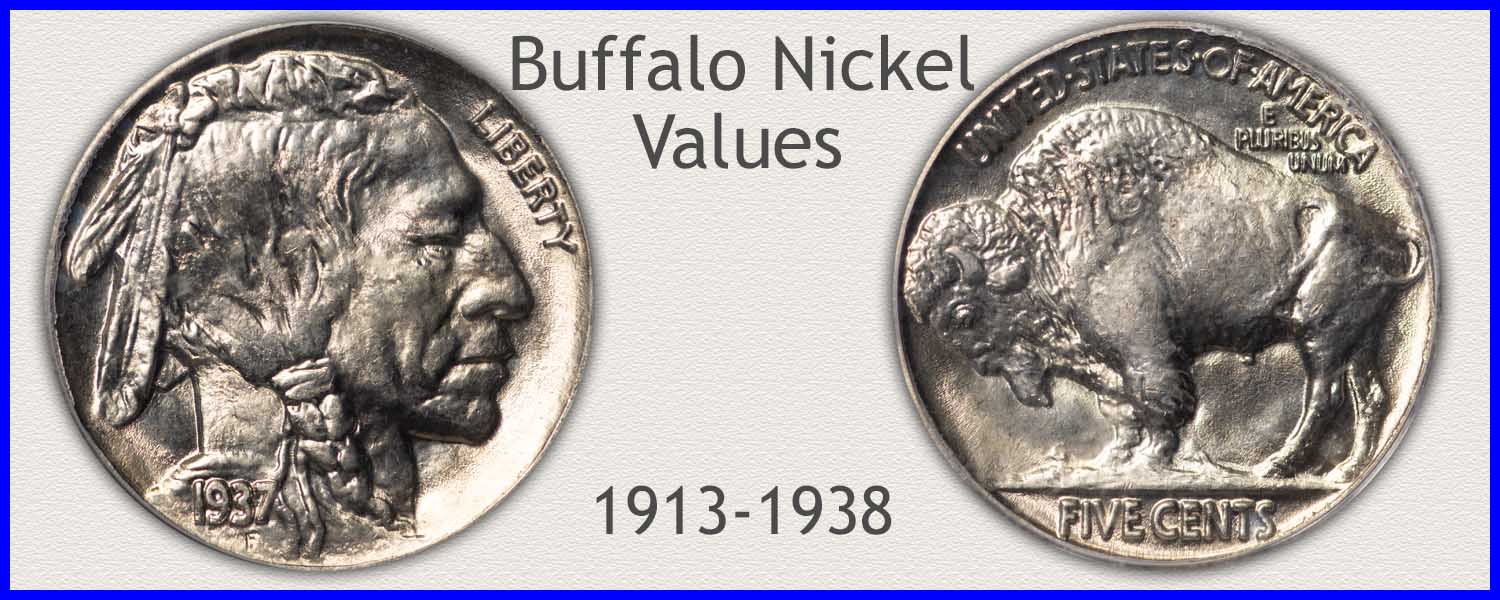
Buffalo Nickel Value | Value Chart of the Series
A very popular coin series rising in value. Today, collectors are closely examining Buffalo nickels. They are looking for special dates and higher condition examples. The Value chart lists all date and mint combinations. A step-by-step method increases the accuracy when identifying important features of a Buffalo nickel.
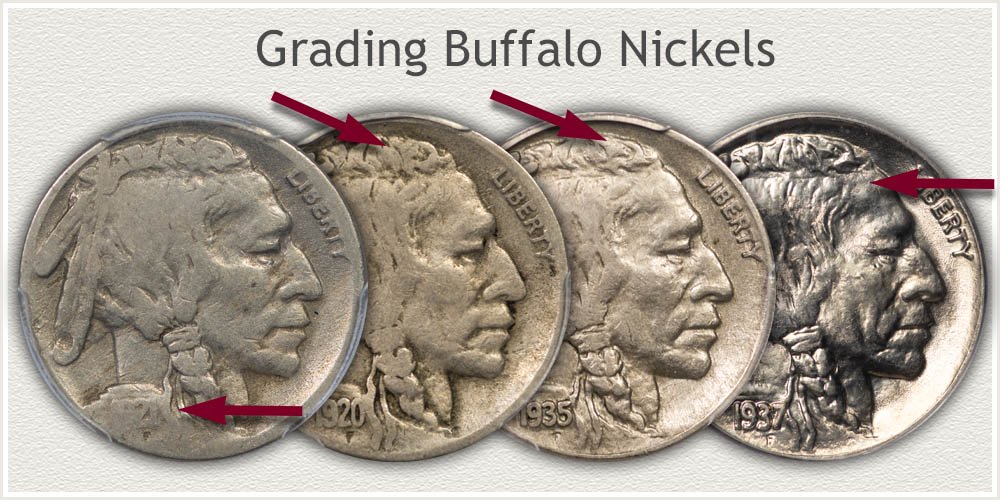
How to Grade Buffalo Nickels | Advanced Visual Guides
Continue with an in-depth judgment of a Buffalo nickel's condition. Identify the different grades with detailed illustrations of each grading feature.
Selling Coins | How to Get the Best Value
Selling coins for the highest price is achieved with planning. Research and organize well, value your coins accurately, and then finding and selling to the right buyer equals excellent results.
Print the Coin Values Worksheet
Record important data and comments for each coin. Compile descriptions and values while maintaining a written copy of the complete collection of your coins.
★Coin Values Discovery... finds 1913 nickel value and...
All old US coin values. It is an excellent index with images and text links to U.S. coin series, from Cents to Gold. Value charts, grading images and descriptions uncover how much your box of old coins is worth.