Coin Values Moving with Precious Metals: Up-Dated 9/14/2026: Gold $4326 | Silver $63.61
1934 Nickel Value
Condition of your coin plays an important role. It determines the 1934 nickel value. Grading condition: Step 2 of the value process combines comparing to images and detailed descriptions. These identify the condition range.
Following a defined method, recognize a semi-clear date and note the mint striking the coin. These key features add to the step-by-step process of a complete description. The coin market appreciates the visual appeal of high quality Buffalo nickels.
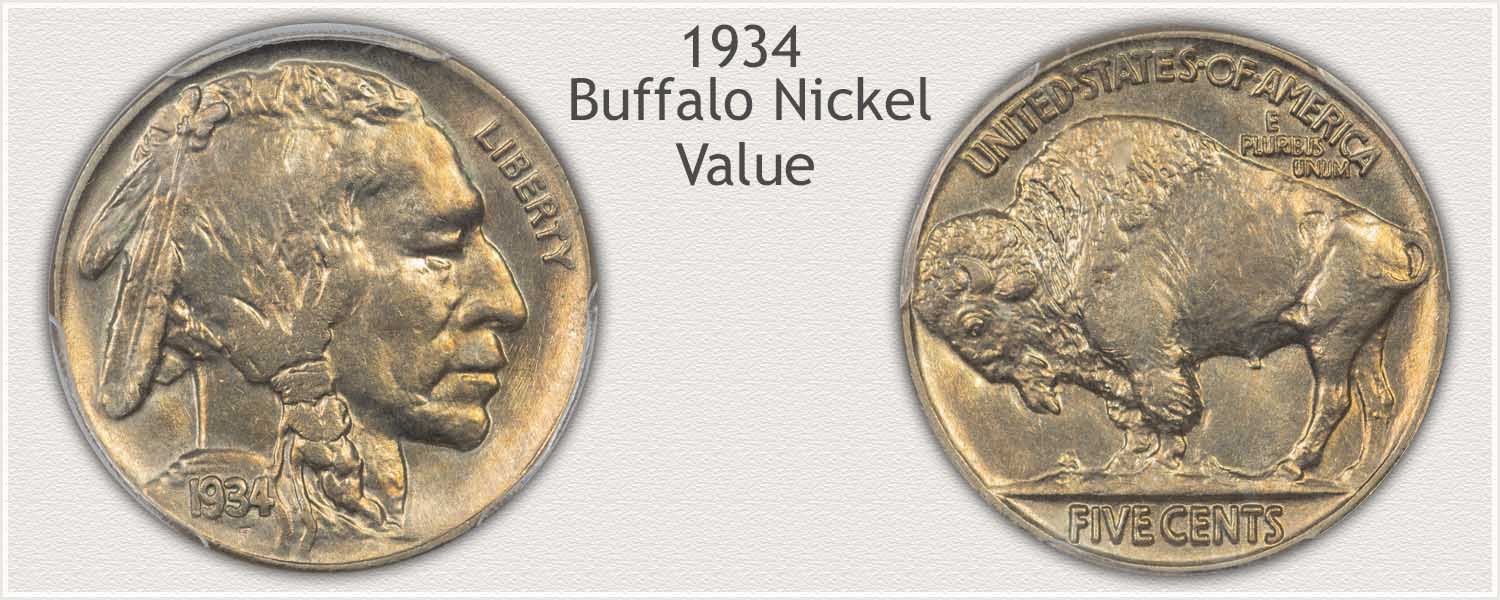 (fig. 1) Obverse and Reverse of the Buffalo Nickel Minted in 1934
Steps Leading to Value:
- Step 1: Date and Mint Variety Identified: Identify and record key facts required for a value assessment.
- Step 2: Grading Condition: Using features highlighted in examples, judge the condition of the collectible nickel.
- Step 3: Special Qualities: Recognize the "look" of a coin appealing to collectors and the coin market.
| 1934 Nickel Value | ||||
|---|---|---|---|---|
| Condition of Coin | ||||
| Date | Good | Fine | Extremely Fine |
Mint State |
| 1934 Nickel Value Updated | 2026 | |||
| 1934 | $1.13 | $2.06 | $9 | $37 |
| 1934 D | $1.30 | $3 | $15 | $57 |
The above are wholesale coin values. Computed from dealer's price lists with various markup factors figured in. Variations in value do occur subject to subtle grading points. Also, collector demands and dealer needs determine its final worth.
Step 1: | Record Date and Mintmark - Two Distinct Varieties
All collectors first confirm the date of any coin. This follows the theme of their collection. Value charts and the market also rely on an accurate reading of the date. Although the date is somewhat small, look on the lower shoulder of the Indian's portrait. Near the rim, either a clear or faded date sits in high relief. If the date seems faded, the next section highlights features helping recognize these partial dates.
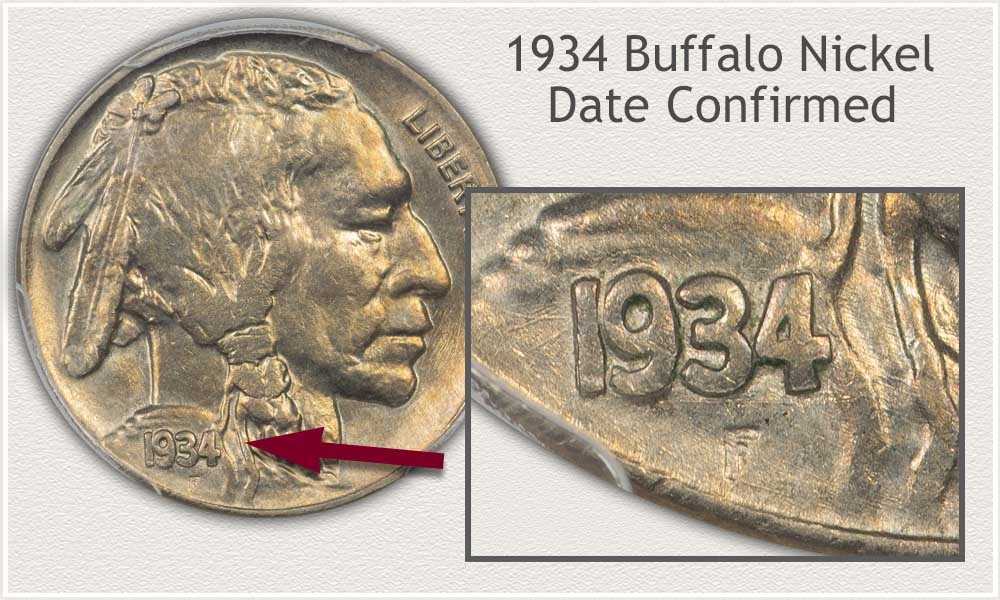 (fig. 2) Locate and Confirm the 1934 Date Buffalo Nickel
Viewing Techniques Identify a Partial Date Buffalo Nickel
Having to closely inspect the date of a Buffalo nickel is a common problem with the series. This area on the design wore quickly, leaving many examples with unclear or partial dates remaining.
Inspect the date with a magnifying glass. A few specific markers often point to an accurate recognition of subtle details indicating an exact date.
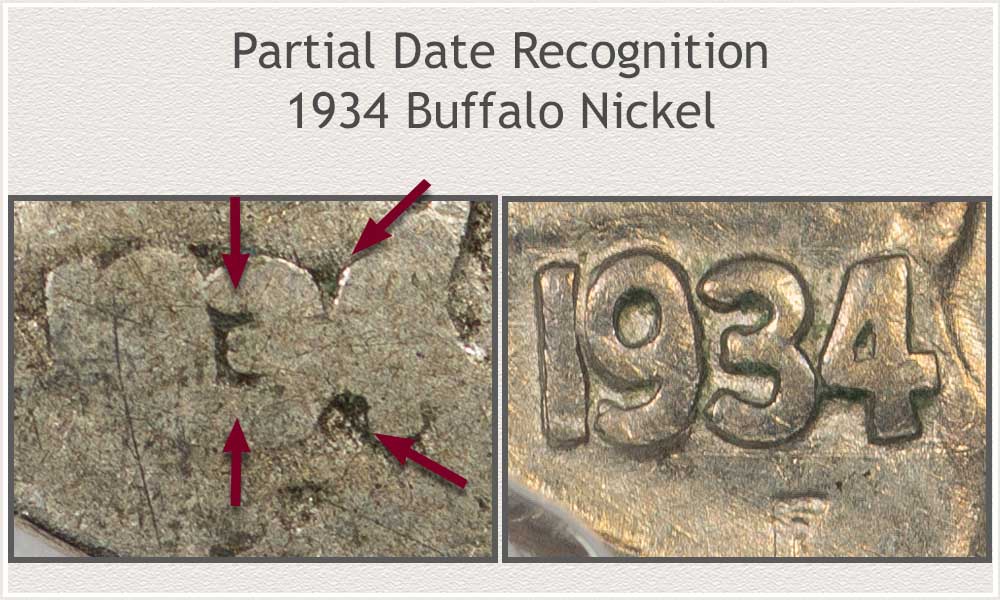 (fig. 3) Identify the Features Confirming a 1934 Buffalo Nickel
A 1934 Buffalo nickel when heavily worn shows a few specific features identifying its date. As example, the one and nine are part of the entire series minted from 1913 through 1938.
Note in the close-up (fig. 3), the double curve feature between the decade number "3" and the "9" to its left. The "3" also has an important wide, rounded bottom.
Confirming the "4" of the date, note the wide space between the three and angle leading to a flat bottom of the "4." Looking at the top of the "4," a slanting line towards the "3" helps identify this faded area as a four. Combined the curved double loops and curved wide top of the three and sharp angles of the four identify the date as 1934.
Try viewing your coin from many angles using a single light. With magnification, these different views show deeper shadows and contrast. A strong light across the very low height of remaining numbers often brings out subtle details.
The Abundant and Scarce Mintmark Issues
With two mints producing nickels in 1934, one is an abundant standout. A branch mint issue became the less plentiful coin. Determine the difference when identifying the "D" mintmark on the reverse.
Denver, a branch mint, identified by a "D" mintmark, struck fewer quantities of this year's nickels and shows premium values today.
Magnify the area just above the lower rim. A "D" letter was part of all Denver Buffalo nickels. This mintmark, listed as 1934 D, adds an important fact to the coin's description. A Philadelphia nickel does not have a mintmark as identification.
"D" Mintmark Nickel
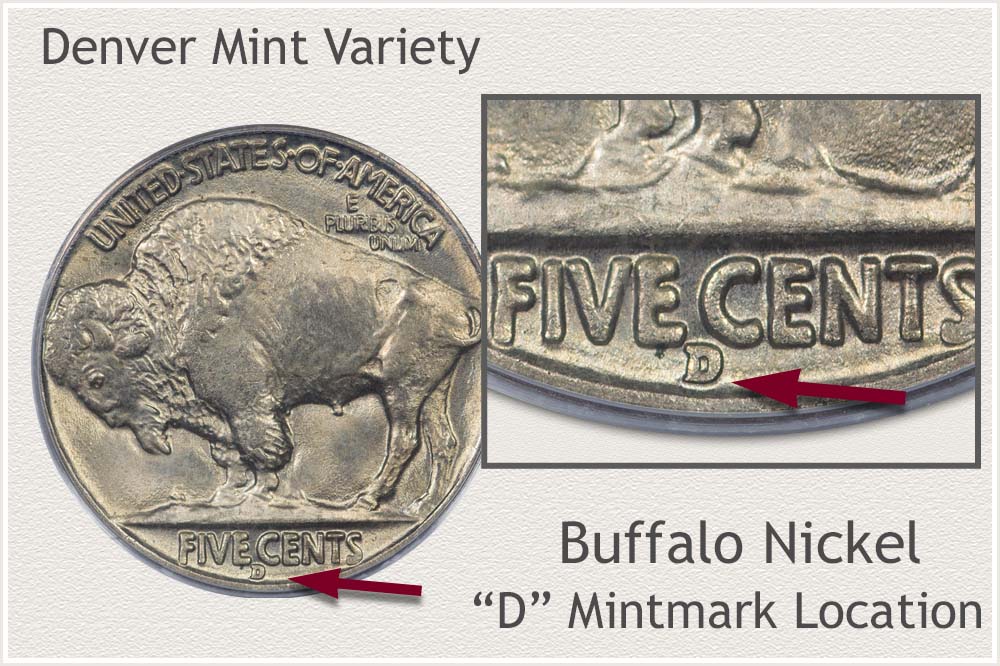 (fig. 4) Location of the D Mintmark on the Reverse of a Buffalo Nickel
A Denver mint 1934 nickel is a perfect example of an available coin in heavily worn condition that becomes a difficult coin to locate in higher grade. It was minted in ample quantities; 7.4 million produced. A significant number of nickels at the time. Today however, it is a challenge locating a nice quality example. Most stayed in circulation, and its design features wore to a smooth surface.
The market separates these Denver nickels into two main categories. Average worn pieces with moderate premiums. Finely detailed coins with high premiums. Grading condition becomes the important factor determining how much they are worth. Comparing to grading images in the next step narrows this range.
"No" Mintmark 1934 Nickel
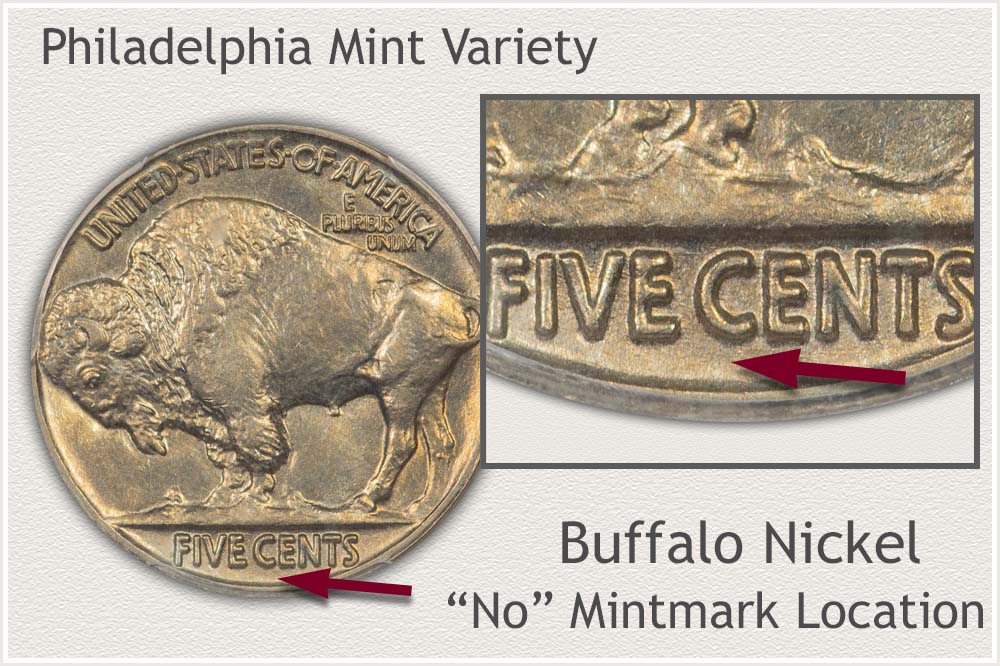 (fig. 5) Identify the No Mintmark Philadelphia Buffalo Nickel
The main mint in Philadelphia reduced its production of nickels in 1934. Recording only 20.2 million struck, this continued a long trend of lowering yearly totals. With just two mints coining 1934 nickels, this date tends toward the "infrequent" rarity rating. Fewer higher quality examples remain, shown by their premium values on the chart.
As a difficult coin for collectors to find in top quality, handle carefully. Confirm its "no mintmark' status and examine its condition closely.
With these key facts of the date and mint issue, record them as part of the coin's description. Next, determine a narrow condition range. See the "grading" section with images of different grades. Comparing to examples, place a grade on the coin's condition.
Step 2: | Judging Condition Determines Grade | Narrows Value
The value chart shows the condition of these 1934 nickels determines their appeal within the market. Premiums indicate higher quality pieces are no longer considered abundant. Identify those in above average condition when comparing with the example graded coins.
Grades are the terms used by the hobby defining condition within a narrow range. Visually identifying specific remaining features assigns a "grade" to the coin. Start by comparing your coin with the images, finding a close match. Descriptions of the deciding features are then applied to help confirm its grade.
Mint State Grade
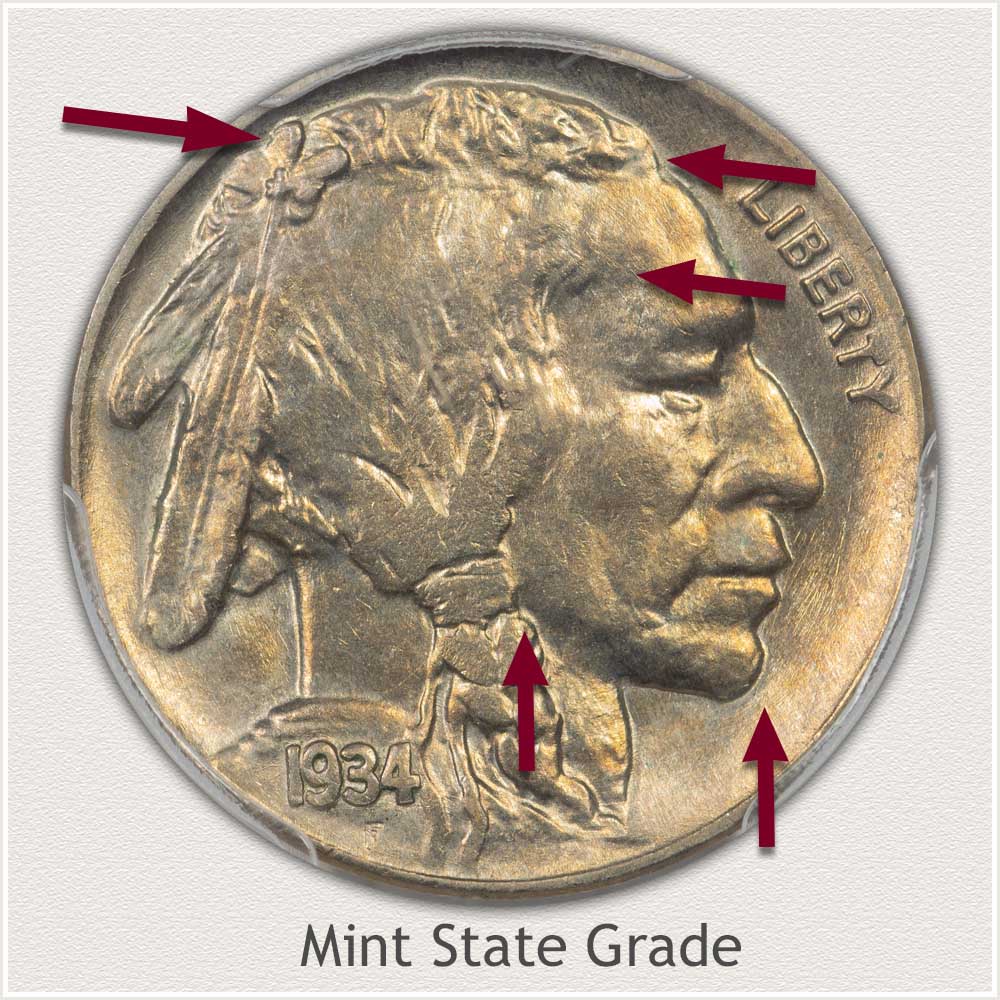 (fig. 6) Mint State Grading Features Highlighted on a 1934 Buffalo Nickel
As a general description, "no wear" on its surface defines the Mint State grade Buffalo nickel. To accurately judge this strict requirement, conduct a close examination of high points of the design.
First, note the condition of Indian's hairline running next to his forehead and temple. This line of hair sits higher than his face and receives wear quickly. Wear on contoured surfaces smooths the texture of the metal and dulls the original shine. The hairline still displays a fine texture matching lower contours of his face. Additionally, a matching brilliance appears similar on both areas.
By examining the top of his head, small and high contours of hair still show the same brilliance and metal condition as the lower recesses. Tilt your coin under a single light. Moving the coin slightly, watch as the light shines across hair details. Both high and low areas match, without any dulling and evidence of smoothing on the metal. Examining other areas of the coin that radiate a brilliant shine helps recognize this subtle texture of the metal.
As a third comparison area, the chin also exhibits a high contour surface. The example illustrated shows a consistent metal texture and luster from chin to the braid.
When these three areas of the hairline, top of head, and chin appear similar, this displays qualities of the Mint State grade.
Extremely Fine Grade
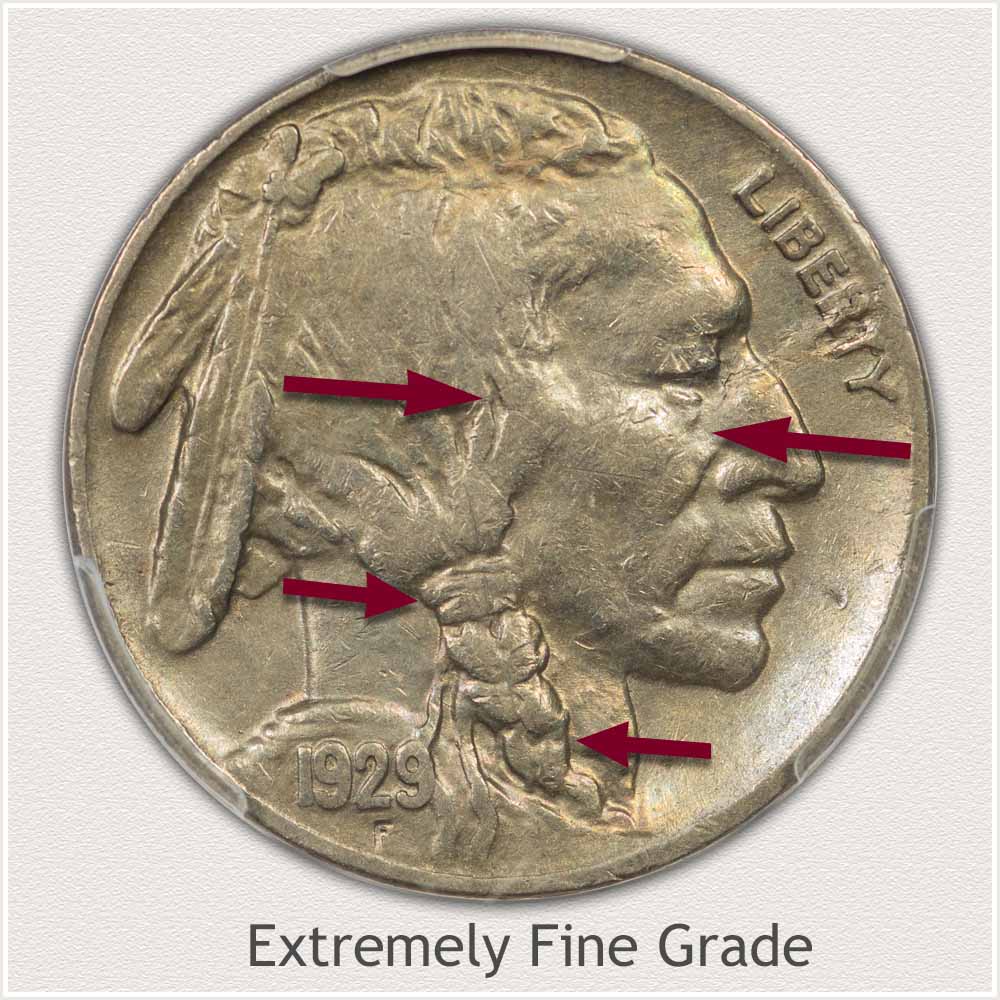 (fig. 7) Use the Highlighted Features to Identify the Extremely Fine Grade Buffalo Nickel
Visible detail determines the Extremely Fine grade Buffalo nickel. Specific standards define the amount of remaining design and level of wear within the grade range. Light wear confined to high points only describes the grade. Review the following features, comparing the example coin with yours. Matching closely with similar qualities identifies the grade.
Wear on a Buffalo nickel creates the appearance of smoothing the metal. Also, wear removing metal from the tops of contours flattens the area. Use this visual combination of smooth and flattened metal to help identify the smaller areas of wear.
Within the portrait, the cheek and hairline to its left sit at a high relief point of the design. Prone to wear, note the cheek displays only a small amount of wear. The hair close by also shows slight wear on its highest point. Both remain well defined, separated, and distinct. They meet the grade requirement.
Examine the hair braid of your coin, comparing it with the example. A tie remains recognizable at the top. Braids show distinct contours and full separation from each other. Importantly, evidence of wear is slight, with smooth and flattened metal showing only in small areas. A hair braid with more visible detail than flattened metal meets the grade level.
Scan from the top of the Indian's head to the date near the lower rim. Most of these areas display many fine line details and deep recesses. Any high grade Buffalo nickel has a premium value.
Fine Grade
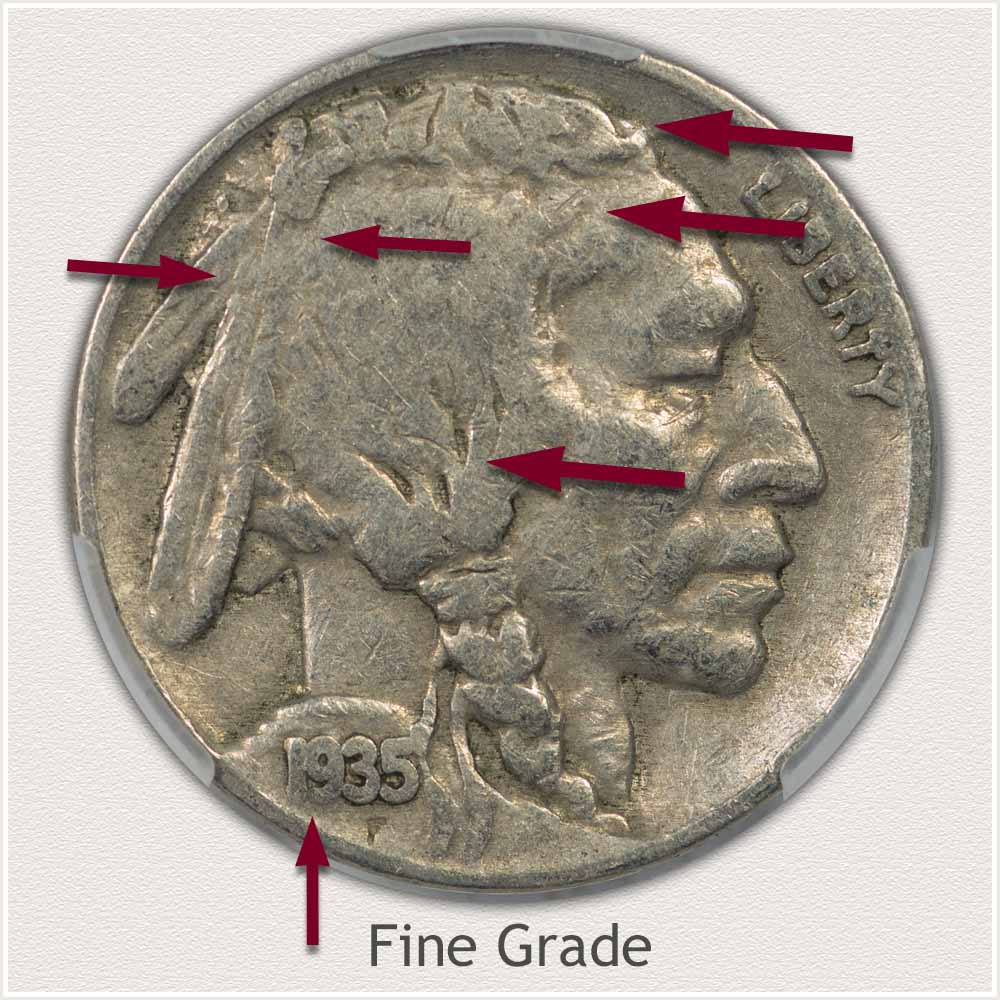 (fig. 8) Determine a Close Match to the Fine Grade Features of a Buffalo Nickel
Typical wear patterns become noticeable on a nickel in Fine grade. In the moderately worn condition, wear reduces high points of the design, leaving specific fine detail. Visible design separated by worn, featureless metal defines the Fine grade. Compare the level of detail highlighted in the image (fig. 8) with your coin.
Starting at the top of the Indian's head, many raised hairlines remain. Wear does not reduce the area into a smooth surface. Just below the part line, evidence of detail remains. Additionally, confirm on your coin, just above the braid, deep recesses within the hair also appear defined.
Next, clarity of the date. All digits of the date show strong outlines. Wear flattens the once rounded tops of the numbers without any widespread merging into the background. Looking closely, the one and nine merge slightly. Also, the last number fades and merges with the ribbon detail. This subtle detail is typical for the grade and helps confirm the grade level.
With a focus on the feather detail, note the large feather still shows a slight separation from the hair. A faint raised contour defines the right edge of the feather. This slight edge detail combined with a raised center line within the feather helps confirm the grade level condition.
Judge the amount of detail on your coin. Matching these specific strong and subtle visual details helps find its grade range on the value chart.
Good Grade
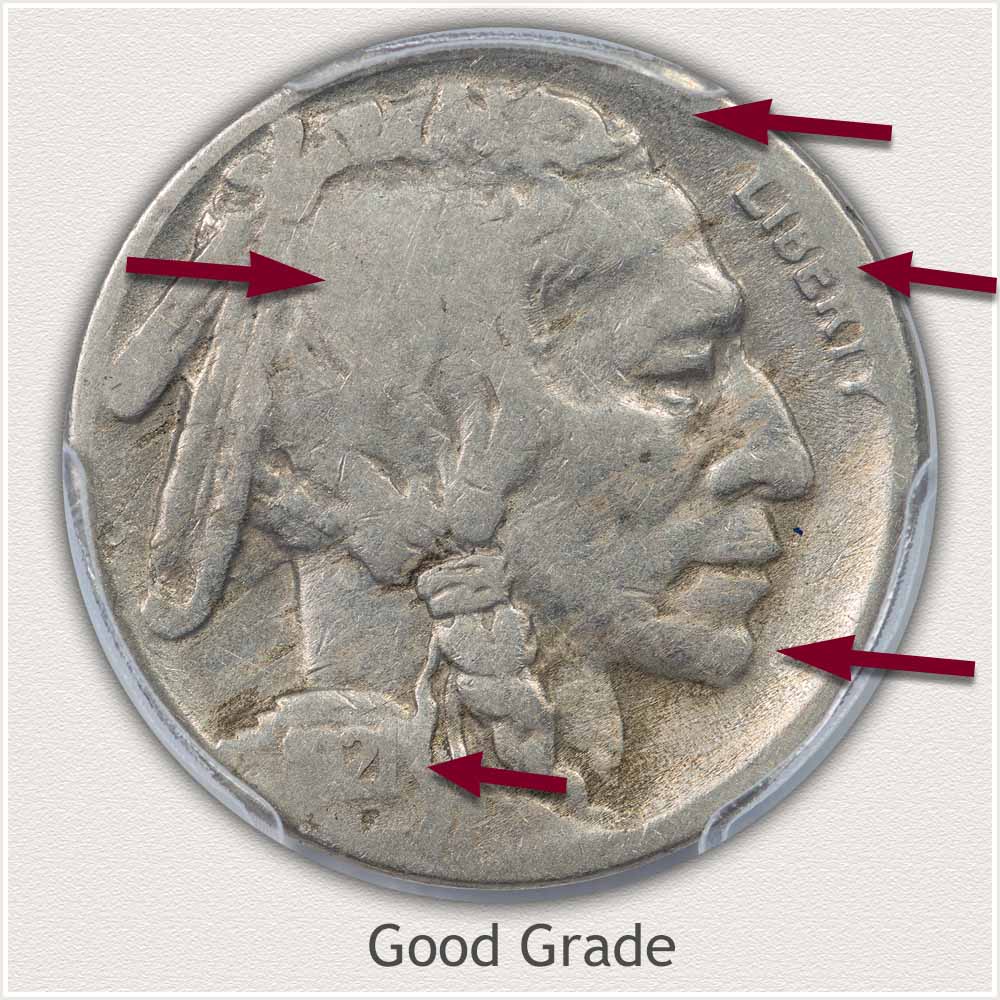 (fig. 9) Features Showing Heavy Wear Identify and Define a Good Grade Buffalo Nickel
Heavy wear removing fine detail defines the Good grade condition. Inspecting the example (fig. 9), note the smoothness across the hair, face, and along the entire rim. Remaining detail in these areas are only a few deep recesses. High contours have worn to a flat surface. Inspect the Indian's face, braid, and date area judging the amount of visible detail.
His face is an area giving the coin a distinctive collectible quality. Most features from the eye, nose, and downward to the cheek and jaw have strong and contoured areas. Flat metal appears only at the highest points of the design.
The greatest amount of heavy wear shows within his hair and the small details of the date and lettering. Note the wide, smooth metal representing his hair. From the top of the head to the braid, this area lacks the most detail. The braid remains detailed with some remaining definition, a strong indication of the grade level.
With its close position to the rim, note the tops of LIBERTY connect with the rim. Heavy wear now merges lettering and rim. Also, the date now appears very faded. It is considered readable but semi-clear. In total, the combination of few details within the date and hair next to strong facial contours places the condition at the Good grade level.
How to Video: Grading Buffalo Nickels
Additional grading resources add accuracy when grading. Close-up images showing key quality features per grade. Plus, expanded descriptions highlight how to grade.
Grading Buffalo Nickels | Visual Grading Guides
Step 3: | Special Qualities: Subtle Details and Aesthetic Value
The Quality of Extremely Fine Grade
Most date and mint combinations of Buffalo nickels see a large value increase beginning at the Extremely Fine grade level. This condition preserves most of the coin's original design. Both major and subtle features all remain clearly visible. Overall eye appeal of the coin also greatly improves. These coins are well within the collectible quality range.
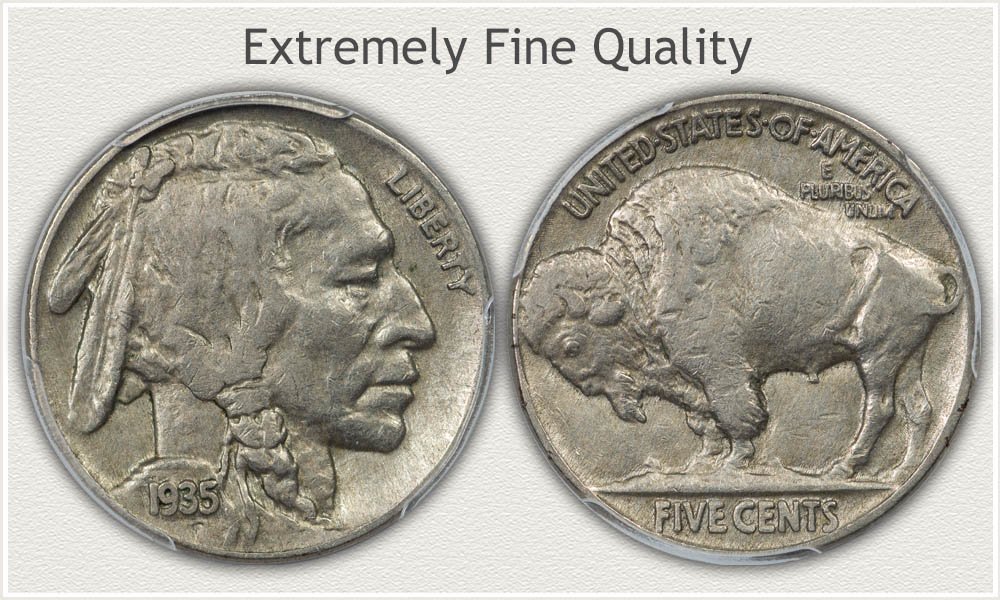 (fig. 10) A High Quality and Collectible Buffalo Nickel
Note in the image (fig. 10), ample hair detail with a clear separation of the Indian's forehead. Many fine hair lines show across the top of the head. At the back of his head, notice the sharp detail of the tie holding two finely detailed feathers.
On the reverse, visibly bold lettering above the buffalo remains clearly defined. Head detail and fur detail stand out as only lightly worn, with many small features showing. Compare this light wear condition to the following.
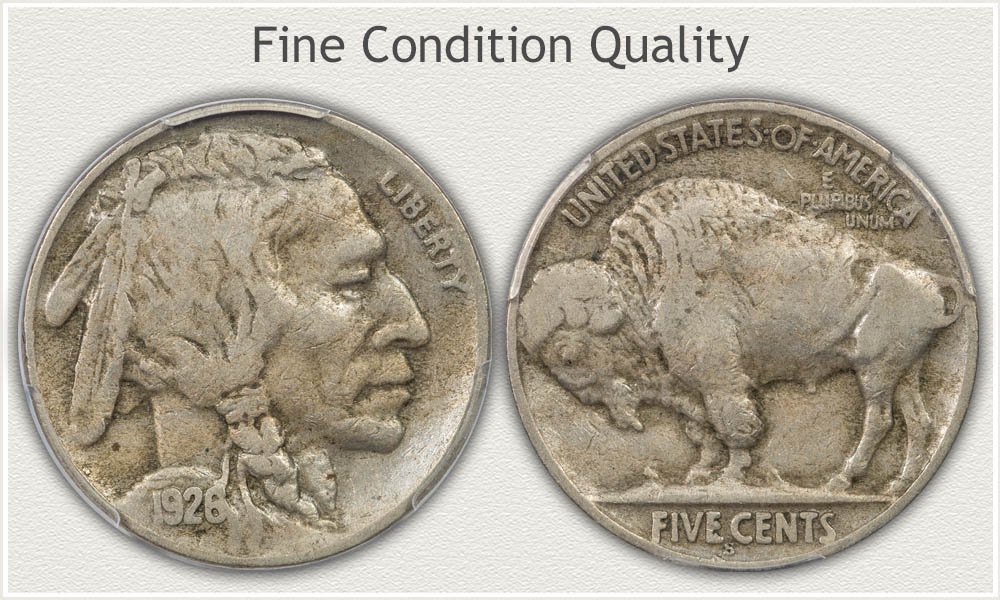 (fig. 11) A Fine Grade Buffalo with Less Eye Appeal
The above coin, (fig. 11) now appears visibly worn. In front of the Indian, LIBERTY is flattened and shows a "softer" look. Hair detail along the top of his head also presents the distinct appearance of worn metal. Visible, flattened areas within feather and hair detail are a first impression. This "worn" appearance becomes more noticeable when viewing both images.
The reverse also has areas of flattened detail and removed features. Fur detail on the Buffalo lacks crisp lines and deep recesses. Note the "smooth" metal on the head and shoulder. Lettering on the reverse also appears less crisp and with a flattened look. A subtle appearance of wear lowers the overall bold look of the design.
Compare your coin with the examples. Raised and rounded high relief areas across the buffalo point to a coin with only light wear. Additionally, the raised and rounded facial design of the Indian's portrait give the coin a quality appearance.
Importantly, a pleasing nickel enjoys solid demand within the hobby and coin market. An eye appealing Extremely Fine grade piece is well within the above average quality.
When completing a coin's description, the facts of its date, the mintmark, and condition show an accurate view of quality and desirability. These lead to its value placement on the chart.
References
U.S. Mint. 1935 U.S. Mint Annual Report
https://nnp.wustl.edu/library/book/514139
U.S. Mint. Catalogue of Coins of the United States.
https://nnp.wustl.edu/library/book/554591
🔎What's next: The following articles cover the topics important to Value, Their Popular Demand, Rare Nickels, and how to Sell an old Buffalo Nickel.
Coin Values | CoinStudy Articles
Date by Date
In Depth Buffalo Nickel Value
1913 to 1938
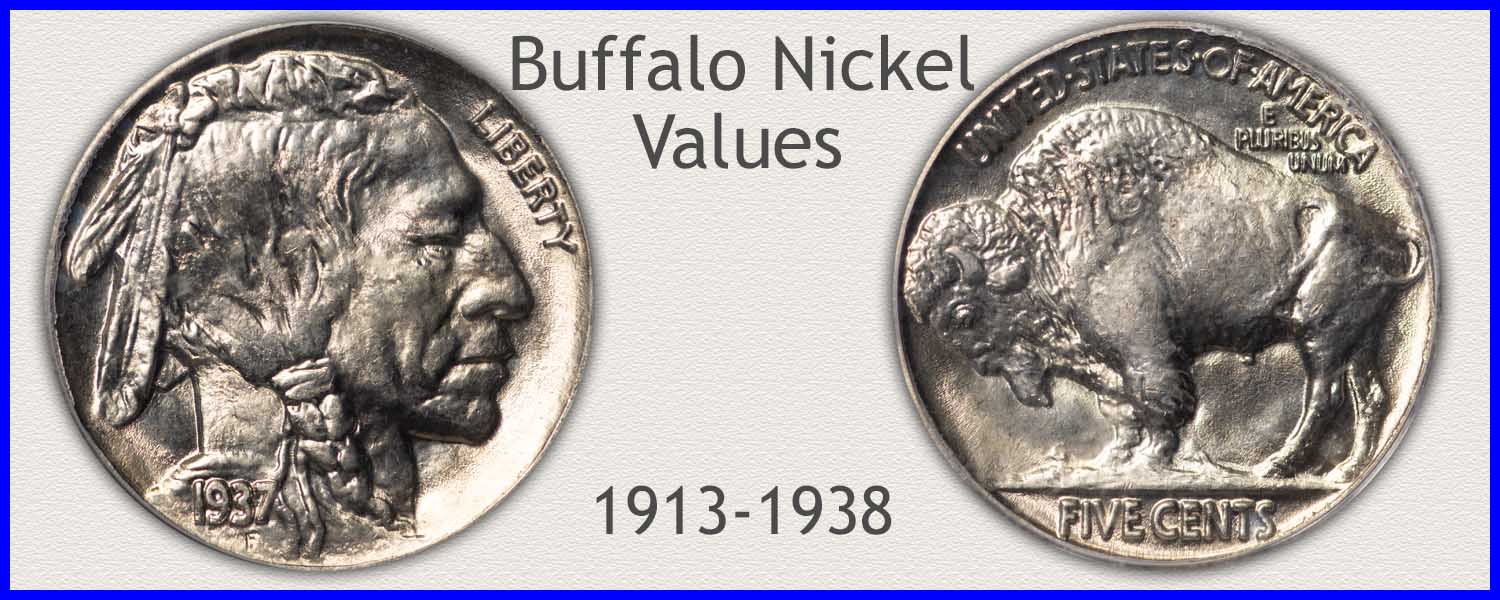
Buffalo Nickel Value | Complete Listing
Buffalo nickels enjoy popularity and demand from collectors. Even coins without dates have a premium value. Today, collectors closely examine Buffalo nickels looking for special dates and higher condition examples. Often large value differences are found in just a minor improvement in how well the coin is preserved. This collector preference creates demand showing strong values on the complete value chart. Follow the steps to correctly identify and judge your old nickels.
Popular Coin Series | Solid Value Buffalo Nickels
Coin series enjoy different levels of popularity within the hobby. Buffalo nickels are avidly collected and pursued. Values are directly related to their interest by collectors. Knowing Buffalo nickels are in demand by many is an insight into your coin.
Rare nickels, for example, ones with double mint marks, occasionally "hide" in your box of old coins. Interestingly, some are still found in circulation today. The reason is most require a magnifying glass to discover. In this case the smallest of details makes for a valuable coin.
Selling Coins | How to Get the Best Value
Organize and develop a plan helping to realize a fair price when selling coins. Use defined steps to understand the value of your coins. Secondly, match them to the right buyer.
★Coin Values Discovery... finds 1934 nickel value and...
Coin values index. Identify Series, Dates, Mints, and Condition by following images to the different series, all valued individually. Follow the step-by-step method, comparing your coin to descriptions and images, helping identify the important qualities and a narrow value range.