Coin Values Moving with Precious Metals: Up-Dated 9/21/2026: Gold $4350 | Silver $65.98
1916 Nickel Value: Identify Date, Mintmark, and Grade
As an infrequent coin found today, 1916 nickel value shows a wide range on the chart. A faint "16," a small mintmark under FIVE CENTS, and remaining detail determine an accurate value. A defined process confirms these small details. Continue with matching your nickel to grading images and determines the coin's quality. Discover how much this nickel is worth.
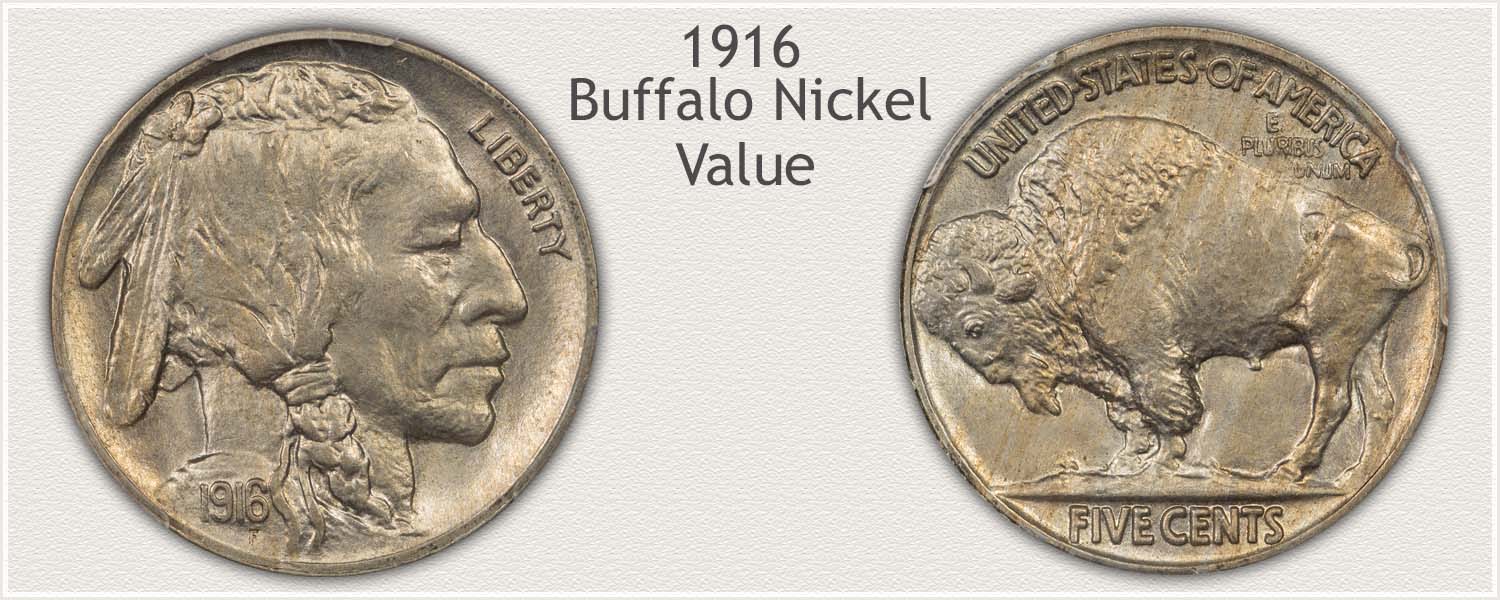 (fig. 1) Compare and Identify a 1916 Buffalo Nickel
Steps Leading to Value:
- Step 1: Date and Mint Variety Identified: Compare to specific markers confirming a premium date and mint combination.
- Step 2: Grading Condition: Important features highlighted in images judge the coin's surface condition.
- Step 3: Special Qualities: Preserve value with a few storage options specific to Old Nickels
| 1916 Nickel Value | ||||
|---|---|---|---|---|
| Condition of Coin | ||||
| Date | Good | Fine | Extremely Fine |
Mint State |
| 1916 Nickel Value Updated | 2026 | |||
| 1916 | $2.60 | $5.85 | $9.75 | $52 |
| 1916 D | $13 | $22 | $57 | $174 |
| 1916 S | $8.67 | $18 | $54 | $193 |
The above are wholesale coin values. Computed from dealer's price lists with various markup factors figured in. Variations in value do occur subject to subtle grading points. Also, collector demands and dealer needs determine its final worth.
Step 1: | Date and Mintmark - Note the Three Different Varieties
Rarity and premium value become important with this year's nickel. 1916 Buffalo nickel coinage is known for its uncommon status. Minted early in the series, many available today exhibit faded and worn designs from wear. Your first important step correctly identifies the date.
At the lower edge, on the Indian's shoulder, the date sits in a high relief area of the design.
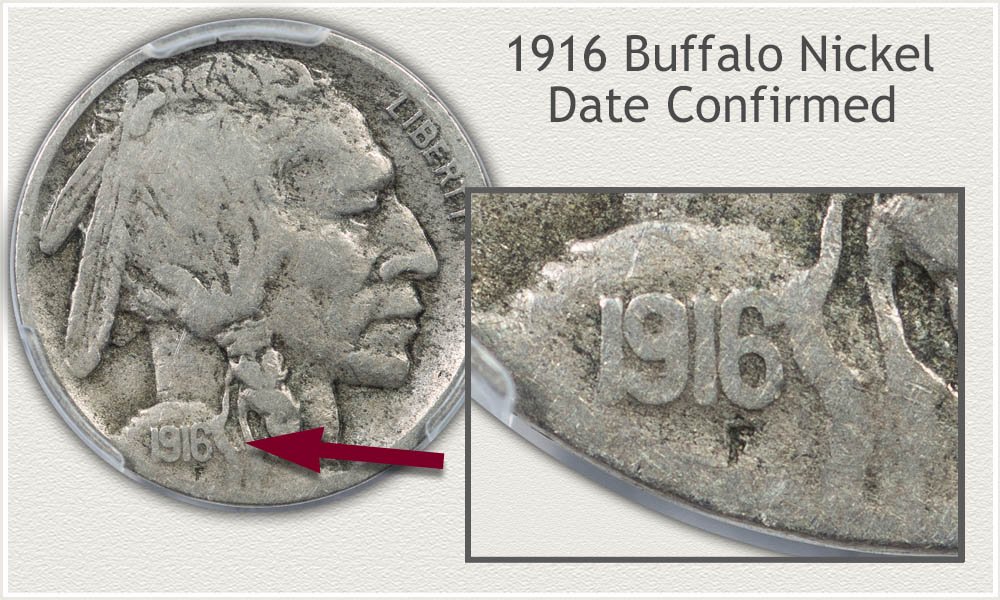 (fig. 2) Locate and Identify the Date of the Buffalo Nickel
Key Features Identify a Partial Date 1916 Buffalo Nickel
Wear creating faded areas, and unclear dates presents a common challenge when establishing a date. The location of the date proved to quicken its removal when worn. However, with a close inspection and recognizing specific, but small features help solve the problem. It is the last two digits to recognize, confirming the date.
Refer to the image (fig. 3) and the following techniques and decide if the coin shows the "16."
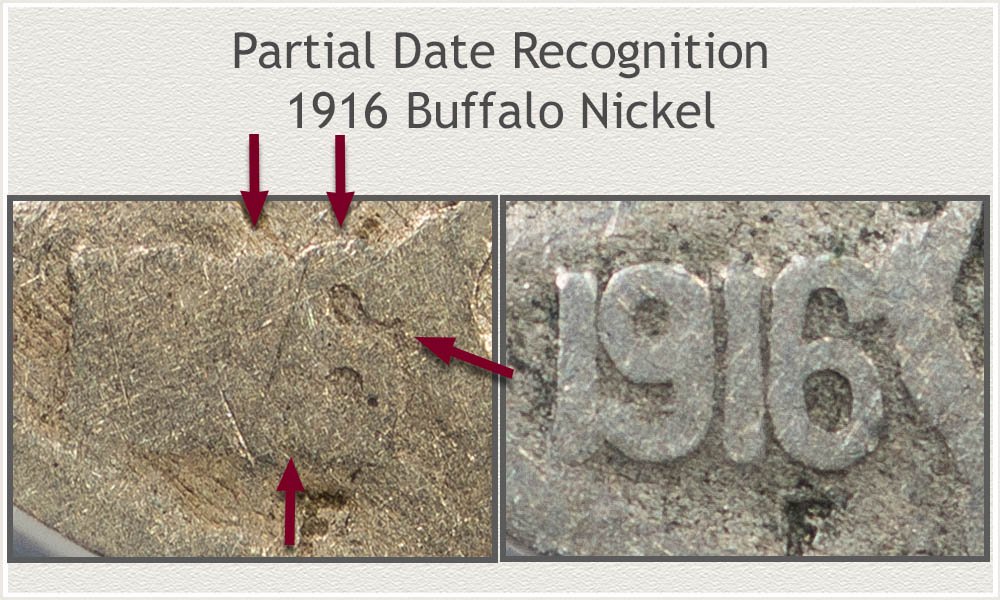 (fig. 3) Highlighted Features Identify a Partial Date Buffalo Nickel
First consideration: these nickels were all minted in the 1900s. When inspecting faded dates on Buffalo nickels, the first digits "1 and 9" are often completely missing. It is the presence of key markers determining the last two digits.
Within the image (fig. 3), the last digit of the date is the clearest. Confirming the date relies on the wide curved top and discounted curve on the right side. A faint but complete curve continues the full length on the left side. These features represent the "6" digit.
Identifying the "1" digit. Note the clear "16" image. The width of the one appears less than half the width of the six. This feature becomes a key marker defining a one from a two. On the faded date image, the small, faint top of the one appears notably less than the width of the six. If this was a two or three digit, the top curves are similar in width as the six. These visible elements identify both coins as a 1916 nickel.
Mintmarks of the 1916 Buffalo Nickel
Continue adding to the coin's description. An important element determining value is the mint that struck the coin. Three mints produced this early year coinage of the series. The main mint in Philadelphia, along with the Denver, and San Francisco mints, struck large quantities of the coin.
As required, branch mints identified their production with a mintmark. Recognize mintmarks as small letters located on the reverse. Looking closely under FIVE CENTS, a small "S" letter was used by the San Francisco mint. When finding a "D" mark, this indicates Denver struck the coin. Note on the above chart, listing of the dates are followed by a "D" or "S."
Philadelphia did not place a mintmark on its production at the time. When the space below the E and C is empty, refer to the 1916 listing on the chart. Identify the premium variety.
The Collectible "S" Mintmark Nickel
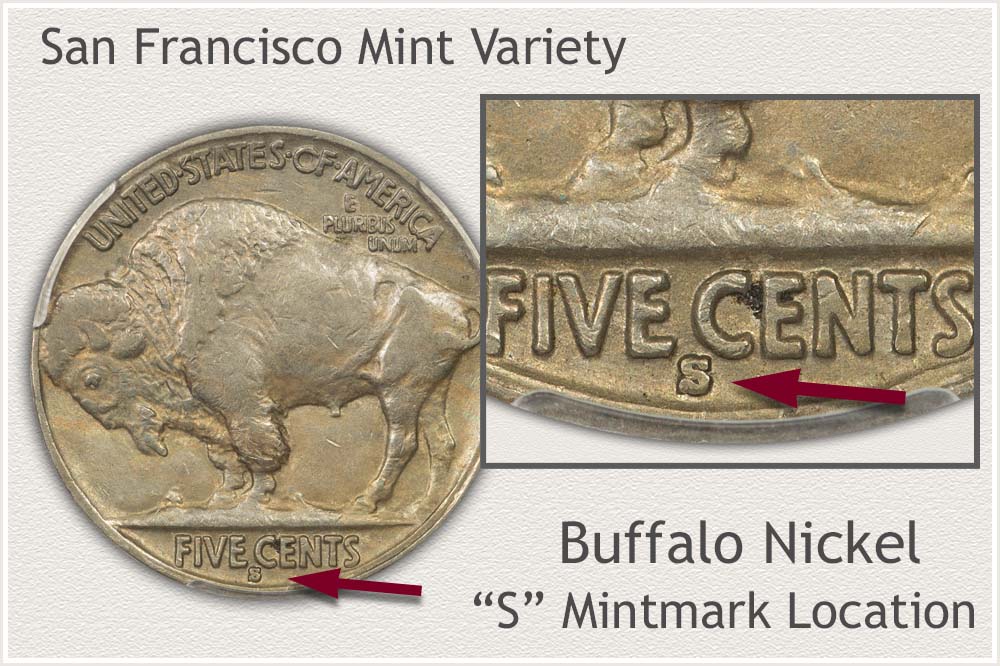 (fig. 4) Confirm S Mint Mark Buffalo Nickel
The 1916 San Francisco nickel represents a coin that was not saved in quantities. Despite its unusually high mintage number of 11.8 million struck, the value chart shows a nice premium in all levels of preservation. Consider this a scarce coin within the Buffalo nickel series.
Confirm the small "S" mintmark on the reverse. Record this fact along with the date as key data in its full description. Judging condition, Step 2, narrows the premium range found across value charts. A nice early year Buffalo nickel worth a close inspection.
"D" Mintmark Nickel
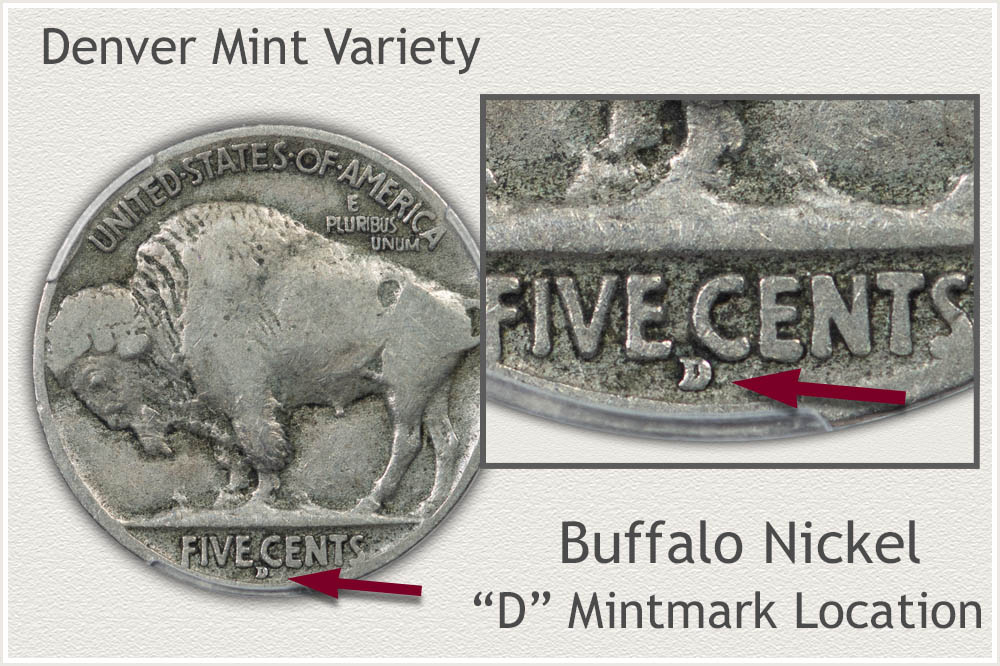 (fig. 5) Compare to Identify the D Mintmark on the Reverse of a Buffalo Nickel
A Denver mint 1916 nickel is now a premium coin. From well worn examples to the top quality pieces, all attract solid value. Interest in the coin spans the collector range of new to advanced. Although produced in ample quantities, 13.3 million struck, age and use over time results in few remaining today. Strong values on the chart indicate demand faces a limited supply.
Buffalo nickels spanned the years 1913 to 1938. The "D" mintmark finds a now scarce representation of the year and series. Inspect closely for evidence of this "D" mintmark. Wear does begin to reduce the clarity of the mint letter. A completely rounded right side, top to bottom, of the letter helps identify the "D" from an "S" mark.
Quality of the coin's surface now becomes a deciding factor. Grade its condition in the next step completing the primary factors of value.
"No" Mintmark Nickel
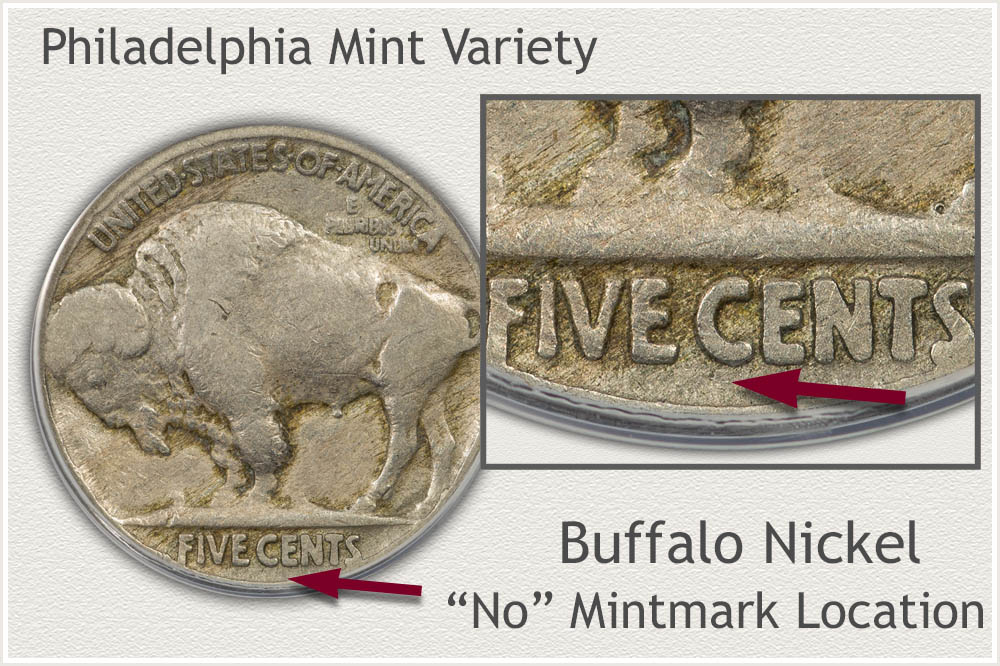 (fig. 6) No Mintmark on the Reverse of a Buffalo Nickel
With no mintmark showing below FIVE CENTS, this confirms the Philadelphia mint issue. Philadelphia, throughout the Buffalo series continually struck most nickels for the year. In 1916, mintage numbers rose to 63.4 million pieces.
Collectors place strong values on this year's coinage that represent the early era of the series. Although millions were minted, finding a pleasing, lightly worn example presents a challenge. Any of these old nickels finds a place in a collection of Buffalo nickels.
Record the date and mint of the coin, providing two key elements of an accurate description.
Next, evaluate the condition of the surface and clarity of the coin's appearance. There is the potential of finding an above average quality nickel.
Step 2: | Grading Condition - A Comparison Method
As a valuable early date Buffalo nickel, collectors look for above average condition examples. Most of these 1916 nickels exhibit heavy wear. Grading helps separate the different qualities.
Compare the visible features of your coin to the example images. Finding a close match with a "grading" image begins to identify the coin's condition. A nickel with a readable date indicates a quality coin.
Next, the grading descriptions highlight inspection points on the surface. Rating the amount of visible detail within these specific areas helps confirm the grade. Each level of condition has important standards of quality to meet. Start with a review of the Mint State grade. This gives insight to the amount and quality of original details without wear.
Mint State Grade
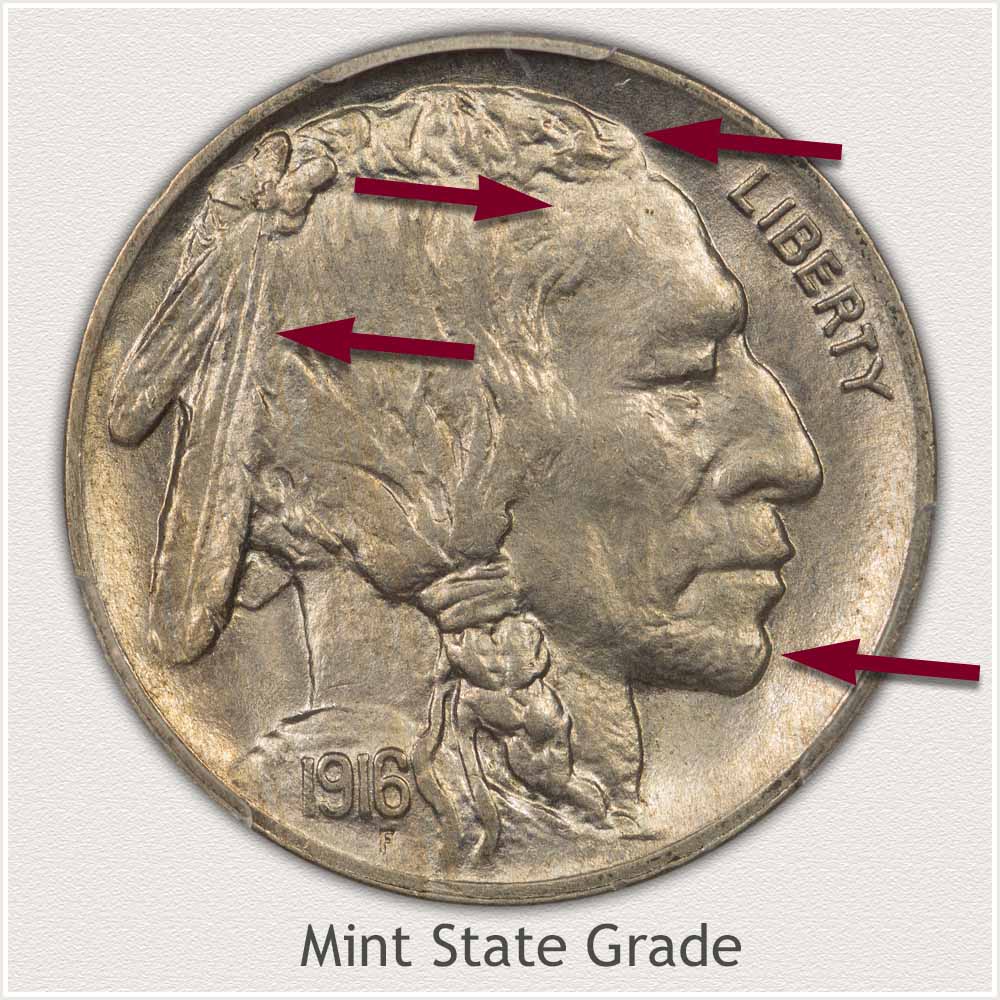 (fig. 7) Compare Quality of Mint State Features With Your Buffalo Nickel
A Mint State Buffalo nickel displays two unique qualities. Original mint luster and a lack of wear on its surface. It is the absence of wear, allowing the shine of luster to radiate across the surface. When grading these old nickels, apply the high standard of "no wear" as the definition of a Mint State grade condition.
The minting process imparts a fine texture onto the surface of a coin. This texture produces the brilliant shine. Any wear smooths and dulls this texture, and the metal becomes a soft gray color. Inspecting high points of the design determines if the metal is intact and covered with its original unworn surface.
Located at the top of the Indian's head, hair above his temple and forehead shows no signs of dullness or smoothing on the metal. Reference image (fig. 7): Notice the same metal texture on high hair features and low contours of his forehead. Compare the surface quality of your coin with the image. Metal shine and texture remain the same in high and low areas when a coin is in Mint State condition.
Inspect the high points of the chin next. Compare on the coin the low contour near the mouth with the high, rounded chin line just below. Without wear, both surface qualities remain similar without smooth, dull metal along the top of the high chin contour.
As a third inspection point, high ridges on the two feathers remain with their fully rounded contours. Located at the back of the portrait, a lack of dullness on the metal and no flattened spots indicate an unworn surface. When these three features meet the "no wear" standard, the coin is within the Mint State grade. A high quality and eye appealing Buffalo nickel.
Extremely Fine Grade
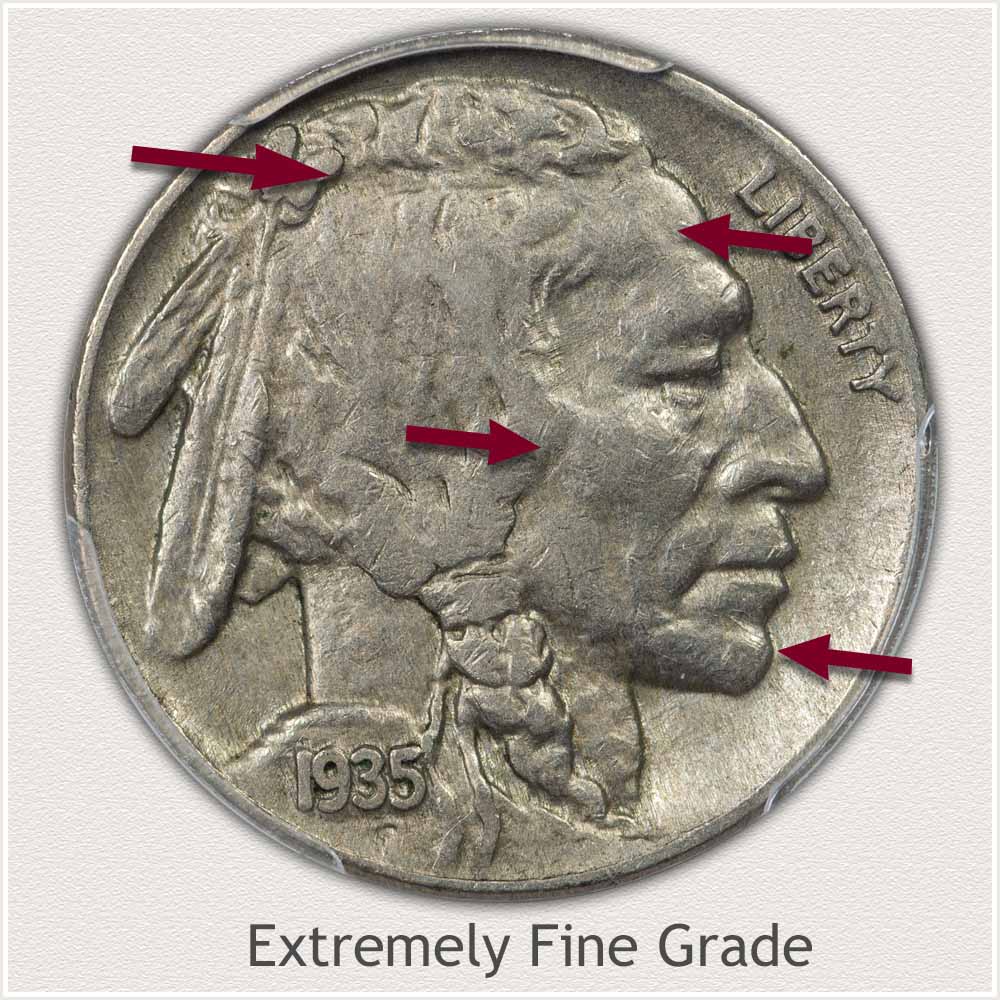 (fig. 8) Inspect and Compare the Highlighted Features of the Extremely Fine Grade
Only a slight step down in condition, an Extremely Fine grade nickel shows just slight wear on its surface. Small areas of flattened and worn metal, confined to high points, define the grade. Using a comparison of your coin to the image, judge the size of the flattened surface in the highlighted areas. As a coin's surface wears, these high points of the design display a typical progression of flattening on tops of contours.
Displaying the grade level quality are hair strands above and just below the part line. Inspecting the image (fig. #), light wear smooths hair detail only at their highest points. Deep recesses remain giving clarity to this design feature.
Bold facial features also show very little smooth and worn metal. Judge the small amounts of flat areas on the temple, cheek, and chin. Each of these areas remain raised and rounded. Both facial features display slight flatness only at the very highest points. A lack of merging with the hairline indicates the light wear category.
As a quality check, confirm a similar "bold" look of your coin with the professionally graded example. A close match with this pleasing appearance and bold date and lettering place your coin within the grade range.
Fine Grade
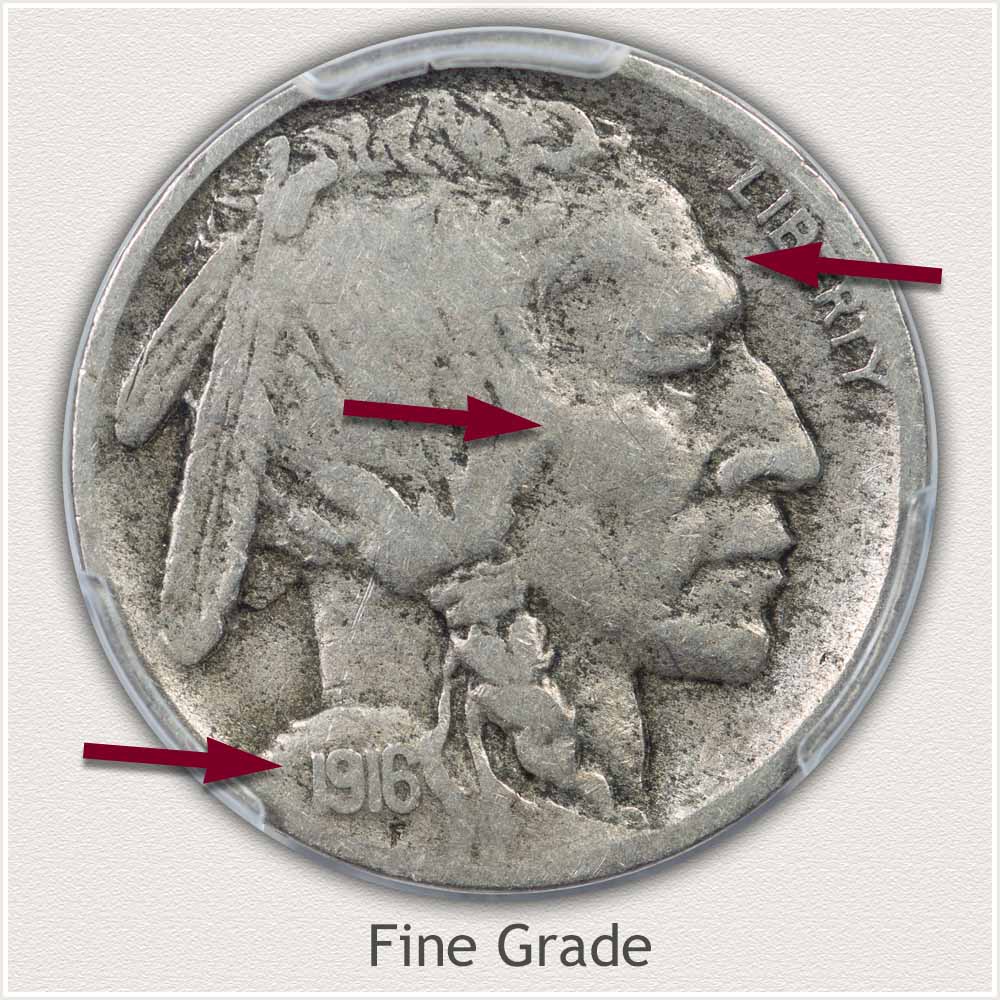 (fig. 9) Use the Highlighted Features and Determine a Fine Grade Buffalo Nickel
Any early year Buffalo nickel still showing ample detail fits into the above average condition. This coin has visible wear on its surface; however, many features remain bold. Facial contours within the portrait, bold hair strands, and a clear date, all display nicely on the example Fine grade nickel (fig. 9).
Judging this condition starts with comparing the distinct raised areas of the eyebrow and cheek just under the eye. Over the eye, the Indian's brow rises before showing signs of flatness. Same for the cheek area, a visible raised cheek remains under the eye. Flatness appears only at the top of the cheek contour. These subtle traits indicate the moderate wear category. Compare closely your coin with the example. Look for an eyebrow rising higher than a lower contour forehead and temple.
The date and its surrounding area begin to place this condition well within the collectible condition. Notice in the example, all digits are worn with a flat upper surface, the moderate wear condition. Significantly, all numbers show nearly full outlines. Only a small merged connection with the six and ribbon allows the rest of the date to remain clear. Nice quality nickels have clear and easily readable dates. When your coin compares favorably with these features, judge its condition as Fine grade.
Good Grade
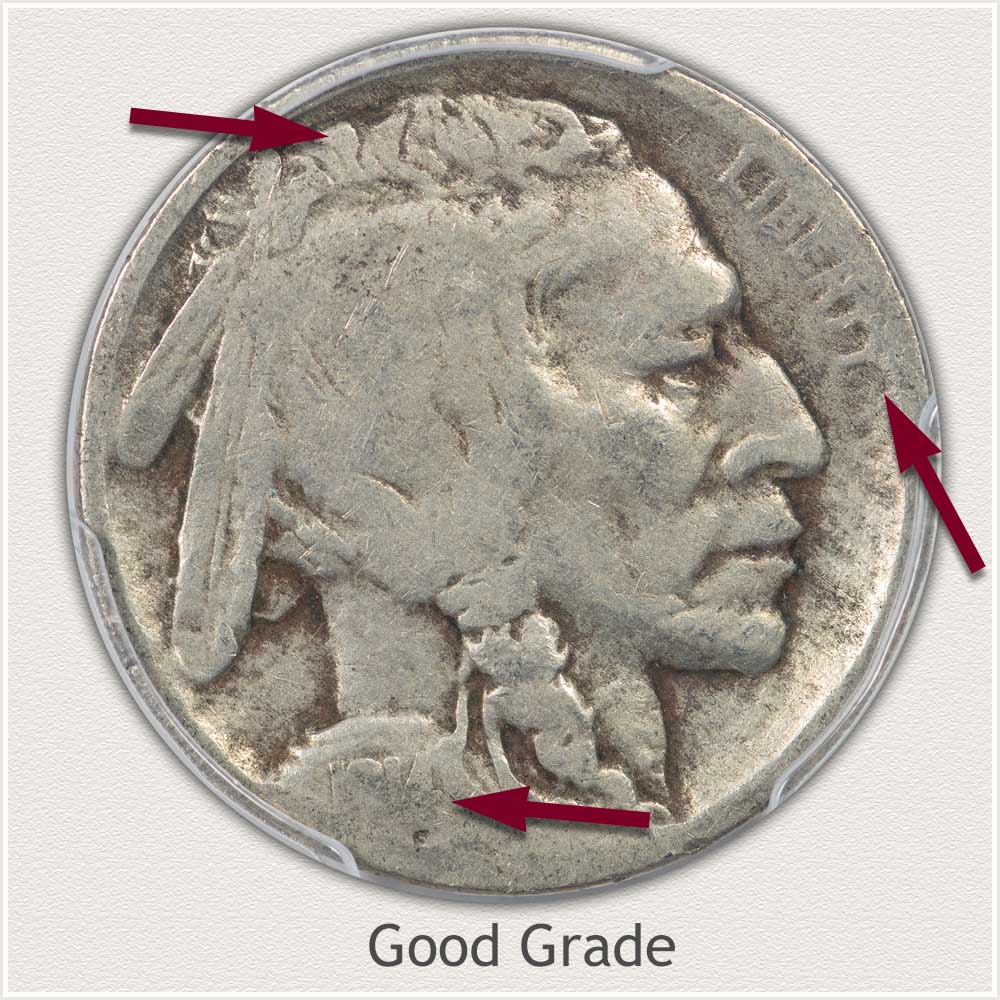 (fig. 10) Compare Features Highlighting a Good Grade Buffalo Nickel
Defining the Good grade standard, heavy wear has removed most of the fine line detail on a Buffalo nickel. Few visible hair strands, parts of the date, and lettering merging with the rim describe this level of preservation. Compare to the professionally graded example (fig. 10), noting the highlighted features.
First confirm lettering along the rim remains readable. Just in front of the Indian's portrait, letters of LIBERTY show some fading and merging with the rim. Placing the coin in the grade range, only the tops of letters show merging. The lower three quarters of each letter remain outlined.
When magnifying the date, often parts of the numbers appear raised and outlined. This heavy wear condition leaves the last two digits as the only conformation of the date. The date, a key feature, when worn to a partial state, limits the condition to the Good grade range.
As a bold feature, hair strands remain visible at the very top of the Indian's head. Above the part line, the many deep recesses give the overall condition a certain level of clarity. Note the lack of widespread merging and flatness when compared to hair detail below the hairline. This condition does retain an overall pleasing appearance. Good grade 1916 nickels place well within the collectible range.
How to Video: Grading Buffalo Nickels
Review the grading of your coin. Additional images and descriptions help find the key and often subtle features of a higher quality coin.
Grading Buffalo Nickels | Visual Grading Guides
Step 3: | Preserving a Coin's Special Qualities
There is a large disconnect between the values of any 1916 nickel and the large number of these coins produced. Noting the chart, all mint varieties show strong premiums extending all the way to coins in heavily worn condition. Secondly, the total yearly mintage of these varieties amounted to 108,691,000 nickels produced in 1916. A very large amount, even when compared to typical yearly totals of the entire series. The breakdown of each mint follows.
- 1916 Total: Philadelphia: 83,498,000
- 1916 Total: Denver: 13,333,000
- 1916 Total: San Francisco: 11,860,000
It becomes interesting when comparing values with initial mintage numbers. Today's high premiums indicate not many were saved during the early years of the series. Maintaining the coin's current level of preservation now becomes important when maintaining its high collector value. Safely guard the condition of your coin with methods and hobby supplies.
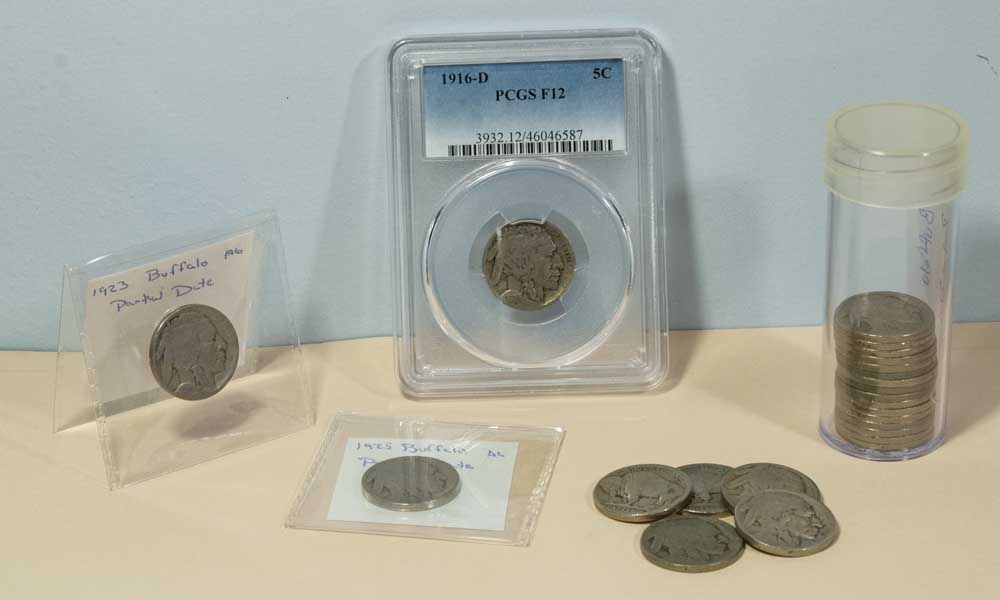 (fig. 11) Various Storage Options Specific for Buffalo Nickels
Any box of old coins has a few pieces worth special care. As a start, loose coins when housed in a coin tube limits coin to coin contact. The various Buffalo nickels in the image (fig. 11) stop abrading each when stacked in the "nickel" sized tube. This clear tube, made of inert Polystyrene also eliminates contact with elements found in typical storage areas.
Protect single coins in a Saflip coin holder. Place your higher quality and value coins in this type of holder. Using the Saflip houses the coin in an inert Mylar, double pocket holder. The example shows the coin in one pocket and descriptive card in the other. This approach allows handling, viewing, and recording key facts of the coin. Both the coin tubes and Saflips are specific hobby products sourced from Wizard Coin Supplies.
The center Buffalo nickel is in a PCGS holder. PCGS, a leading authentication and grading service, encapsulates each coin after their evaluation. The holder itself, made of inert materials, protects the coin when stored. The service and holder are part of an industry standard accepted by the coin market and collectors. Note the date, mint, and grade displayed on the holder.
As you evaluate these old nickels, handle them by their edges. Each Buffalo nickel has now reached a special quality level. A group of old coins prepared and stored with just a few select holders enjoys safe storage.
Facts of the date, mint issue, and judging condition narrow how much your 1916 nickel is worth. Maintaining these qualities preserves its value. Explore additional topics below.
References
U.S. Mint. 1917 U.S. Mint Annual Report.
https://nnp.wustl.edu/library/book/514130
U.S. Mint. Catalogue of Coins of the United States.
https://nnp.wustl.edu/library/book/554591
🔎What's next: Review the articles helping decide how to Value, their Demand and Popularity, and Record important details about your Buffalo nickels.
Coin Values | CoinStudy Articles
Date by Date
In Depth Buffalo Nickel Value
1913 to 1938
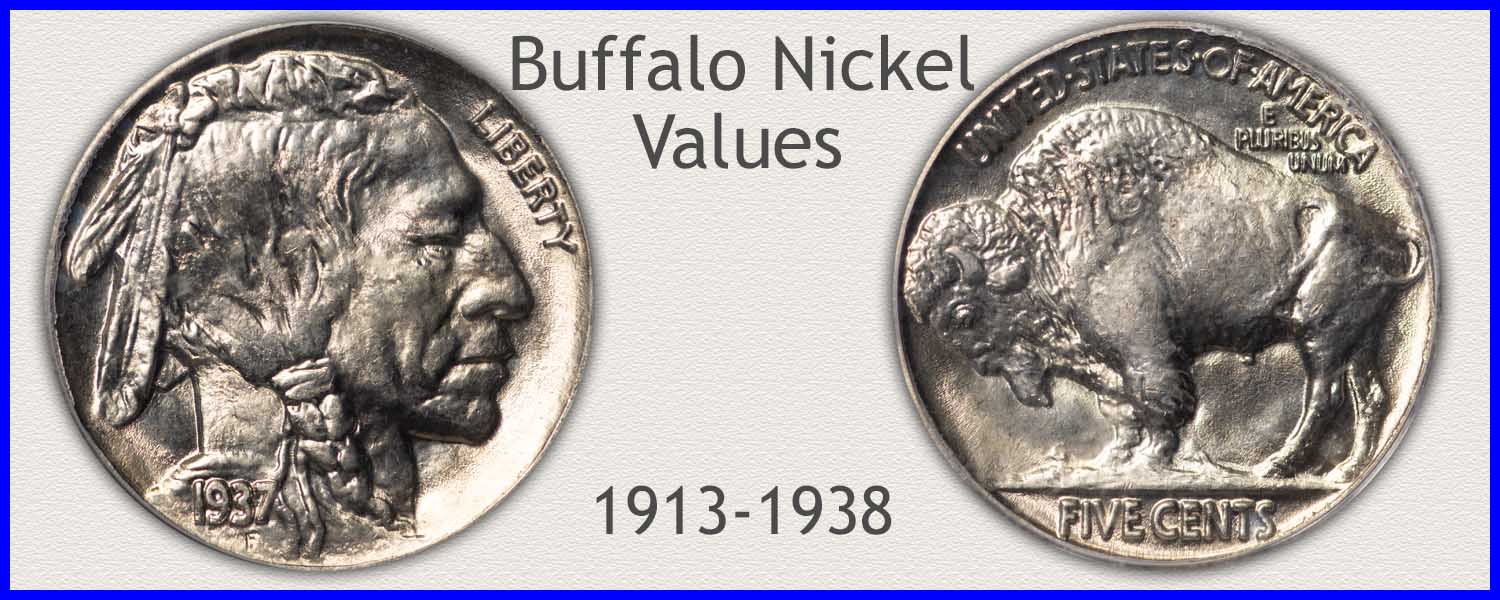
Buffalo Nickel Value | How to Find the Rare Ones
A very popular coin series rising in value. Even coins without dates are valued at over ten cents. Today, collectors are closely examining Buffalo nickels. They intensely search for special dates and higher condition examples. Often large value differences are found in just a minor improvement in how well the coin is preserved. Collector preference creates a demand showing in strong values on the charts. Follow the steps to correctly identify and judge your old nickels.
Coin Grading Services | Professionally Evaluate Your Coin
A premium 1916 nickel often requires additional evaluation. Professionals at these coin grading services first authenticate the coin. Next a grade is established. Then the service encapsulates the coin. This combination gives premium value coins market acceptance of their condition and grade.
Selling Coins | How to Get the Best Value
Selling coins follows a defined method. Organize and research the value of the coin. Secondly, research for a dealer with an interest in the coin. Reference the selling guide and refer to listings of dealers to contact.
Print the Coin Values Worksheet
Print the Coin Values Worksheet to list your coins and record their values. Should you decide to sell... use a copy of the worksheet as a packing slip.
Popular Coin Series | Solid Value Buffalo Nickels
Coin series enjoy different levels of popularity within the hobby. Buffalo nickels are avidly collected and pursued. Values are directly related to their interest by collectors. Knowing a coin is in demand by many is an understanding of your coins.
★Coin Values Discovery... finds 1916 nickel value and...
An image guide highlights details about important features on old coins. Using both descriptions and images, identify dates and mint varieties, condition of the coin, and special qualities. A step-by-step process discovers how much a box of old coins is worth.