Coin Values Moving with Precious Metals: Up-Dated 9/21/2026: Gold $4350 | Silver $65.98
1938 Nickel Value
1938 nickel value represents a rare transition year in the U.S. nickel series. The year began with the last of the Buffalo nickels produced. This old Indian design was replaced with the new Jefferson design. 1938 was a year of two series of nickels and three different mints striking coinage. Released into circulation was a total of four distinctly valued coins.
Inspecting your coin using a defined method determines step-by-step the key features that determine how much it's worth. These popular series record a wide range on the value chart.
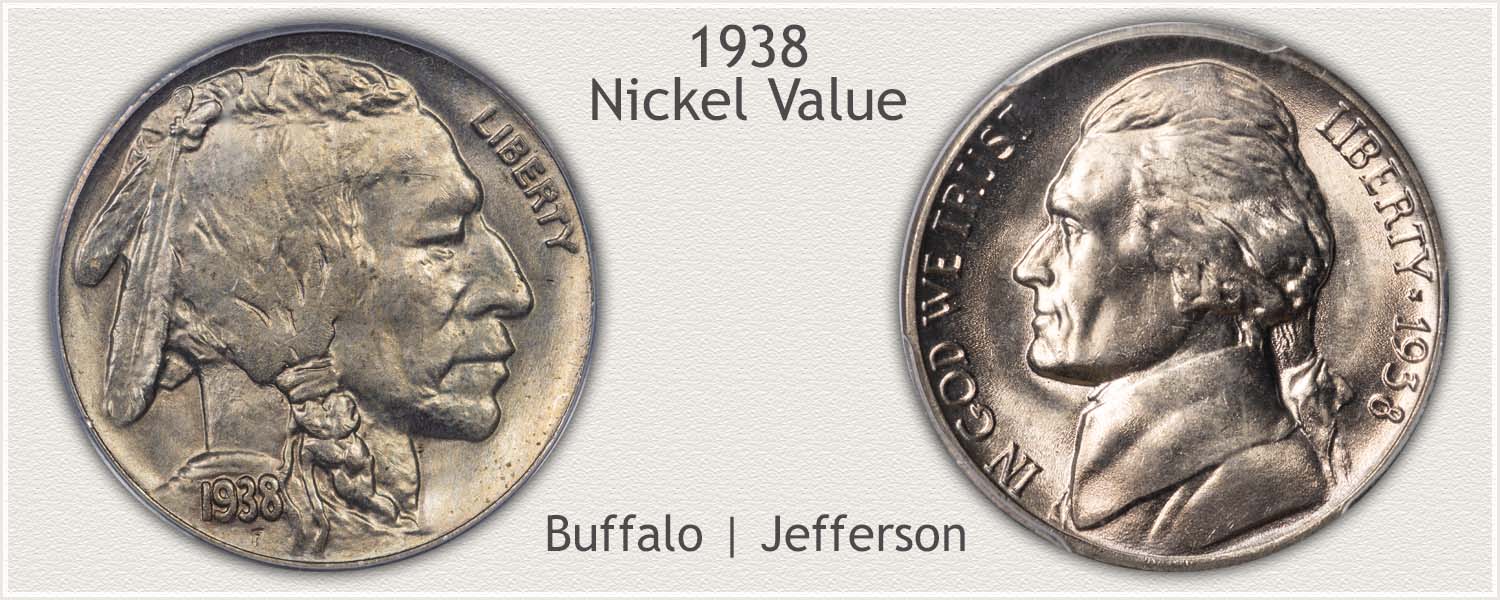 (fig. 1) 1938 Nickels Spanning the Buffalo and Jefferson Design Series
Steps Leading to Value:
- Step 1: Series, Date, and Mint Variety Identified: Either a Buffalo or Jefferson nickel requires an accurate reading of the date and mintmark.
- Step 2: Grading Condition: Use the grading images to determine a close range of condition.
- Step 3: Special Qualities: Historical position of these nickels shows as strength in their values on the chart.
| 1938 Nickel Value | ||||
|---|---|---|---|---|
| Condition of Coin | ||||
| Date | Good | Fine | Extremely Fine |
Mint State |
| 1938 Nickel Value Updated | 2026 | |||
| Buffalo Series | ||||
| 1938 D | $2.17 | $2.93 | $5.68 | $22 |
| Jefferson Series | ||||
| 1938 | $0.05 | $0.05 | $0.25 | $6.67 |
| 1938 D | $0.43 | $1.18 | $1.75 | $6.33 |
| 1938 S | $0.74 | $1.55 | $3.50 | $5.93 |
Refer to the chart as a range of wholesale values. Subtle qualities influence values within each grade category.
Follow these next inspections and accurately identify the requirements for a full description of the coin.
Step 1: | Series/Date/Mint Accurately Recorded
Confirming the 1938 Nickel
Date and mint combinations form important elements of scarcity and demand of any old coin. A full description of the coin requires these two facts.
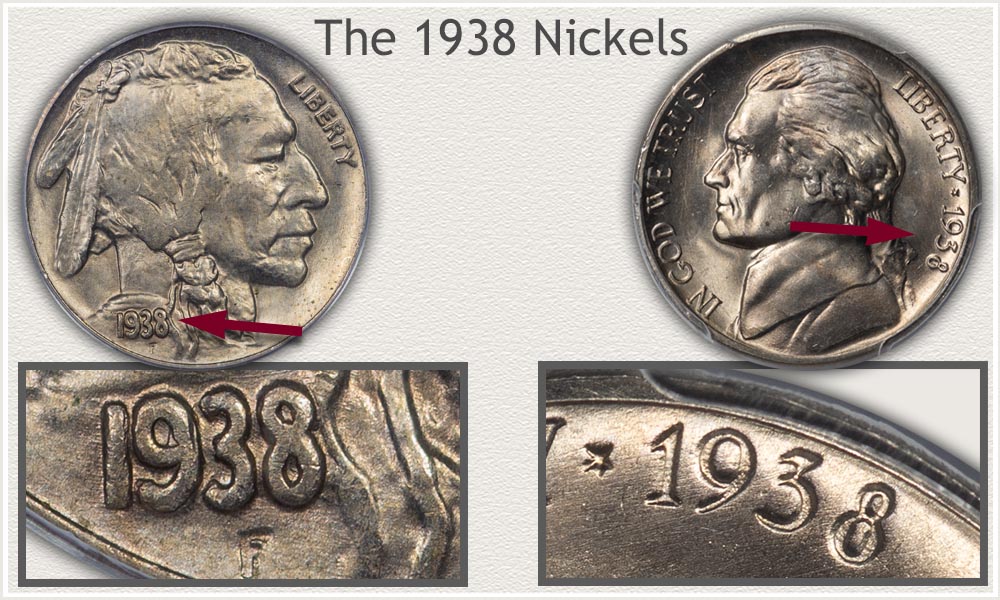 (fig. 2) Clear Views Help Identify the 1938 Buffalo and Jefferson Nickels
Buffalo Nickel Date: Use the close-up illustration helping identify the small numerals of the date. The "1" and "9" are often faded when worn; rely on the "38" to determine the date.
Jefferson Nickel Date: This date is also relatively small. Inspect the illustration (fig. 2), notice the specific form of the "3." Confirm the "3" is not the similar looking "5."
Identify the Important Mintmarks
The Mint of Issue becomes the second important fact to identify. Three mints struck the nickels of 1938. Philadelphia, Denver, and San Francisco all contributed, producing nickel coinage.
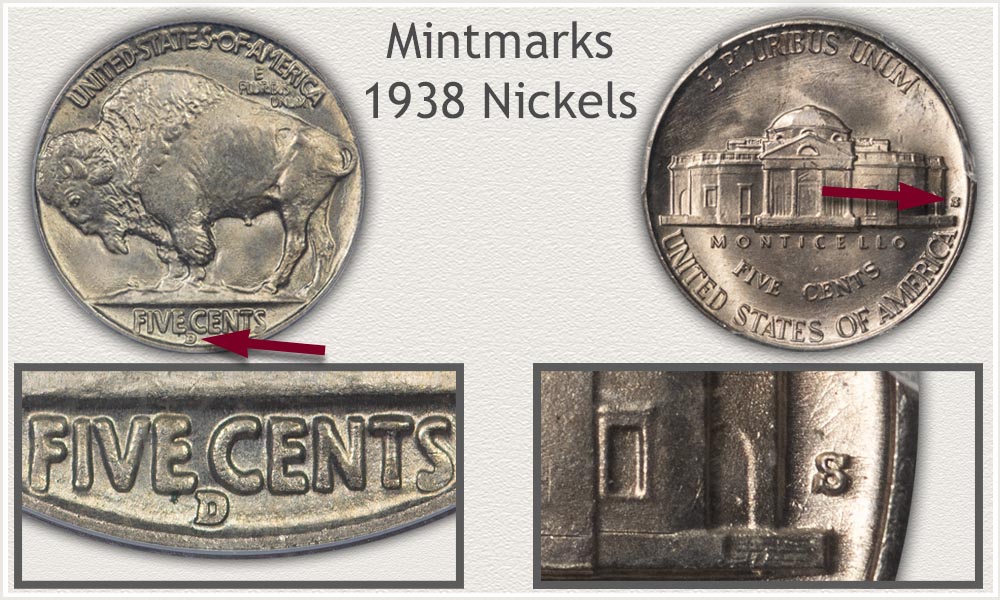 (fig. 3) Identify the Mintmarks on 1938 Buffalo and Jefferson Nickels
Buffalo Nickel Mintmark: 1938 became a unique year in the Buffalo nickel series. It is the only year the Denver mint struck all Buffalo nickels. Denver used a "D" mintmark to identify its coinage. All 1938 Buffalo nickels show this "D" mark located just inside the rim at the bottom of the coin.
Jefferson Nickel Mintmarks: Starting the new design series, three mints produced Jefferson nickels. The two branch mints, Denver, and San Francisco, placed mintmarks on these nickels. A "D" indicates Denver and an "S" indicates San Francisco coinage. Philadelphia did not use mintmarks at the time. Absence of a mintmark identified Philadelphia coins.
At the right side of Monticello, find the small mintmarks of Denver or San Francisco. If there is No Mintmark the Philadelphia mint struck the nickel. Notice the above chart shows a wide value difference of the 1938 nickel varieties.
With the important facts of Series, Date, and Mint identified, the condition of the coin further narrows its value range.
Step 2: | Condition: The Next Key Factor of 1938 Nickel Value
Condition of the coin is the next consideration determining its appeal and worth to collectors and the market. Within the hobby, stages of wear on a coin's surface are given grading terms. As example, Mint State defines a coin without any wear across the surface. These terms and definitions, when combined with images, help compare the stages of condition. Start with finding a close match of your coin with the images below. Descriptions define the key factors deciding a narrow grade range.
Mint State Grade
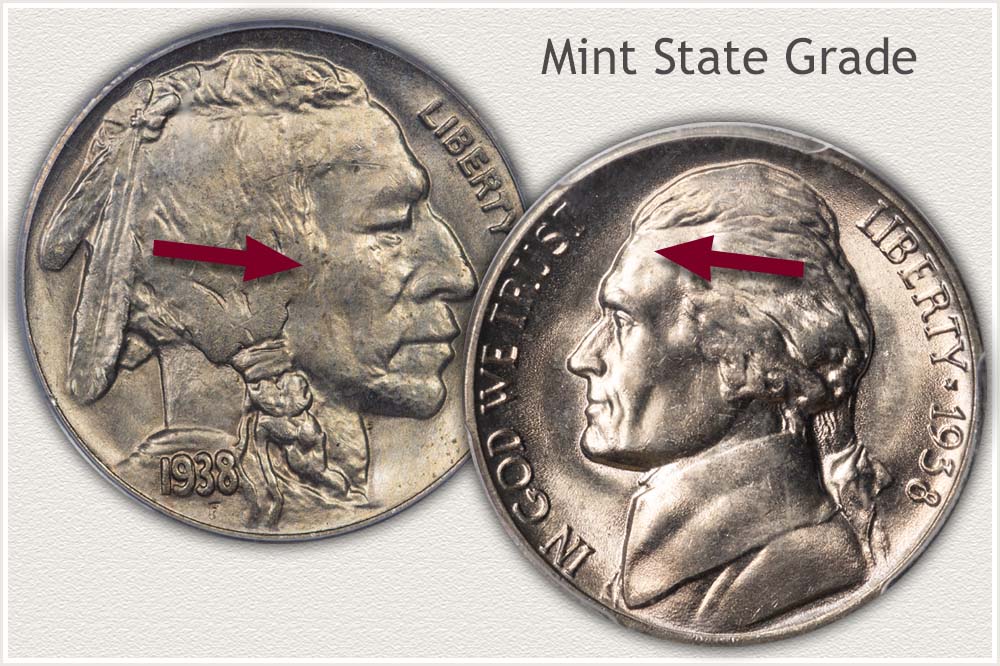 (fig. 4) Grading Points Used When Identifying Mint State Grade Buffalo and Jefferson Nickels
No wear on their surface defines nickels in Mint State condition. This is the top collector grade, and typically a coin displays original luster. Under a light the unworn surface shines with a brilliance.
To judge this condition, check the high points of design. On the Buffalo nickel, inspect the cheek and hair just above the forehead. If worn, the cheek and hair show dullness and flattening on the top surface.
Inspect for evidence of wear on the Jefferson nickel at the forehead, just above the eye. Here luster remains without any smoothing of the metal. The sparkle of luster also remains on Jefferson's portrait.
Extremely Fine Grade
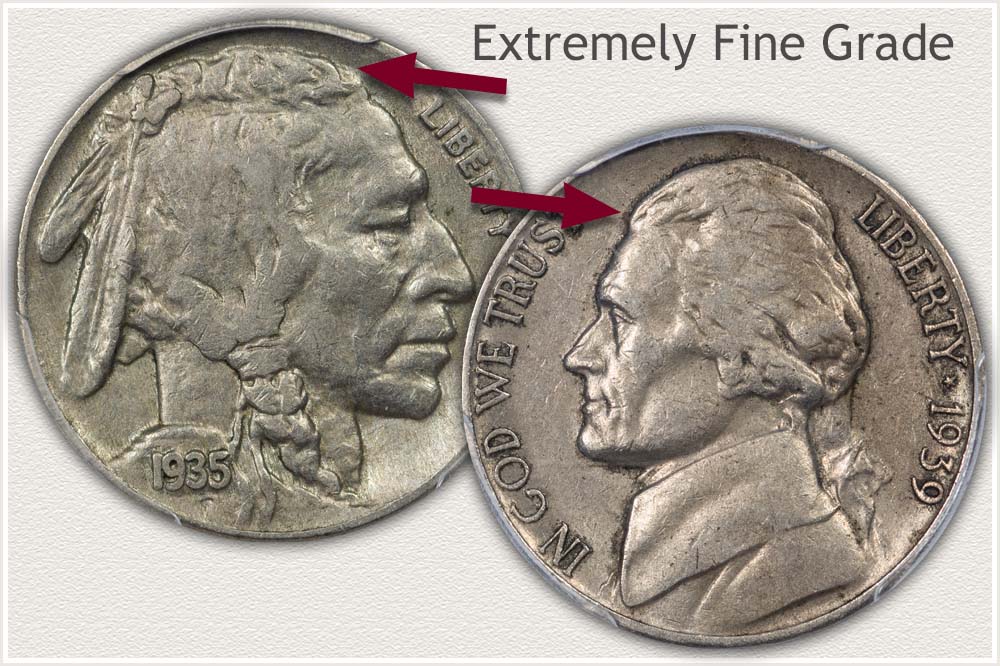 (fig. 5) Key Features of Remaining Detail on Extremely Fine Condition Buffalo and Jefferson Nickels
Extremely Fine condition defines a coin showing only light wear. Top contours appear with just small areas of flatness. The shine of mint luster appears subdued. The coin takes on a gray color.
Buffalo nickels show small flattened areas within the hair detail at the top of the Indian's head. Also, a smoothness has flattened the contour of his eyebrow.
Compare your coin to the Jefferson nickel illustration. Notice the metal loss within hair strands near Jefferson's forehead. The second area, towards the top of his head, displays light wear, merging hair strands.
Fine Grade
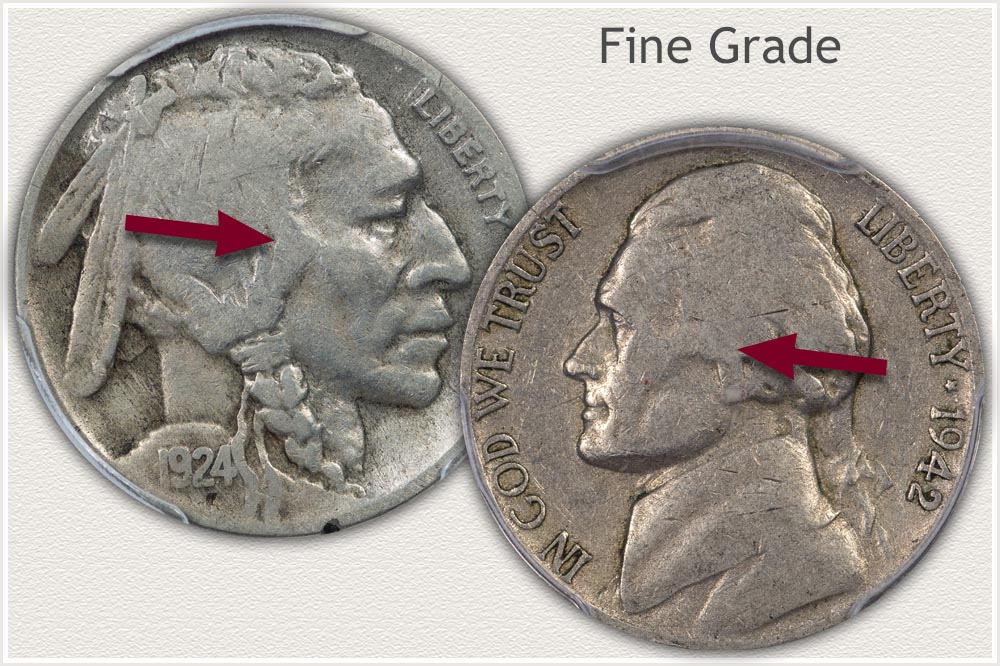 (fig. 6) A Close Match With the Features Highlighted Indicates the Fine Condition Buffalo and Jefferson Nickel
At the Fine condition level, wear now appears in moderate amounts over the entire surface. Notice areas of flat metal and many areas of smaller and finer detail on each of the portraits.
Buffalo nickels in Fine condition still display separation of hair lines from the Indian's face. Additionally, the cheek area remains bold.
Focus on Jefferson's cheek below his eye. A flattened but still raised cheek remains. Only a small flat metal connection shows between the cheek and hairline near the ear.
Good Grade
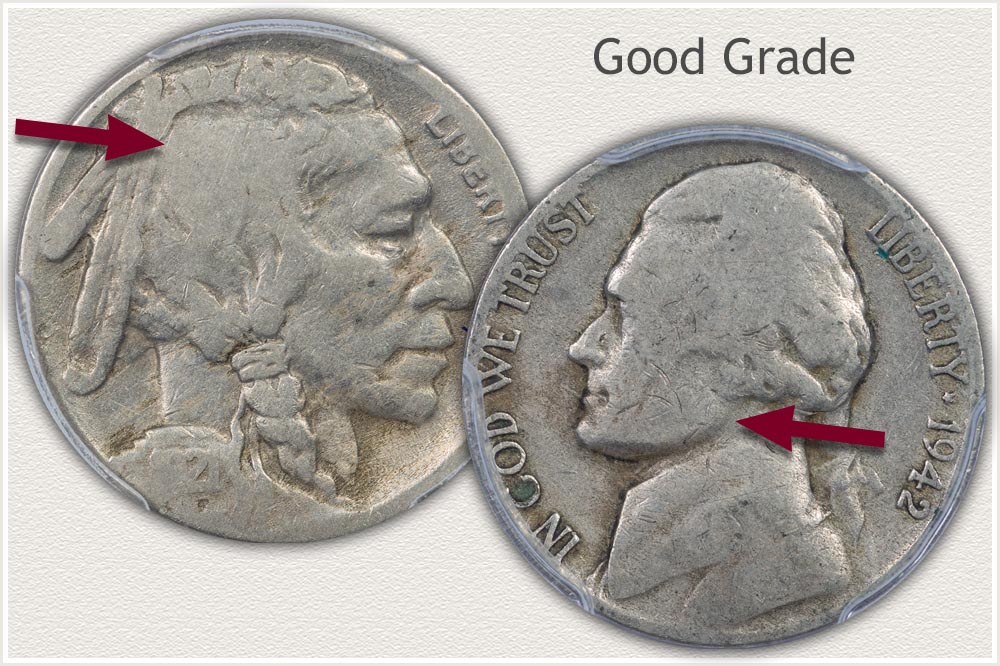 (fig. 7) Many Smooth Surfaces Indicate Good Condition Buffalo and Jefferson Nickels
Heavy wear removing most of the detail of a coin's design describes the Good condition nickel. Once detailed portraits are now smooth with a strong outline. Dates and mintmarks remain readable enough to identify.
Looking closely at the Buffalo nickel finds the portrait complete, although there are wide and smooth surface areas.
Jefferson's portrait appears with only a strong separation of his face from the coat collar below. Missing hair detail and lettering merging with the rim place this condition nickel in the Good grade range.
Step 3: | Special Qualities
Each variety of 1938 nickel has an appeal to collectors and the coin market. The ending year of the Buffalo series features a one mint production and relatively low mintage. Each of the Jefferson nickel varieties becomes the beginning of a Jefferson series collection. Combining both a 1938 Buffalo and 1938 Jefferson nickel forms a complete mini nickel collection.
The last Buffalo nickel of the series has a distinct historical appeal. Only minted in Denver, they are less common than other years. This gives the coin a value advantage.
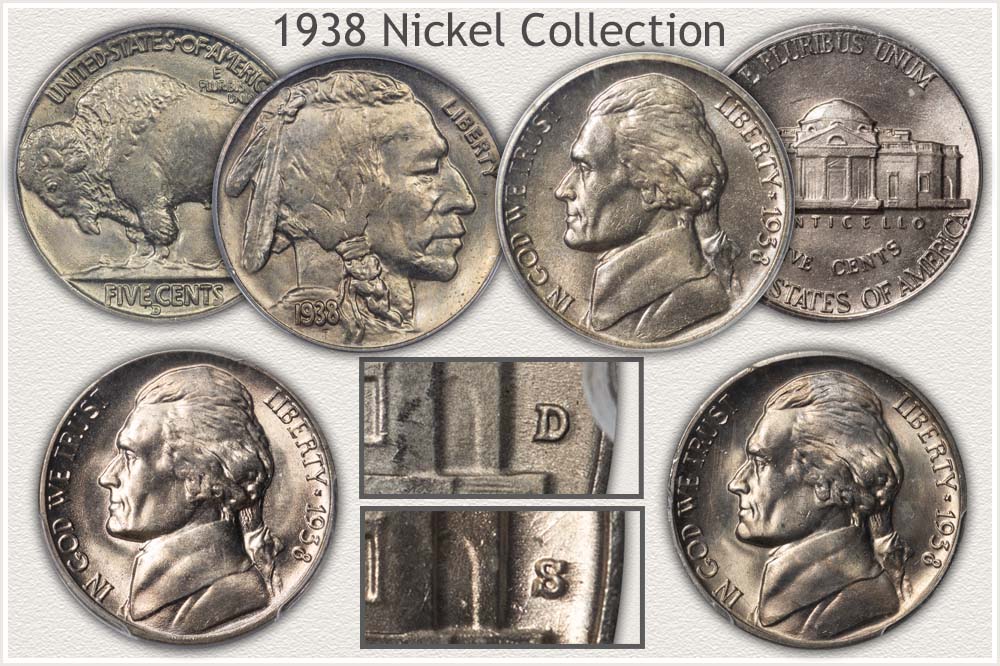 (fig. 8) The Nickels of 1938 Presented as a Collection
Jefferson nickels of 1938 also share historical appeal. Three mints struck these "first of series" nickels. Branch mints, Denver and San Francisco, produced numbers on the low side. As a result, show premium values. Philadelphia 1938 nickels also recorded a mintage on the low side. Their premium begins to expand when found in higher grades of condition.
In total, nickels of 1938 enjoy demand from Buffalo and Jefferson nickel collectors. Consider these coins as solid in value with solid demand.
References
U.S. Mint. 1939 U.S. Mint Annual Report
https://nnp.wustl.edu/library/book/514143
Coin Values | CoinStudy Articles
Detailed overview of the unique 1938 Buffalo Nickel. Use the additional date, mint, and grading images and descriptions to determine how much they are worth.
Always important to collectors, review the in-depth descriptions of the key features that determine their value.
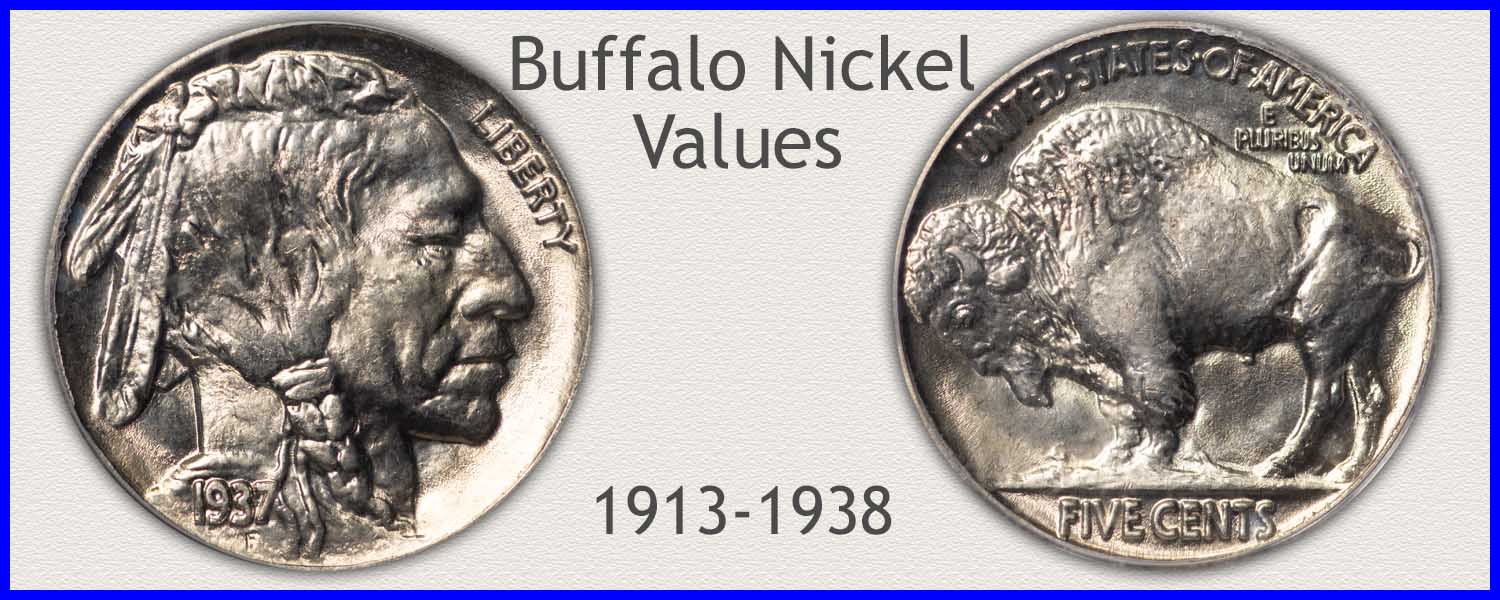
Buffalo Nickel Value | The Complete Series
Buffalo nickels, now an old series of U.S. coinage, have many scarce to rare issues. The value chart, covering all dates and mints, highlights these uncommon coins.
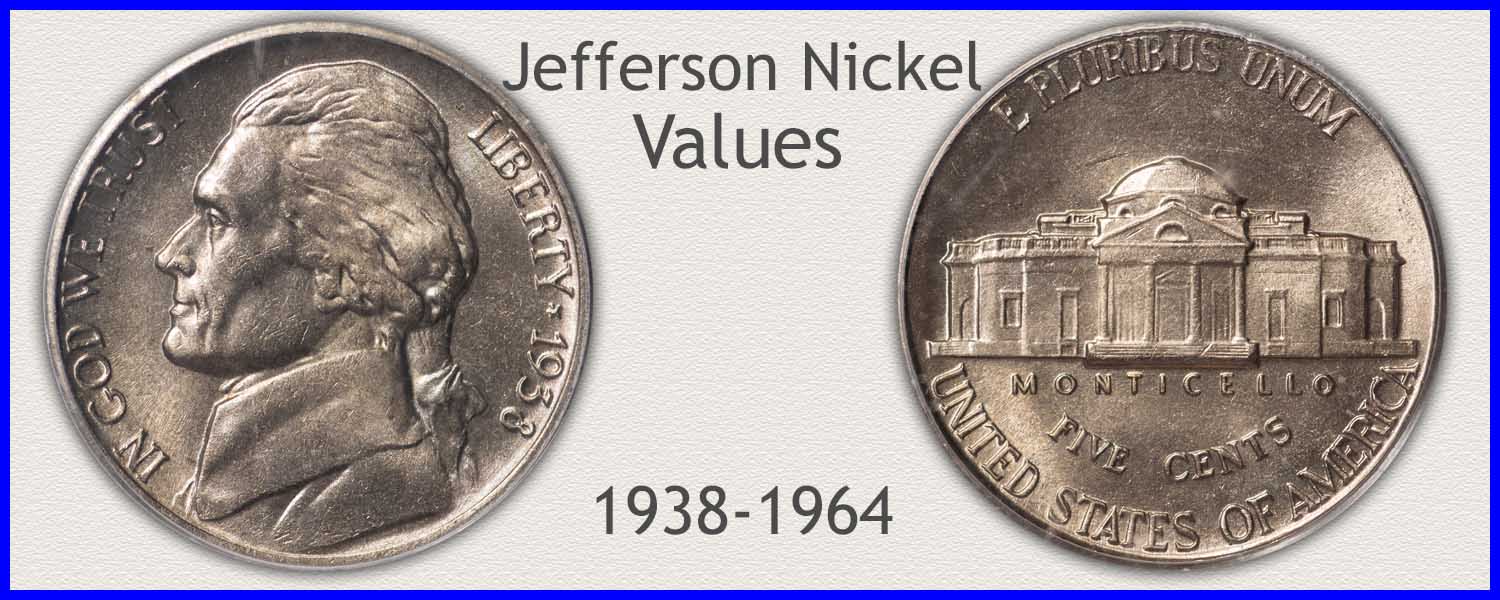
Jefferson Nickel Values | The Complete Series
Review the value chart and notice the premium values of the 1938 issue. First year of the Jefferson nickel series shows a solid demand.
★Coin Values Discovery... finds 1938 nickel value and...
All old US coin values. It is an excellent index with images and text links to coin series, from Cents to Gold. Value charts, grading images, and descriptions uncover how much your box of old coins is worth.