Coin Values Moving with Precious Metals: Up-Dated 9/14/2026: Gold $4326 | Silver $63.61
1926 Nickel Value
Identifying the mint that struck the coin determines premium 1926 nickel value. Three mints produced 1926 nickels, all valued separately. This fact, along with the coin's condition, accurately finds its place on the chart.
Using a step-by-step method plus images, recognize a worn, semi-clear date. Then verify the important mintmarks identifying the mints. Next, judge the coin's condition using a comparison with grading images. Note a steep rise on the chart depending on condition. These key facts narrow how much it is worth.
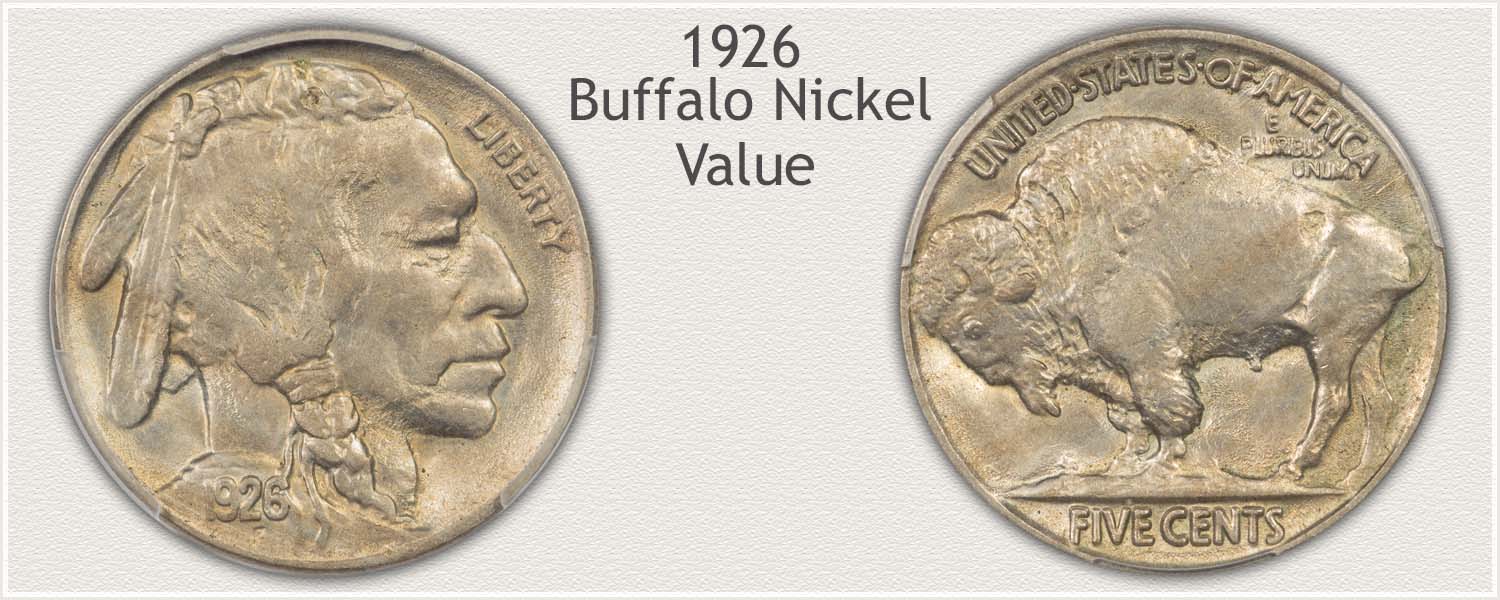 (fig. 1) Obverse and Reverse Views Confirm a 1926 Buffalo Nickel
Steps Leading to Value:
- Step 1: Date and Mint Variety Identified: Verify both the date and mintmarks used as part of a complete description of this collectible nickel.
- Step 2: Grading Condition: Follow the process of "grading" condition using images as reference. Find an accurate listing on the value chart.
- Step 3: Special Qualities: Study of Mint Records Identifies the Demand for 1926-S Nickels.
| 1926 Nickel Value | ||||
|---|---|---|---|---|
| Condition of Coin | ||||
| Date | Good | Fine | Extremely Fine |
Mint State |
| 1926 Nickel Value Updated | 2026 | |||
| 1926 | $1.04 | $2.17 | $10 | $41 |
| 1926 D | $7.80 | $23 | $130 | $309 |
| 1926 S | $24 | $59 | $826 | RARE |
Above are averaged wholesale values, an excellent starting point range. Use as a guide and range when determining how much your coin is worth.
Step 1: | Date and Mintmark Combinations | Three to Recognize
Three mints produced Buffalo nickels in 1926. This provides three collectible varieties and three different value potentials. With a wide range in value noted on the chart, first confirm the exact date. Inspect the lower part of the coin near the rim. The date shows on the Indian's shoulder. If the area appears faded, techniques used to identify a semi-clear date follow in the next section.
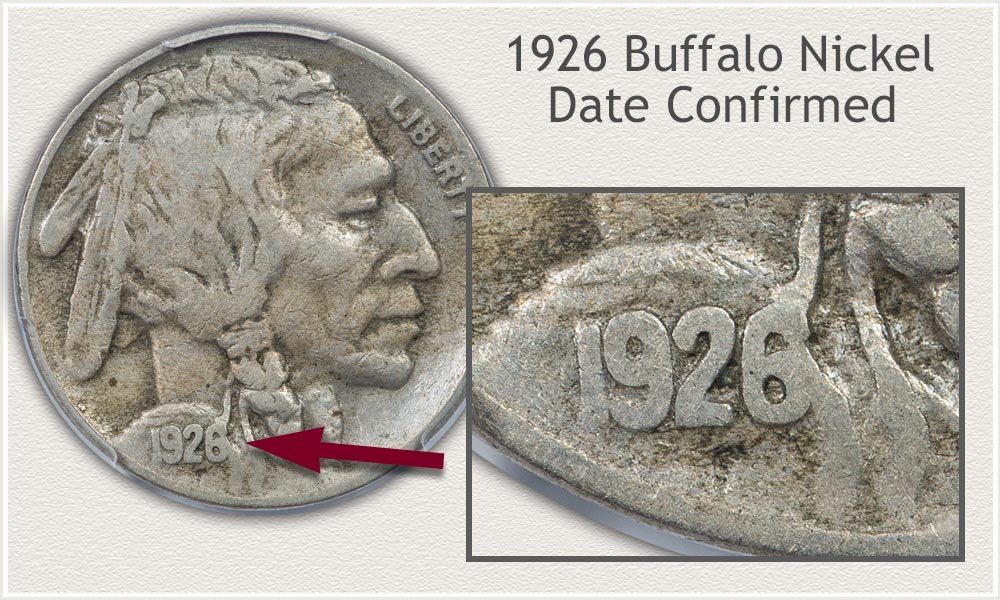 (fig. 2) Locate and Record the Date of the Buffalo Nickel
How to Recognize a Semi-Clear Date 1926 Buffalo Nickel
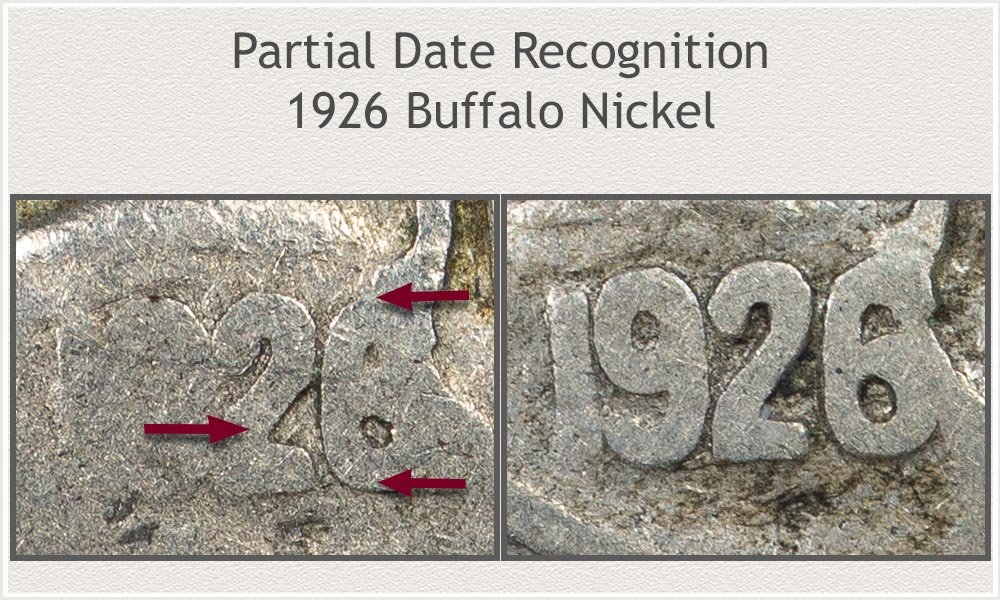
Because of age, usage, and wear, only parts of the date often remain on Buffalo nickels. This is very common because of the date's high relief position. Focusing on key areas within the date determines the features specific to the year. Notably, all Buffalo nickels were minted in the 1900s. Also, the first digits "19" became a typical missing part of the date. Refer to the image (fig. 2) and the following techniques helping confirm the "26."
 (fig. 3) Highlighted Features Identifying a 1926 Buffalo Nickel
On the coin imaged, the "1" and "9" of the date have worn smooth; only the last digits show partially. Missing the first two digits is common within the series. Focus on the last two digits. A typical wear pattern on 1926 nickels leaves the right side of the "6" merged with the Indian's shoulder. Often, only the area between the "2" and "6" has enough remaining detail to determine the date.
A triangle shaped feature indicates the number "2." Along the right side of the triangle begins a full, top to bottom continuous curved side of the "6." It is the visible continuous curved side feature used to indicate a "6" is the last digit of the date.
Using the triangle and continuous curve features confirms the date as 1926. Next step; determine the mint striking the coin.
Date and Mint Combinations of 1926 Buffalo Nickels
When viewing the above value chart, the 1926-S listing shows high premiums over the others. The "S" represents the mintmark used on San Francisco's minting of 1926 nickels. Three listings represent the mints producing nickels at the time.
Two of the mints, San Francisco and Denver, used a small letter mintmark to identify their production. An "S" for San Francisco and a "D" used by Denver. These marks were placed under the FIVE CENTS just inside the rim. Of note: Philadelphia, the main mint, did not use mintmarks during the Buffalo nickel series. An empty area under the demonization identifies the Philadelphia variety nickel.
Series Rarity "S" Mintmark Nickel
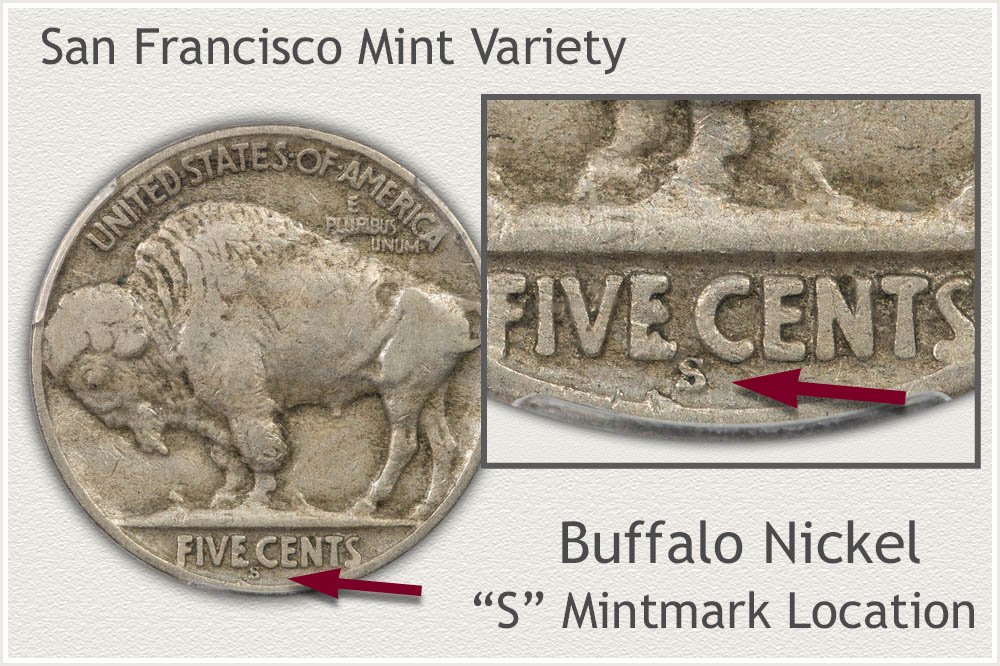 (fig. 4) Verify the "S" Mintmark 1926 Buffalo Nickel
The 1926 nickel produced by the San Francisco mint became the lowest mintage issue of the entire Buffalo series. Any coin of such a low mintage draws the interest of collectors. This coin is scarce on the rarity scale. It also shows very strong values across the entire condition range. From a heavily worn example in Good grade through the Mint State grades. Typically, few trade in Mint State condition per year.
Mint records show 960,000 minted. A unique nickel, as the only issue with less than a million struck. A scarce coin recognized early with a long history of popularity among both collectors and the coin market. Inspect the date closely, and confirm the "S" mintmark on the reverse.
"D" Mintmark Nickel
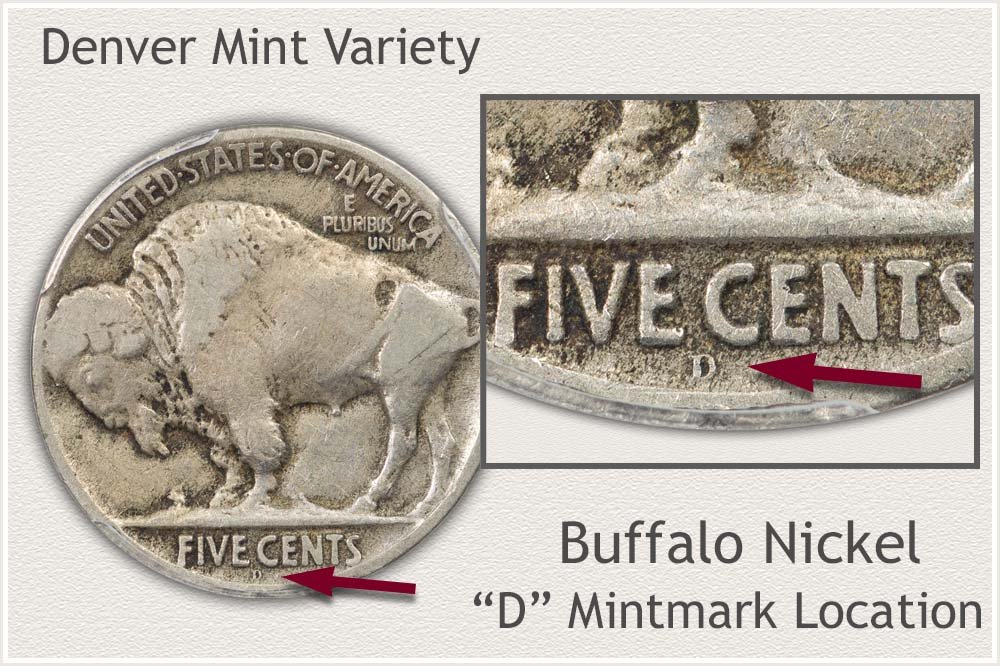 (fig. 5) Location and View of the D Mintmark on a Buffalo Nickel
The 1926 Denver nickel is also a premium issue of the year. Recording a mintage of 5.6 million, it became one of the lowest production totals for the Denver mint. Demand for the coin in all levels of preservation shows as strong premiums listed on the chart.
Importantly, collectors consider high quality examples of this Denver mint coin elusive. Values show a rapid rise when clear detail appears in the date, hair, and feathers. Overall, this coin rates as a key date and variety in the Buffalo Nickel series.
"No" Mintmark Nickel
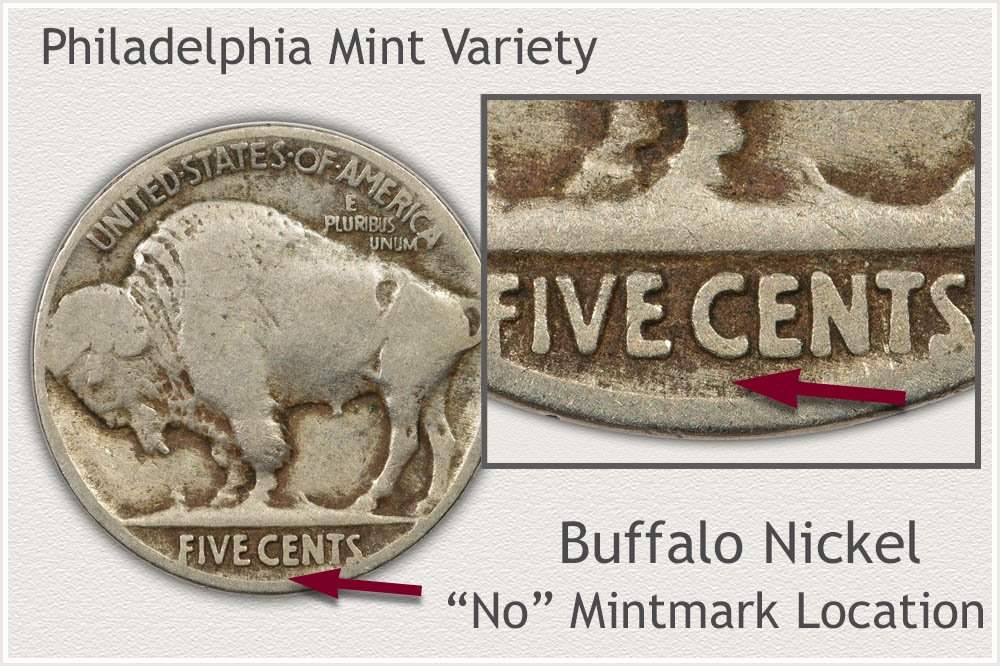 (fig. 6) No Mintmark Verifies the Philadelphia Mint Buffalo Nickel
The Philadelphia mint struck most of the 1926 yearly production of Buffalo nickels. Placing into circulation over 44.6 million coins. Today this issue ranks as common on the rarity scale. However, they are only common in heavily worn condition. Detailed examples with few areas of wear and flatness on the surface are less frequently found. Market values of higher quality examples show nice premiums on value charts.
A pleasing example finds ample demand with new collectors looking for a Buffalo nickel from the 1920s. Compare to the image (fig. 6) and confirm the no mintmark Philadelphia nickel.
Condition of the coin's surface now becomes the important factor determining its value. Compare your coin to the grading images just below.
Step 2: | Determine Grade Using a Comparison Method
This next step, after recording date and mint, focuses on the coin's condition. Different "grades" listed on the chart represent market terms for various stages of preservation. Examine the overall quality of your coin, and compare it to the images of different grades below. An initial quality judgment finds a close match with one of the graded coins.
Now refer to the grade's description. Highlights within the description point to key features deciding on condition. Visible details required to meet the grade, when identified, help confirm a narrow grade range.
Using the comparison approach of your coin with the images, add a single light source. One light casts a strong shadow on the surface of a coin, deepening the contrast of high and low contours. Holding the coin by the edges, tilt the surface at different angles. Note how faded details begin to appear.
Mint State Grade
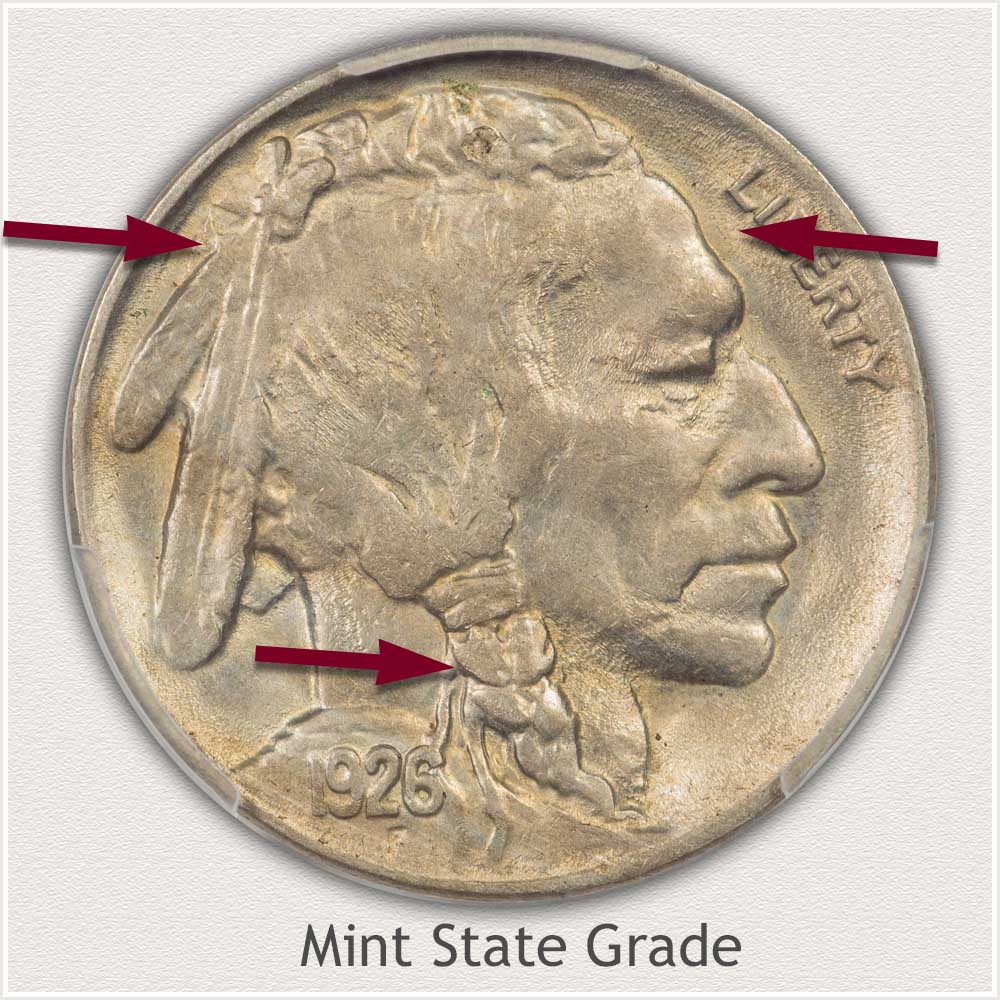 (fig. 7) Use the Highlighted Features When Grading a Mint State Condition Buffalo Nickel
Confirming the absence of wear on a coin's surface identifies the Mint State grade. Using the strict definition of "no wear," inspect three areas to recognize this quality condition. Fine detail within the feathers, the Indian's forehead, and small focal points within the hair braid.
Within the grading areas, examine both the highlighted feature and its surrounding metal during your inspection. In Mint State condition, high points appear similar to lower areas. Both reflect the same quality of light and display matching textures on the surface.
Two finely detailed feathers provide a grading feature. High raised edges on both the large and small feathers show a similar brilliance to their inner detail. If worn, this reflective light appears as a dull shine on higher points when compared with lower relief.
Next, examine the metal texture and shine of the Indian's forehead. Comparing with the example, note how the Indian's forehead has a consistent brilliance flowing over high and low contours. Looking closely, the metal has a fine texture on its surface. Worn metal loses this subtle texture, becoming smooth and a soft gray color.
Third area is the braid of hair extending just below his chin. Each braid shows rounded, high contours with a deep recess between. As grading features, surface quality remains similar on high and low areas. Both reflect similar light qualities with similar metal texture.
Three grading areas, all appearing with similar reflective qualities help identify the Mint State condition.
Extremely Fine Grade
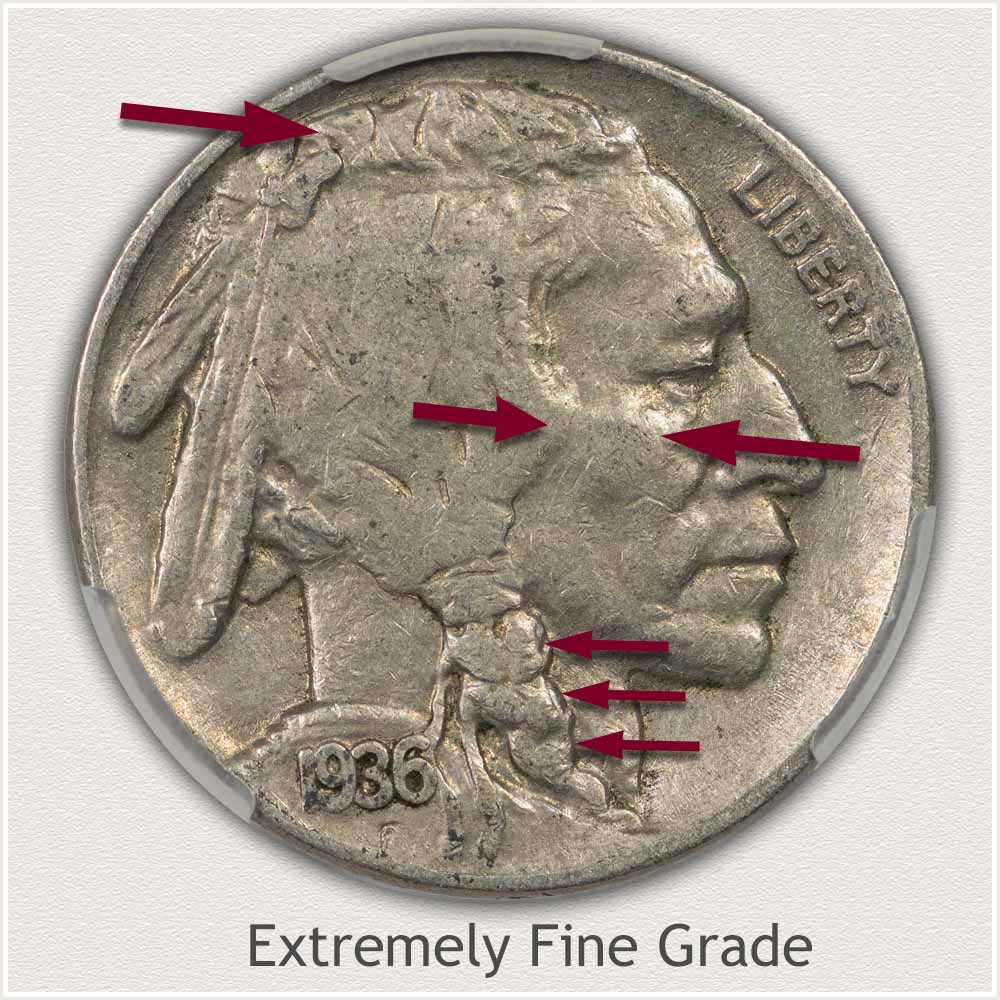 (fig. 8) Compare to the Highlighted Features Helping Recognize an Extremely Fine Grade Buffalo Nickel
Focus on three areas of the illustrated Extremely Fine grade nickel (fig. 8). A slight amount of wear appears at the top of the Indian's head. Also note some smoothing of high facial features and high points of the hair braid. Light wear affecting only the highest points defines this grade level.
When these coins circulate, wear begins to reduce the height of upper contours. This wear causes the surface to flatten across high points of contours, showing a distinct flat spot. Looking closely at hair detail at the very top of his head illustrates this effect. Above the part line, deep recesses separate high relief hair strands. The highest curves of the strands show small areas of smooth and flat metal, a loss of detail. This example coin shows the Extremely Fine grade level of wear.
Examine facial features next. His cheek presents a high area smoothed by a small, level, and flattened spot. A full separation from the hair detail nearby indicates only light wear smooths the cheek. This coin fits the light wear category.
Just below the chin starts a bold hair braid. These braids rise high above the lower shoulder line. On each braid, a small amount of flattened metal shows at the tops of contours. Typically, the uppermost braid exhibits the largest loss of roundness.
A favorable match of your coin with the example places it within grade range. If qualities of all three areas match the illustration, it is strong for the grade.
Fine Grade
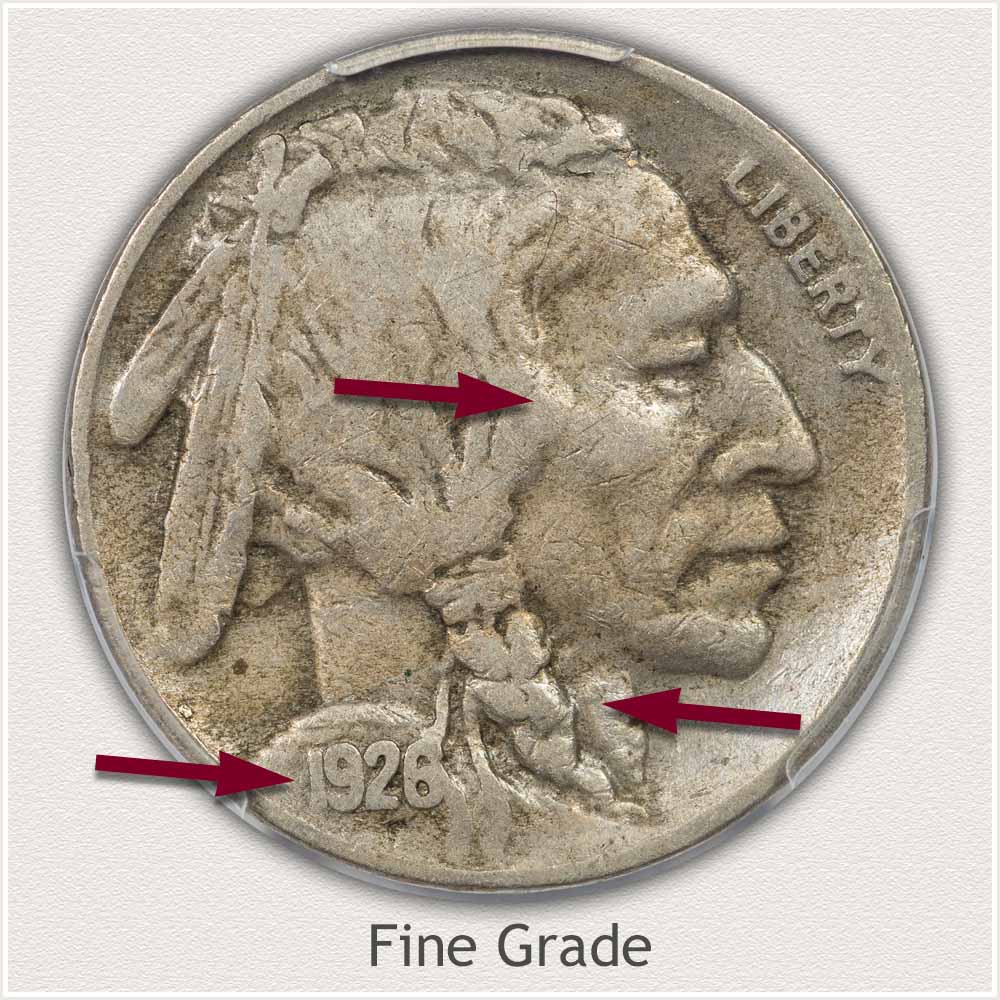 (fig. 9) Comparing and Matching to the Highlighted Features Judges a Fine Grade Buffalo Nickel
At the Fine grade level, compare your coin to a professionally graded example, helping determine its condition. With a possible added premium, focus on three key grading elements. Hair braid detail, fullness of the cheek, and clarity of the date. These features require a certain level of completeness despite the moderate wear on their surface.
The Indian's hair ends with a braid feature tied with a ribbon. Inspecting and comparing the example (fig. 9) note the distinct separation of the braids. Wear does flatten and lower the design without merging major features. Confirm on your coin this similar look of completeness.
With its bold high and low contours, the Indian's cheek below the eye shows only a slight amount of flatness. The cheek's high point remains separate from the hair line to its left. Note the lower relief area separating the cheek from hair.
At this condition, the date often displays the greatest wear. Numerals once raised and rounded now show a distinct flattened appearance. Although lowered, each outline of the numbers remains intact. This completeness and clear visibility of the date support the Fine grade level of preservation.
Good Grade
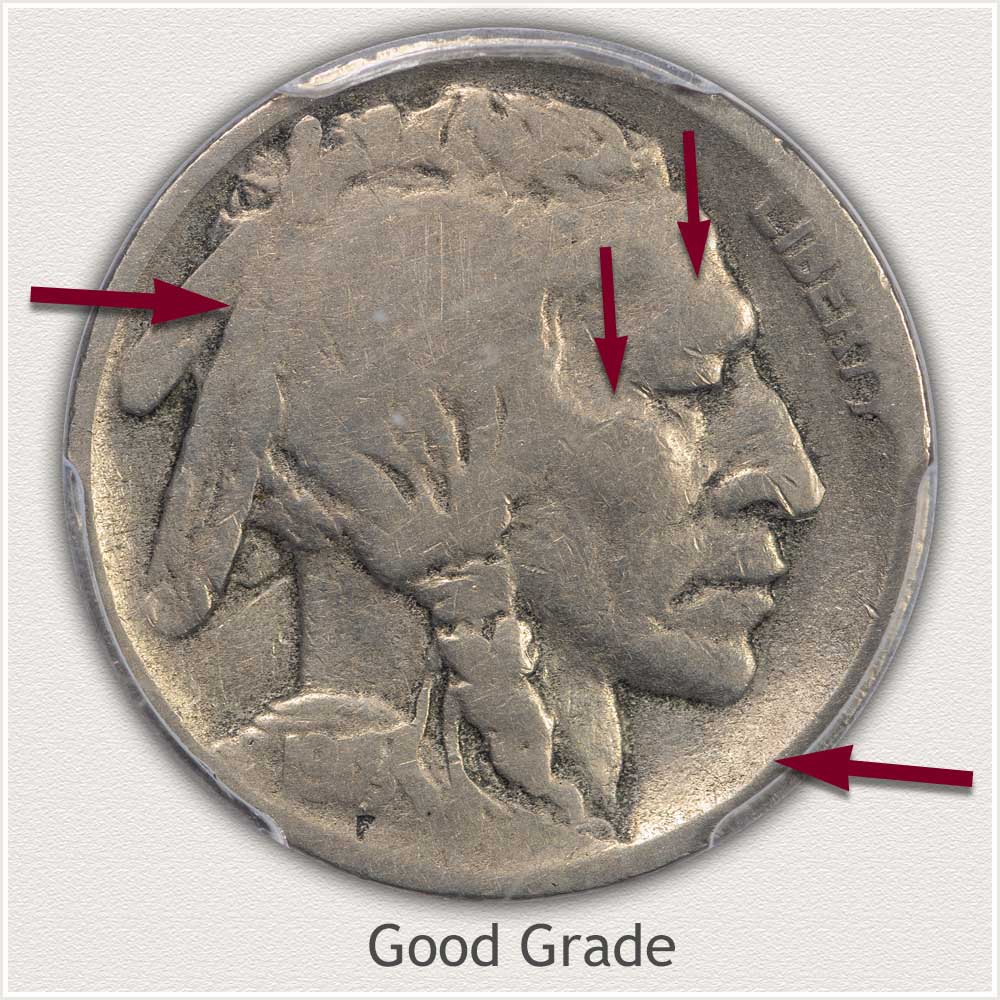 (fig. 10) Use the Highlighted Features Helping Judge a Good grade Buffalo Nickel
Few small details remain visible at the Good condition level. Heavy wear reduces the overall height of the Indian's portrait and leaves the date partially visible. Comparing to the image, and focusing on key features, identifies the amount of clear details. Although details are few and small, they are needed to meet the grade range.
Begin with an examination of the entire rim. On the professionally graded example (fig. 10), the rim remains raised with a visible inner edge. This inner edge only shows missing definition in two areas. Examine the tops of letters; the inner edge fades and disappears into the letters. Secondly, the clear inner edge becomes rounded or flat along the shoulder area. These two areas of faded rm define the Good condition.
Next, the large feather also displays small details along with faded and merged areas. Only part of the edge remains separating the feather from hair detail. Also, the center shaft within the feather lacks a continuous line. This combination of clear and faced detail indicates the grade.
Two facial features show subtle details giving an indication of wear. Flat spots appear on the Indian's eyebrow and cheek. Inspecting closely, there is a large flat area on the cheek at the top of a bold contour. Note the sharp edge defining the flat metal from the contoured metal below. This distinct edge also separates the flat top and lower contour of the eyebrow.
Inner rim detail, feather detail, and combined with distinct flat areas on the Indian's face, determine the Good grade condition. Overall appearance of the Good grade displays only small finer details within a worn flat surface.
How to Video: Grading Buffalo Nickels
Another special date in the Buffalo nickel series. Both condition and mintmarks define high premium 1926 nickels. Grading condition now becomes the important part of an evaluation. Use the additional images for comparison, plus descriptions, to narrow a grade range.
Grading Buffalo Nickels | Visual Grading Guides
Step 3: | Special Qualities: Lowest Mintage Creates Highest Interest
Tucked within this year's production of Buffalo nickels is the very popular "S" mint issue. This well known San Francisco nickel ranks as the lowest mintage variety of the entire series. Throughout most of the year San Francisco turned its attention to cent and silver coinage. The mint created a scarce Buffalo nickel, placing a record low of 970,000 pieces into circulation.
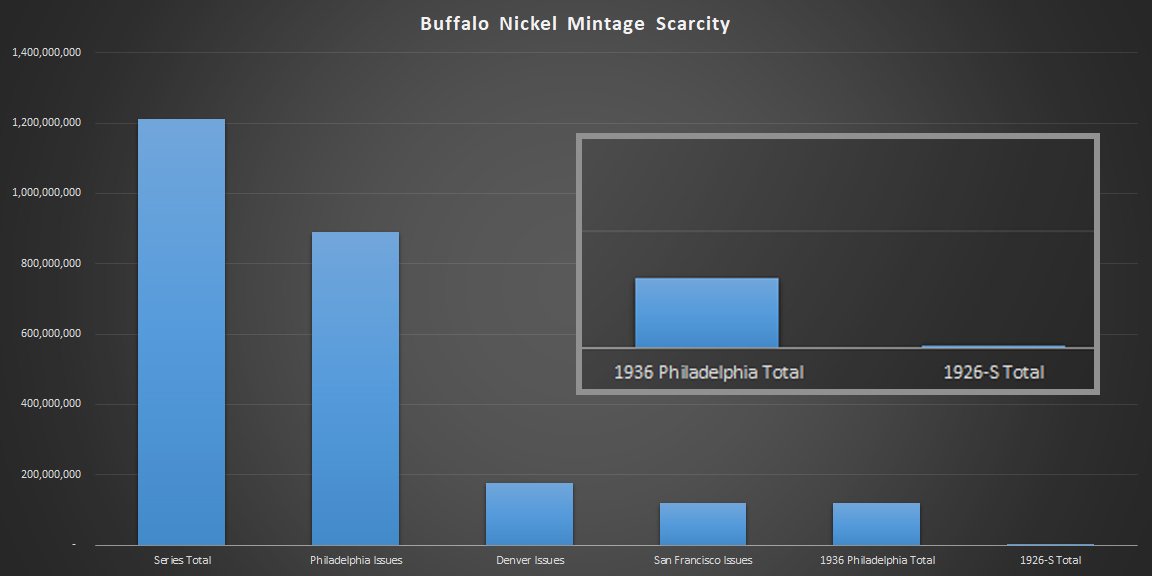 (fig. 11) Ranking the 1926-S Nickel Compared to the Buffalo Series
Within any series of coinage, collectors research for scarcity factors. Using mintage numbers point to one of their first indications of a rare coin. Adding to this, the San Francisco mints struck the fewest number of nickels for the series overall. Of the 1.2 Billion Buffalo nickels minted, 118.4 million came from the San Francisco mint. Overall, only 10% of Buffalo nickels are the "S" mint variety.
These two mintage records combined create a strong indication of potential scarcity. Viewing the full Buffalo Nickel Value Chart shows the solid popularity and demand for these coins.
A significant part of this coin's intrigue also shows in the premiums awarded to examples in the full range of grades. These premiums indicate collectors of all levels participate in creating demand. A 1926-S Buffalo nickel quickly moves through the market, finding a place in many levels of collections.
Consider San Francisco issues special with the 1926-S as a prized example of a Buffalo nickel.
Placing a value on any old coin requires accuracy. Confirming the date, mint of issue, and also judging condition, form a factual description of the coin. Continue this step-by-step process with insights found below.
References
U.S. Mint. 1927 U.S. Mint Annual Report
https://nnp.wustl.edu/library/book/329
U.S. Mint. Catalogue of Coins of the United States.
https://nnp.wustl.edu/library/book/554591
U.S. Mint. 1964 U.S. Mint Annual Report
https://nnp.wustl.edu/library/book/514149
🔎What's next: Review the articles helping decide how to Value, seek professional resources, and sell a premium Buffalo nickel.
Coin Values | CoinStudy Articles
Date by Date
In Depth Buffalo Nickel Value
1913 to 1938
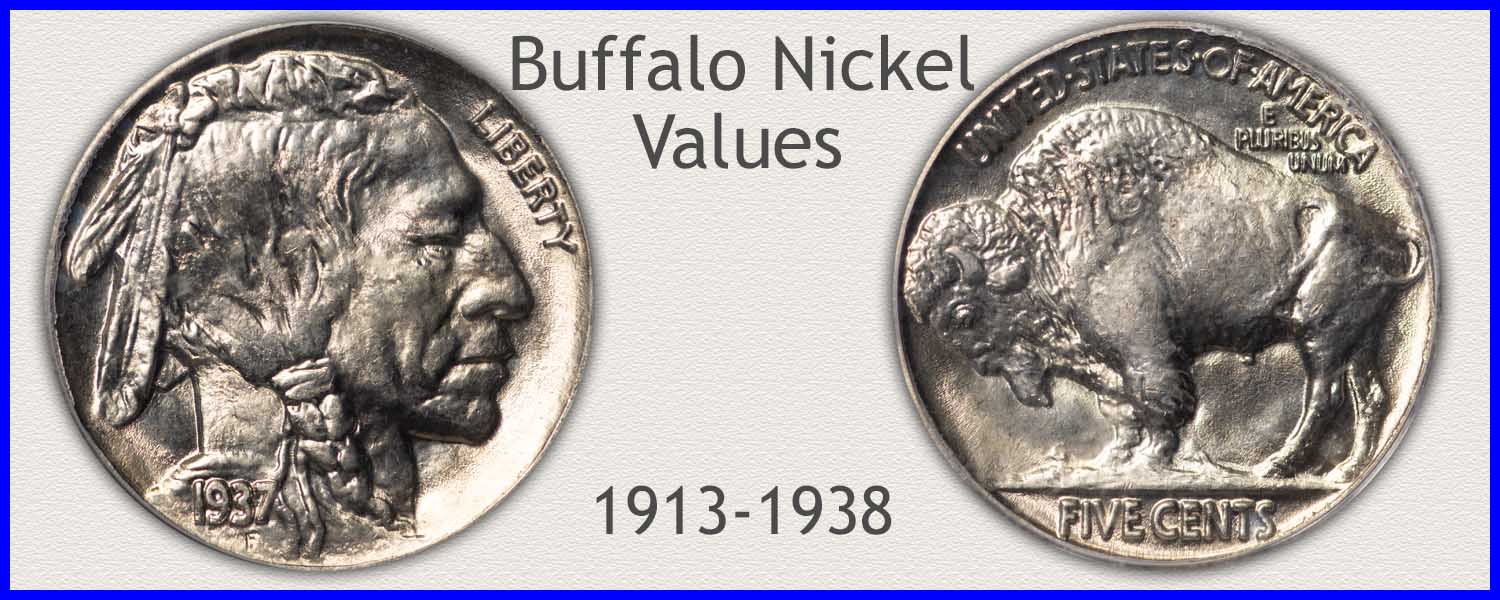
Buffalo Nickel Value | Listing the Series Date and Mint Combinations
Buffalo nickels: A popular coin series rising in value. Interestingly, worn coins without dates are worth a premium. Today, collectors closely examine Buffalo nickels. They search for special dates and quality condition pieces. Review the full value chart listing the date and mint combinations of the Buffalo nickel series. The step-by-step method gives insight into values.
Coin Grading Services | Professionally Evaluate Your Coin
Remove the uncertainty of grading. Collectors and the market send premium coins to one of the major coin grading services. Review the top two services providing authentication and grading of coins.
Safe Coin Storage | Recommendations
Storing your coins correctly preserves value. Single high value coins need protection from elements in the air and contact on their surface. Large quantities of coins are conveniently housed in special holders. Safe methods are explored.
Selling Coins | How to Get the Best Value
Planning helps when selling coins and achieving the highest price. Research and organize well, value your coins accurately, and then finding and selling to the right buyer equals excellent results.
★Coin Values Discovery... finds 1926 nickel value and...
An image guide highlights details about important features on old coins. Using both descriptions and images, identify dates and mint varieties, condition of the coin, and special qualities. A step-by-step process discovers how much a box of old coins is worth.