Coin Values Moving with Precious Metals: Up-Dated 9/14/2026: Gold $4326 | Silver $63.61
1914 Nickel Value: Identify and Grade Your Buffalo Nickel
A worn Buffalo nickel often appears difficult to judge at first glance. Especially when the date is faint. With a defined approach, find a narrow range of the 1914 nickel value. Recognize hard to read dates by referencing images. Identify the correct mintmark and comparing your coin to clear grading images determines its narrow range on the value chart.
The following step-by-step method determines the key factors needed for an accurate description and value of the coin.
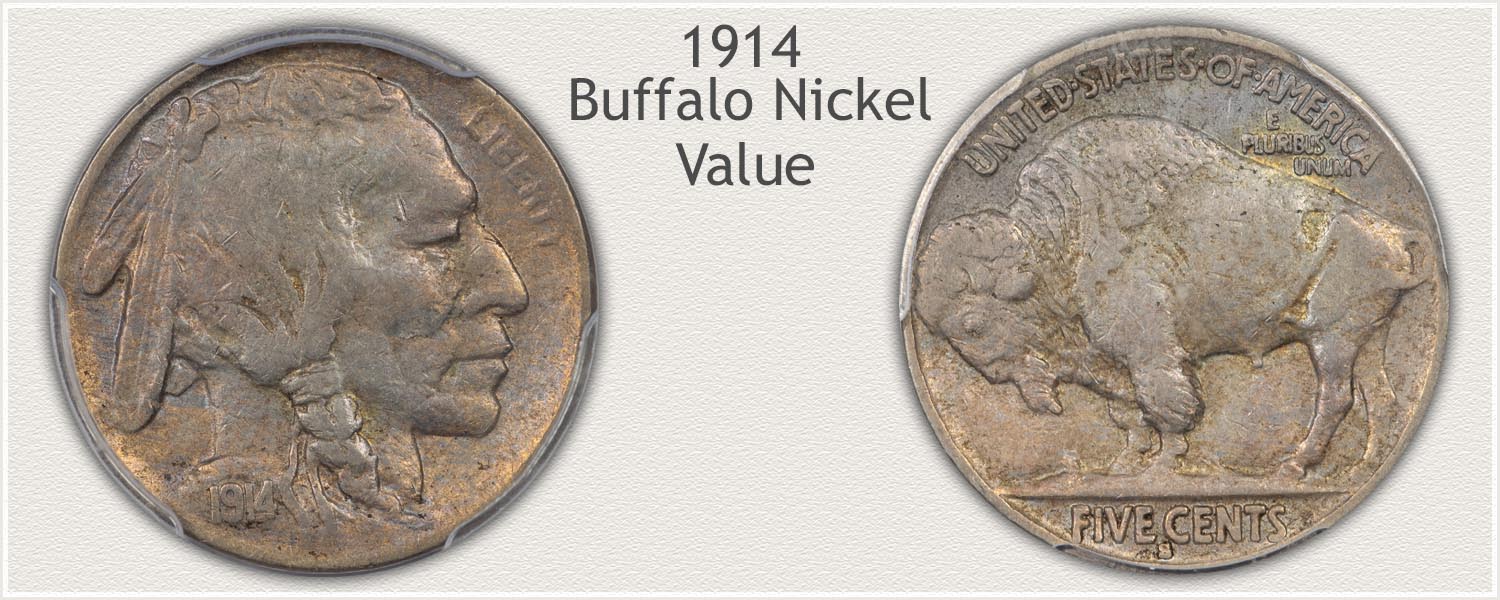 (fig. 1) Use the Obverse and Reverse Views to Recognize a 1914 Buffalo Nickel
Steps Leading to Value:
- Step 1: Date and Mint Variety Identified: A magnified inspection of the date and mintmark assures accuracy.
- Step 2: Grading Condition: Compare to images, identify the quality of a coin's surface, and determine its place on the value chart.
- Step 3: Special Qualities: How the Denver mint variety begins to develop an appeal to collectors.
| 1914 Nickel Value | ||||
|---|---|---|---|---|
| Condition of Coin | ||||
| Date | Good | Fine | Extremely Fine |
Mint State |
| 1914 Nickel Value Updated | 2026 | |||
| 1914 | $11 | $16 | $21 | $91 |
| 1914 D | $63 | $81 | $173 | $306 |
| 1914 S | $18 | $28 | $72 | $210 |
Refer to the chart as a range of wholesale values. Importantly, subtle qualities influence values within each grade category.
Step 1: | Date and Mintmark Combinations | Three to Recognize
As the second year of the Buffalo series, 1914 nickels enjoy a solid demand. With important mint varieties involved, identify an accurate date first. Known for its infrequent appearance in higher quality, handle this coin by the edges. Preservation also becomes part of its value to collectors.
Inspect the lower area of the Indian's shoulder. Either the date remains clear, with all digits visible or partially clear. Record the date. If uncertain, how to identify a faded date follows next.
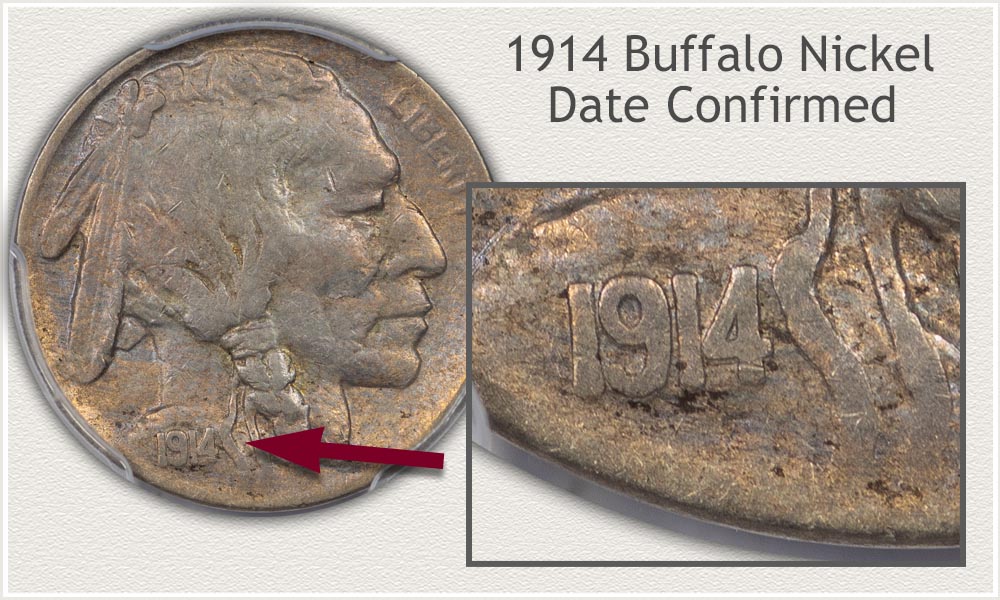 (fig. 2) View of the 1914 Date Buffalo Nickel
Techniques to Identify a Partial Date 1914 Buffalo Nickel
A common challenge with Buffalo nickels involves partially visible dates. Only the last two digits are often the only semi-clear indications of its full date. With a close comparison, a few markers help identify this 1914 date.
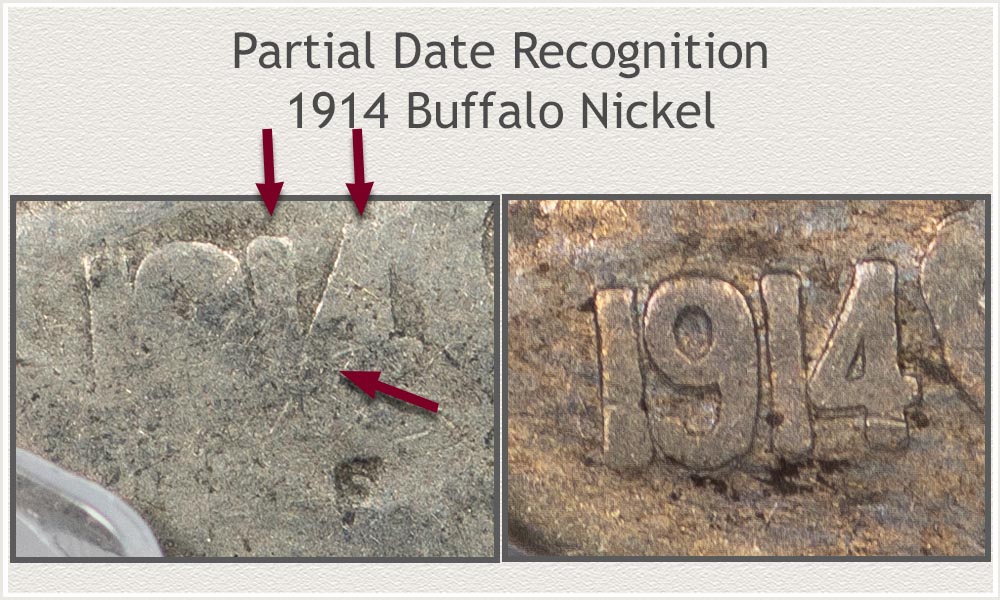 (fig. 3) Compare to the Highlighted Features to Identify a 1914 Date Buffalo Nickel
With a focus on the last two digits, look for matching lines and angles with the numbers illustrated. Although the "14" of the date appears as a low contour, the vertical line of a "1" shows enough clarity to confirm.
The last dight, a "4," stands out because of the straight, slanted side next to the "1." Looking from the top, a slightly raised triangle remains of the "4." Located in a protected area, these straight and angled lines help identify an important date. Cast strong shadows using a single light to bring out the inner detail of these numbers.
Now mintmarks further refine this coin's value potential.
Three Valuable Varieties of 1914 Nickels
Any 1914 Buffalo nickel represents a premium find. Significantly, this year's nickel coinage shows a different value range according to the mint that struck the coin. Production of nickels occurred at three mints, Philadelphia, the main mint, and two branch mints, San Francisco and Denver. Branch mints identified their coinage with small letter mintmarks. San Francisco used a "S" mintmark, Denver used a "D" mintmark.
Turn the coin to the reverse side. Under FIVE CENTS and just above the rim, locate a small letter "S" or "D" representing the branch mints. If the area is blank, this identifies the Philadelphia Mint issue nickel. Philadelphia did not use mintmarks at the time.
"S" Mintmark Nickel
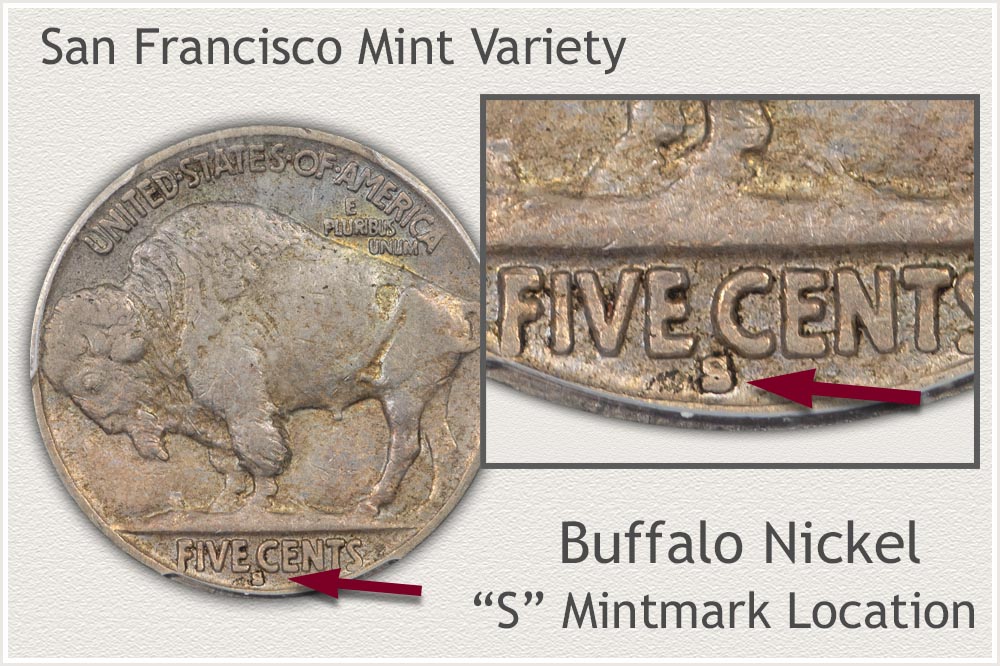 (fig. 4) Locate and Confirm the S Mintmark 1914 Buffalo Nickel
All early San Francisco Buffalo nickels enjoy an elusive status on the rarity scale. In 1914, the mint struck 3.4 million nickels, a low number of coins. Interestingly, the San Francisco mint produced all of the lowest mintage Buffalo nickels. By the end of the series, 1914-S nickels recorded the ninth lowest mintage. This draws the attention of collectors, adding to their demand. Inspect closely the reverse to confirm the "S" mintmark.
"D" Mintmark Nickel
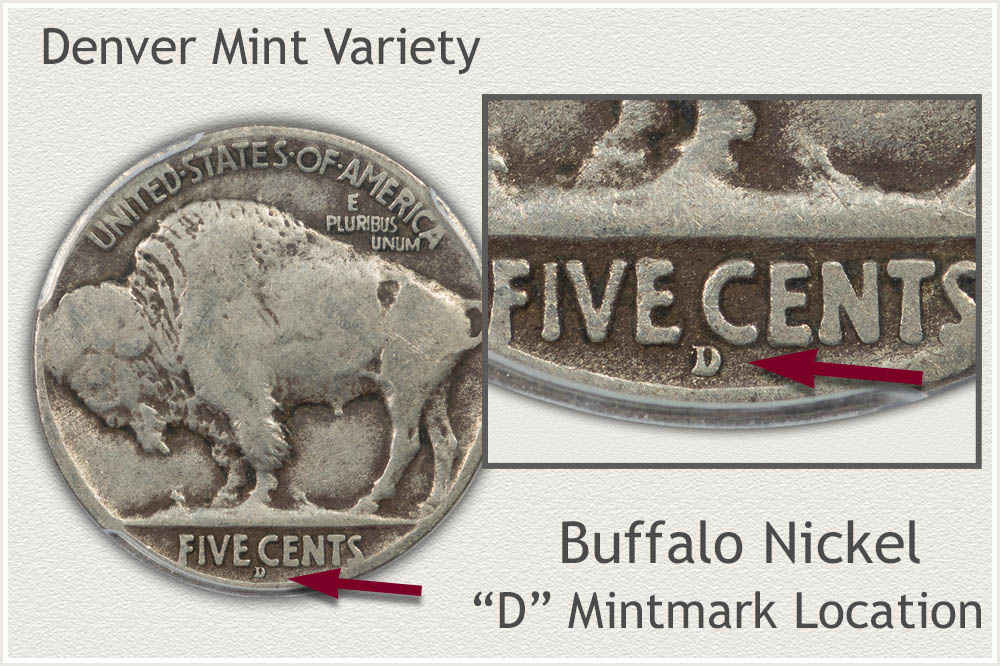 (fig. 5) D Mintmark Location on the 1914 Buffalo Nickel
A 1914-D nickel has a few standout qualities drawing attention to its scarcity. First, all branch mint issues from the first decade were struck in small quantities. With just under 4 million minted, it places within the ten lowest production numbers of the entire series. As an early Buffalo nickel, most saw continued use, leaving them heavily worn. These are now an elusive coin.
Small initial numbers, loss through use, and collector popularity form a strong value base. It is now a highly sought coin of the series. Grade the coin's condition carefully in the next step.
"No" Mintmark Nickel
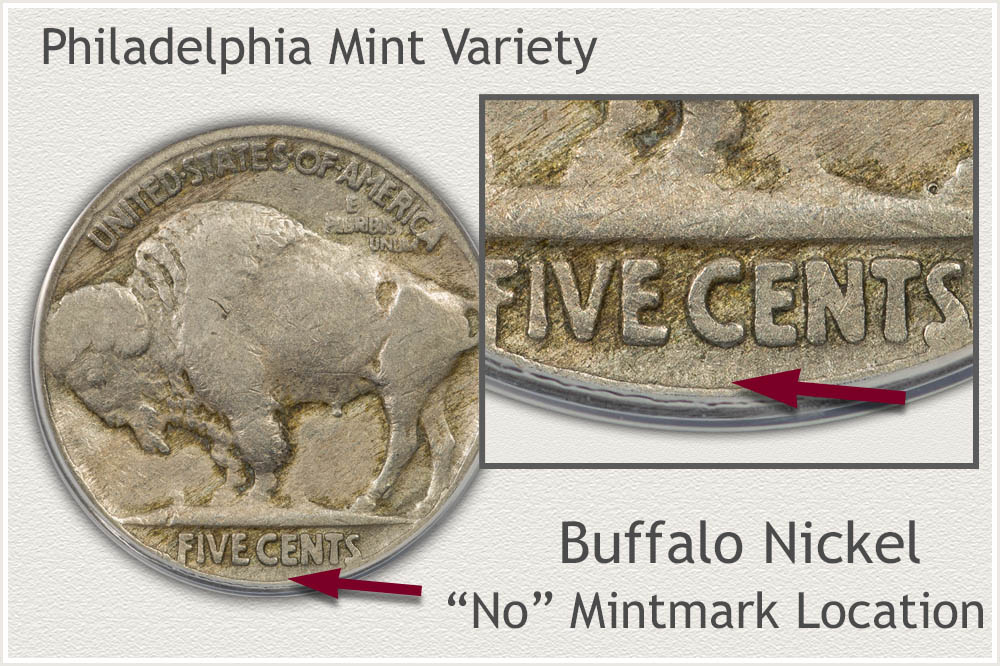 (fig. 6) Magnified View Showing the No Mintmark Philadelphia Buffalo Nickel
Overall, the beginning of the Buffalo series started strong in 1913. A bold and new design creating interest in the nickel denomination. In 1914, as the second year of the series, the Philadelphia mint struck 20.6 million nickels. This was far less than their 1913 production of over 60 million.
Today, any condition 1914 nickel ranks as infrequently found. Additionally, a wide range of collectors seek the coin. From the advanced collectors looking for high quality examples. To beginning and young collectors needing an early year to start a set of nickels. This coin has a strong base of solid demand. No mintmark in the area confirms the Philadelphia 1914 nickel.
With the coin's date and mint now identified, judge the condition of these early nickels. Use the following images as a comparison defining their grade.
Step 2: | Judge Condition and Assign a Grade
This important step starts an inspection of the coin's condition. Significantly, a coin's quality determines its appeal within the market. Judging condition notes the visible remaining detail and compares it to standards of the different grades. Begin the comparison method and identify a close match with an example coin image. Then review the description of the grade to focus on key features determining the qualities of the grade.
Familiarize yourself with the Mint State example displaying the coin with all original features and detail as minted. A single light over the coin with magnification works well when viewing small, subtle elements.
Mint State Grade
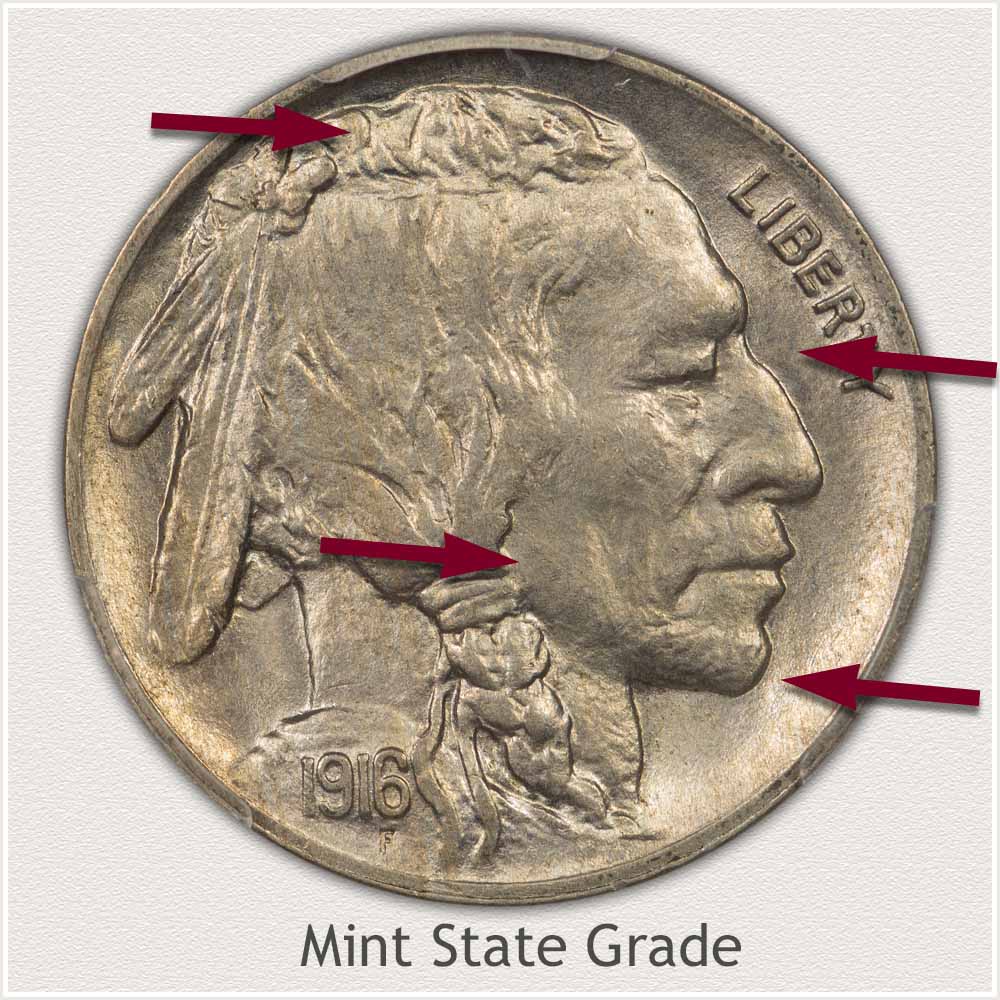 (fig. 7) Compare to the Highlighted Grading Features of a Mint State Buffalo Nickel
A Mint State Buffalo nickel refers to a coin without any wear on its surface. No wear on any part of the coin defines this condition and grade. Specific high points on the design become the focus to determine if the surface remains intact, as minted.
First consideration is the visual difference of a Mint State surface compared to a worn surface. Minting a coin imparts a fine texture on the metal. This texture reflects light, displayed as shine and brilliance. Wear removes this texture, and the "shine" of the metal becomes a dull gray color without the brilliance. Secondly, wear on high points flattens these top contours, producing noticeable flat spots. Use these visual differences to help indicate the surface remains original without wear.
Examine the small hair details above the part line. This area displays high contours separated by deep recesses. In Mint State condition, both high and low hair features show a similar metal texture. Along high areas there is no smoothing or flat spots showing on the metal. The example (fig. 7) displays this "no wear" feature
Next areas: the bridge of the Indian's nose and chin to jaw line. On the outer edges of both areas, the metal remains with a full texture without signs of smoothing. Scan along the jawline from the hair braid to chin. Fine details on the highest contours remain. Compare the jawline to the neck just below. Both are similar in texture. Also, notice the nose has a similar overall appearance compared the area under his eye.
In these areas, the hair, nose, and chin represent typical high contour features across the surface. When all remain full, without evidence of flattened metal, this indicates a surface without wear.
Extremely Fine Grade
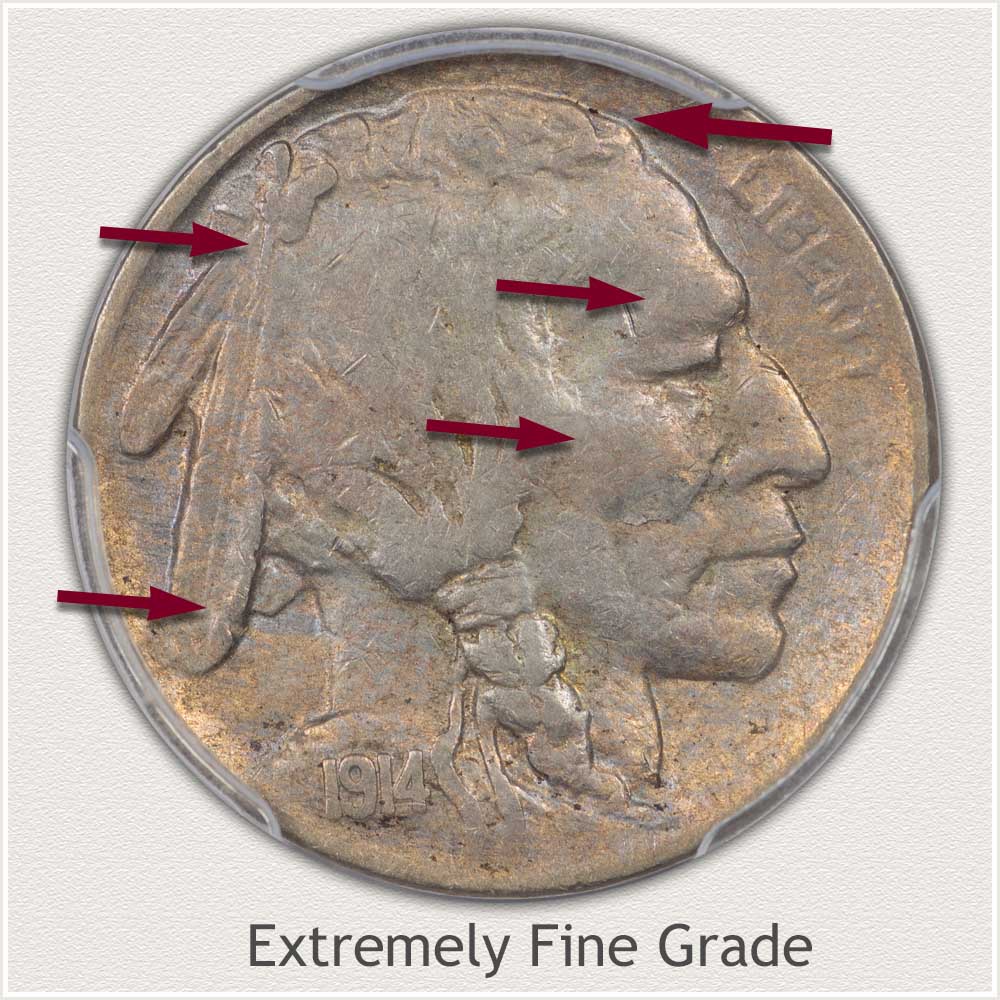 (fig. 8) Use the Highlighted Features to Identify an Extremely Fine Grade Buffalo Nickel
High quality and many visible details describe the overall appearance of an Extremely Fine grade Buffalo nickel. Light wear confined to high points only defines the grade. This light wear condition displays a few typical features used to guide and identify the grade.
Examine the largest feather at the back of the Indian's head. Follow the right edge from the bow at the top to its end, near the neck. Notice on the example, a distinct flat surface runs along the upper edge of the raised contour. Although visibly worn, the separation of the feather from hair remains. Confirming only light wear, the left side edge of the feather appears well rounded without a flattened look.
Next, examine the hair detail at the very top of the Indian's head. Along the part line, deep recesses remain, helping define subtle hair detail. High points of hair only show small flat surfaces on high points. Significantly, high areas do not merge; they remain well separated.
Viewing facial features, wear only flattens the very tops of high contours. His eyebrow and cheek show well rounded contours with only small areas of flattened metal. Feather detail, hair detail, plus strong facial features indicate the light wear category. A close match of your coin with the example indicates the quality Extremely Fine grade.
Fine Grade
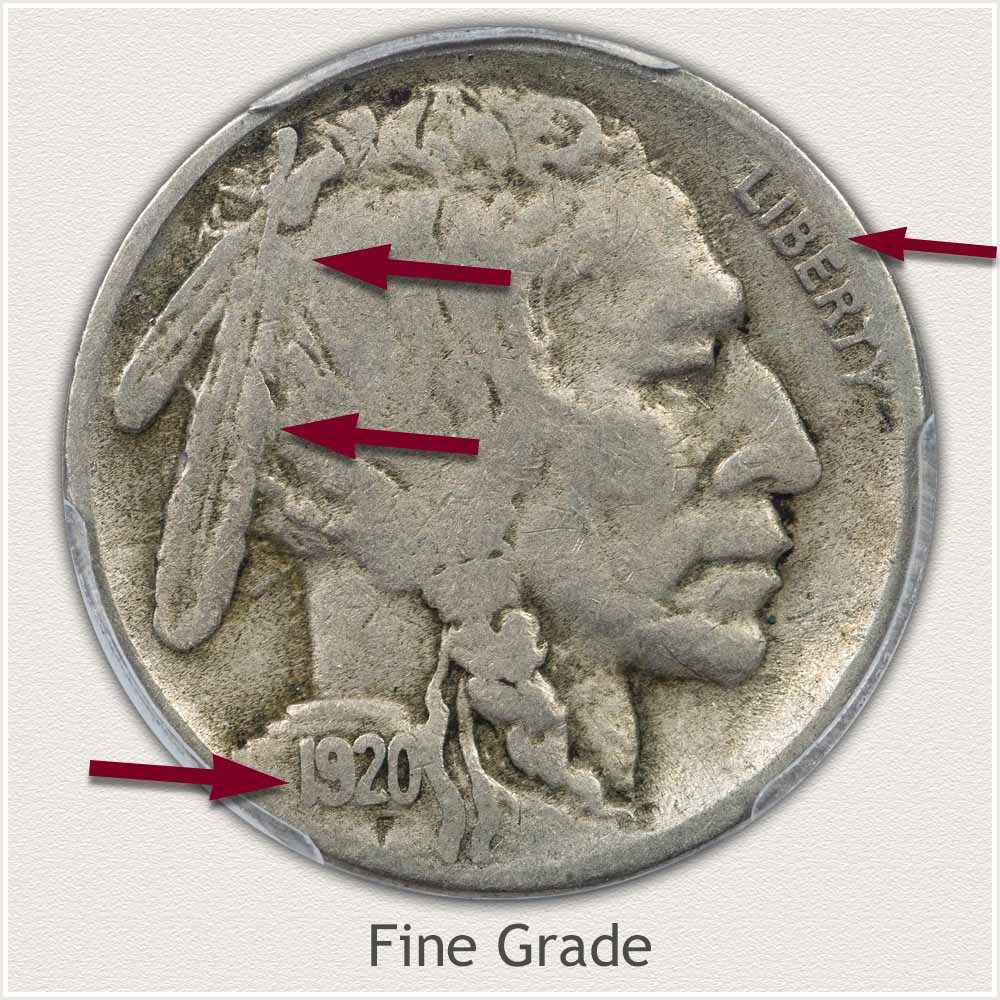 (fig. 9) Highlighted Features Indicate the Fine Grade Quality
As a premium year of the series, a coin that displays only moderate wear with many visible details indicates an above average quality nickel. Small to medium areas of smooth flattened metal show across the surface. Among the flat spots many fine details also remain. This combination of visible wear and visible detail defines the grade.
Focus on the feathers at the back of the Indian's head. Along their outer defining edges, wear reduces the contours without completely fading into the hair. A slight definition remains, separating and raising the feather edges from his hair.
Next, inspect the completeness of the letters of LIBERTY. In front of the portrait, the top edges of letters begin to fade slightly. The rim also lacks a clear, defining inner edge. Merging of one or two letter tops with the rim indicates the moderate wear level of a Fine grade nickel.
As a confirming marker, clarity of the date helps recognize a quality coin. Note the complete outlines of the digits. Each number remains raised above the field, with fading only found in isolated areas. The Fine grade allows for a small connection between digits.
A close match of your coin with these specific features visually judges the Fine Grade Buffalo nickel.
Good Grade
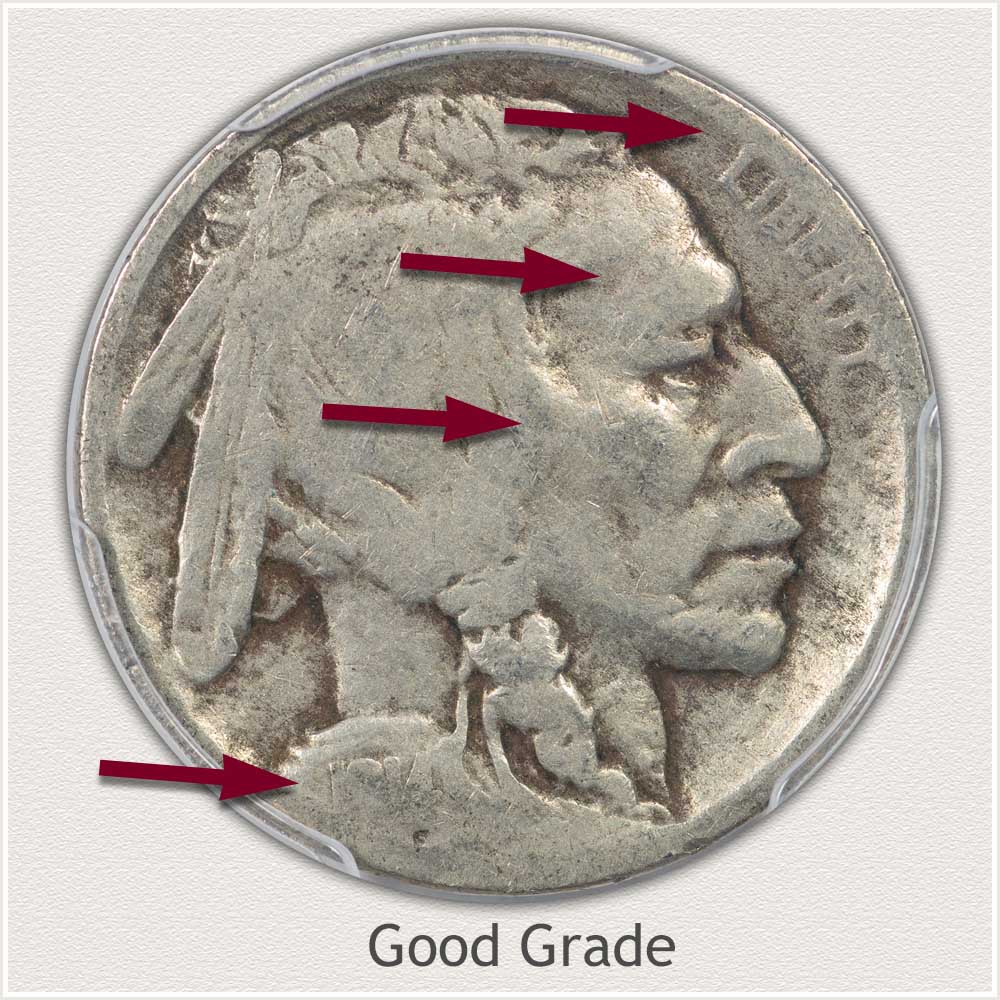 (fig. 10) Compare to the Highlighted Features to Judge the Good Grade Buffalo Nickel
A Buffalo nickel in Good grade shows large areas of smooth metal and a lack of contours. This heavy wear appearance defines the condition. When examining three features and the level of wear patterns, determine if your coin meets the grade level.
Focus on the Indian's face. Noticeably, all major features remain bold. What determines condition are the worn and smooth parts of his cheek and eyebrow. Just above the eye starts a flat low relief zone extending upward towards the hairline. Secondly, just below the eye, the cheek now has a flat appearance lacking any high contours.
A clear indication of heavy wear becomes important when key elements fade and merge. This condition shows with the faint and missing numbers "1" and "9" within the date. Compare the condition of your coin to determine if only a partial date remains. Next, in front of the Indian, "LIBERTY" also appears faded and lacks clear outlines. The tops of letters now connect with the rim. These once raised and bold elements, the date and lettering, show heavy wear and faint outlines.
When a Buffalo nickel meets these metrics, judge its condition within the Good grade range.
How to Video: Grading Buffalo Nickels
The grading guide helps recognize the higher quality 1914 nickel. Refer to additional descriptions of key condition features. Additional images highlight key grade requirements.
Grading Buffalo Nickels | Visual Grading Guides
Step 3: | Special Qualities | The Elusive Denver Mint Issues with Added Value
Continuing the Buffalo series in the second year. The Denver mint produced what went on to become a scarce issue. Although Denver nickels do not enjoy the San Francisco mint's level of popularity, certain dates do attract attention. Denver's 1914 nickels today lead in value among this year's varieties. Noting its value listing on the chart, Denver's production of 3.9 million nickels is now an elusive coin to find in pleasing condition.
Consider all early Buffalo nickels important, with the 1914-D a special coin. Additionally, three other Denver nickels draw collector attention due to their low production numbers.
- 1925-D: Just over 4.4 million produced.
- 1928-D: Lowest variety of the year, 6.4 million struck.
- 1934-D: An important later year issue, 7.4 million placed in circulation.
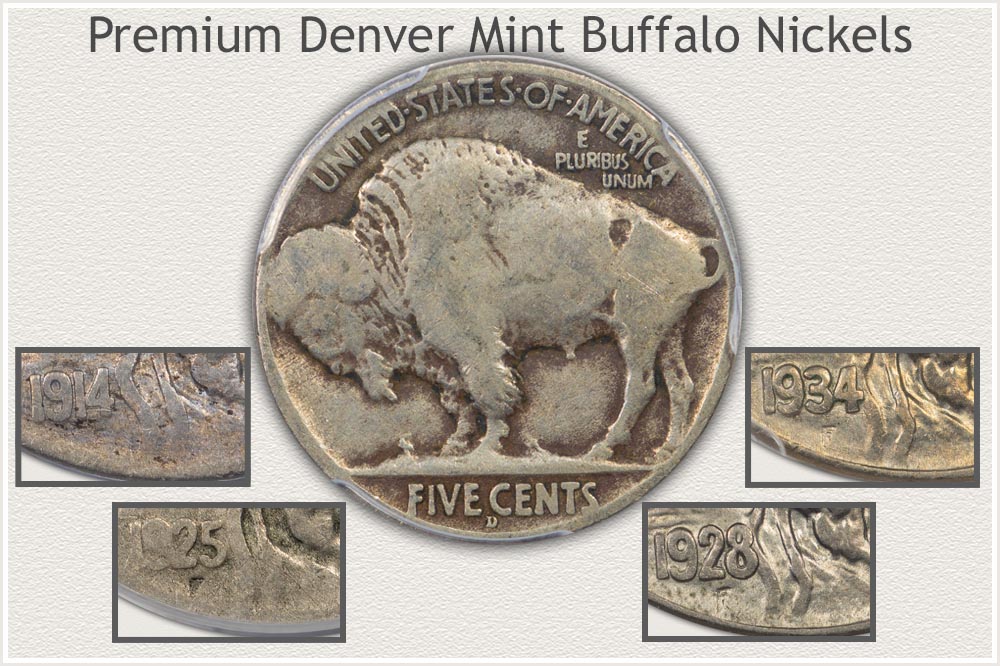 (fig. 11) Special Denver Mint Buffalo Nickels
Within the 1920s decade, many dates and mint combinations now show strong premiums. The special quality of the 1925 Denver coin is its scarcity in all levels of preservation.
The 1928-D nickel has the special quality of being elusive in above average condition. Of the millions struck, most were well used at the time. Here is a coin with common availability in well worn condition. However, collectors face a challenge when looking for a quality example with light or no wear. Every example of a 1928 Denver nickel requires close inspection.
Minted towards the end of the series, 1934-D nickels now show nice premiums above other Denver issues of the decade. Attention is drawn to its low production numbers, plus low overall yearly production. It is now a year considered somewhat uncommon on the rarity scale.
These four Denver nickels all have a special fascination with the coin market. Each stands out with added qualities, turning their appeal into premium values.
Special qualities add subtle value. Key fundamentals of date, mint, condition, and scarcity combine adding to their premiums.
References
U.S. Mint. 1915 U.S. Mint Annual Report
https://nnp.wustl.edu/library/book/514128
U.S. Mint. Catalogue of Coins of the United States.
https://nnp.wustl.edu/library/book/554591
🔎What's next: Review the articles helping decide how to Value, Record, or Sell these Buffalo nickels.
Coin Values | CoinStudy Articles
Date by Date
In Depth Buffalo Nickel Value
1913 to 1938
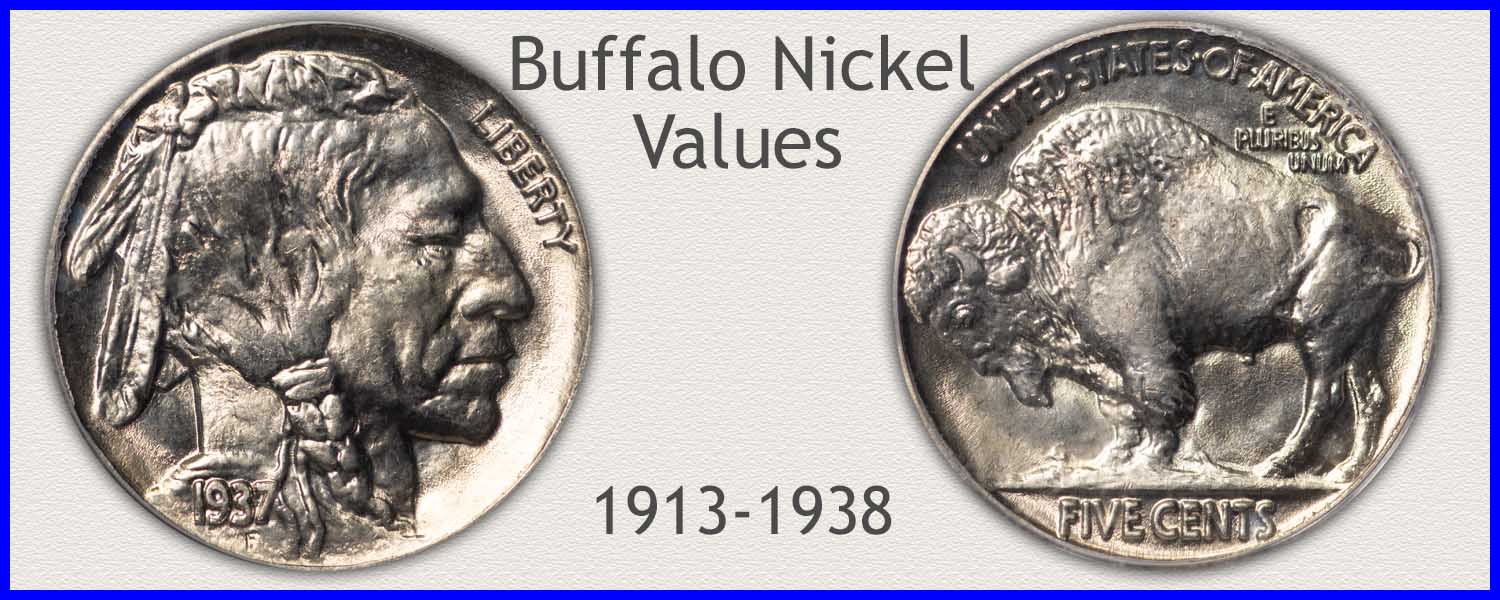
Buffalo Nickel Value | Listing the Series Date and Mint Combinations
Buffalo nickels: A popular coin series rising in value. Interestingly, worn coins without dates are worth a premium. Today, collectors closely examine Buffalo nickels. They search for special dates and quality condition pieces. Review the full value chart listing the date and mint combinations of the Buffalo nickel series. The step-by-step method gives insight into values.
Coin Grading Services | Professionally Evaluate Your Coin
A premium 1914 nickel often requires additional evaluation. Professionals at these coin grading services first authenticate the coin. Next establish a grade. Then the service encapsulates the coin. This combined gives premium value coins market acceptance of their condition and grade.
Selling Coins | How to Get the Best Value
Selling coins for the highest price is achieved with planning. Research and organize well, value your coins accurately, and then finding and selling to the right buyer equals excellent results.
Print the Coin Values Worksheet
Record important data and comments for each coin. Compile descriptions and value while maintaining a written copy of the complete collection of your coins.
★Coin Values Discovery... finds 1914 nickel value and...
All old US coin values. It is an excellent index with images and text links to coin series, from Cents to Gold. Value charts, grading images and descriptions uncover how much your box of old coins is worth.