Coin Values Moving with Precious Metals: Up-Dated 10/19/2026: Gold $4175 | Silver $57.44
1915 Nickel Value
This early year of the Buffalo series now enjoys strong collector demand and high 1915 nickel value. Viewing the chart demonstrates a few key facts needed to narrow how much it is worth. First, often the coin's date appears well worn and difficult to verify. The mint producing the coin also determines its place on the chart. Additionally, to judge condition, use a comparison method with images, finding a close grade range.
A step-by-step process defines these important facts and develops a full market description of the coin.
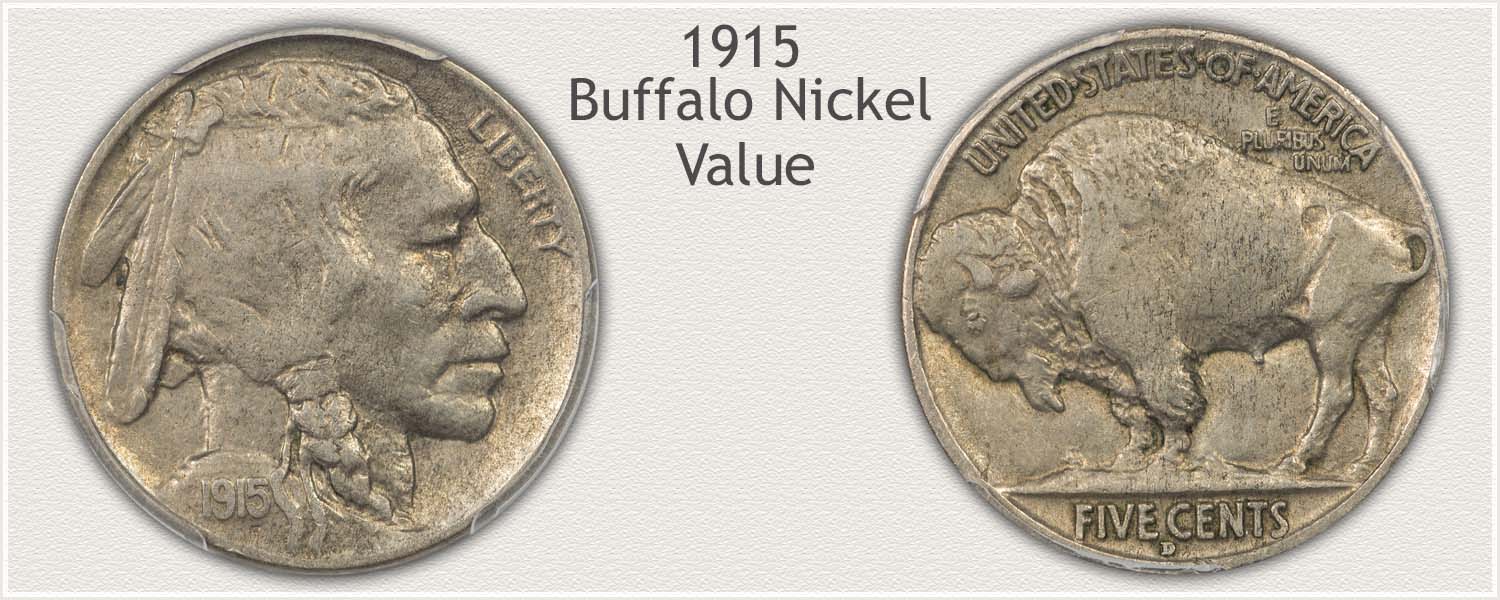 (fig. 1) Identify the 1915 Buffalo Nickel
Steps Leading to Value:
- Step 1: Date and Mint Variety Identified: Single important feature, use images to confirm date and mint combination.
- Step 2: Grading Condition: Conduct a comparison with images determining both condition and narrow grade range. Quality determines an accurate reading of the value chart.
- Step 3: Special Qualities: The many value fundamentals of a 1915 nickel.
| 1915 Nickel Value | ||||
|---|---|---|---|---|
| Condition of Coin | ||||
| Date | Good | Fine | Extremely Fine |
Mint State |
| 1915 Nickel Value Updated | 2026 | |||
| 1915 | $4.07 | $7.15 | $18 | $104 |
| 1915 D | $14 | $33 | $91 | $225 |
| 1915 S | $30 | $66 | $263 | $709 |
Above are averaged wholesale values, an excellent starting point range. Use as a guide and range when determining how much your coin is worth.
Step 1: | Date and Mintmark Confirms Elusive Mint Issue
Handle this premium date nickel by the edges. All early year Buffalo's place high in the scarce range. This first step identifies and records the date and possible mintmark. Each is a key element of a full description of the coin. Look closely at the lower rim; the date was placed on the Indian's shoulder.
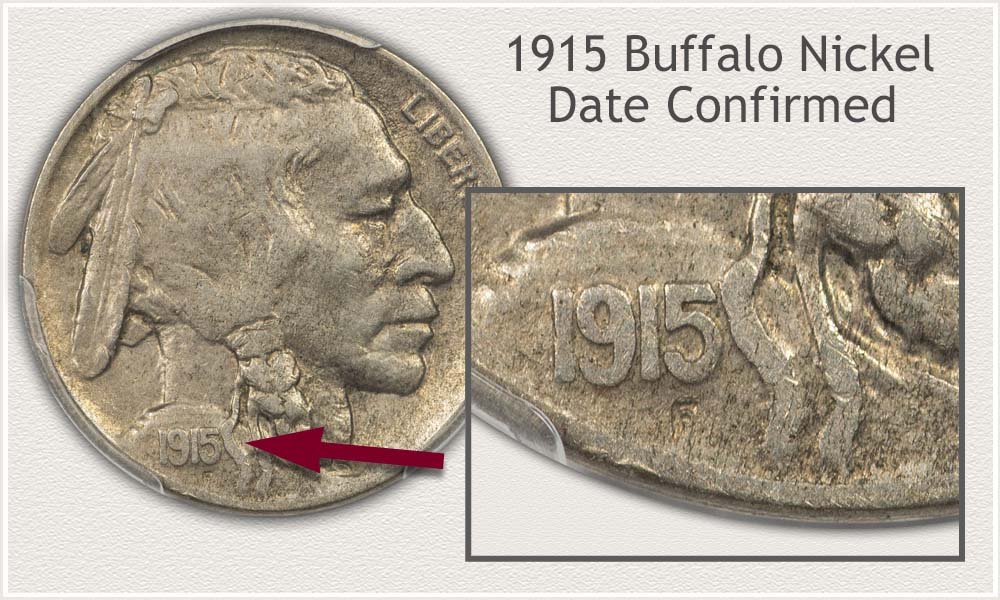 (fig. 2) Confirm the 1915 Date Buffalo Nickel
How to Recognize a Semi-Clear Date Buffalo Nickel
As noted, the date was placed near the lower rim. As these coins circulated, this high relief area was one of the first places to lose its detail. Digits faded, merged, and disappeared quickly. Many partial date examples exist today. Often unique features help identify this date, give the area a close look.
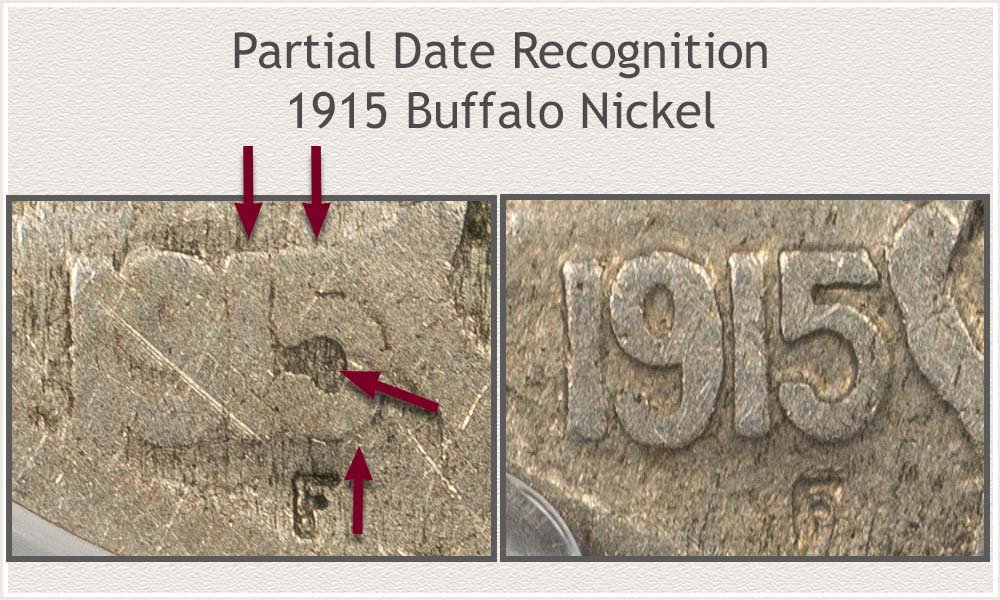 (fig. 3) Specific Features Highlighted Identifying a Partial Date 1915 Buffalo Nickel
Helping to identify a 1915 date, focus on the last two digits. The first two are always a "1 and 9" due to the series minting span, 1913 to 1938. Examine the last digit to confirm the year.
Specific to a "5" is the wide, flat top of the number. Compare your coin to the magnified image (fig. 3), noting the flat top and wide rounded bottom. The straight, vertical left side leading to a loop feature confirms the "5" digit.
Next, the decade digit. The short and flat top of the number separates a one from either a two or a three. Also, the clear straight vertical right and left sides. Often the left side of the one fades and disappears, however, it is the straight right side confirming the one.
When viewing, shine a single light on the coin's surface. From different angles, a strong contrast of light and shadow helps bring out subtle, faded details.
Identify the Mintmarks on 1915 Buffalo Nickels
Minting Buffalo nickels in 1915 took place at three production facilities. The Philadelphia, San Francisco, and Denver mints. Identifying and recording each of the mints' production required using mintmarks on San Francisco's and Denver's coinage. Mintmarks of these mints were an "S" for San Francisco and a "D" indicating Denver. No mintmark was used by the Philadelphia mint. These three distinct mint issues result in three varieties of 1915 Buffalo nickels. Mintmarks became an important part of the full description of the coin.
Look closely along the lower rim. Just under the E and C of FIVE CENTS, either a small letter "S" or "D" identifies the mintmark. "No" mintmark, and the area is empty, confirms the coin was struck at the Philadelphia mint.
The Low Mintage "S" Mintmark Nickel
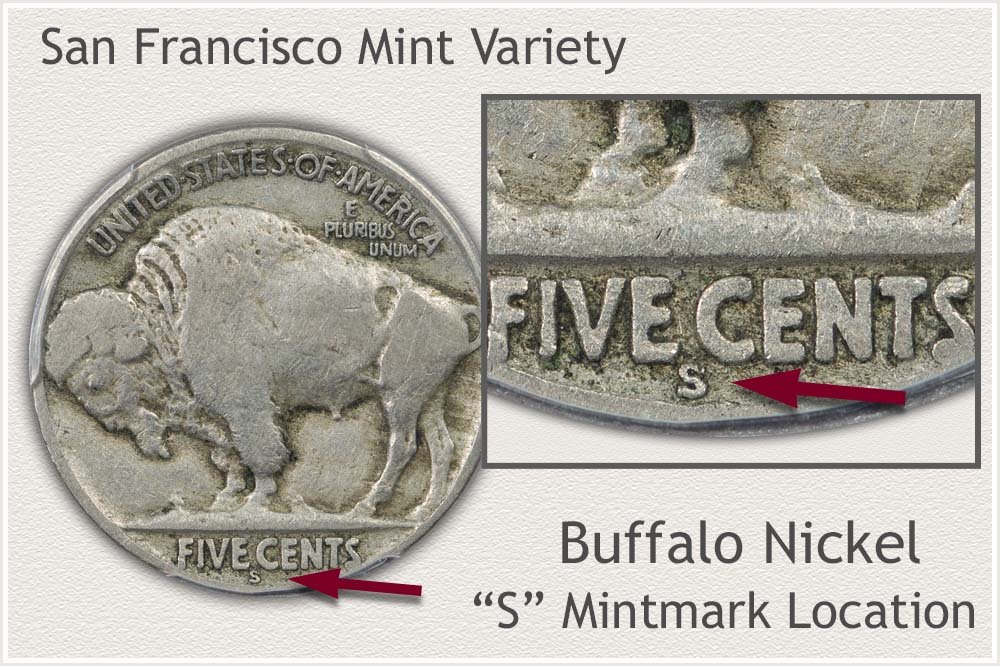 (fig. 4) Location of the S Mintmark on the Reverse of a Buffalo Nickel
The 1915 San Francisco nickel is now a high premium issue of the entire Buffalo series. A challenging coin to find in any state of preservation. With only 1.5 million produced, the chart shows a steep rise in value for a lightly worn or nicer example. Confirming the "S" mintmark on the reverse identifies a desirable collector coin.
It is now important to judge the coin's condition. Compare the different grade images in the next section, finding a close match.
"D" Mintmark 1915 Nickel
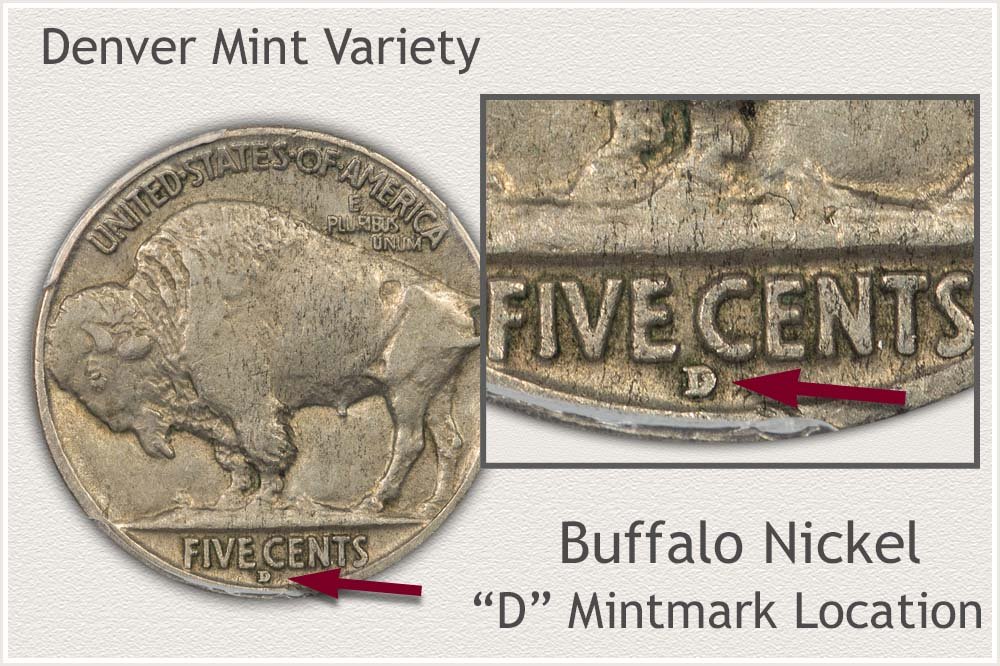 (fig. 5) Denver Mintmark on Reverse of the 1915 Buffalo Nickel
The Denver mint 1915 nickel remains popular coin with collectors. Historically, it was minted early in the series; the third year. Buffalo nickels from the teens enjoy a special attraction with collectors. This Denver variety is also somewhat scarce, Denver recorded 7.5 million produced. With this low mintage, it places in the lower half of mintage rankings. A nice quality example quickly finds its way into a collection.
Confirm the "D" mintmark along the lower rim just below the E and C of FIVE CENTS. Next examine the coin's overall condition, referencing the grading images in Step 2.
"No" Mintmark Nickel
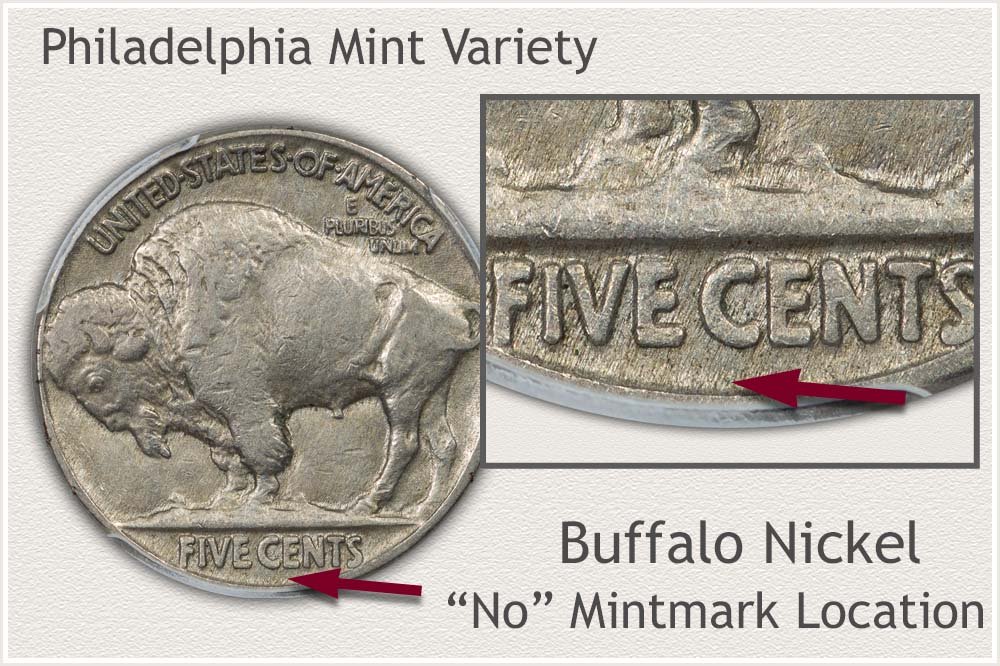 (fig. 6) No Mintmark Location of a Philadelphia Mint Buffalo Nickel
Continuing a trend, the Philadelphia mint struck the most nickels of the three mints in 1915. Sending 20.9 million coins into circulation. This variety represents an affordable coin to most collectors. 1915 has the strong appeal of an old nickel from the early years of a popular series.
As with all Buffalo nickels, the demand for the coin depends on its surface quality. Scanning the value chart, note a step increase with any improvement in the "grade" of the coin.
Now record the key facts of the date and the mint that struck the coin. This forms the first part of its full description. Next important element involves a judgment of condition. Begin to examine the coin under a single light. When tilting the coin, shadows become more intense, highlighting subtle features.
Step 2: | Condition Decides 1915 Nickel Value Range
Condition of your coin now becomes the key to its listing on the chart. Inspecting the condition of the coin's surface determines its quality and becomes defined as a "grade." When viewing the illustrations of the different graded coins, find a close match. Follow this initial judgment with reviewing the description of the visible features specific to qualifying for the grade.
This comparison method steps through the grading process, increasing an accurate assessment. With a single light and magnification, tilt and view the surface from different angles. Light and shadows bring out smaller details.
Mint State Grade
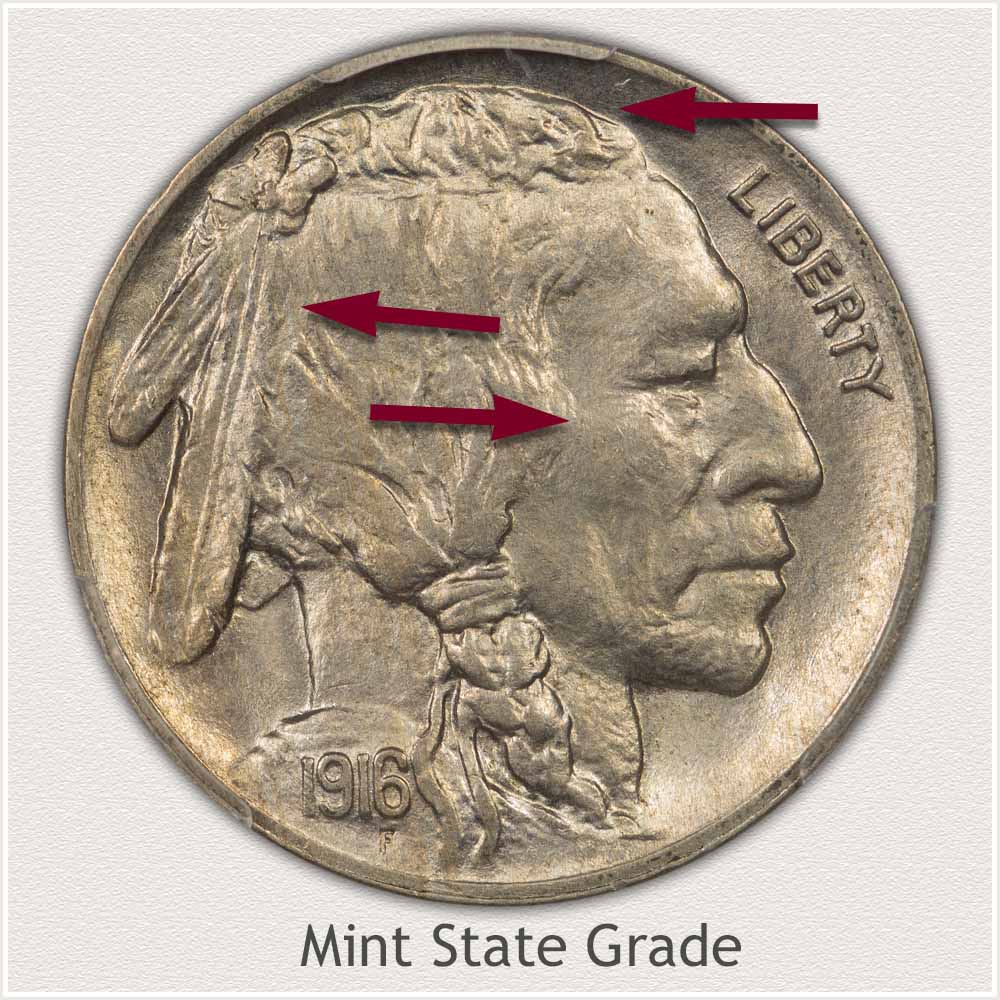 (fig. 7) Use the Highlighted Features When Judging a Mint State Grade Buffalo Nickel
Mint State grade defines a Buffalo nickel without wear on its surface. "No Wear" becomes the strict requirement to meet this premium quality condition. A few observations of high points on the design confirm the absence of wear.
Minting of coins involves high pressure applied to coinage dies when striking coins. This causes the metal of the coin to flow across low areas and into high, deep recesses of the design. The result, a fine grain texture on the minted coin. This texture, when under light, produces the distinct shine and brilliance of Mint State grade coins. The example shows this reflective shine across its surface.
High points of the Indian's cheek present areas subject to first indications of wear. When worn, the surface becomes smooth losing its brilliance and reflects a dull, metallic shine. Examine the high areas of his face comparing to lower relief areas. When rotating the coin under a light, in Mint State condition, brilliance appears similar in both areas. No dullness or smoothness reduces this brilliance.
A second area, the edges of the feathers, helps confirm a Mint State nickel. Using the technique of slowly tilting the coin under a single light. Look for a continuous similarity along the feather edges with the lower inner details. Both areas show a similar brilliance in the Mint State grade.
Overall, a consistent brilliance reflects off a Mint State surface. Compare your coin closely with the quality of the example image.
Extremely Fine Grade
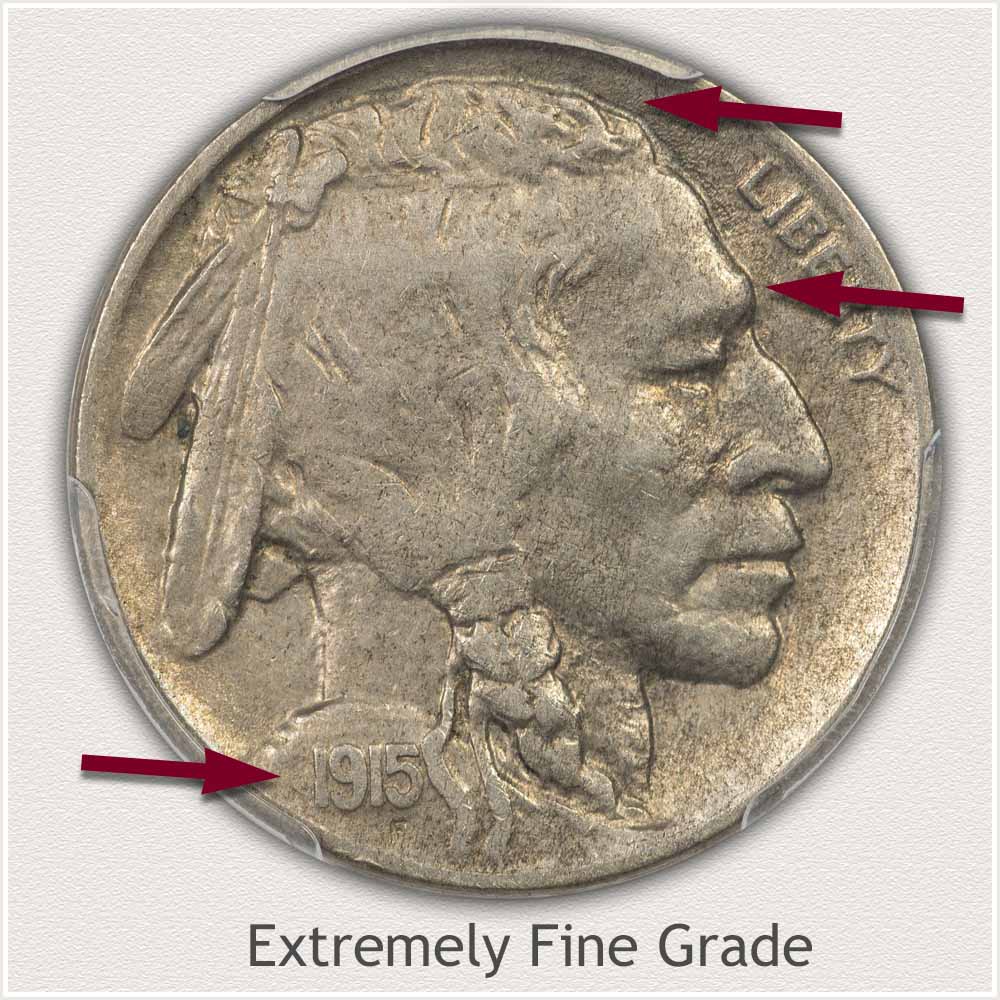 (fig. 8) Compare to the Highlighted Grading Features of an Extremely Fine Grade Buffalo Nickel
Light wear smoothing and flattening only high points define the Extremely Fine grade. Begin with a comparison of your coin with the professionally graded example. Using the highlighted features, familiarize yourself with the condition's overall appearance. Light wear often appears faint and requires a close look to see the smoothness and flatness on the metal.
Start with the fine hair detail above the part line at the top of the Indian's head. There are many raised strands separated by deep recesses. Evidence of wear shows on the larger strands, removing the rounded tops of contours. Notice some smaller contours remain full and rounded. The bold recesses combined with minor flattened areas indicate the light wear condition.
The Indian's eyebrow also shows a minor flattened appearance. Starting at the front of his face, examine the eyebrow as it continues over the eye. Most of the area remains raised with a distinct flat spot directly over his eye. Notice the eyebrow is raised and contoured above the forehead and temple. An eyebrow with a small smooth flat area at its highest point meets the Extremely Fine grade level.
Next, the date adds a small subtle metric indicating its grade level. Magnify the date on your coin. Then note how the date on the example shows flattened metal on the tops of the numbers. However, a slight curve rounds the edges of each number. This soft edge on the numbers helps identify that wear remains light and within the grade.
Considered a high-quality coin, Extremely Fine grade nickels display pleasing detail overall. Wear does not distract from their appearance.
Fine Grade
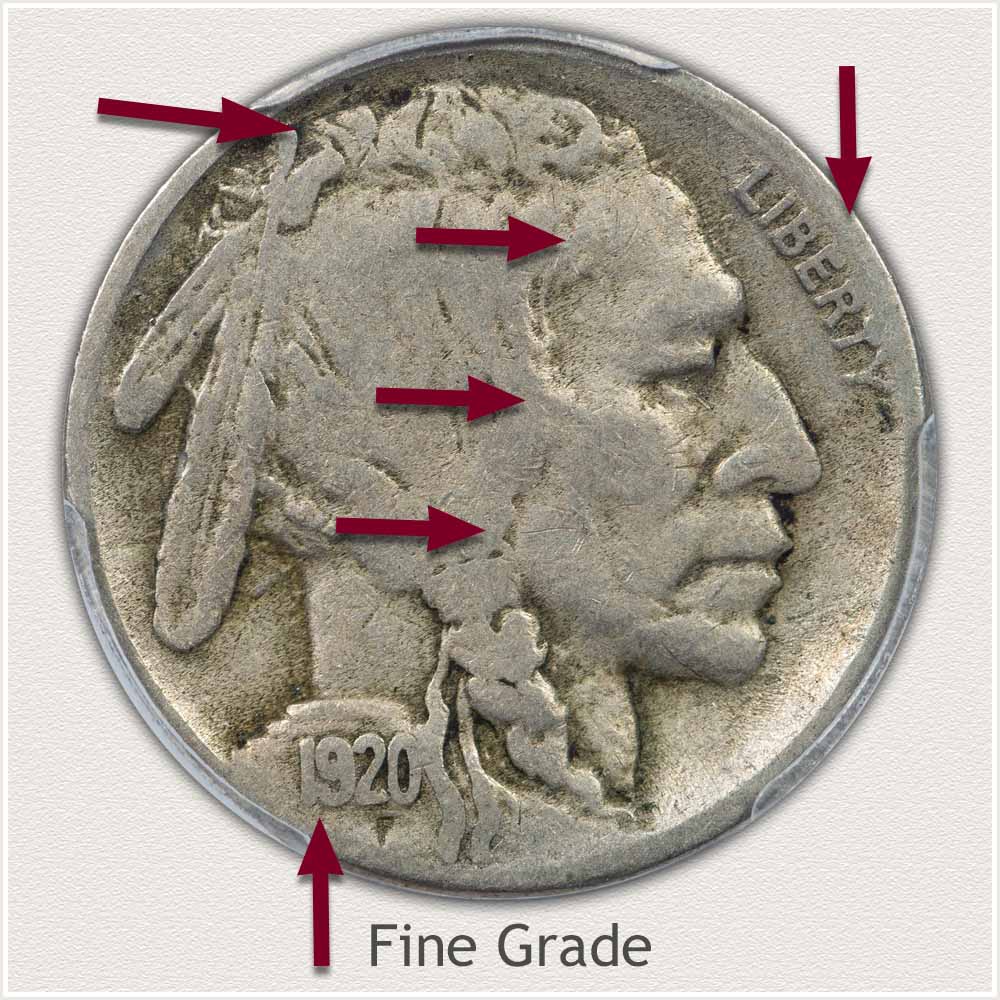 (fig. 9) Compare to the Highlighted Features of a Fine Grade Buffalo Nickel
The first noticeable feature of a Fine grade nickel is the many visible fine line details. Small elements of the date and letters appear clear and distinct. Some hair strands at the top of the Indian's head remain separated. Additionally, a subtle hair contour rises along his face. Overall impression: detailed areas among smooth, worn areas. A moderate amount of detail and wear define a Fine grade Buffalo nickel.
Examine two small areas, letters of LIBERTY and the date. Note on the example, both show clearly. Each number and letter remain raised with most of their outlines complete. The date's slight fading of the nine and zero is within the grade range. Also, within the grade, note the minor merging of LIBERTY with the rim.
Next, viewing the hair detail at the very top of the Indian's head. Hair detail above the part line shows clear and deep recesses defining hair strands. Top areas of contours appear flattened; however, this is offset by the amount of clear detail.
A subtle but important grading feature is the slightly raised contour separating the hairline from his face. Starting just below the forehead, notice this hair detail as it extends to the braid near the jaw. Some fading does occur into the forehead and cheek. Importantly this fading remains small and moderate when compared overall,
Fine grade Buffalo nickels form an important grade within the series. Many entry collectors favor the grade because of its visible bold features and favorable premiums.
Good Grade
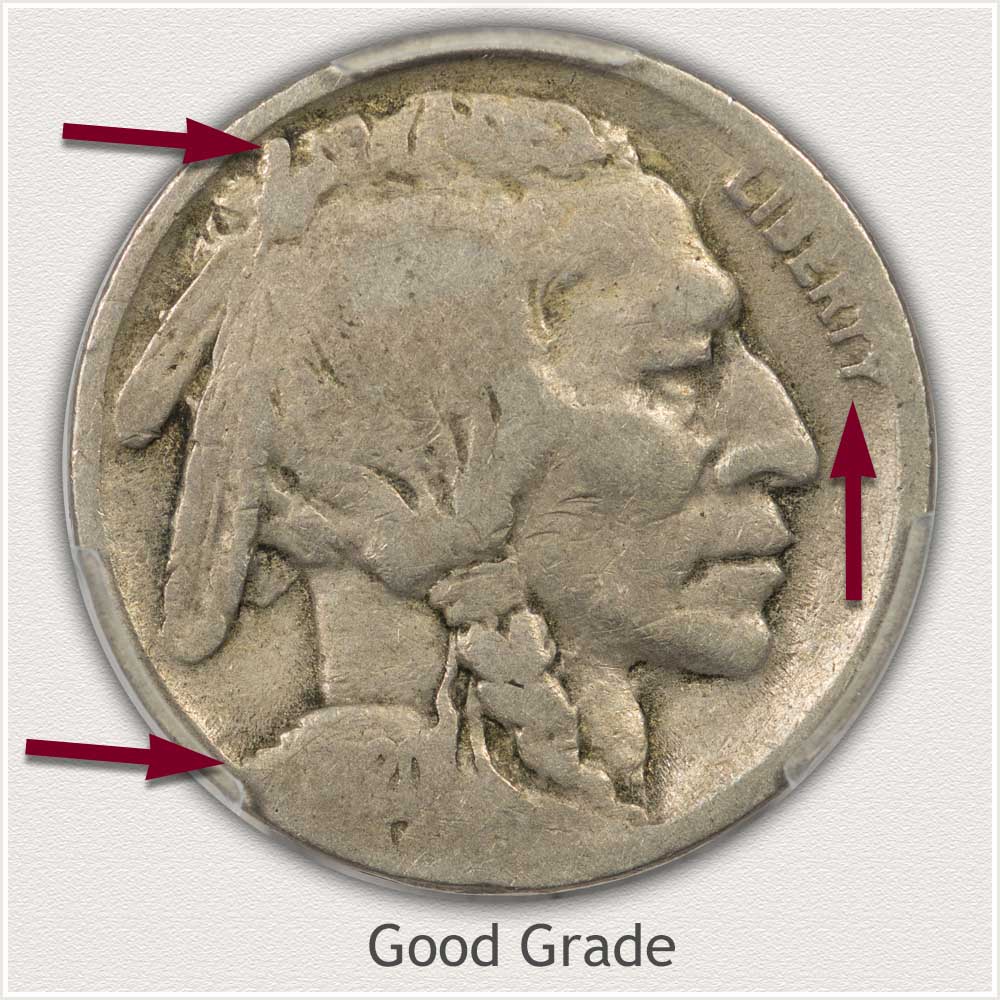 (fig. 10) Use the Highlighted Features to Determine a Good Grade Buffalo Nickel
When a Buffalo nickel displays heavy wear, the grading approach identifies subtle details among the flattened surface areas. Remaining features with specific visible detail determine the grade. Three focal points show this combination of small details next to flat metal. Lettering, hair above and below the part line, and clarity of the date.
In front of the portrait, note how the letters connect with the rim. All seven letters of LIBERTY either fully connect or partially connect along the rim. Note how the lower portion of the letters remain well outlined. Only in this area, a defining inner edge of the rim has worn smooth. Continue to examine the inner edge of the rim along the entire perimeter. A visible edge remains except at the letters and shoulder area. A mostly defined edge indicates the Good grade level.
There is a part line within the hair feature at the top of the Indian's head. Starting at his forehead, the part continues complete to the feathers. Just below the part are a few details within the hair. Above the part, many deep recesses separate visibly flattened hair strands. Missing detail below and a few separated hair strands above the part visually indicate the grade.
The date on the Indian's shoulder becomes a useful confirmation when judging the heavy wear category. Missing or faint numbers one and nine indicate heavy wear. This partial clarity of the date limits the condition to the Good grade.
Compare the quality of your coin to these areas. With similar clarity of these subtle details award the coin a Good grade.
How to Video: Grading Buffalo Nickels
Continue the comparison grading process in more detail. Additional images identify those high condition nickels sought by collectors.
Grading Buffalo Nickels | Visual Grading Guides
Step 3: | Special Qualities:
Why the 1915 Buffalo Nickel is Popular with Collectors
Of the many value fundamentals, a coin must have a strong interest to a large market. Coin collecting thrives on the wide variety of collecting approaches among the numerous collectors. Their interest and demand support the Buffalo series' popularity.
The 1915 nickel appeals to the full collector base. With an enthusiastic search, all issues of the year are both available and affordable in pleasing Good through Fine grades. A new collector can obtain a full set of this year's varieties in nice circulated condition.
A more advanced collector, seeking high quality examples, finds these are also within an affordable range, not excessively high priced.
With research, collectors realize this early year of the series became an overall low production year. Ranking as eighth lowest of the series and second lowest of the decade. A true special feature of the year.
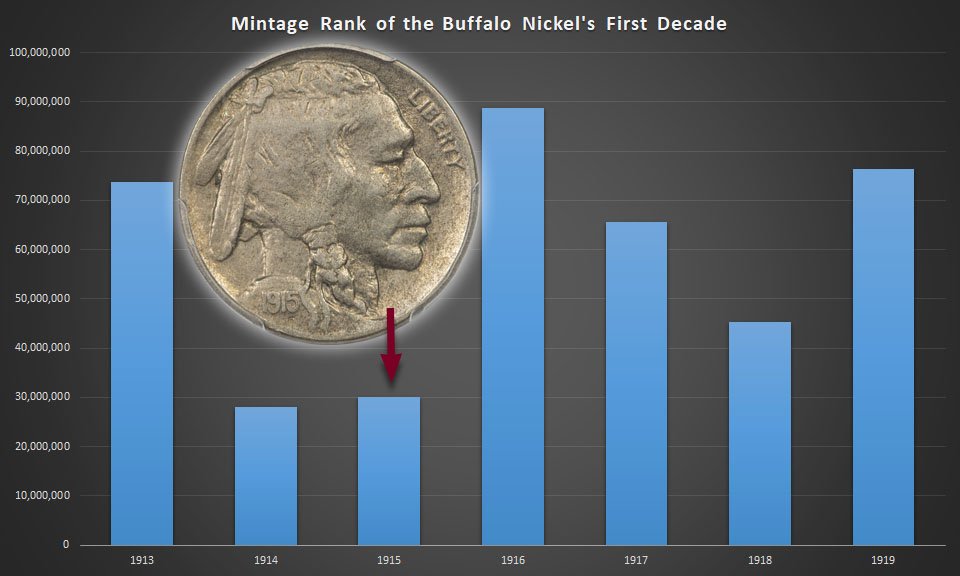 (fig. 11) Mintage Rankings of the First Decade Buffalo Nickels
Aesthetics of the Buffalo design and eye appeal help support interest. A bold and deep relief of the Indian and Buffalo draws attention from both collectors and non collectors. It is immediately recognizable. Additionally, the design remains pleasing in all stages of wear. Due to its strong design elements, a well worn example still displays all major features. Any condition level of a collection has a pleasing eye appeal.
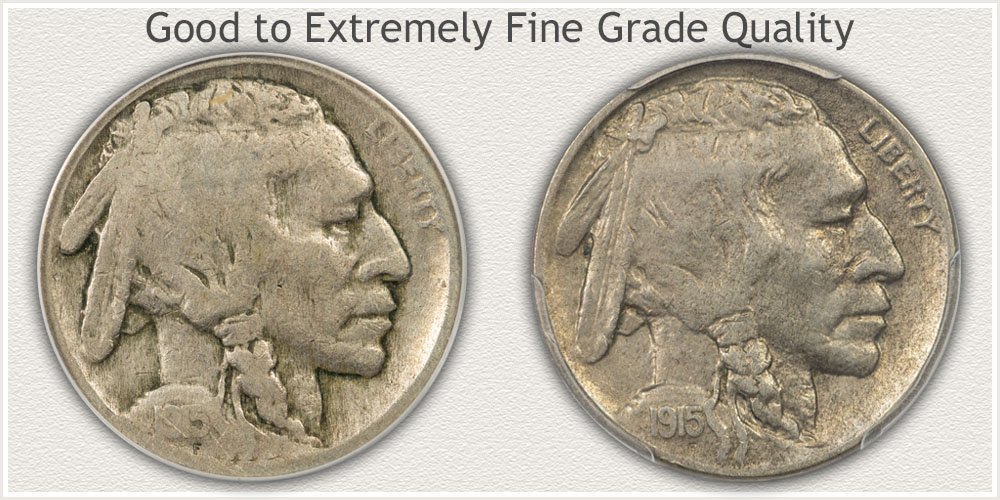 (fig. 12) From Good to Extremely Fine Grade Quality 1915 Buffalo Nickels
With its strong fundamentals. Owing or obtaining a nice 1915 nickel represents a valuable coin in the Buffalo series. A scarce early year.
Completing the key elements of this coin's full description verifies its date, mint of issue, and an evaluation of condition. These determine the coin's narrow value range.
References
U.S. Mint. (1916) Annual Report of the Director of the Mint Fiscal Year 1916. United States Government Printing Office.
The Bureau of the Mint. (1928) Catalogue of Coins of the United States. United States Government Printing Office.
🔎What's next: Review the articles with insights to professional evaluation of high value nickels, storing and preserving these nickels, and recording their descriptions.
Coin Values | CoinStudy Articles
Date by Date
In Depth Buffalo Nickel Value
1913 to 1938
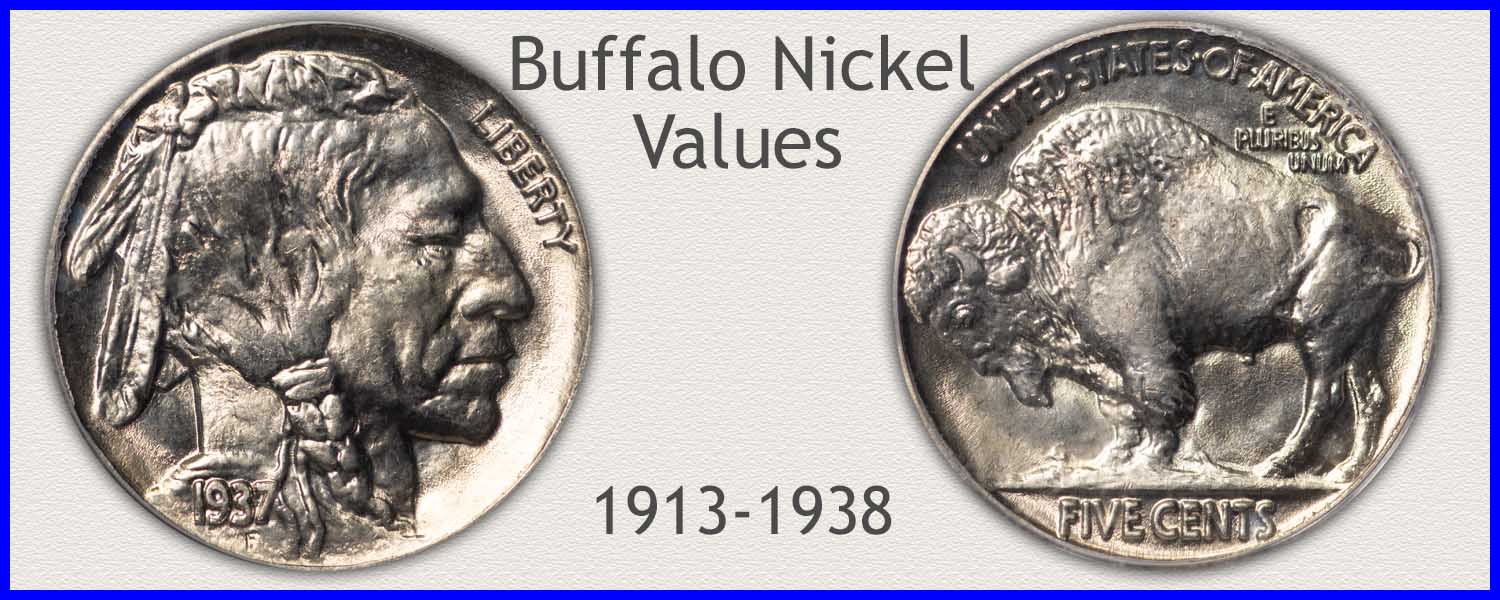
Buffalo Nickel Value | How to Find the Rare Ones
Buffalo nickels enjoy popularity and demand from collectors. Even coins without dates have a premium value. Today, collectors closely examine Buffalo nickels looking for special dates and higher condition examples. Often large value differences are found in just a minor improvement in how well the coin is preserved. This collector preference creates demand, showing in strong values on the complete value chart. Follow the steps to correctly identify and judge your old nickels.
Coin Grading Services | Professionally Evaluate Your Coin
A premium 1915 nickel often requires additional evaluation. Professionals at these coin grading services first authenticate the coin. Next a grade is established. Then the service encapsulates the coin. This combination gives premium value coins market acceptance of their condition and grade.
Print the Coin Values Worksheet
Record important data and comments for each coin. Compile descriptions and values while maintaining a written copy of the complete collection of your coins.
Safe Coin Storage | Recommendations
Recommendations on basic supplies that greatly improve coin storage. Providing for safe handling, preserving value, and organizing your box of old coins. Safely house and store old nickels and maintain their value into the future.
★Coin Values Discovery... finds 1915 nickel value and...
All old US coin values. It is an excellent index with images and text links to coin series, from Cents to Gold. Value charts, grading images and descriptions uncover how much your box of old coins is worth.