Coin Values Moving with Precious Metals: Up-Dated 11/23/2026: Gold $3623 | Silver $42.53
1925 Nickel Value
The 1925 nickel value listing shows its strong support within the coin market. Typically, most of these early Buffalo nickels show heavy wear. Those with finer detail within the feathers and hair detail are an elusive find. Refer to Step-2 and the grading images to narrow a condition range. Start with the first step, identifying semi-clear dates and mintmarks. Evaluating your coin using a defined method discovers how much it is worth.
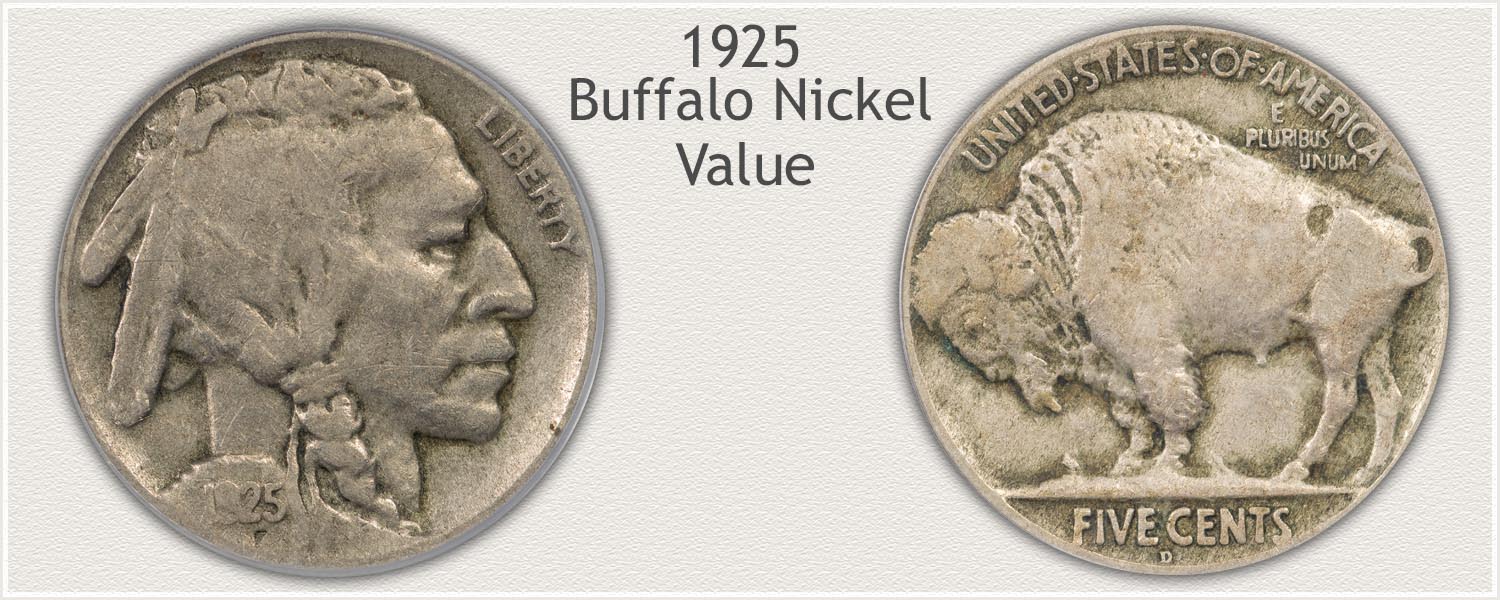 (fig. 1) Obverse and Reverse Sides of a 1925 Buffalo Nickel
| 1925 Nickel Value | ||||
|---|---|---|---|---|
| Condition of Coin | ||||
| Date | Good | Fine | Extremely Fine |
Mint State |
| 1925 Nickel Value Updated | 2026 | |||
| 1925 | $1.67 | $3.86 | $15 | $62 |
| 1925 D | $10 | $34 | $96 | $514 |
| 1925 S | $3.68 | $18 | $127 | $650 |
There is a demand for these old nickels. The chart represents wholesale Buffalo nickel values. Computed from dealer's price lists with various markup factors figured in.
Steps Leading to Value:
- Step 1: Date and Mint Variety Identified: Both scarcity plus premiums require completing an accurate date and mint description.
- Step 2: Grading Condition: Next requirement judges the coin's condition. Use the "grading" images to narrow its condition range.
- Step 3: Special Qualities: How to Identify a Faded Semi-Clear Mintmark
Step 1: | Correctly Identify Date and Mintmark Combination
First important feature needed for a description of the coin is an accurate reading of its date. All value charts rely on specific date and mintmark combinations per their listings. Start an evaluation by closely looking at the lower shoulder area of the Indian's portrait. A small date displays in high relief.
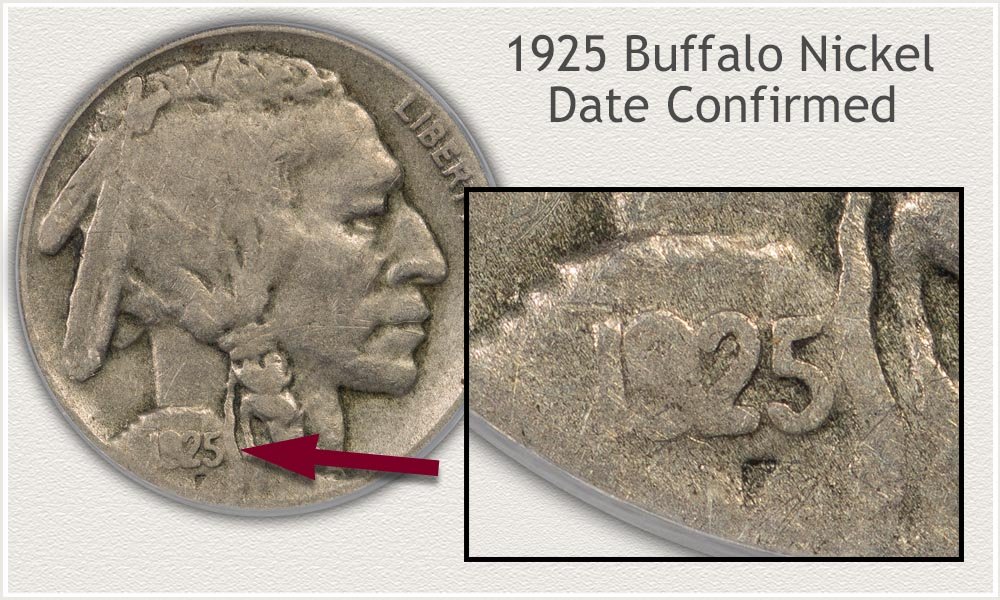 (fig. 2) Locate the Date Area on a 1925 Buffalo Nickel
Specific Features Identify a Faded Date Buffalo Nickel
It is unfortunate the area chosen for the date wore quickly as these coins circulated. Many dates show only partial digits and completely missing numbers. Using specific markers and viewing techniques helps define heavily worn dates.
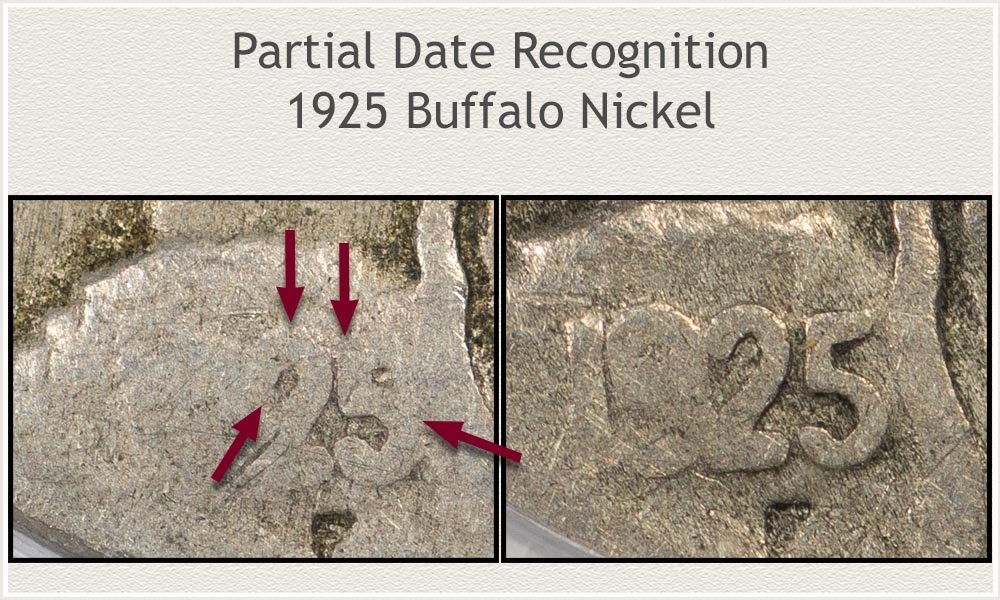 (fig. 3) Using the Highlighted Features Confirm a Semi-Clear Date 1925 Buffalo Nickel
Because all Buffalo nickels were minted in the 1900s, the last two numbers define the date. Only a small contour remains of the one and nine. To the right, only the area between numbers remains with any visible detail. Inspect the left side of the last digit, noting the straight vertical line and the sharp angle to the right, ending in a downward curve. These details are specific to the number five.
Identify the number "2" using the large curved top and right side. Curving inward, the right line straightens and ends before the bottom of the number. Also note the center loop within the upper area of the two. Compare the markers with your coin; they help define the date. Record the date and continue by determining the mint variety.
Three Issues of 1925 Nickels to Verify
Next step is to further define the mint that struck these nickels. Three separate issues were produced. The Philadelphia Mint, San Francisco, and Denver Mints all released 1925 nickels into commerce. Collectors identify the mint of issue by mintmarks placed on the coin. Note the three entries for the date on the above chart.
A 1925-S listing identifies the value for the San Francisco coin. A small "S" mintmark on the reverse was placed by the mint on all their Buffalo nickel coins.
Listed with a "D" mintmark are the Denver nickels. Denver's "D" mark was also located on the reverse. The third mint, Philadelphia, did not use an identifying mark. The area just above the lower rim remains empty. Identifying these marks completes an important task, adding to the coin's description.
"S" Mintmark Nickel - Always a Premium Coin
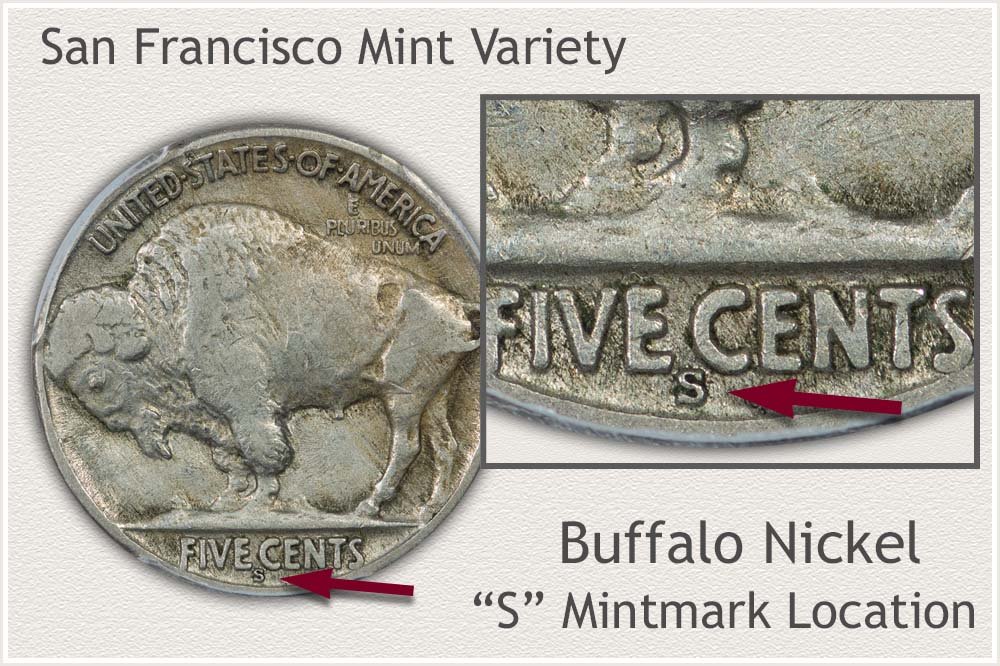 (fig. 4) Verify the S Mintmark on a Buffalo Nickel
The San Francisco mint 1925 Buffalo nickel continues the trend of enjoying a premium over common mint varieties. With its production of 6.2 million pieces, their rarity rates as Available within the market. However, popularity of the S mint variety shows in the value chart, indicating a solid demand.
With these older years of the Buffalo series, heavy wear is the typical condition of many. A clear date and clear S mintmark 1925 nickel becomes an infrequent find. Grading condition is the next important step leading to how much it is worth. Reference the grading section in Step-2.
"D" Mintmark Nickel
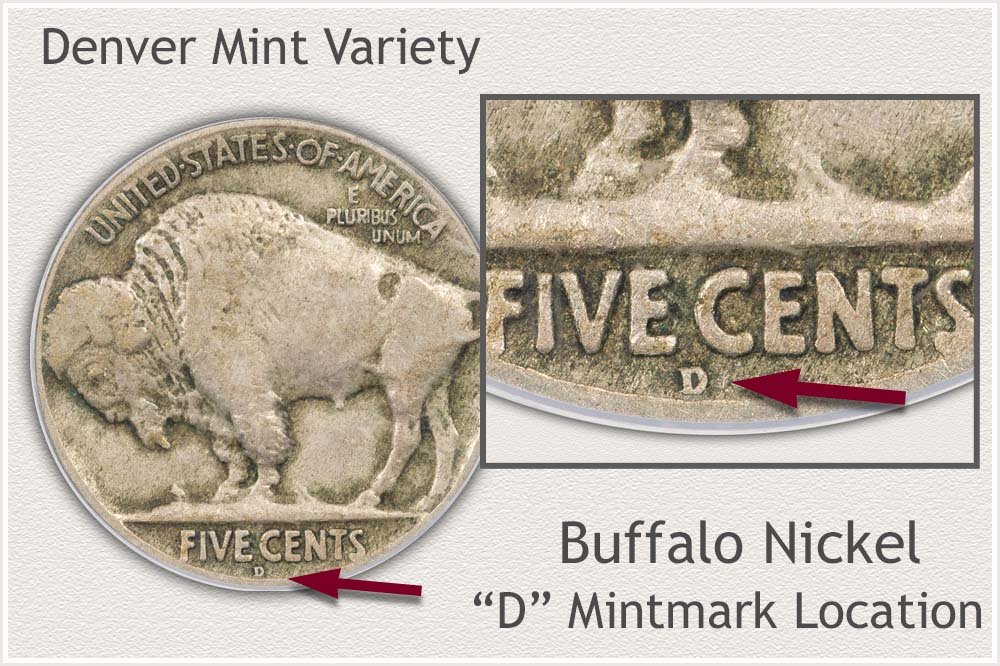 (fig. 5) Denver's D Mintmark Location on a 1925 Buffalo Nickel
A Denver mint 1925 nickel has taken the lead in value among this year's varieties. In the Good through Fine grades, favorites with new collectors, the coin requires a strong premium to obtain. Its initial mintage total hints at today's scarce rarity rating. Denver struck and released only 4.4 million 1925 nickels. A number that now ranks third lowest once the series completed in 1938.
Because of the difficulty finding quality pieces, focus on clarity of the date and the "D" mintmark. Full, non-faded outlines of numbers and the mintmark identify a far above average example of this collectible nickel.
"No" Mintmark Nickel
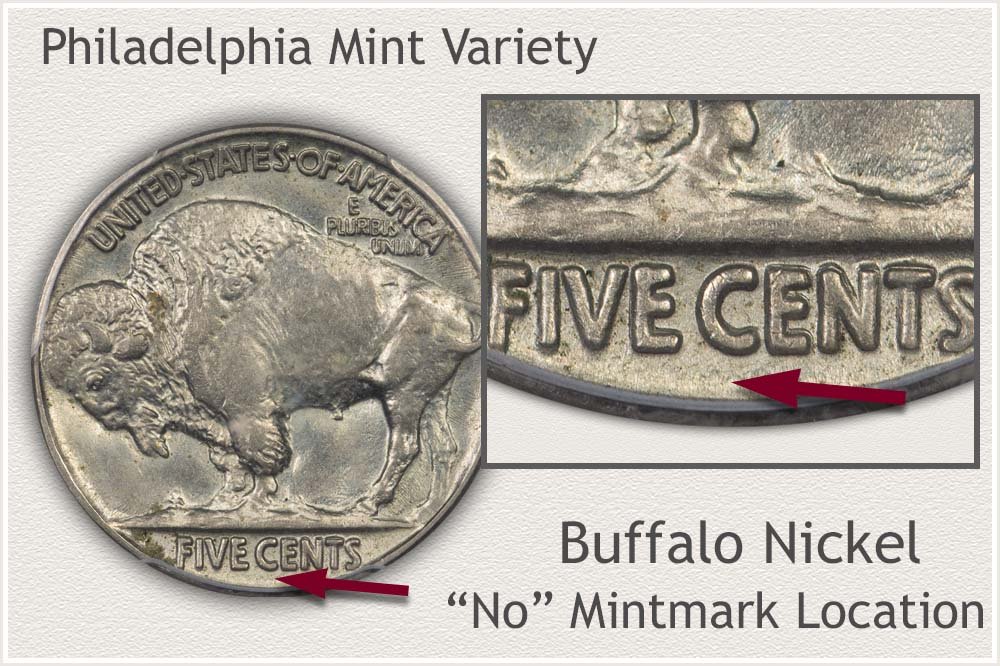 (fig. 6) View of No Mintmark Location Verifying the 1928 Philadelphia Mint Buffalo Nickel
Philadelphia again minted far more nickels than the branch mints in 1925. Sending 35.5 million into circulation. With its large capacity, 1925 represents a typical production year for the mint.
A Philadelphia Mint 1925 Buffalo nickel also represents the affordable variety of the year. New collectors have the opportunity to add a quality example to their collection. Although an available coin, popularity of the series keeps demand strong.
The next step, judging condition, helps define the coin. Key data of date and mint begin the evaluation. Grading the coin's condition then narrows its range on the value chart.
Step 2: | Determine Grade Using a Defined Process
High quality draws attractive premiums for a 1925 nickel. Considered scarce in above average condition. This step evaluates the coin's surface using example images depicting levels of quality.
Grading condition identifies and defines the extent of remaining design detail. It is the amount of wear and removal of metal on key features examined and judged.
Using a standard method of comparing your coin to images of example grades initially narrows its condition. Inspect the features highlighted in the following images and descriptions, finding a close match. This places your coin within a grade range.
Mint State Grade
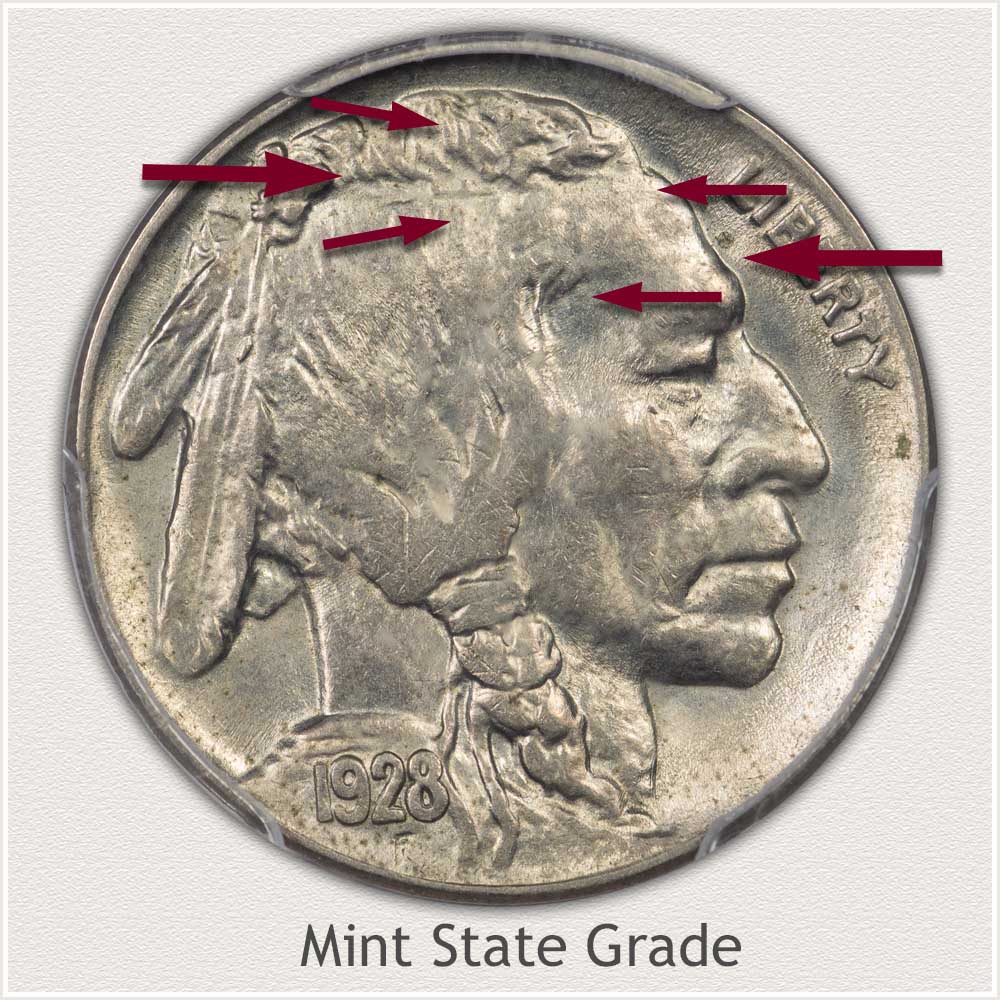 (fig. 7) Obverse Grading Features Identify a Mint State Grade Buffalo Nickel
The primary description of a Mint State Buffalo nickel is the absence of wear on its surface. Inspecting key, high relief features and confirming a consistent texture and luster "grades" this condition. Examine the focal areas (fig. 7) using a defined inspection. First, luster, the Mint State shine of unworn metal, radiates from both high and low surface areas. Secondly, unworn metal has a subtle texture producing this luster. In comparison, worn metal becomes smooth and a monotone gray tone. Worn metal reflects a dull shine, different than the brilliance of luster.
Use a single light during the grading examination. With magnification, inspect the hair strands at the top of the Indian's head. Note the metal texture and luster across the top contours. Slightly tilt the coin, changing the light angle. Luster moves over the top rounded contours, remaining a similar shine overall. Compare this surface quality on the hair above the part line with strands just below. Any surface wear dulls the metal and clearly disrupts the flow of luster.
Use this grading technique and inspect the Indian's forehead. High points of his eyebrow and above the temple radiate a shine similar to low zones within the temple back of the eye. The illustration shows brightness in high areas and a slight shadow effect in the temple area. Rotating the coin and changing the light angle brightens the temple shadow, indicating a Mint State surface.
These two areas, fine details of hair strands and large open areas, give an excellent view of the coin's condition. Recognizing an original surface quality across different design features places the coin within the Mint State grade.
Extremely Fine Grade
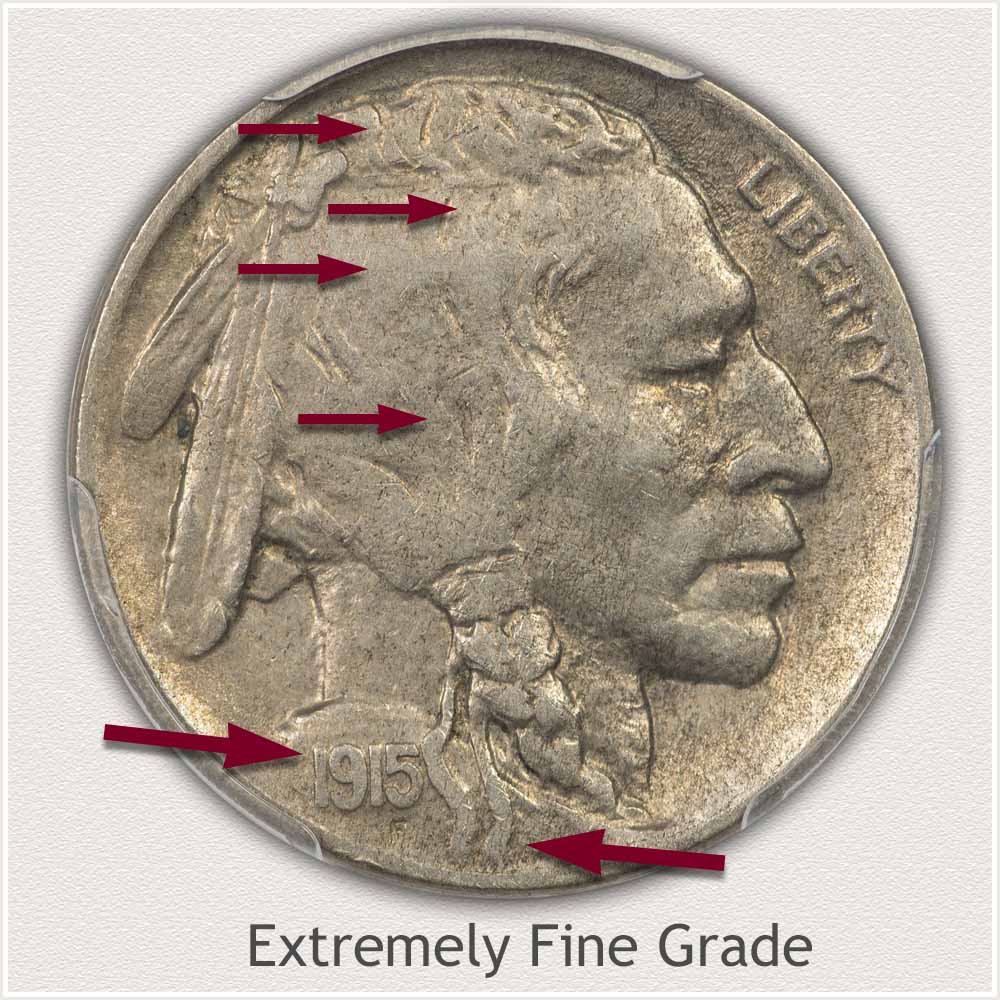 (fig. 8) Use the Grading Features to Determine the Extremely Fine Grade Buffalo Nickel
Light wear defines the Extremely Fine grade. These coins show only small amounts of wear and flattened areas at their high points of the design. Identifying a 1925 nickel meeting the "light wear" condition finds a premium example of these Buffalo nickels. The grading process determines the size and extent of surface wear that meet this quality condition. Compare your coin to the professionally graded example. Approach the grading process looking for visible remaining detail.
As a first indication of condition, a clear, easily readable date is a requirement for the grade. Visible and complete outlines of each number and a raised appearance from the background meet this grade level. Looking closely at the example, the flat tops of the numbers display the extent of slight wear.
Nearby the date, the Indian's hair braid also shows evidence of wear across the braids. A ribbon ties the braids with trailing ends. The ends of the ribbon remain distinct as they pass over the shoulder. A slight fading of the ribbons at their very ends just meets grade level. Strong ribbons overall place the coin well within the grade.
Next, examine the visible hair detail starting at the top of the Indian's head. High quality details stand out above the part line. Many strands remain well defined by the deep recesses. Wear flattens only the top contours of hair with no widespread merging. Just below the strong part line, some hair strands remain visible before merging. Within the central hair, a few details remain. This overall condition of the hair shows some smooth areas among many detailed areas.
Combining the bold date, facial features, and details within the hair presents a quality appearance. Extremely Fine grade Buffalo nickels display sharp details, easily visible, over the entire design.
Fine Grade
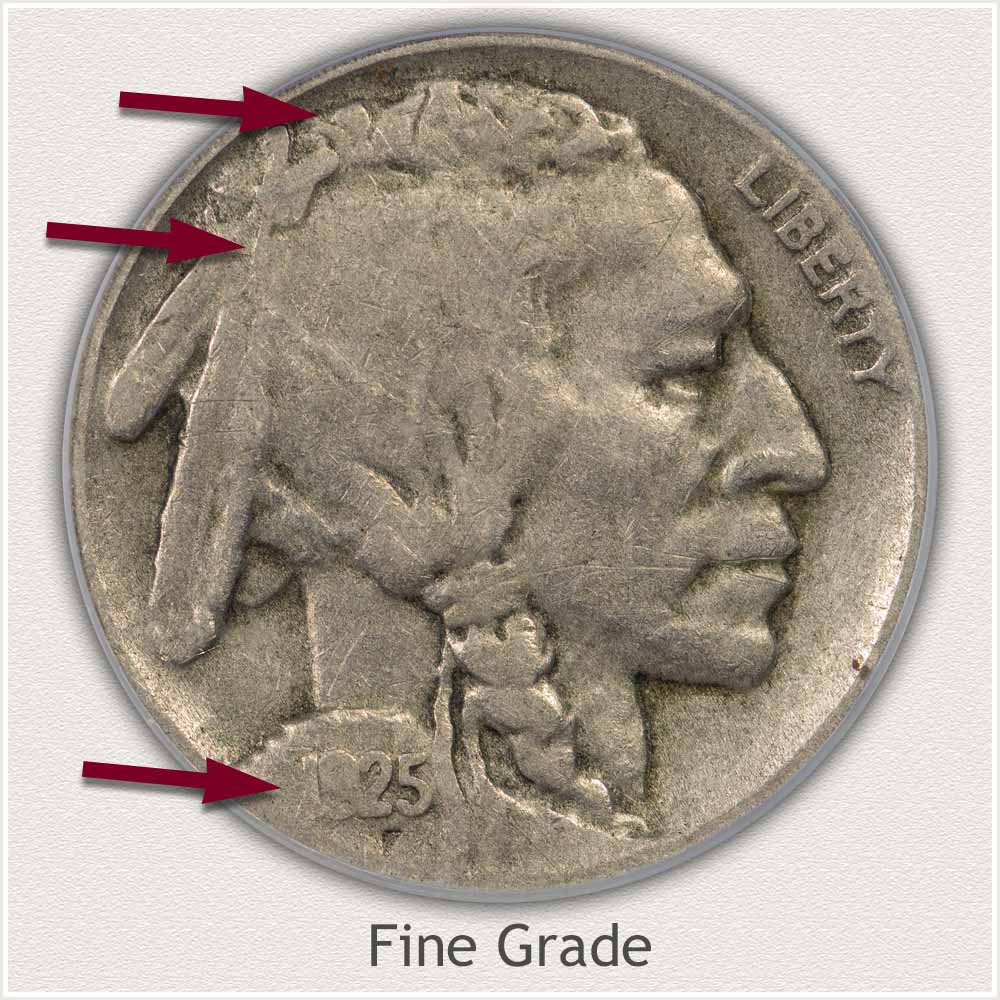 (fig. 9) Visual Condition of Highlighted Features Indicate the Fine Grade Buffalo Nickel
Today's collectors seek above average quality Buffalo nickels. Any 1925 nickel still showing a moderate amount of hair detail places its condition within a higher quality range. Moderate wear defines the Fine grade represented by bold features alongside areas of worn appearing metal.
One of the first focus areas of a collector involves inspecting the date. On the example (fig. 9), all digits show with a slight fading of the one and nine. This combination of clarity, the two and five, compared to a soft one and nine, displays this moderate condition visually. When your coin matches closely with the example, it becomes the first indication of higher quality.
Stepping back with an overall view of condition, hair detail first appears lacking. The large central area within the portrait shows widespread smooth metal. Indicating nice quality are the many deeper hair recesses within the area high up near the rim. In the area above the part line, recessed lines keep the smooth contours from connecting. A subtle hair detail that when your coin marches helps confirm the Fine grade condition.
When grading these nickels, examine a third area. Two feathers decorate the back of the Indian's portrait. Note how the large feather shows a subtle raised separation line from the hair. Moderate wear does lower the feather's relief; however, a small definition remains. Additionally, a faint impression of a central quill within the feather still shows. A favorable match of your coin with this detail adds to its quality appearance and grade.
Good Grade
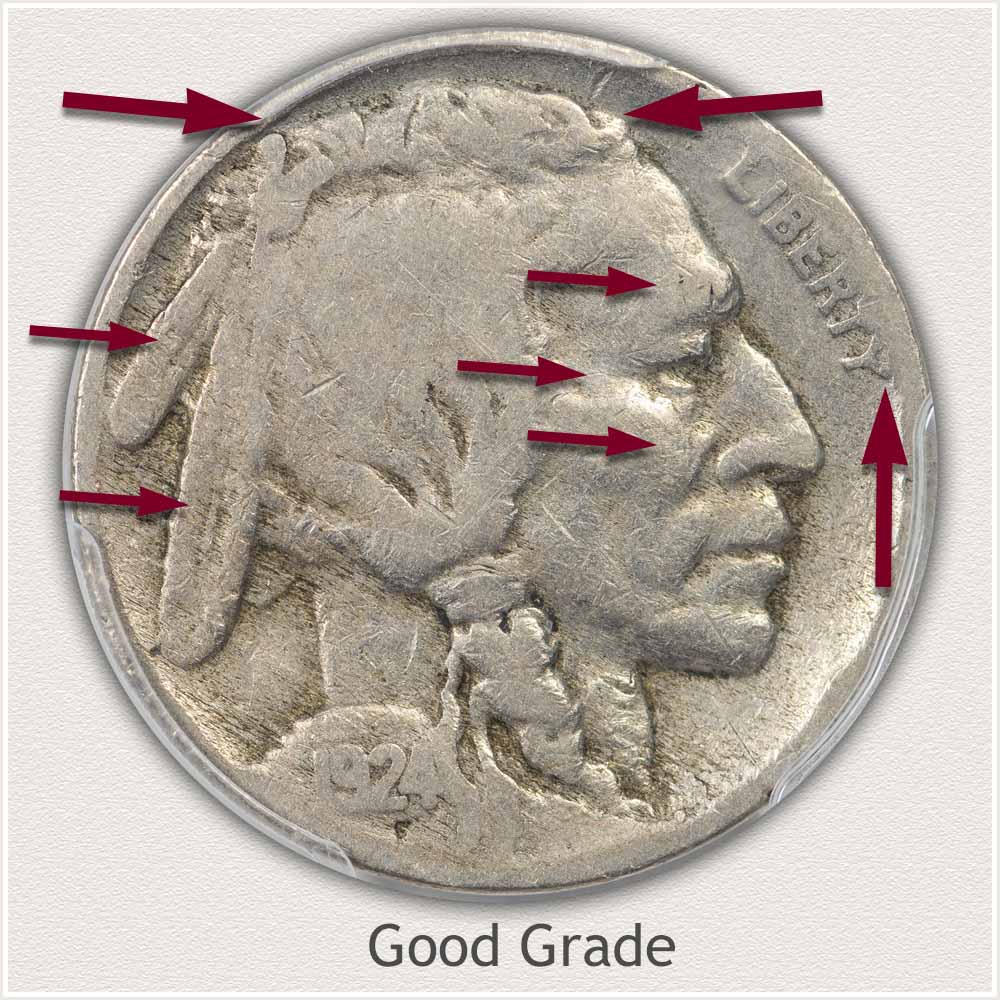 (fig. 10) Use the Highlighted Features Indicating the Good Grade Buffalo Nickel
Once smooth, flat metal becomes a majority of the Indian's hair; a Buffalo nickel's condition is in the Good grade range. Of note: a readable date becomes the first metric required to keep the coin within collectible condition. Some hair details visible and a partially readable date is the overall impression. A few key features are also required to place the coin with the Good grade. Clarity found in small areas of hair detail and lettering of the motto.
Hair Detail: Located at the top of the Indian's portrait, a part line divides a narrow hair feature from the lower areas. Within this top area, a few deep recesses remain, giving some detail to the area. Strong recesses limit the visibly flattened hair strands from merging completely across the area. A close match with the example gives a good indication of the detail required to meet grade level.
The Motto: Letters of LIBERTY protected by the rim and the portrait remain easily readable. As a grading feature, the amount of a letter's connection with the rim becomes the indicator both confirming and limiting the grade. Examine the example; only the tops of letters merge with the rim. At this grade, the lower two thirds of each letter show strongly. Secondly, most of the letters fade into the rim. Typically, letters L and I remain with a faint separation from the rim. Most letters connecting with the rim limits condition to the Good grade level.
Next develop an overall assessment of visible detail. Strong facial features standout, and feathers at the back of the head remain recognizable. Combined with some hair detail and readable letters, these identify a Good quality and grade Buffalo nickel.
How to Video: Grading Buffalo Nickels
Often a further insight into grading improves accuracy. Refer and compare your coin to additional images. With a focus on key grading features, descriptions highlight the subtle qualities of each grade.
Grading Buffalo Nickels | Visual Grading Guides
Step 3: | Special Qualities: How to Identify a D or S Mintmark
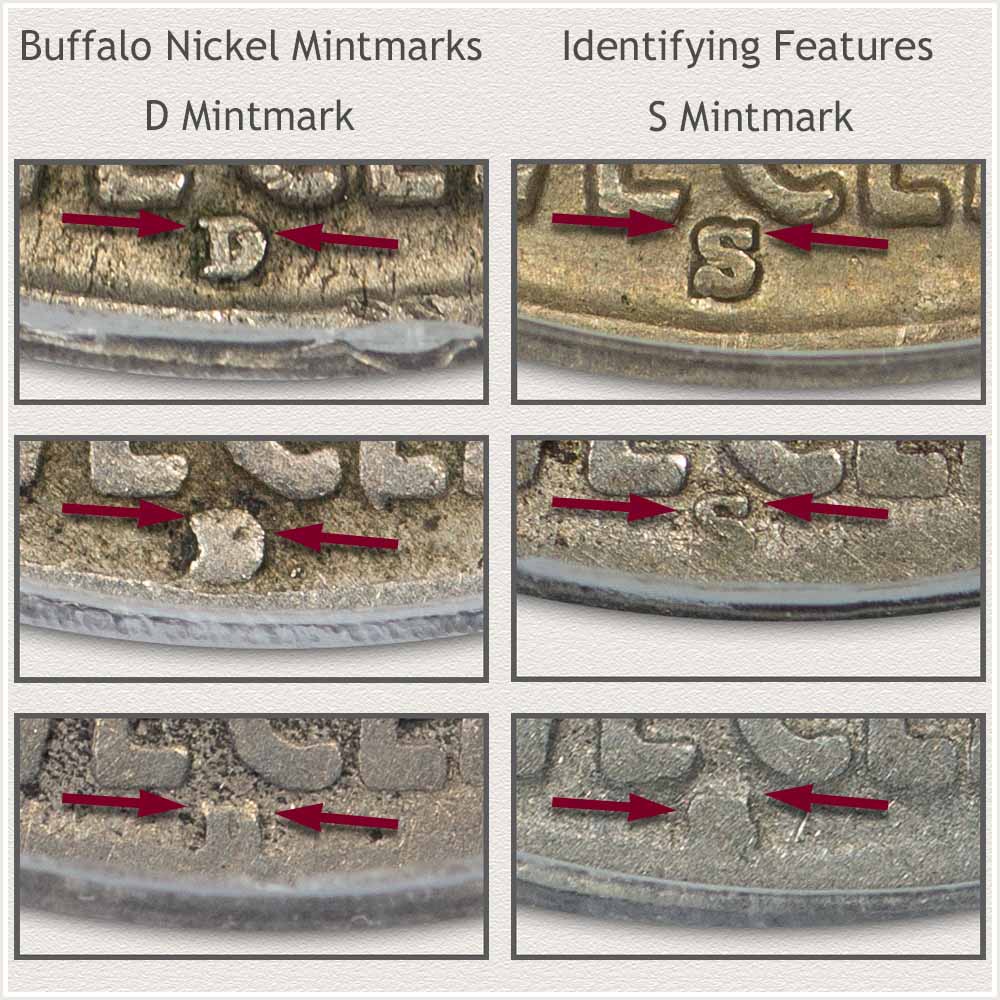 (fig. 11) Highlighted Features Identify the D or S Mintmark Buffalo Nickel
Mintmarks are an important feature deciding an accurate description of the coin and its value. Unfortunately, size of the mintmark and its placement cause the letter to fade and become difficult to confirm. Focus on the highlighted markers unique to the D and S marks. Faint remains of a marker help support and verify the difference between a D or S mintmark.
The image illustrates typical wear patterns on Buffalo nickel mintmarks. Visually the confirming features of a mintmark start clear, become semi-clear, and then fade and become subtle to recognize. Since the lower half of a mintmark often merges with the rim below, inspect carefully the upper features highlighted.
A Denver mint D mark begins with a top serif point extending left of the letter. This distinctive feature, combined with the flat top and curved right-side defines the D mintmark.
The compact S mintmark has ending serifs both at the top and bottom of the letter. Examine the top third of the S. A rounded left side curves up over the top, ending with the decorative finishing serif, also with a slight upward feature. As the mark wears, flattens, and fades, these features are the strong indicators of the S mintmark.
Magnify the area and use a single light when viewing the mintmark. Tilting the coin to lower its angle to the light sharpens shadows, adding clarity. Viewing techniques plus identifying specific markers decides if the mintmark is a D or S.
With the main elements of value: the coin's date, mintmark variety, and condition established, determine the narrow value range on the chart. Additionally, visit the full Buffalo nickel value chart, plus additional grading guides is listed below.
References
U.S. Mint. (1926) Annual Report of the Director of the Mint Fiscal Year 1926. United States Government Printing Office.
The Bureau of the Mint. (1928) Catalogue of Coins of the United States. United States Government Printing Office.
🔎What's next: Review the articles with insights to professional evaluation of high value nickels, storing and preserving these nickels, and recording their descriptions.
Coin Values | CoinStudy Articles
Date by Date
In Depth Buffalo Nickel Value
1913 to 1938
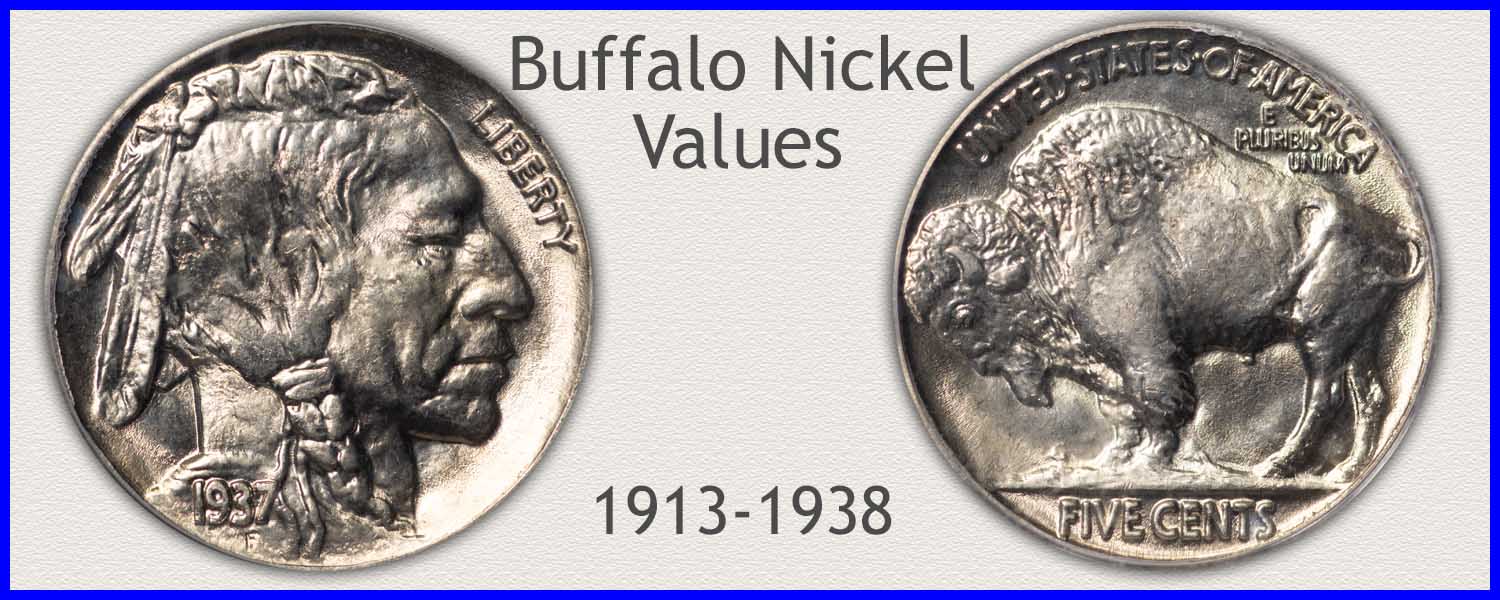
Buffalo Nickel Value | Listing the Series Date and Mint Combinations
Buffalo nickels: A popular coin series rising in value. Interestingly, worn coins without dates are worth a premium. Today, collectors closely examine Buffalo nickels. They search for special dates and quality condition pieces. Review the full value chart listing the date and mint combinations of the Buffalo nickel series. The step-by-step method gives insight into values.
Coin Grading Services | Professionally Evaluate Your Coin
A premium condition 1925 nickel often requires additional evaluation. Professionals at these coin grading services first authenticate the coin. Next a grade is established. Then the service encapsulates the coin. This combined gives premium value coins market acceptance of its condition and grade.
Safe Coin Storage | Recommendations
Storing your coins correctly preserves value. Single high value coins need protection from elements in the air and contact with their surface. Large quantities of coins are conveniently housed in special holders. Safe methods are explored.
Print the Coin Values Worksheet
Print the Coin Values Worksheet to list your coins and record their values. Should you decide to sell... use a copy of the worksheet as a packing slip.
Selling Coins | How to Get the Best Value
Planning helps when selling coins and achieving the highest price. Research and organize well, value your coins accurately, and then finding and selling to the right buyer equals excellent results.
★Coin Values Discovery... finds 1925 nickel value and...
Coin values index. Identify Dates, Mints, and Condition by following images to the different series, all valued individually. Follow the step-by-step method, comparing your coin to descriptions and images, helping identify the important qualities to a narrow value range.