Coin Values Moving with Precious Metals: Up-Dated 9/28/2026: Gold $4175 | Silver $61.42
1918 Nickel Value
Within this popular Buffalo series, condition of the coin has a great influence on 1918 nickel value. With values starting strong, recognizing an above average grade finds a high premium coin. Secondly, mintmark varieties of 1918 nickels are known for their scarcity.
Follow a step-by-step process, and identify the date, often semi-clear when worn. Next, recognize the presence of mintmarks indicating the scarce varieties. With these facts, continue with judging condition by comparing your coin to example grade images and descriptions.
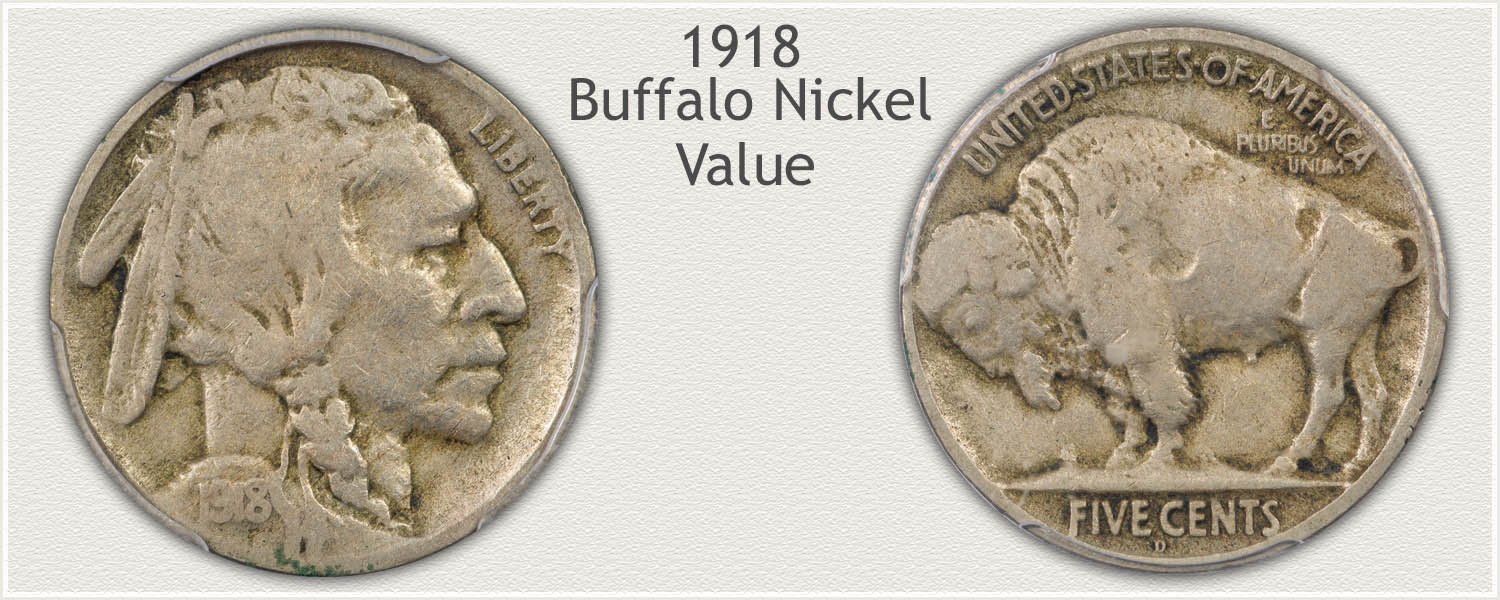 (fig. 1) Obverse and Reverse Views Confirming a 1918 Buffalo Nickel
Steps Leading to Value:
- Step 1: Date and Mint Variety Identified: As part of a full description, inspect and confirm date and mint.
- Step 2: Grading Condition: Inspecting surface quality with standards helps judge the condition of the coin. The coin's "grade" becomes part of the value process.
- Step 3: Special Qualities: Recognizing a Semi-Clear Mintmark on a Buffalo Nickel
| 1918 Nickel Value | ||||
|---|---|---|---|---|
| Condition of Coin | ||||
| Date | Good | Fine | Extremely Fine |
Mint State |
| 1918 Nickel Value Updated | 2026 | |||
| 1918 | $3.42 | $5.85 | $16 | $130 |
| 1918/17 D | $606 | $910 | RARE | RARE |
| 1918 D | $19 | $43 | $166 | $632 |
| 1918 S | $10 | $40 | $171 | $1,114 |
Above are averaged wholesale values, an excellent starting point range. Use as a guide and range when determining how much your coin is worth.
Step 1: | Date and Important Mint Issues to Recognize
All dates from the first decade of the Buffalo series show excellent premiums. An accurate reading of the date becomes the first step when defining and describing the coin. Located near the lower rim, the date is on the shoulder of the Indian's portrait.
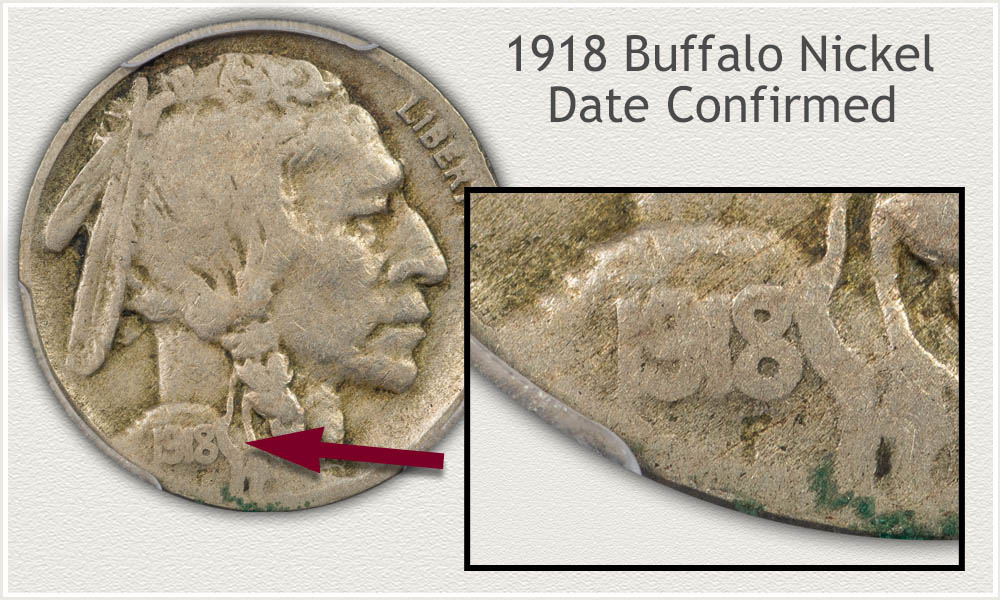 (fig. 2) Examine the Location and Confirm the Date of a 1918 Buffalo Nickel
Viewing Techniques Identify a Partial Date Buffalo Nickel
The older dates of the Buffalo series often appear very worn. The date area fades, and missing numerals are a common problem. Because of potential value, inspect any faded date, comparing it to the illustration. Certain markers help indicate the correct reading of these partial-date Buffalo nickels.
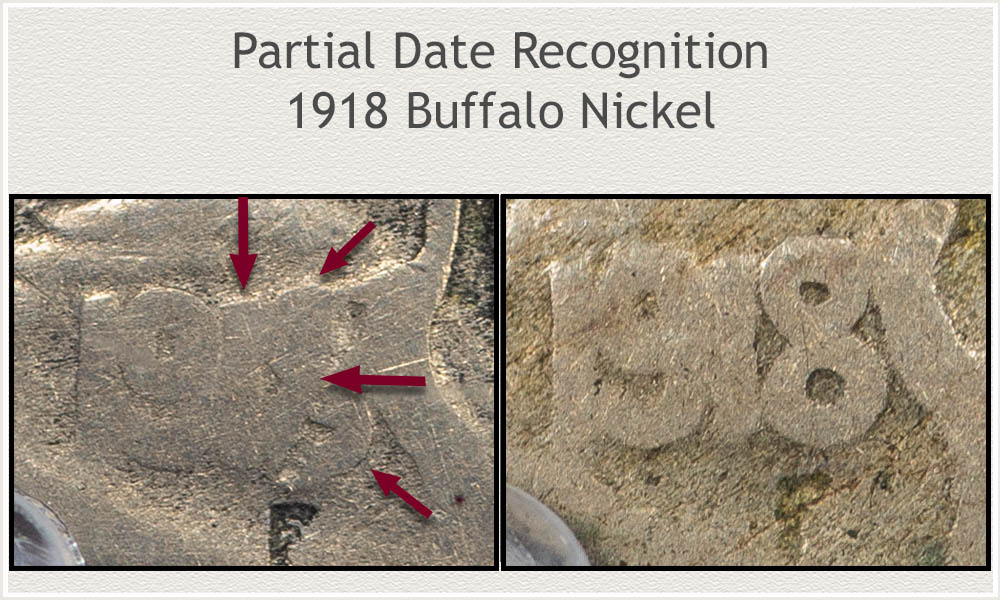 (fig. 3) Inspect the Features Used to Identify a Partial Date 1918 Buffalo Nickel
A single light shined across the surface gives this faded date strong contrast. Deep shadows help identify the example (fig. 3) as a 1918 nickel. Lighting combined with specific markers highlights a popular date nickel.
Tilt your coin at a low angle to a light and look for the wide rounded top and bottom of the last digit. This method begins to recognize the number eight. Next, on its left side, the double curve with a small angle at the center helps confirm an eight.
To determine the decade, note the narrow top of the number at the left of the eight. This top appears noticeably narrow compared with the eight. Combine the narrow top with a straight right side, and a faint "1" begins to show. Skillful lighting and specific markers identify the coin as 1918.
With the date recorded, the mint producing the coin becomes the next part of its full description.
Identify the Philadelphia and Two Branch Mints of Buffalo Nickels
As a premium date, 1918 nickels have three varieties to identify and value separately. This year nickel was minted at three mints. Philadelphia, San Francisco, and Denver, each with different rarity levels. An accurate description of the coin includes the mint of issue.
Mintmarks placed on the reverse include an "S" for San Francisco and a "D" mark used by the Denver mint. A coin without a mintmark indicates the Philadelphia Mint struck the coin. Find the small mintmark letters along the lower rim in the space below the "E" and "C."
Confirming the mint that produced a 1918 nickel becomes an important part of its full description. Use the following images to verify the mint variety.
"S" Mintmark Location on the Buffalo Nickel
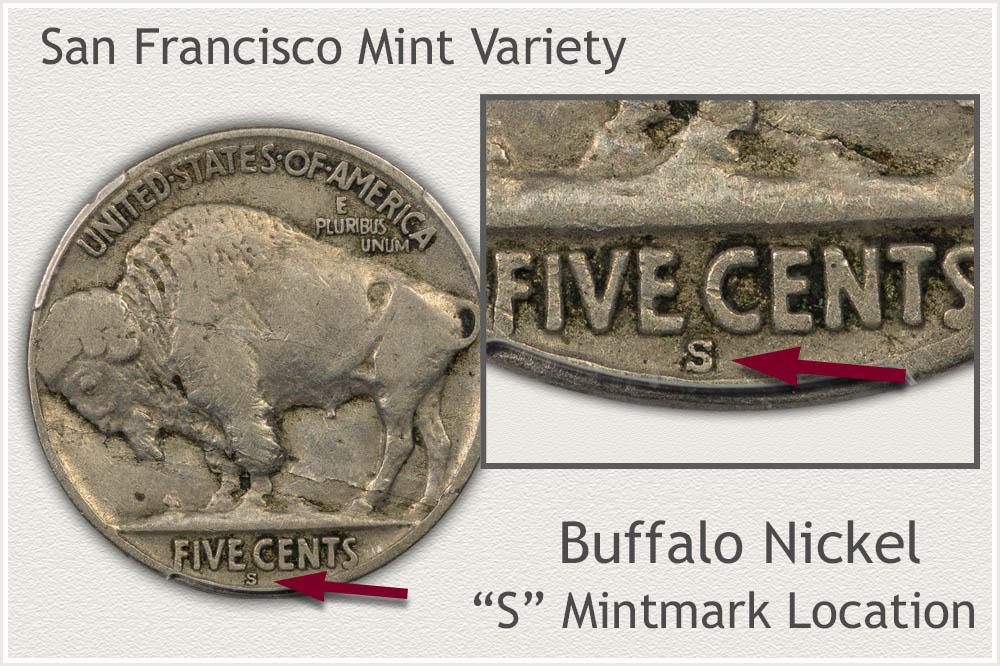 (fig. 4) Confirm S Mintmark on Reverse of a Buffalo Nickel
All San Francisco Buffalo nickels are popular with collectors today. In 1918 the mint produced 4.8 million, placing the "S" mintmark on the reverse. This variety of 1918 nickels have developed a nice premium value in all stages of condition. Although its initial mintage became an average amount for San Francisco's yearly production, its scarcity rates as an infrequent find.
Verify the date and confirm the "S" mintmark before moving to grading its condition in Step 2.
"D" Mintmark Nickel
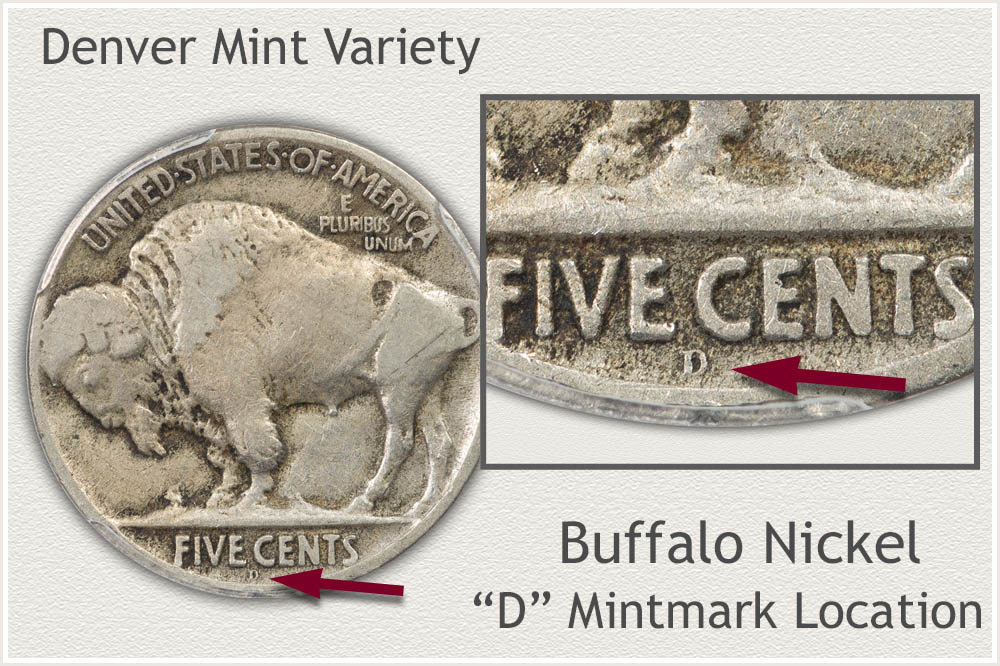 (fig. 5) Confirm the D Mintmark Buffalo Nickel
On a rarity scale the Denver 1918 nickel ranks as scarce. As a challenging coin to find in nice condition, they have developed a strong premium. With a yearly total of 8,362,000, few higher quality coins remain.
Heavily worn examples are the typical condition of these first decade Buffalo nickels. Identify the "D" mark by its left side serifs. These slight projections are on both the top and bottom of the mark.
Note the quick rise in value depending on condition. Review the date and mintmark for accuracy and grade its condition next.
"No" Mintmark Nickel
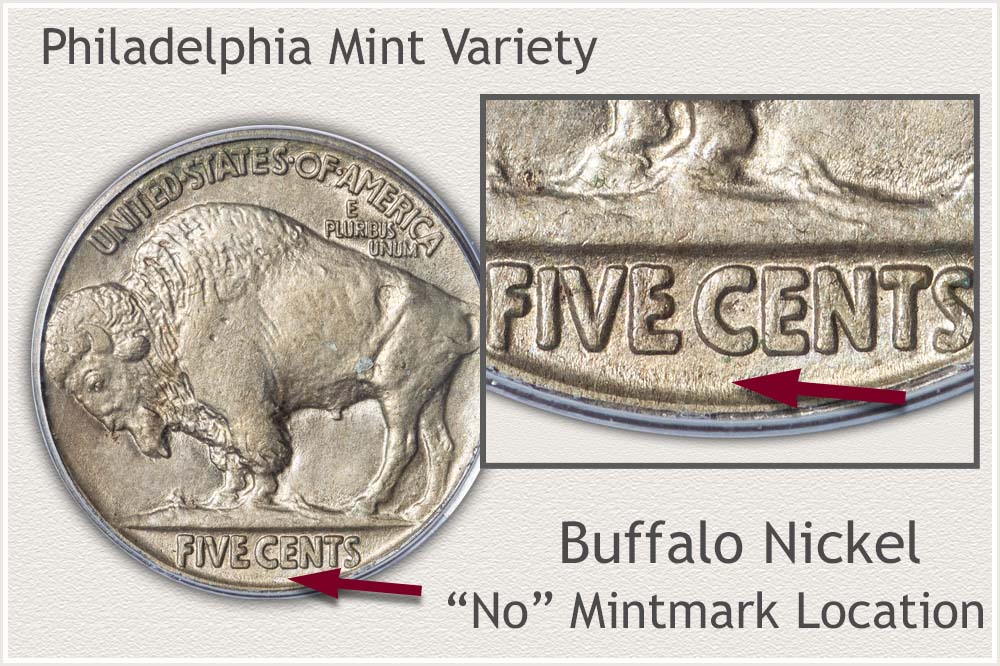 (fig. 6) Identify the No Mintmark Buffalo Nickel
A close inspection of the reverse confirms the "no mintmark" variety 1918 Buffalo nickel. With the area empty of any mark, this identifies the Philadelphia mint produced the coin. Over time, Philadelphia's mintage number of 32 million 1918 nickels became a high total for any date and mint combination. These coins rank in the abundant category range. Values on the chart reflect the coin remains available to most collectors today.
Next, examine the coin, looking for fine line detail. Quality of the surface and level of detail now become the factors deciding how much it is worth.
Key facts are now known about your coin. Its date, confirmed with a close inspection. Also, the mint striking the coin, is an important distinction. Next, the coin's overall quality. This identifies the condition and grade listing.
Step 2: | Grading Condition Using a Comparison Method
1918 Buffalo nickels receive constant demand within the coin market. Determining their condition narrows the range of values listed on the chart. The amount of wear, or no wear, to the surface of the coin determines a "grade." These "grades" categorize condition into defined levels.
Examine and compare your coin with the "graded" coins illustrated. Look for an overall match focusing on easily seen details. It is the amount of remaining visible features that determines each of the grades. With a close match with an image, the descriptions of grades further detail the quality and appearance of important features. Proceeding through an overall visual match to identifying small details helps confirm the grade range.
Mint State Grade
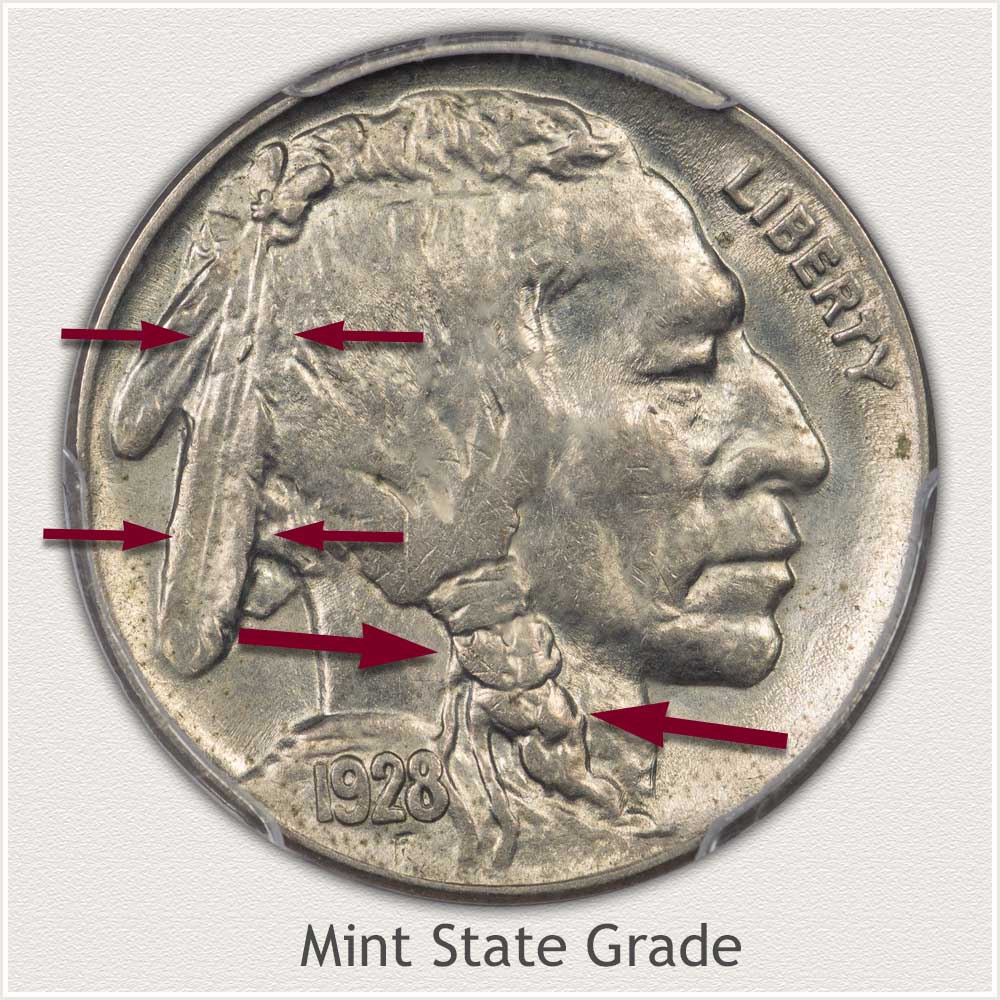 (fig. 7) Compare With the Highlighted Features to Determine the Mint State Grade Buffalo Nickel
All Buffalo nickels when first minted show a fine grain texture on their surface. Light reflects off this surface with a new coin's brilliant shine. This metal quality is the result of dies striking the coin under heavy pressures. Metal flows into the design elements, leaving this Mint State texture on the metal's surface. The metal shine, known as luster, quickly wears on high points. Within the hobby, a strict definition of the Mint State grade requires "no wear" on the surface. Consequently, specific high points provide grading areas used to detect any signs of wear.
Inspecting the illustration, the Indian's braid appears well detailed. It rises above the neck, showing rounded contours with deep recesses indicating the braids. Use a single light when evaluating your coin, tilting it at different angles to the light source. A matching luster shine on both high and low areas of the braid indicates the "no wear" condition.
Smooth metal on high points is evidence of wear on top surface areas. This worn metal has a different look than unworn metal that retains its original minted texture. Light does not reflect off worn metal with a brilliance. The visual effect is a dullness and color change to a muted tone.
Inspect the two feathers at the back of the Indian's head. Viewing your coin at various angles to the light, confirm the luster appears similar on high feather edges and lower central areas. Brilliance is not interrupted by areas of smooth and dull reflections at the Mint State level.
Complete unbroken luster and absence of dull, smooth surface areas combine to judge a Mint State Buffalo nickel.
Extremely Fine Grade
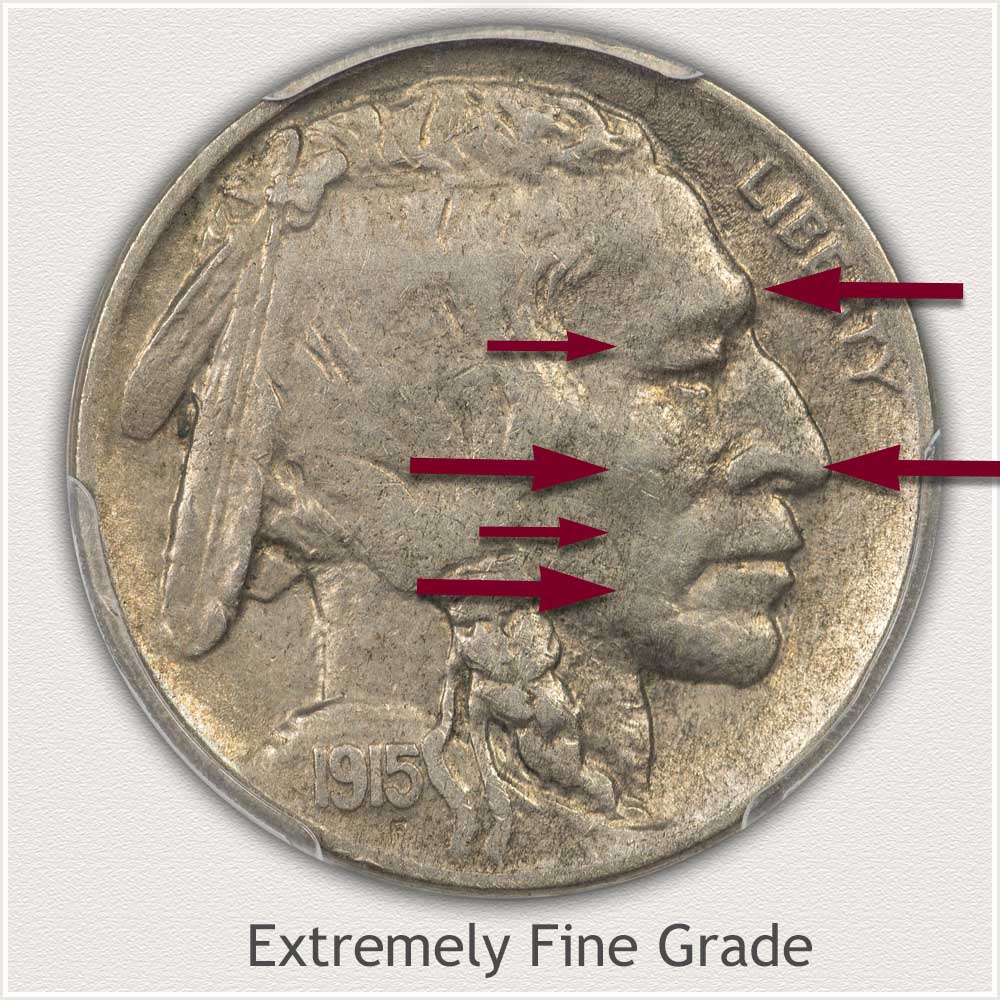 (fig. 8) A Match of Your Coin with the Highlighted Features Indicates an Extremely Fine Grade Buffalo Nickel
Crisp detail is the overall look of a Buffalo nickel in Extremely Fine grade. This condition attracts collector attention with its bold look and many visible fine details. Using the example illustration as a comparison, match your coin to the highlighted condition details.
Light wear smoothing and flattening only high contours defines the Extremely Fine grade. Examine the example image (fig. 8) with a focus on the Indian's face. High contours of the eyebrow, cheek, the nose, and the area just left of the mouth all show some flatness at the very tops of their contours. Between each, low relief areas remain completely separating all of these features. This disconnect of each feature indicates the light wear condition. The eyebrow shows a flattened top contour and a remaining low relief area leading to the slightly flattened cheek. Along the lower edge of the nose, flattened metal ends at a low area separating the flattened contour next to his mouth.
An overall view of facial features shows many high relief elements and contours. At the Extremely Fine grade only small areas of smooth metal cause flatness at the tops. Remaining recesses become the grading features providing the strong depth to details. Separation remains between each major design element.
Fine Grade
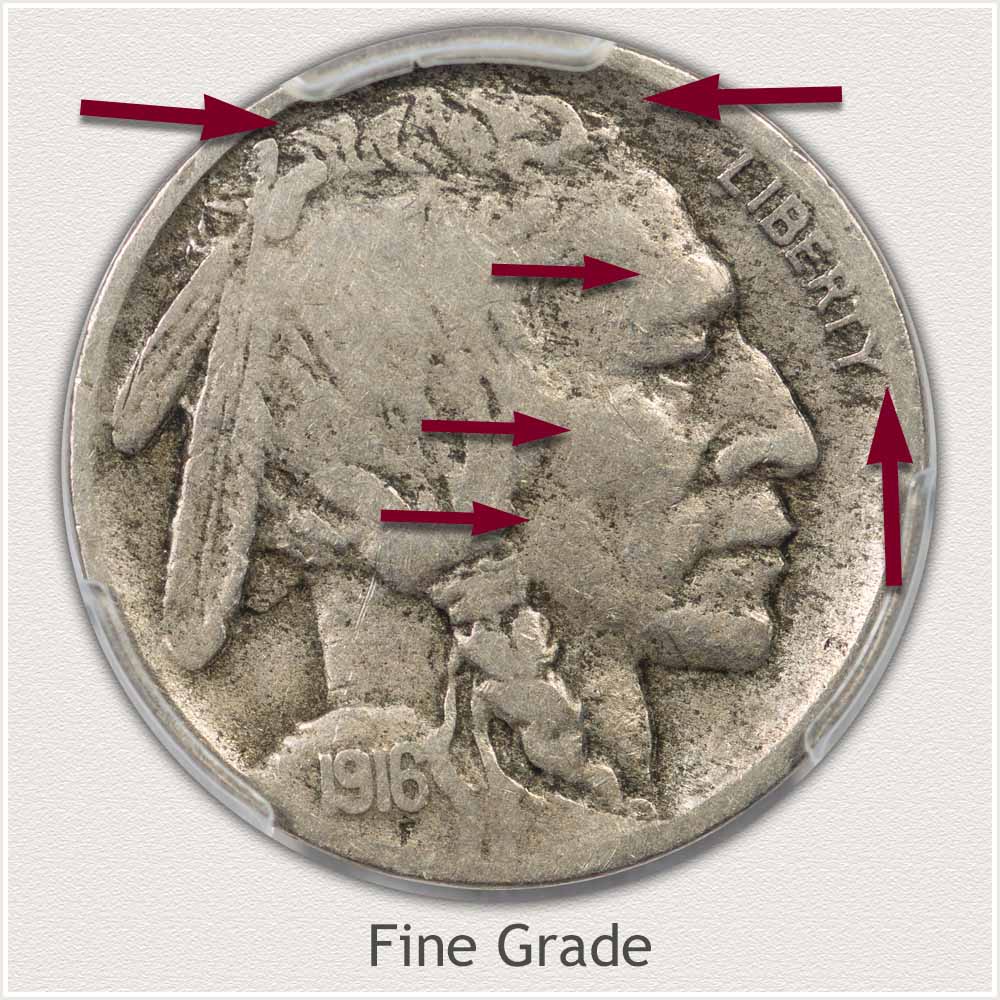 (fig. 9) Examine the Grading Features on a Fine Grade Buffalo Nickel
The Fine condition becomes an important grade to recognize on a 1918 Buffalo nickel. Many collectors favor this level of preservation when starting a collection. Defined as moderate wear overall, to place within the grade requires a few details remain visible. Comparing closely with the example, examine details of the Indian's face, hair, and motto.
With a focus on visible detail, hair above the part line shows many deep recesses separating flattened hair strands. This level of detail extends from the feathers at the back to the forehead. Importantly, no hair strands show large areas of merging.
Examine the raised contours of the eyebrow, cheek, and jaw near the hair. Each shows a smooth, flattened surface at the very top of their contours. Missing rounded contours are typical for the Fine grade. This metric requires none of the flattened areas connect. Note a low contour separates the eyebrow from the cheek. Also, a recognizable low contour remains between the cheek and jaw below.
The motto in front of the portrait shows a moderate wear level. Letters appear flattened and slightly faded towards their tops. Separation from the rim becomes subtle to recognize. Inspect closely to confirm most letters remain complete without merging with the rim. A slightly merged top of one or two letters meets grade levels. Complete top across all letters indicates a strong grade level.
Good Grade
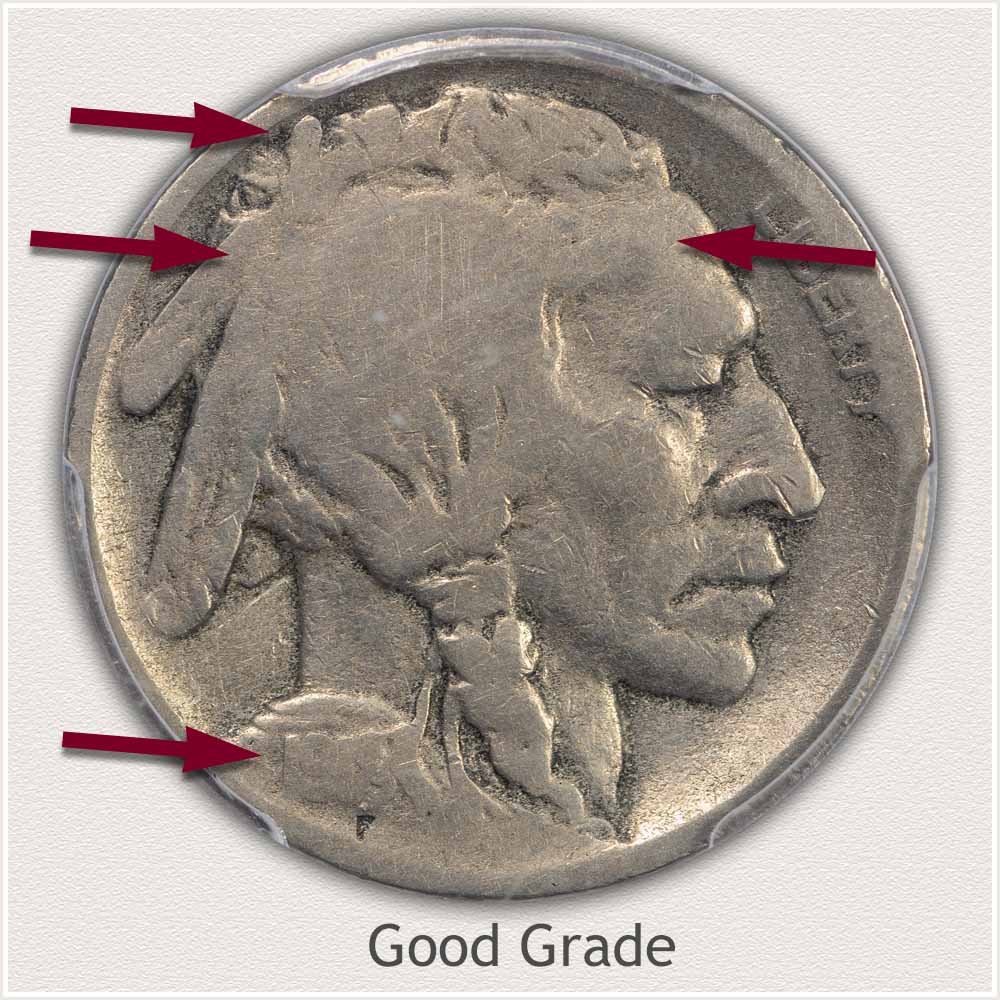 (fig. 10) Match the Condition of Highlighted Features to Determine the Good Grade
Matching your coin to the example Good grade nickel helps "see" the distinct condition of the grade. Overall heavy wear becomes the coin's first impression. However, condition of key features confirms the grade.
Many flattened and wide areas across the Indian's hair standout as lacking detail. Smooth metal extends from his forehead to feathers at the back. Importantly, a hairline remains separating the very top hair elements. Additionally, hair detail remains slightly visible across the very top area. A subtle amount of hair detail indicates the Good grade level.
Next, clarity of the date becomes an important visual feature confirming the grade. Note that partial outlines of numbers fade and disappear into the background. Semi clarity of numbers indicates the heavy wear category. In practice, when grading Buffalo nickels, a faded, partial date limits the condition to within Good grade range.
Grade your coin with a comparison approach using the professionally graded example (fig. 10). Close matching of remaining detail identifies the grade. With all major features of the portrait and its outline visible, this condition displays a positive appearance. Any Buffalo nickel from the teens is now highly popular and sought by collectors. The coin market awards these old nickels with nice premiums.
How to Video: Grading Buffalo Nickels
Add insight into the condition of your old Buffalo nickel. Confirm and establish a grade using comparison images to judge the coin's condition.
Grading Buffalo Nickels | Visual Grading Guides
Step 3: | Special Qualities: Confirm a Semi-Clear D Mintmark Buffalo Nickel
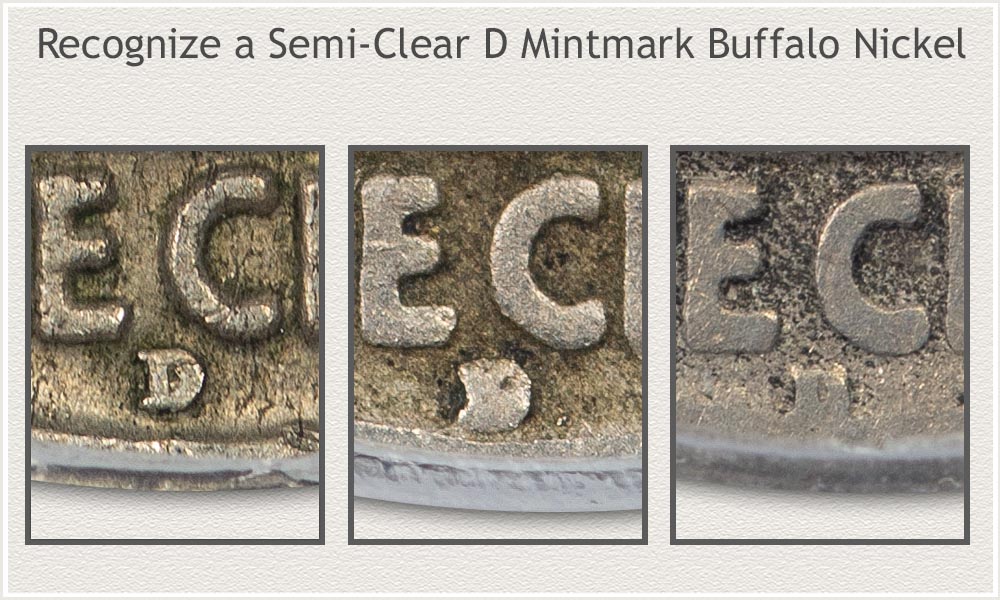 (fig. 11) Typical Wear Patterns D Mintmark Buffalo Nickel
Not only is the 1918 nickel a premium early year, the Denver variety has risen to lead in value. One challenge often encountered are semi-clear mintmarks. Wear removes to tops of designs leaving a lowered, less distinct outline of the mintmark.
Staring with the left image, note the wide flattened top of the "D." A decorative serif begins the top of the D and a serif ends the letter at the bottom. With a straight vertical left side and rounding of the right side, these combine as markers. Note, heavy wear often removes the center of the D leaving a filled appearance. Examine how the mintmark wears in the next two panels. The appearance of the D changes, leaving a faint vertical left side with serifs
A close match of left serifs with a straight side identifies a D mintmark Buffalo Nickel.
Using the gathered facts, of date, mintmark, and condition, find an accurate value range on the chart. Listed just below, find links to: The Complete Buffalo Nickel Series Values. Also, recording key information and storing these coins.
References
U.S. Mint. (1919) Annual Report of the Director of the Mint Fiscal Year 1919. United States Government Printing Office.
The Bureau of the Mint. (1928) Catalogue of Coins of the United States. United States Government Printing Office.
🔎What's next: Referenec the articles helping decide how to Value, Rare examples, and Record important details about your Buffalo nickels.
Coin Values | CoinStudy Articles
Date by Date
In Depth Buffalo Nickel Value
1913 to 1938
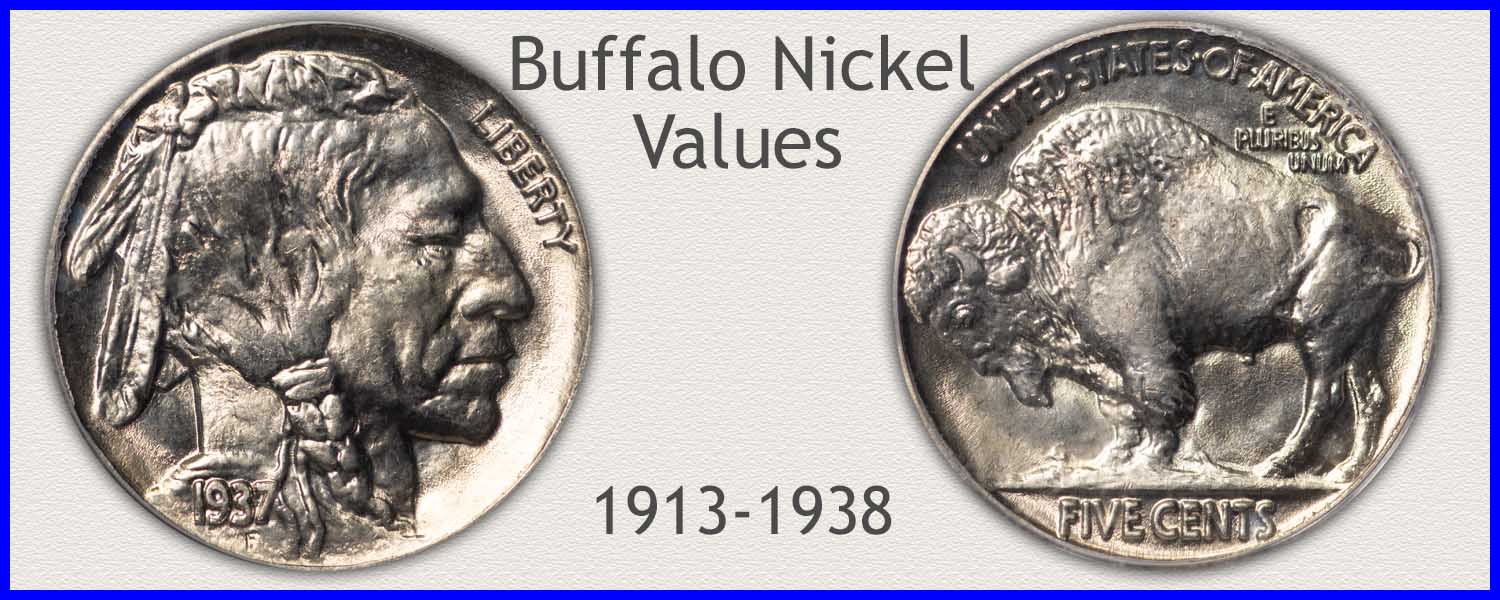
Buffalo Nickel Value | Chart Plus - Steps to Identify Each Coin
Review the complete value chart. Date and mints listed, each valued by different condition levels. Interest in Buffalo nickels by collectors and the market support premium worth. With a step-by-step process, recognize how much all Buffalo nickels are worth.
Rare nickels, for example, ones with double mint marks, occasionally "hide" in your box of old coins. Interestingly, some are still found in circulation today. The reason is most require a magnifying glass to discover. In this case the smallest of details makes for a valuable coin.
Print the Coin Values Worksheet
Print the Coin Values Worksheet to list your coins and record their values. Should you decide to sell... use a copy of the worksheet as a packing slip.
Safe Coin Storage | Recommendations
Recommendations on basic supplies that greatly improve coin storage. Providing for safe handling, preserving value, and organizing your box of old coins. Safely house and store old nickels and maintain their value into the future.
★Coin Values Discovery... finds 1918 nickel value and...
Coin values index. Identify Series, Dates, Mints, and Condition by following images to the different series, all valued individually. Follow the step-by-step method, comparing your coin to descriptions and images helping identify the important qualities to a narrow value range.