Coin Values Moving with Precious Metals: Up-Dated 11/23/2026: Gold $3623 | Silver $42.53
1930 Nickel Value
Narrow 1930 nickel value by following a step-by-step method. Often the first problem with these old Buffalo nickels is a semi-clear date. Use the magnified images pointing to key features to identify the faint "30" within the date. An accurate date plus identifying the mint that struck the coin and its condition are the facts needed to narrow its value range.
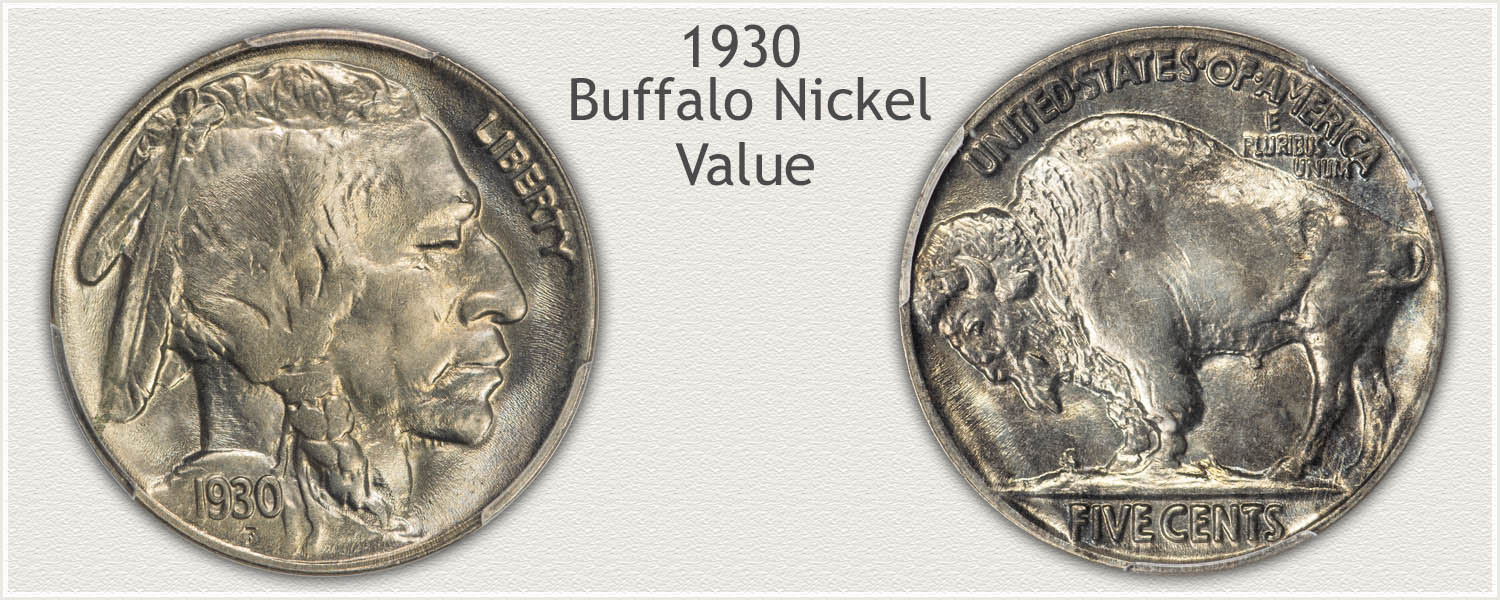 (fig. 1) Obverse and Reverse Views of a 1930 Buffalo Nickel
| 1930 Nickel Value | ||||
|---|---|---|---|---|
| Condition of Coin | ||||
| Date | Good | Fine | Extremely Fine |
Mint State |
| 1930 Nickel Value Updated | 2026 | |||
| 1930 | $1.08 | $1.63 | $8 | $23 |
| 1930 S | $1.50 | $3 | $11 | $86 |
Refer to the chart as a range of wholesale values. Subtle qualities influence values within each grade category. Additionally, eye appeal of the coin, along with collector demand, determines its final worth.
Steps Leading to Value:
- Step 1: Date and Mint Variety Identified: Verify the Date and next identify the mint issue.
- Step 2: Grading Condition: Next, narrow a value range. Judging condition using a comparison method with images helps establish its grade.
- Step 3: Special Qualities: How to Recognize Eye Appealing Buffalo Nickels
Step 1: | Identify the Date and Then Mint of Issue
Continuing the Buffalo series, the 1930 nickel became a somewhat uncommon coin to find today. First value assessment requires an accurate reading of the coin's date. Look on the Indian's shoulder along the lower rim. Either all digits of the date display clearly or some numbers appear faded. Using a single light source often helps give a clear view of the remains of a date.
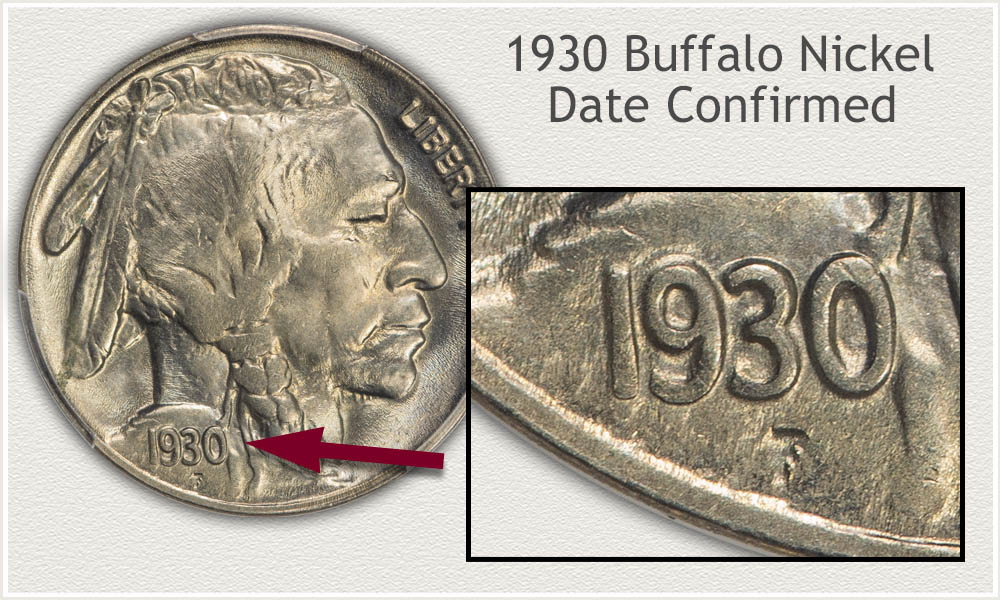 (fig. 2) Locate the Date and Confirm the 1930 Buffalo Nickel
Specific Features Identify a Partial Date Buffalo Nickel
Heavy wear across the surface is the typical condition most of these coins display. Unfortunately, a high positioned date suffers the first signs of missing detail. Numbers flattened, partially visible, and missing parts create a challenge for hobbyists. Helping recognize this date, examine a few markers highlighted in the image (fig. 3).
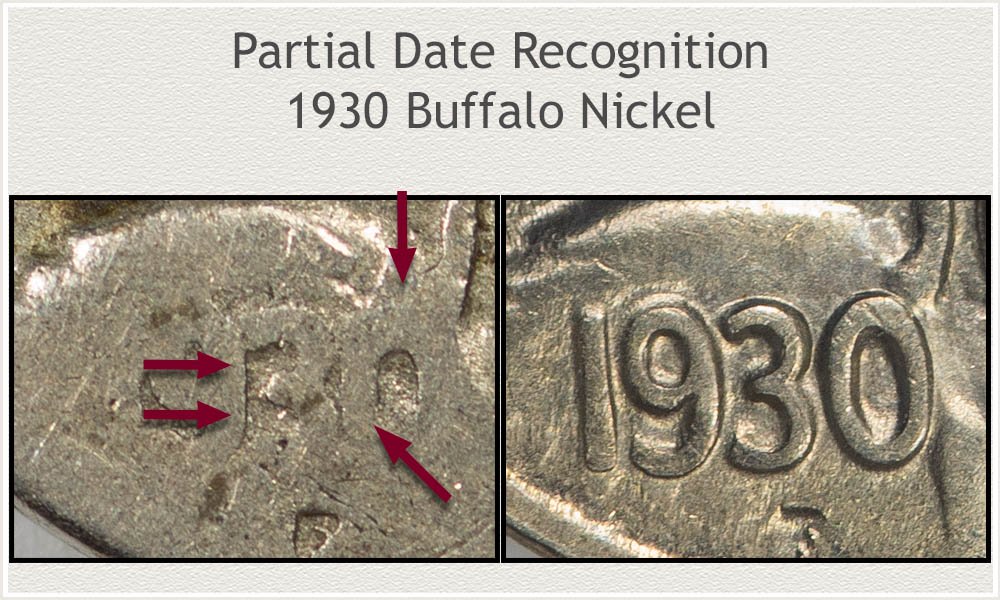 (fig. 3) Use the Specific Features Highlighted to Confirm a 1930 Buffalo Nickel
When inspected, the zero of the date has a wide rounded top. The example displays this feature faintly. Notably, the left side of the "0" is a continuous curved line, top to bottom. The center of the zero shows very well in the image.
Confirming the "3" are two loop features on the left and a double cured right side. Compare with the strongly visible date to help see the subtle features of the partial three. Use this combination of visible markers and record the 1930 date.
Identify the Philadelphia and Branch Mint Buffalo Nickel
Next element is the mint that produced the coin. Of the two mints striking nickels in 1930, the branch mint in San Francisco draws collector attention. These branch mint issues are known for their low mintage numbers.
Mintmarks, or the lack of a mintmark, identify the different mints. On the reverse, below the "E" and "C," inspect for a small letter "S" indicating San Francisco coins. Finding the area empty identifies a nickel struck by the Philadelphia mint. Collections and value charts organize all coins by date and mint of issue. A complete description includes these significant factors.
The Premium "S" Mintmark Nickel
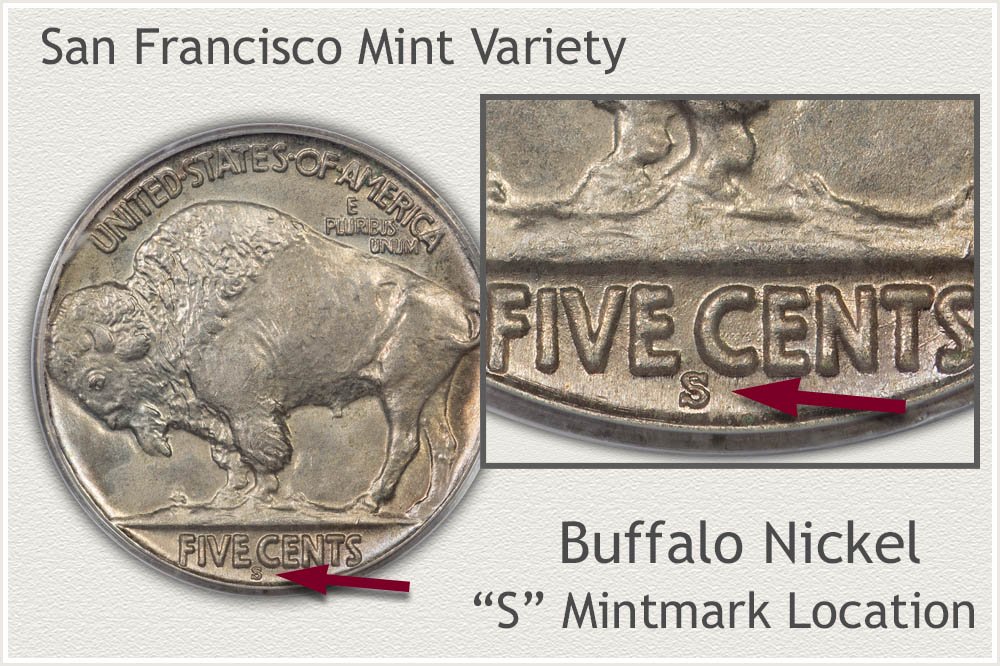 (fig. 4) S Mintmark and Location on Reverse of a Buffalo Nickel
The San Francisco mint, known for its low mintage of Buffalo coinage, struck a series average number of nickels in 1930. Recording 5,435,000 minted, this ranks seventeenth of all date and mint varieties. Although not a rare coin, popularity of the San Francisco variety among collectors supports strong values.
At this stage of your evaluation, confirm and record an accurate date and the S mintmark variety. This leads to the condition factor, Step 2, and a narrow range on the above chart.
"No" Mintmark Nickel
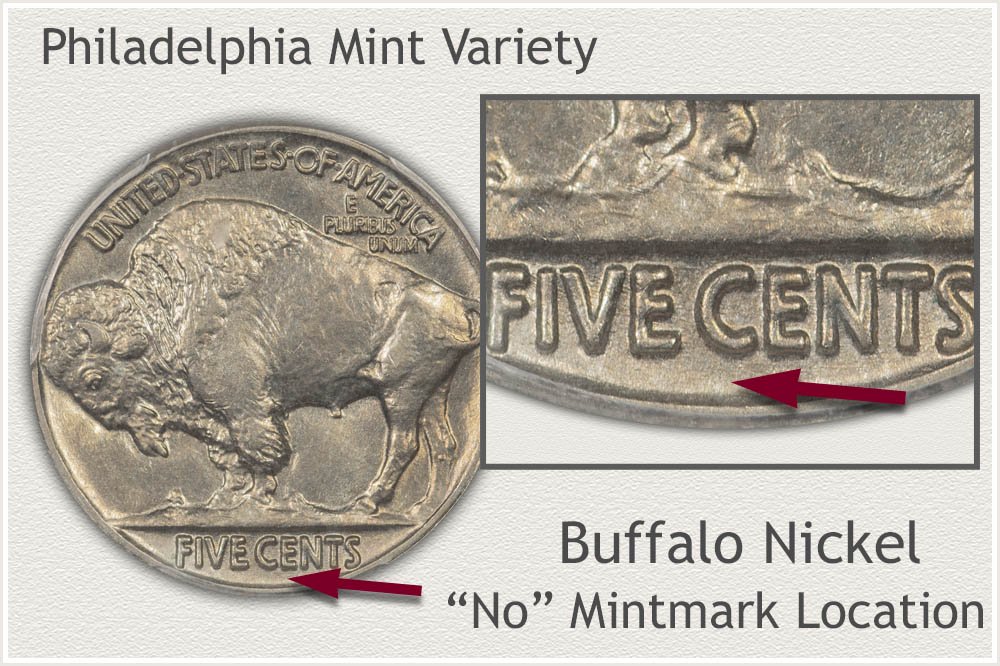 (fig. 5) Philadelphia Mint's No Mintmark Location on the Reverse of a Buffalo Nickel
Production of nickels started slow for the first year of the 1930's decade. Normally striking large quantities, Philadelphia produced only 22.8 million nickels in 1930. Interestingly, this lack of initial coinage does not reflect as high premiums on the value chart. Quantities available today are the result of numbers saved and set aside at the time.
Consider any Philadelphia 1930 nickel as an important collectible. This year ranks as the second lowest yearly total the mint produced for the entire series.
Continue with Step 2, grading condition. The coin's grade, along with its date and mint variety, forms a needed detailed description.
Step 2: | Compare Condition to Images and Determine Grade
Condition of your 1930 nickel now becomes an important value factor. On a rarity scale, those in worn, average condition rate as available. Any Buffalo nickel with ample detail within the hair and braid is an above average coin and rates as difficult to find.
This step in the value process compares your coin to imaged examples of nickels in different stages of wear. A close match begins the confirmation of condition. Use the descriptions and further judge key features needed to determine the coin's grade. This "grade" defines the coin's condition within the market and becomes part of an accurate description. Note the grades listed on the chart narrow how much the coin is worth.
Mint State Grade
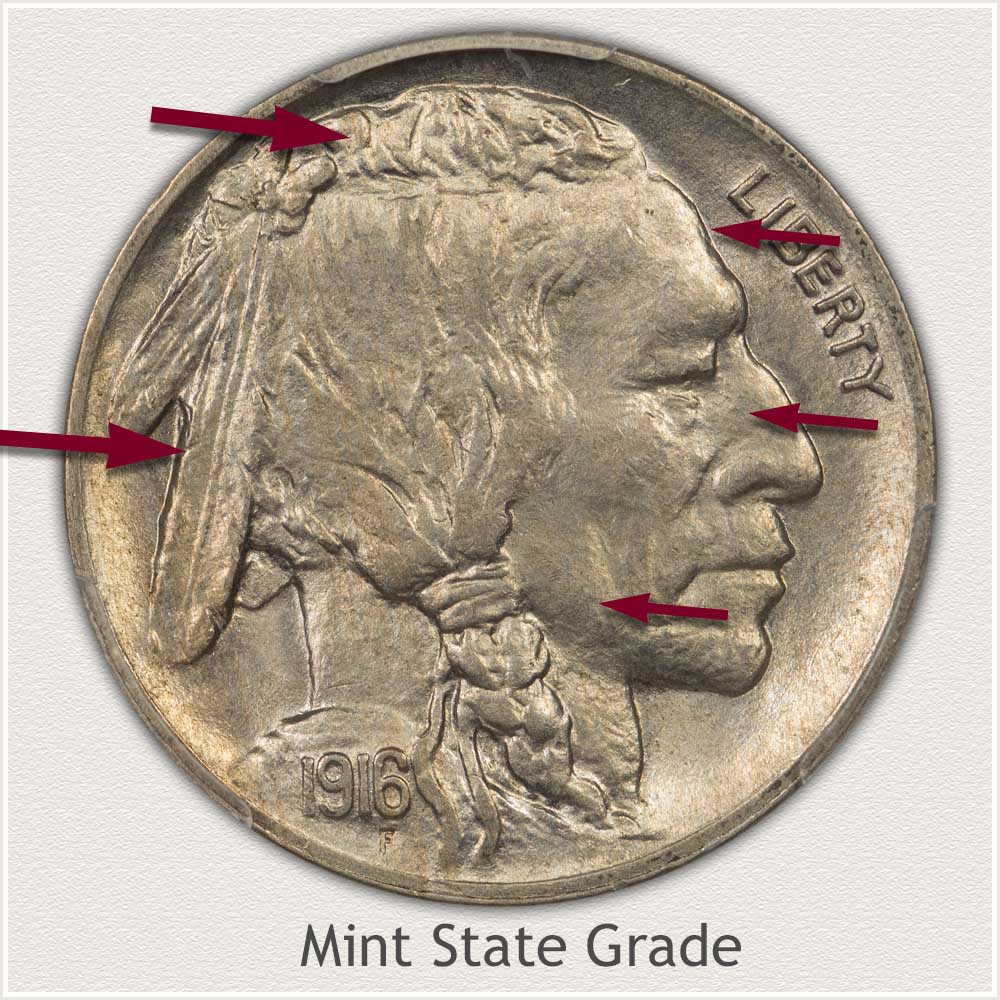 (fig. 6) Using the Highlighted Areas Identifies the Mint State Grade Buffalo Nickel
All Buffalo nickels, when minted, feature a lustrous surface. A fine grain texture on the metal reflects light with a brilliant shine. Wear removing this original surface reduces the shine, creating a dull surface. Recognizing the difference between original metal and metal with wear "grades" the coin. Focus on the highlighted areas in the illustration. These high points receive and display wear first and are used to judge condition.
Following the "no wear" requirement defining the Mint State grade, begin an inspection at the top of the Indian's head. Above the part line, waves and strands of hair reflect light with luster across their high points. Any wear removing this original texture would show as dull, smooth spots. This highly detailed area contains high points with lower recesses between. Note on the example, a similar shine within the recesses matching the brilliance on top contours of hair. The grading technique matches high and low areas, deciding on a Mint State surface.
Using a second grading area, examine both high and low points of the feathers. Textured metal remains along the feather edges (fig; 6). This high relief edge detail matches the texture and shine within lower contours of the feathers. The subtle shine along the central shaft helps confirm the "no wear" requirement.
As a final inspection, note the soft color change between areas of the Indian's face. High areas and low contours don't exactly match. This difference illustrates the reflective qualities of a Mint State surface. Light reflects less brilliance in some areas because of the angle to light. Hold the coin under a single light and slowly tilt the surface. On a Mint State coin, luster matches high and low areas as the light moves across these different surface angles. A single light reflecting a similar quality of luster overall indicates a Mint State quality surface.
Extremely Fine Grade
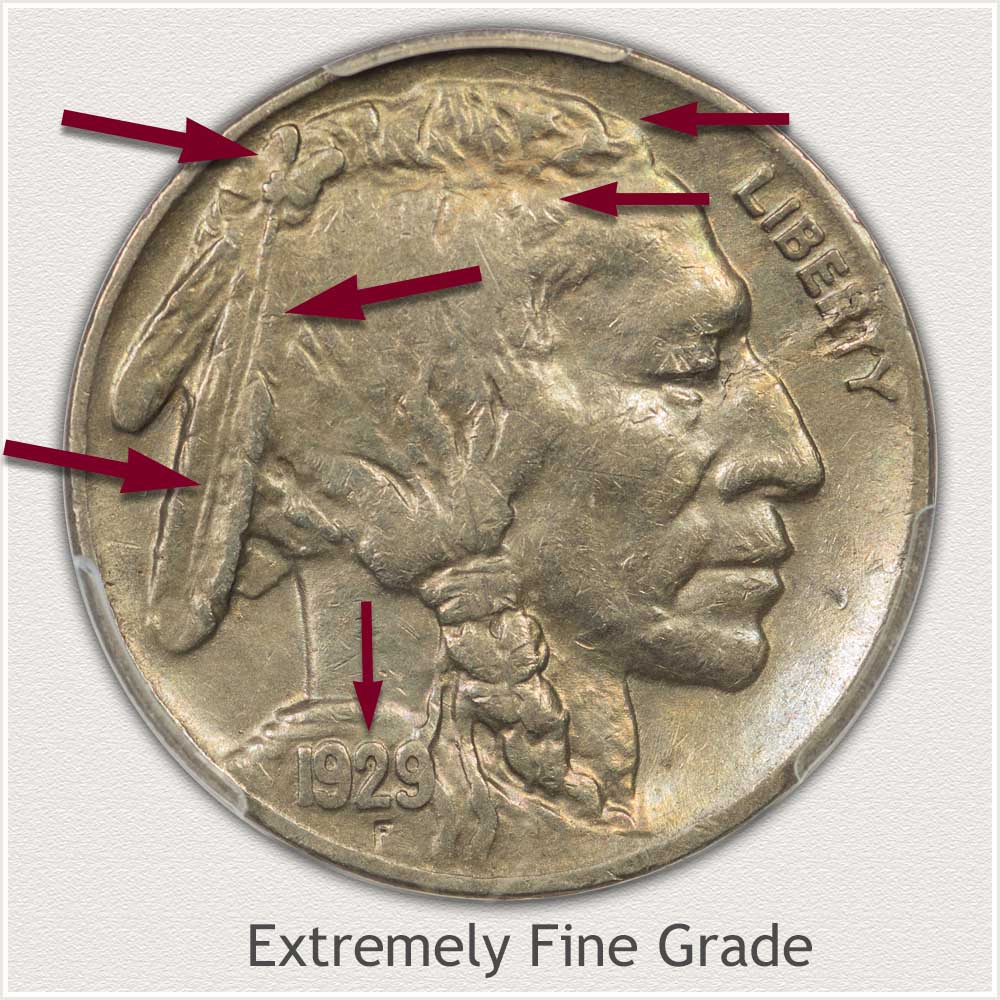 (fig. 7) Identify the Extremely Fine Grade Buffalo Using Specific Highlighted Features
Visual appeal of the Extremely Fine condition begins to stand out. Defining the grade, only light wear smooths and reduces metal on the high points of the design. As a grading method, concentrate on the many visible details within defined areas. Remaining hair details, small feather design elements, and boldness of the date become focal points.
Located at the top of the Indian's head, small hair strands remain separated by complete, deep recesses. Only the highest contours of strands show any signs of flatness. Just below the part line, hair strands appear bold and then begin to fade. This smoothness increases as you scan toward the central area. This is the typical wear pattern at the Extremely Fine grade condition. Recognizing the subtle details within the hair identifies the grade.
Identifying small details continues with the two feathers at the back of his head. Begin at the top, and notice the small bow tying the feathers. Along the large feather, both outer edges remain raised, complete, and separate from the hair and smaller feather. Within both feathers, a strong central shaft shows slightly flattened metal. With only light wear, most of the central shaft appears bold and in areas well rounded along its top contour.
Next, examine the date for its clarity, boldness, and its raised height above the shoulder below. Visually, slightly worn metal flattens the tops of the numbers. This minimal wear leaves the numbers with complete outlines, adding to the clarity and boldness factors of eye appeal. Height of the numbers above the shoulder becomes a subtle factor. Recognize this feature by the slight roundness of number outlines at their edges. This small detail helps confirm the light wear definition of the grade.
Fine Grade
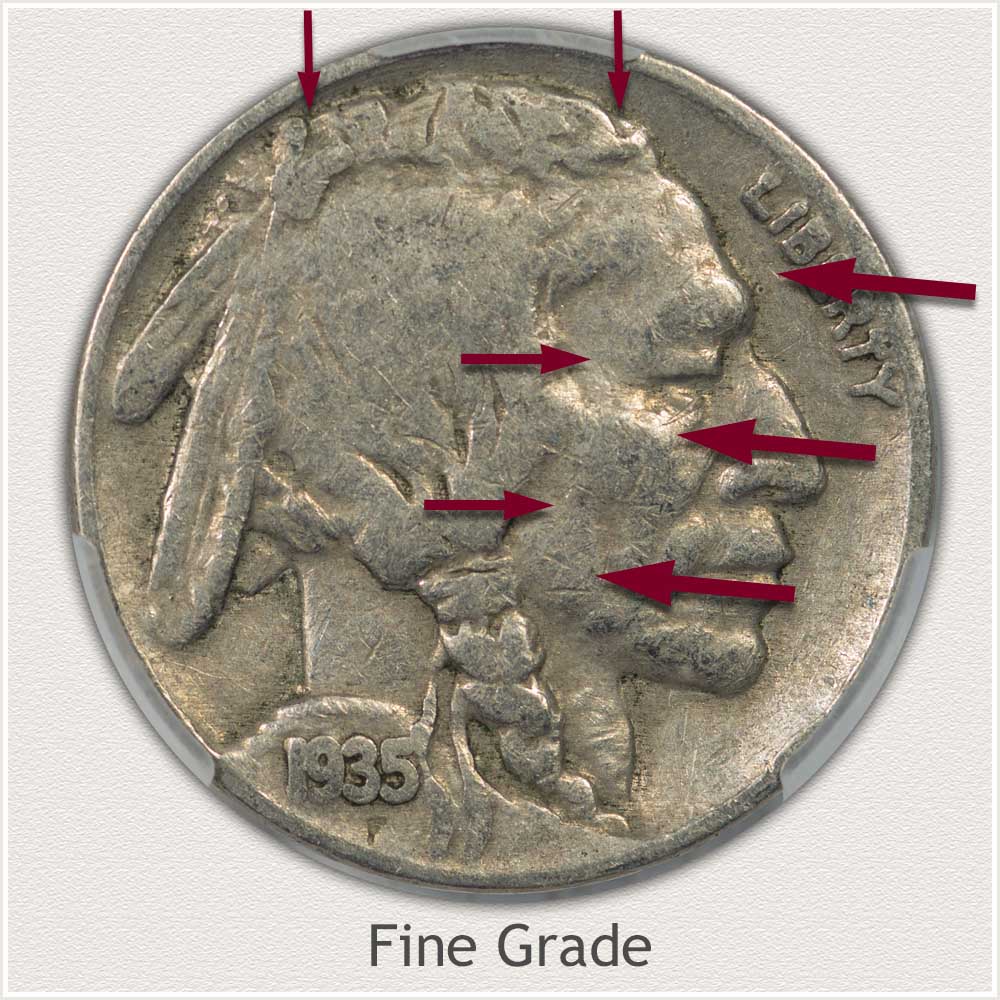 (fig. 8) Match the Highlighted Features Identifying a Fine Grade Buffalo Nickel
A 1930 nickel in Fine grade condition, defined as moderate wear overall, enters the above average grade range. With a focus on visible detail, these coins appear bold in their appearance. Strong facial features plus hair and feather detail sets this condition in a higher quality category.
The grading process determines the quality of remaining features. Starting with the Indian's face, each high-profile area shows only minor flattening. Above the eye, the brow has a small flat top on its contour. Note this brow flatness does not connect with the flat area smoothing the cheek's contour. Next, both the cheek and jaw below show only minor flattened areas. Importantly, the cheek and jaw do not connect with a flat surface. A low relief area separates the brow, cheek, and jaw. This separation of each feature provides the visual requirement meeting the Fine grade level.
Applying the same standard of flat areas not connecting, inspect the hair above the part line. A strong recess defines the part. Above the part, deep recesses define hair strands. A moderate amount of smooth metal causes flatness on hair strands. This is typical for the condition. Wide spread flat areas indicate a lower condition range. As displayed by the example, easily visible and separate hair strands help judge the Fine grade Buffalo nickel.
Good Grade
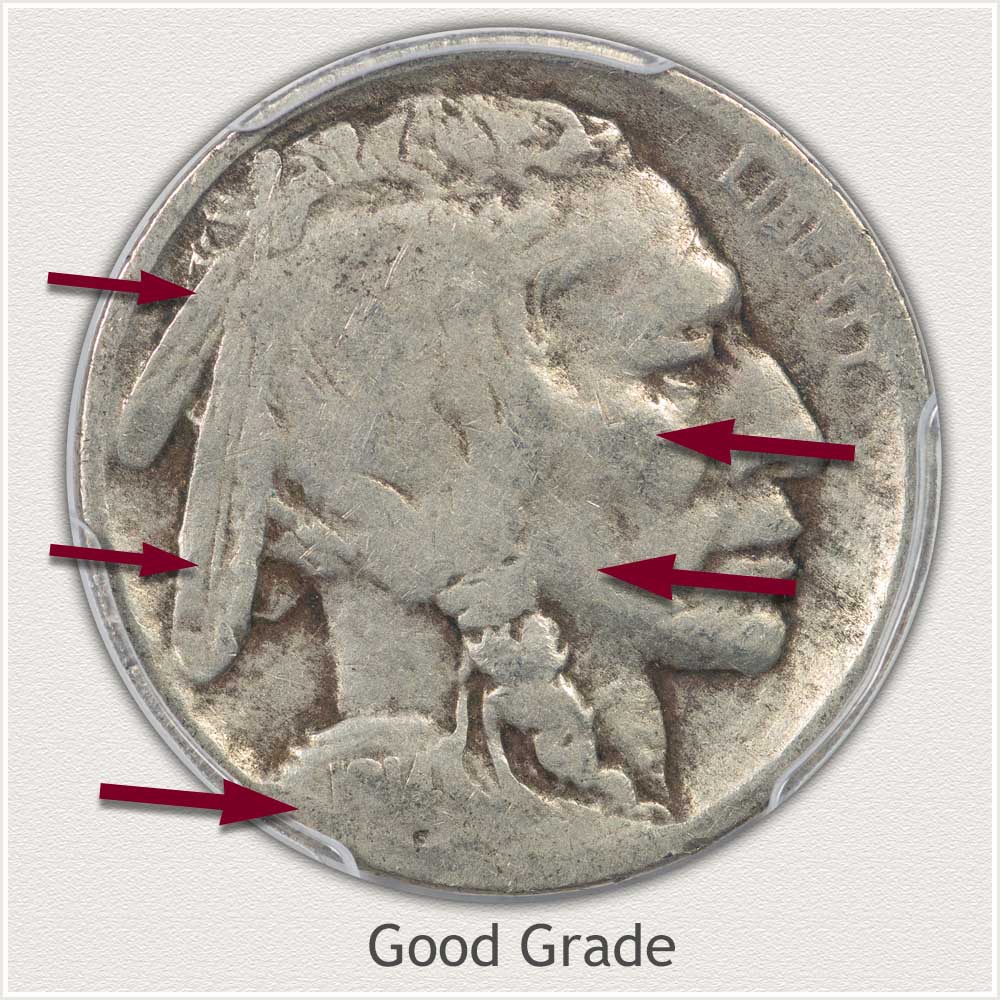 (fig. 9) Reference the Highlighted Grading Features of a Good Grade Buffalo Nickel
Once the majority of the con's surface appears flat, this defines a Good grade Buffalo Nickel. To confirm the grade, a required amount of detail must remain among the worn areas.
Visual quality of the date is the first area to examine and compare with the grading image. In Good condition, at least a partial date remains. Some fading of the number's outline merges with the background. A faded appearance of the date indicates the grade.
Examine the amount of feather detail next. Displayed in the grading image, stronger detail shows within the feathers towards the ends. Near the hair, only faint feather detail remains. The example illustrates this fading to clear detail along the feather's length. Clear central detail within the lower half meets the grade.
Strong facial contours confirm the grade. Examine and verify a raised cheek contour, and raised jaw line. Note in the image how the high points of each are flattened across their tops. However, the flattened areas of these major features do not connect. Flattened high points remain separated. Confirming this detail on your coin places it within grade range.
How to Video: Grading Buffalo Nickels
Review the additional images and descriptions to confirm a narrow grade range. Subtle details of the date, hair, and lettering often indicate above average quality.
Grading Buffalo Nickels | Visual Grading Guides
Step 3: | Special Qualities: Eye Appeal and the Elusive Mark Free Surface
Eye appeal and condition of the subject coin greatly influence its final value. Firstly, date and mintmark establish factual data necessary for value chart listings. Next, grading condition follows both a technical and subjective approach. Technical requirements, clear full dates, and complete outlines of lettering are examples. This helps technically decide between grades. On the subjective side of a grading exam is an impression of the coin's eye appeal.
A coin's overall surface quality influences a collector's personal appreciation of a coin. Importantly, a positive or negative eye appeal applies to all grades and conditions. Judging severity of any nicks or marks on the surface quickly determines if a coin is above average quality.
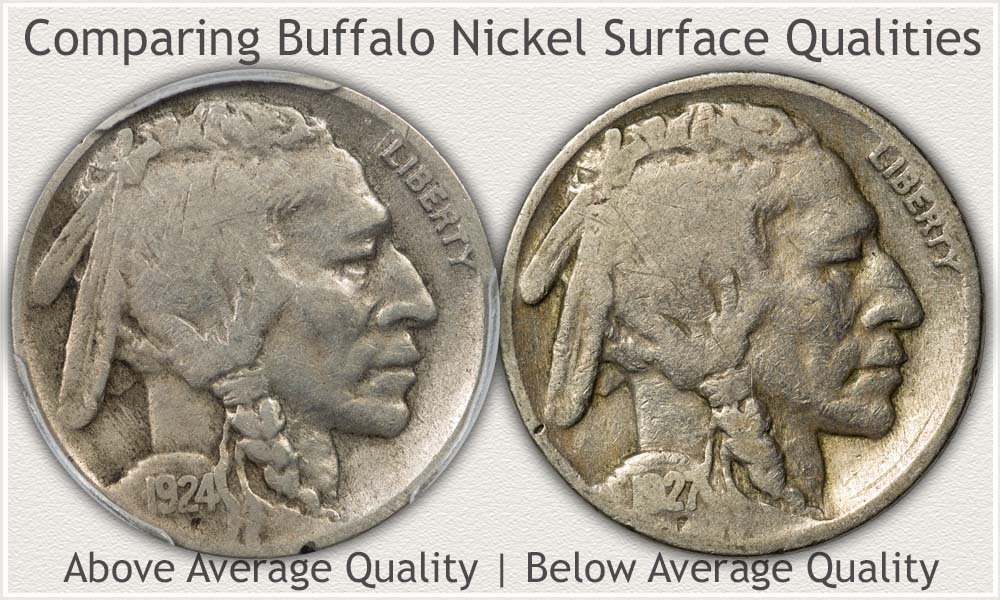 (fig. 10) Comparing the Surface Qualities of Buffalo Nickels
The above image compares circulated nickels of different qualities. On the left, the result of circulating through commerce, this coin displays a few light nicks scattered overall. The coin on the right shows both the typical minor nicks and also deeper marks. Marks, the deep indentations, quickly lower the surface quality.
Examine the Indian's portrait, Buffalo, and rim, giving a good overall impression of surface quality.
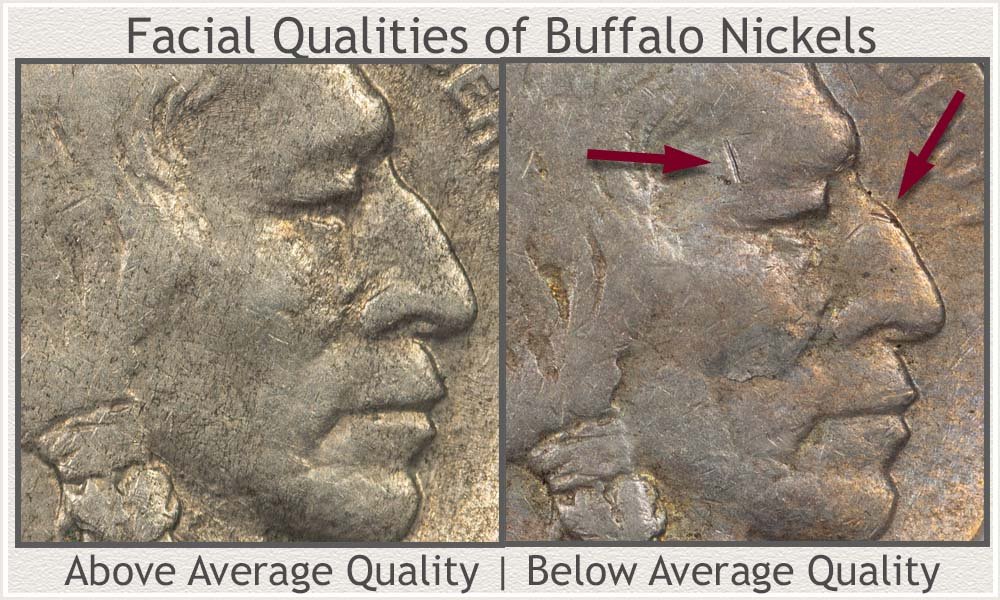 (fig. 11) Comparing Facial Features of Different Quality Buffalo Nickels
Note a pleasing appearance of the Indian's portrait on the left side coin. However, the eye is drawn to heavy marks displayed on the right-side example.
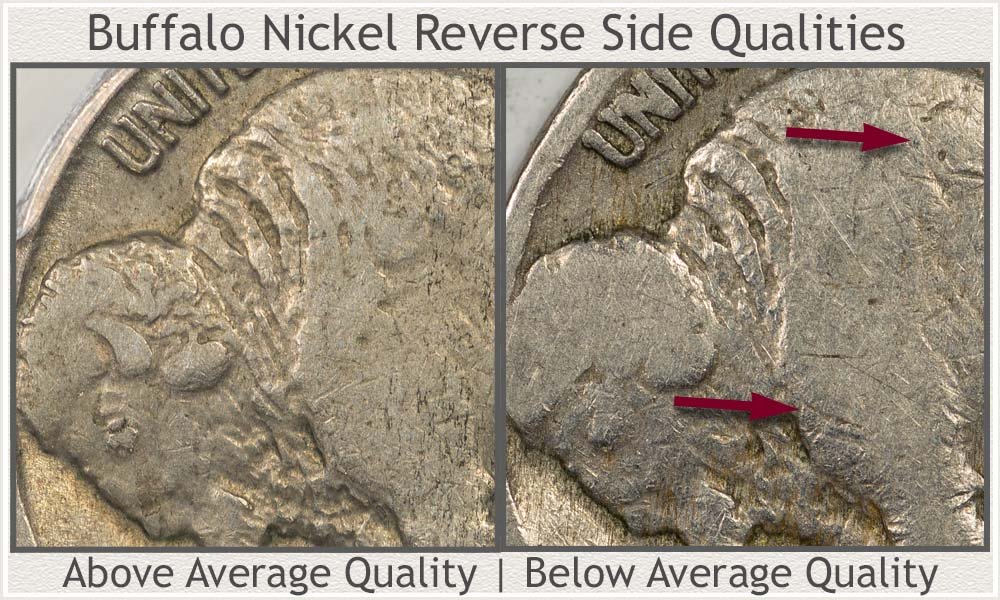 (fig. 12) Comparing Qualities of the Reverse Side Buffalo Nickel
Examine another key focal point, the Buffalo. An important grading area, the left coin shows a few minor nicks on the Buffalo's head. Once an impression becomes deep and extended, it becomes a distraction. Comparing the two images, the left coin rates a positive eye appeal.
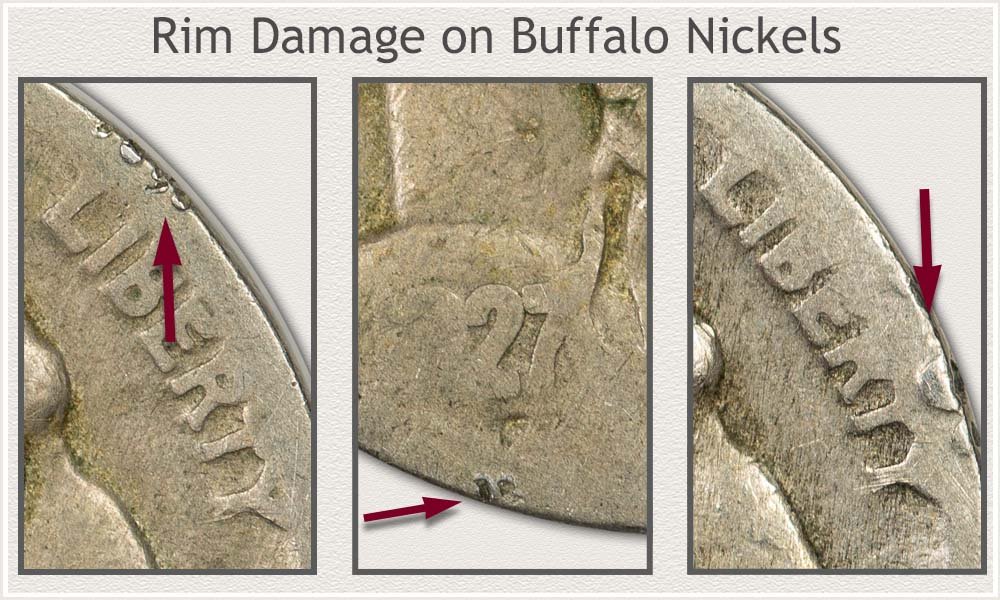 (fig. 13) Recognize the Extent of Possible Rim Damage on a Buffalo Nickel
Always inspect the rim of the coin, both the obverse and reverse sides. Scattered light impressions leaving small nicks are typical. Note the left example (fig. 13), small marks on the rim near the lettering LIBERTY. Although the marks are small in size, LIBERTY is a grading focal point. Any distractions within focal areas have a tendency to distract from quality.
The center panel also highlights a rim mark within a focal point. This mark lowers the overall quality. The larger rim mark, seen in the right panel, moves a large amount of metal. The mark is considered damage, with a steep lowering of eye appeal.
Adding to the grading process, judge the amount and severity of light surface nicks and the deeper marks. A positive appearance of the Indian, Buffalo, and along the rim points to an above average quality nickel.
Completing the examination of the coin decides its listing on the value chart. The following articles apply to all dates of the Buffalo nickel series.
References
U.S. Mint. (1931) Annual Report of the Director of the Mint Fiscal Year 1931. United States Government Printing Office.
The Bureau of the Mint. (1928) Catalogue of Coins of the United States. United States Government Printing Office.
🔎What's next: Review the articles helping decide how to Keep, Store, or Sell these Buffalo nickels.
Coin Values | CoinStudy Articles
Date by Date
In Depth Buffalo Nickel Value
1913 to 1938
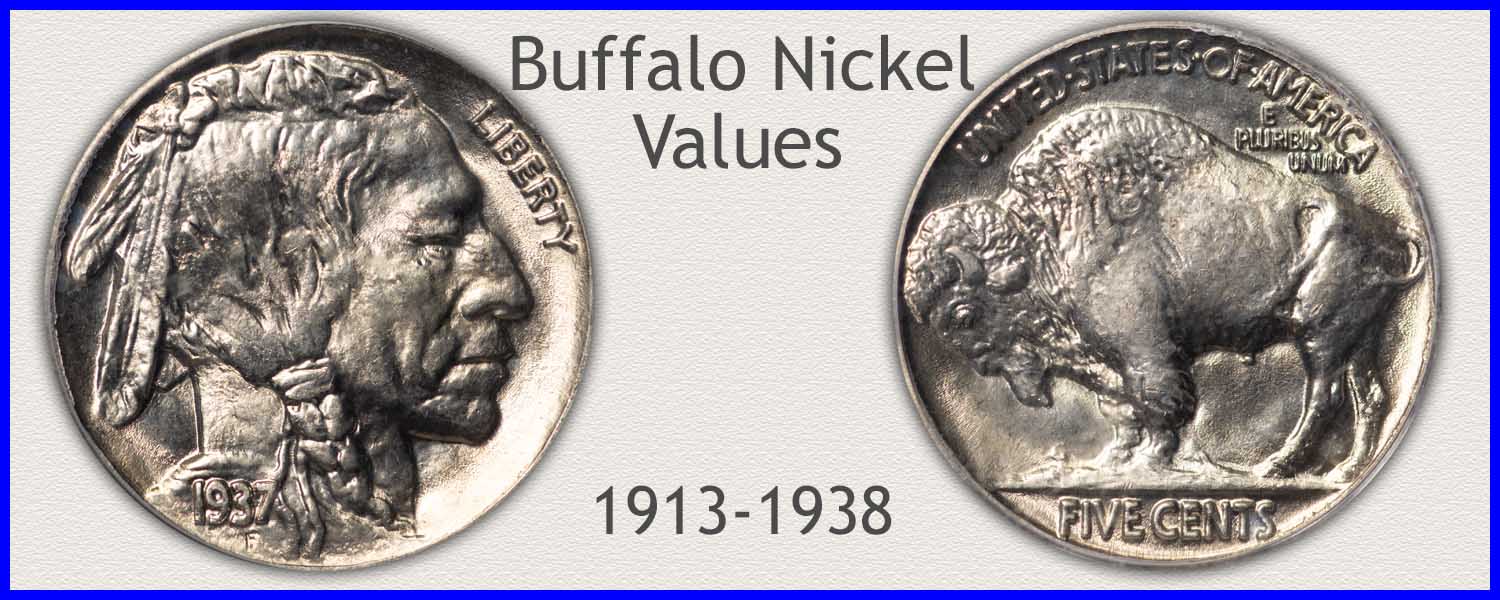
Buffalo Nickel Value | Listing the Series Date and Mint Combinations
Buffalo nickels: A popular coin series rising in value. Interestingly, worn coins without dates are worth a premium. Today, collectors closely examine Buffalo nickels. They search for special dates and quality condition pieces. Review the full value chart listing the date and mint combinations of the Buffalo nickel series. The step-by-step method gives insight into values.
Print the Coin Values Worksheet
Printable sheet to list and inventory your coins. List your entire collection of coins keeping an organized listing.
Safe Coin Storage | Recommendations
Recommendations on basic supplies that greatly improve coin storage. Providing for safe handling, preserving value, and organizing your box of old coins. Safely house and store old nickels and maintain their value into the future.
Selling Coins | How to Get the Best Value
Organize and develop a plan to help realize a fair price when selling coins. Use defined steps to understand the value of your coins. Secondly, match them to the right buyer.
Rare nickels, for example, ones with double mint marks, occasionally "hide" in your box of old coins. Interestingly, some are still found in circulation today. The reason is most require a magnifying glass to discover. In this case the smallest of details makes for a valuable coin.
★Coin Values Discovery... finds 1930 nickel value and...
It links to all coin series, from Cents to Gold. Value charts, images to judge the condition of coins, and a step-by-step guide to getting the best deal if selling coins.