Coin Values Moving with Precious Metals: Up-Dated 10/26/2026: Gold $4013 | Silver $54.05
1936 Nickel Value
It is the condition and how well the coin is preserved that determine 1936 nickel value. Use the comparison images in the grading section to recognize a match with your coin. This 1936 Buffalo nickel remains an available coin today. However, those in upper quality condition attract premiums. Accurate reading of the value chart starts with verifying both the coin's date and mint of issue. Start with these in a step-by-step process. Continue with the grading examination to find its accurate place on the chart.
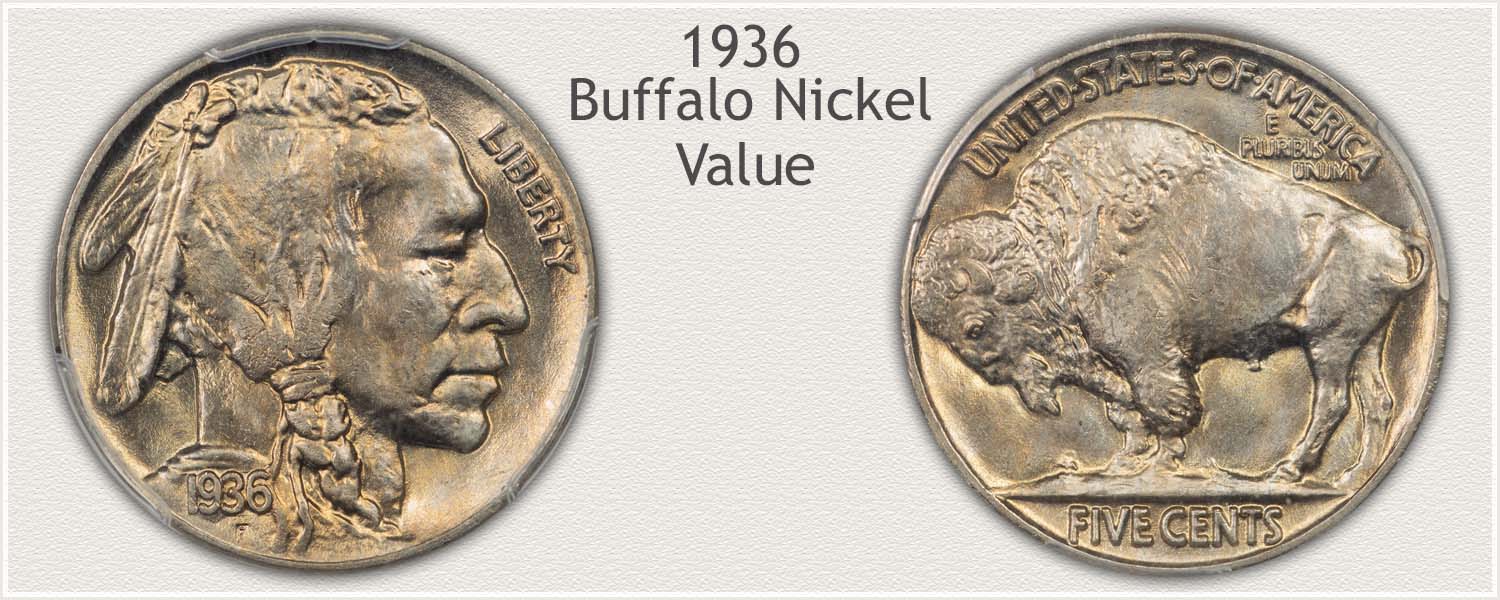 (fig. 1) Identify the 1936 Buffalo Nickel
| 1936 Nickel Value | ||||
|---|---|---|---|---|
| Condition of Coin | ||||
| Date | Good | Fine | Extremely Fine |
Mint State |
| 1936 Nickel Value Updated | 2026 | |||
| 1936 | $1.27 | $2.11 | $3 | $20 |
| 1936 D | $1.30 | $2 | $6 | $29 |
| 1936 S | $1.16 | $2 | $4 | $27 |
Above are averaged wholesale values, an excellent starting point range. Use as a guide and range when determining how much your coin is worth.
Steps Leading to Value:
- Step 1: Date and Mint Variety Identified: Record the date and identify the mint of issue, starting the value process.
- Step 2: Grading Condition: Recognize stages of quality when compared to images of the different "grades." Narrow a value range on the chart.
- Step 3: Special Qualities: Why a con's natural surface is important to its value.
Step 1: | Date and Mintmark Combinations | Three to Recognize
Accuracy of a coin's definition becomes the first consideration when placing a value. All charts list premiums by date first, mint of issue next, followed by quality of condition. Inspecting the area at the lower shoulder of the Indian's portrait finds the date. Record the date as a needed fact about the coin.
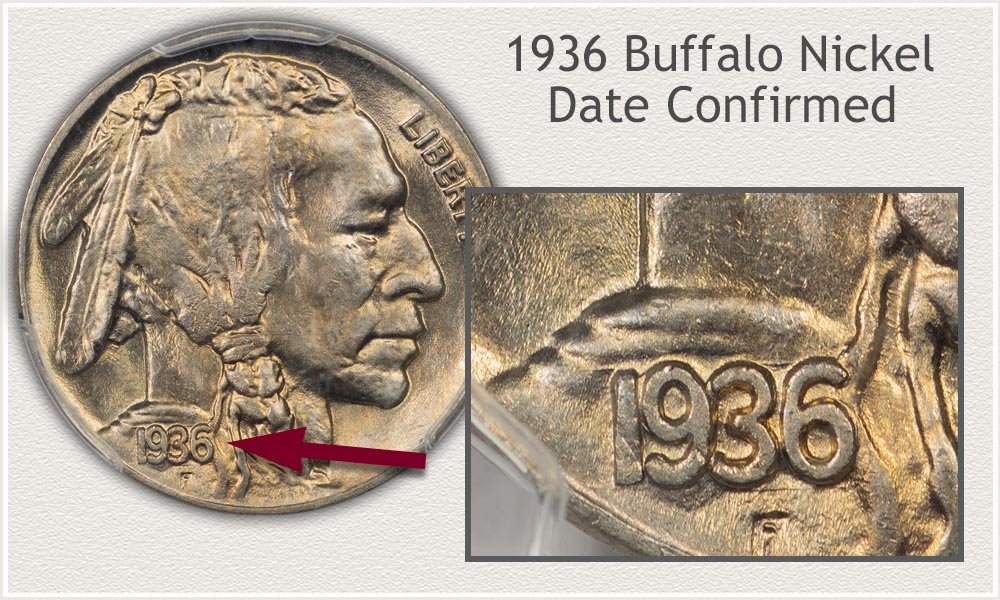 (fig. 2) Confirm the 1936 Date Buffalo Nickel
Key Features Identify a Partial Date 1936 Buffalo Nickel
Use a viewing technique and specific markers to correctly identify an accurate date on these worn nickels. Often a problem, the first digits of the date receive excessive wear and appear missing. However, all Buffalo nickels were minted in the 1900s. Recognizing the last digits satisfies dating the coin correctly. A faded 1936 date shows specific markers illustrated below.
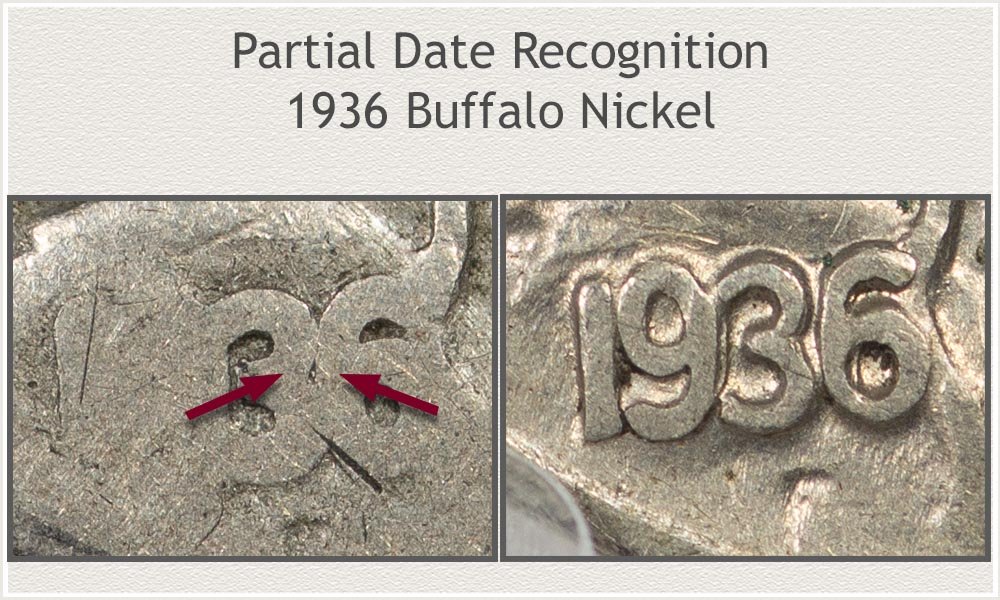 (fig. 3) Use the Markers to Identify a Partial Date 1936 Buffalo Nickel
A typical confusion of the 1936 date is with a "38." Both dates display wide curved tops and bottoms. This similarity requires a close inspection to tell them apart.
Using a single light source casting strong shadows across the numbers, inspect the left side edge of the last digit. Note in the image, a slight but complete curve between the numbers represents the left side of the "6." Next to the six, the right-side curve of the "3" breaks inward and then outward, displayed as a small triangle. If the adjacent number were an "8," a diamond shape appears between numbers. A small and subtle detail now becomes the key marker defining a 1936 Buffalo nickel.
In the next stage of valuation, confirm the mint of issue.
Date and Mintmark Combinations of 1936 Buffalo Nickels
An important detail of a coin's description requires locating and recording the mint of issue. Three minting facilities struck 1936 nickels. Each mint was required to identify its production. This gives collectors today three varieties of the year's coinage. All of these varieties form a necessary part of a complete collection.
The Philadelphia, San Francisco, and Denver mints all contributed, producing these vintage nickels. Mintmarks now become the deciding element. Small letters, an "S" for San Francisco, and a "D" identify Denver's coinage. Including the marks within the design, the San Francisco and Denver mints place their identifying letter along the lower rim. As the main mint, Philadelphia did not use a mintmark during the Buffalo series. A blank space under FIVE CENTS indicates Philadelphia struck the nickel.
"S" Mintmark Buffalo Nickel
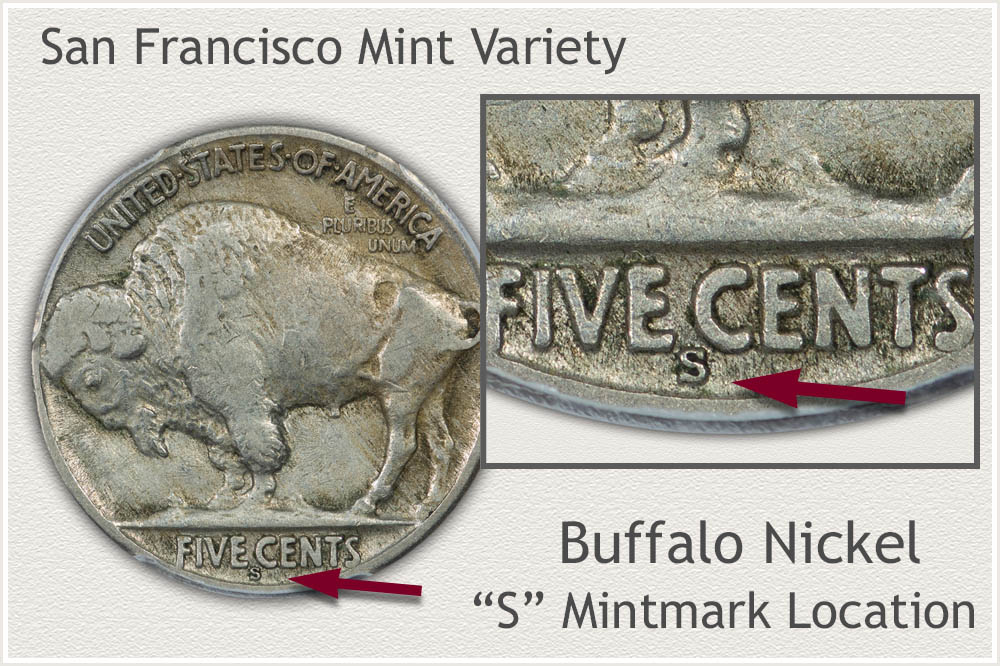 (fig. 4) Mintmark Location Highlighted on the Reverse of a Buffalo Nickel
The San Francisco mint starts the record year of 1936 branch mint production of nickels. Sticking 14,930,000 Buffalo nickels. This number of coins went on to become the mint's highest yearly total within the series.
Considered available on the rarity scale, it is now a favorite with new collectors. A coin from the 1930s decade and a popular mint issue, many collectors seek quality examples. Confirm the "S" mintmark on the reverse. Identifying the date and mint finds a nice collectible old nickel.
"D" Mintmark Nickel
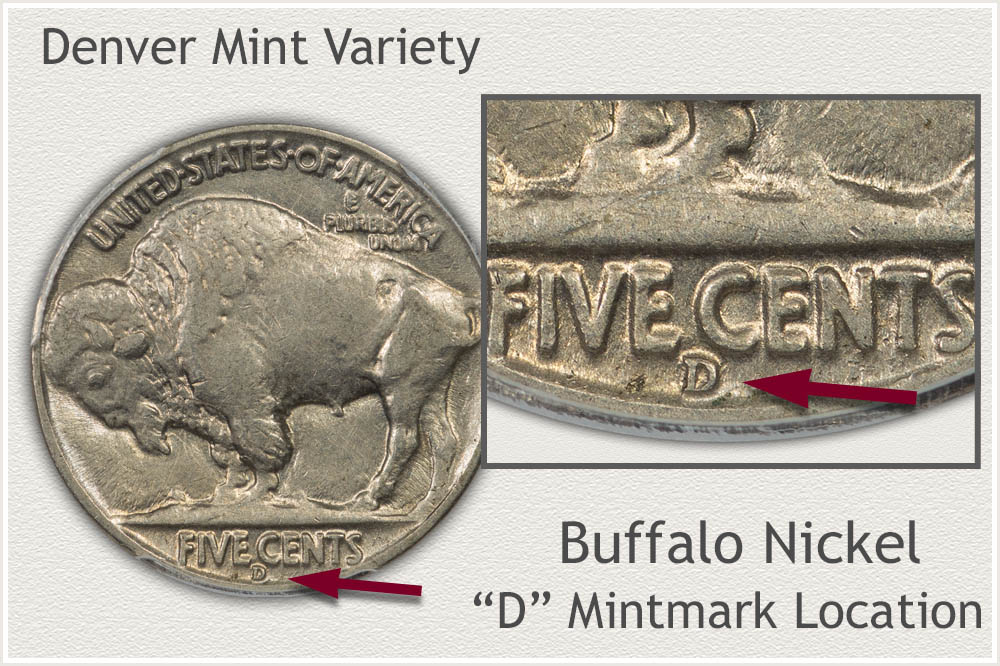 (fig. 5) D Mintmark Location on Buffalo Nickel
A 1936 Denver mint nickel represents a common issue of the series. This year, Denver struck its largest amount of Buffalo nickels, 24,826,000 placed into circulation. A coin found often, it is available and affordable in all states of preservation.
Many collections start with this issue. The opportunity of adding a nice quality nickel into a set becomes a strong attraction of the coin. With its high mintage ranking plus the popularity of the series the coin enjoys the attention of the coin market.
Record the date and mint and next determine its overall condition. These three features define the coin.
"No" Mintmark 1936 Nickel
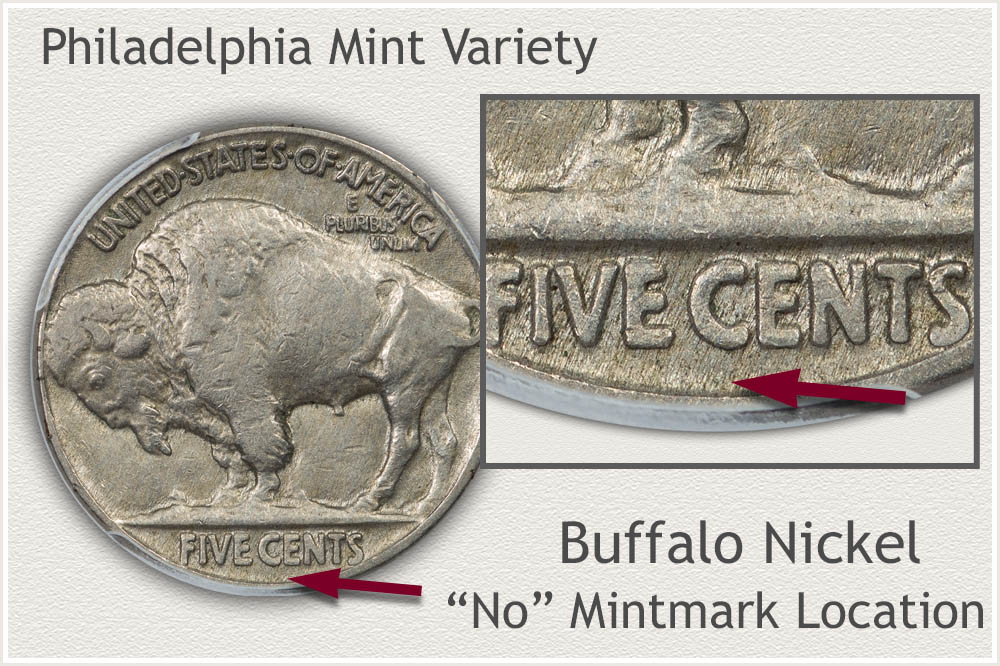 (fig. 6) Inspect the Highlighted Area Identifying the No Mintmark Buffalo Nickel
1936 became a special year in Philadelphia mint production. It struck 119 million Buffalo nickels. With this enormous quantity of coins made for the year, they are now a common issue encountered. Their values reflect this common rating.
However, many collectors can obtain an example of this bold nickel design at affordable premiums. Many beginners start collections with this coin. As a result, demand remains steady for nice, eye pleasing examples. An evaluation of condition identifies and separates these higher quality examples.
All Buffalo nickels are now an important part of U.S. coinage series. With their advanced age, values are solid.
Date and mint of issue become the first two key facts in a value decision. Confirm no mintmark found below FIVE CENTS on the reverse. Next make a judgment of the coin's condition.
Step 2: | Judge Condition Comparing to Images
What sets 1936 nickels apart from each other is their state of preservation. The amount of surface wear or lack of wear when inspected and judged places a coin within a grade. Premiums and market appeal follow an upward trend along with rising condition.
Begin grading by comparing your coin and finding a close match with the "grading" images below. The descriptions of each grade indicate the quality of visible features falling within the grade range. Amount of hair detail, fullness of facial features, plus clarity of the date, all have required standards per grade.
Using a magnifying glass combined with a single light source brings subtle details into close view. Specifically, a single light casts strong shadows across the surface. Tilting the coin at a low angle facing the light, details close to disappearing often become visible.
Mint State Grade
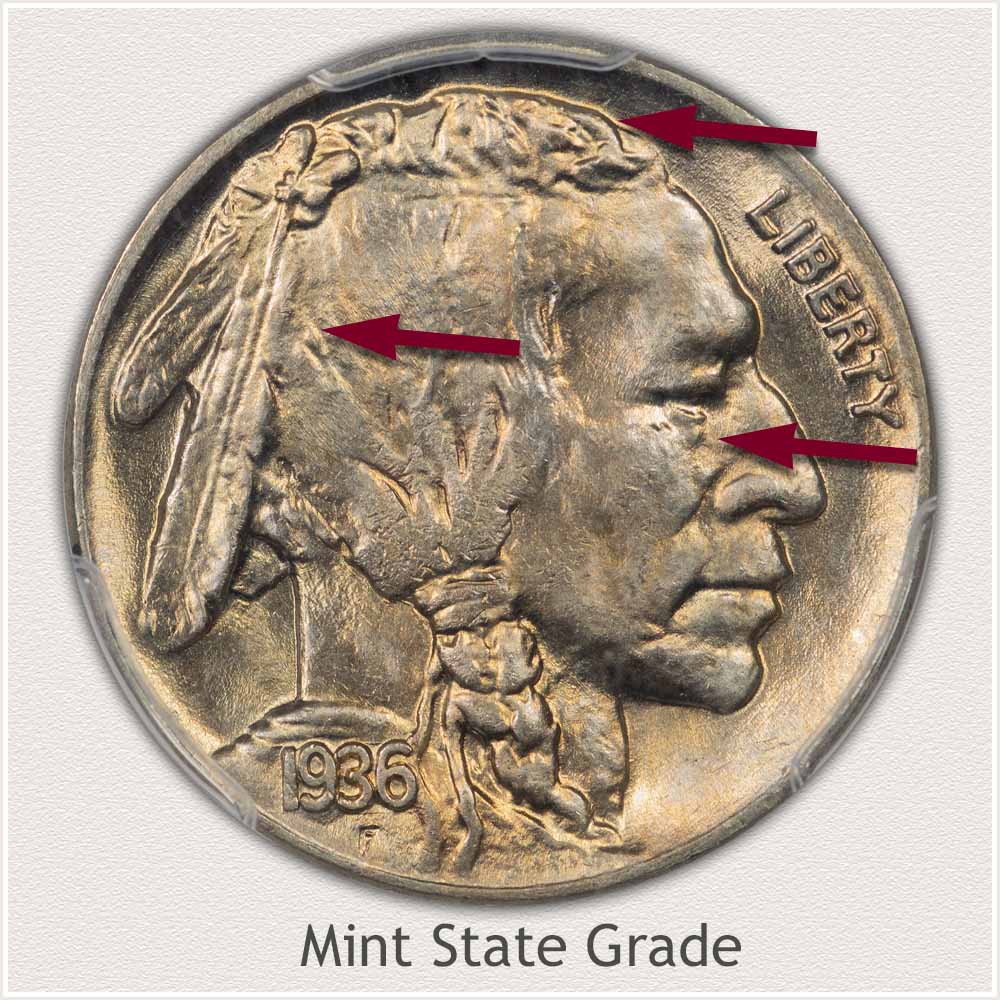 (fig. 7) Mint State Features Highlighted on a 1936 Buffalo Nickel
Displaying full luster and a surface without wear defines a Mint State Buffalo Nickel. The example shows these qualities on both the highest points and lowest points of its design. Examining and comparing high and low areas begins the grading process.
Recognizing wear: Unworn surface quality displays a fine texture, a result of the minting process. This original texture reflects light brilliantly. Once wear begins to remove metal, its shine appears dull and missing texture. Evidence of smooth metal and a dull shine become the markers indicating wear on the surface.
Examine the two feathers at the back of the Indian's head. High contours leading to the lower centers of the feathers show a consistent texture. Matching textures with no smoothness on high points identify an intact original surface.
Hair at the top of his head also remains with a similar texture on high contours and lower recesses.
Of note, a subtle toning begins to show across the coin's surface. Lower contours display a light tan to golden color developing on the metal. This is a natural process and expected by the coin market. Higher profiles often remain a lighter silver color, notably more brilliant than toned areas. Importantly, this color difference does not indicate wear. Smooth metal with flat spots, without texture, becomes the true indication of wear.
With a magnified view, examine the image and compare with your coin the high contours of the Indian's cheek. Note a similar metal texture across the cheek and within the low relief area just below. Both remain similar in quality and without indication of wear.
Extremely Fine Grade
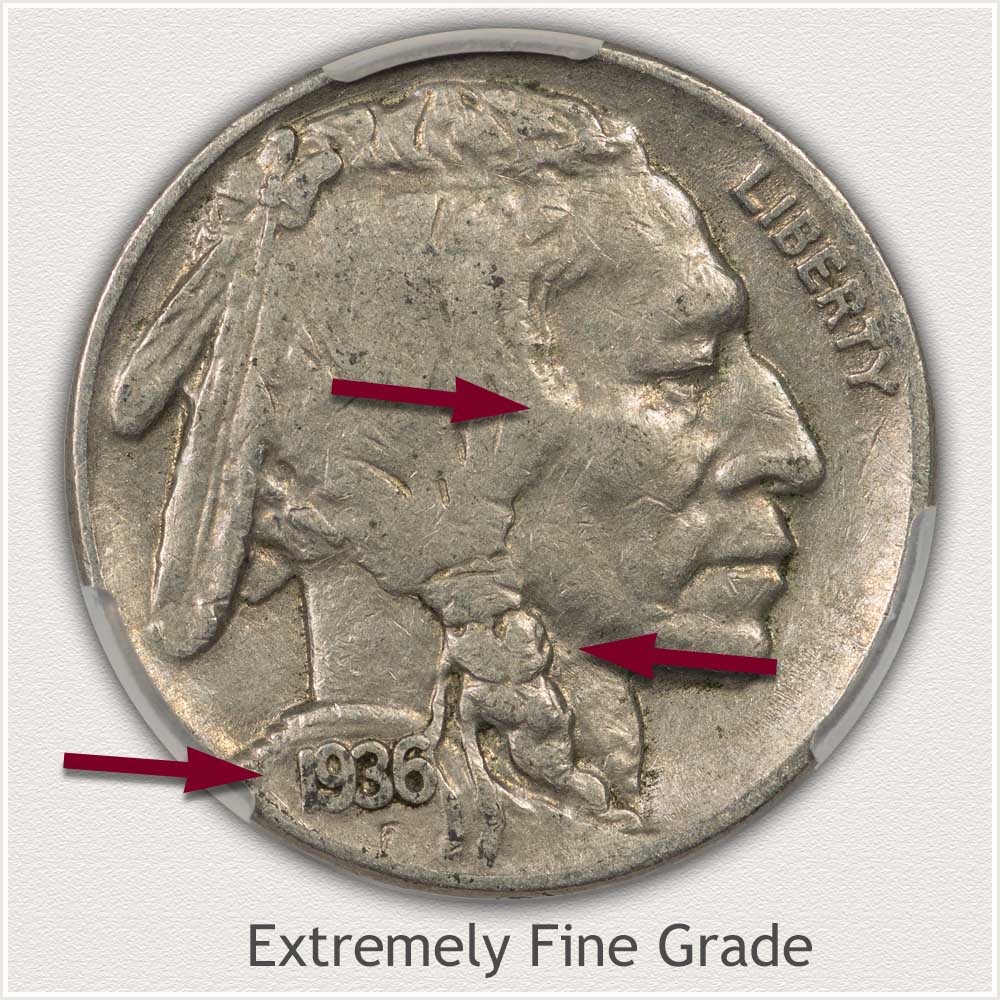 (fig. 8) Use the Highlighted Features When Judging the Extremely Fine Grade Buffalo Nickel
Collectible quality is the coin market's view of the Extremely Fine grade condition. Viewing the professionally graded example (fig. 8) shows a coin with ample detail visible. Displaying only light wear on the tops of contours defines this condition. When judging a coin's condition, it is the amount of remaining detail measured that fits into a grade category.
Comparing your coin to the image, inspect for similarities of detail. Focus on the braid of hair, height and quality of the date, and fullness of the cheek. Starting with the hair braid, note three distinct braids under the tie. This condition requires each braid remain separate. The first and largest braid shows a slight amount of smooth and flat metal. Two braids below remain better preserved with less flattened metal. The tie with its trailing ribbons is still separate from both hair above and braids below.
A clear and raised date moves this condition into a higher quality range. Although visibly worn with a flattened surface, each number shows visible height above the background. Easily read and completely outlined, the date remains bold.
The cheek area under the eye requires a close look to determine its level of wear. Originally a high contour, the very top of the cheek now shows a leveled surface. A specific marker is the separation of the hairline from the cheek. To the left of the cheek, where it meets the hair, a raised hairline clearly remains visible. This small detail of separation helps confirm only light wear on the surface.
Bold quality shows overall at the Extremely Fine grade level of preservation.
Fine Grade
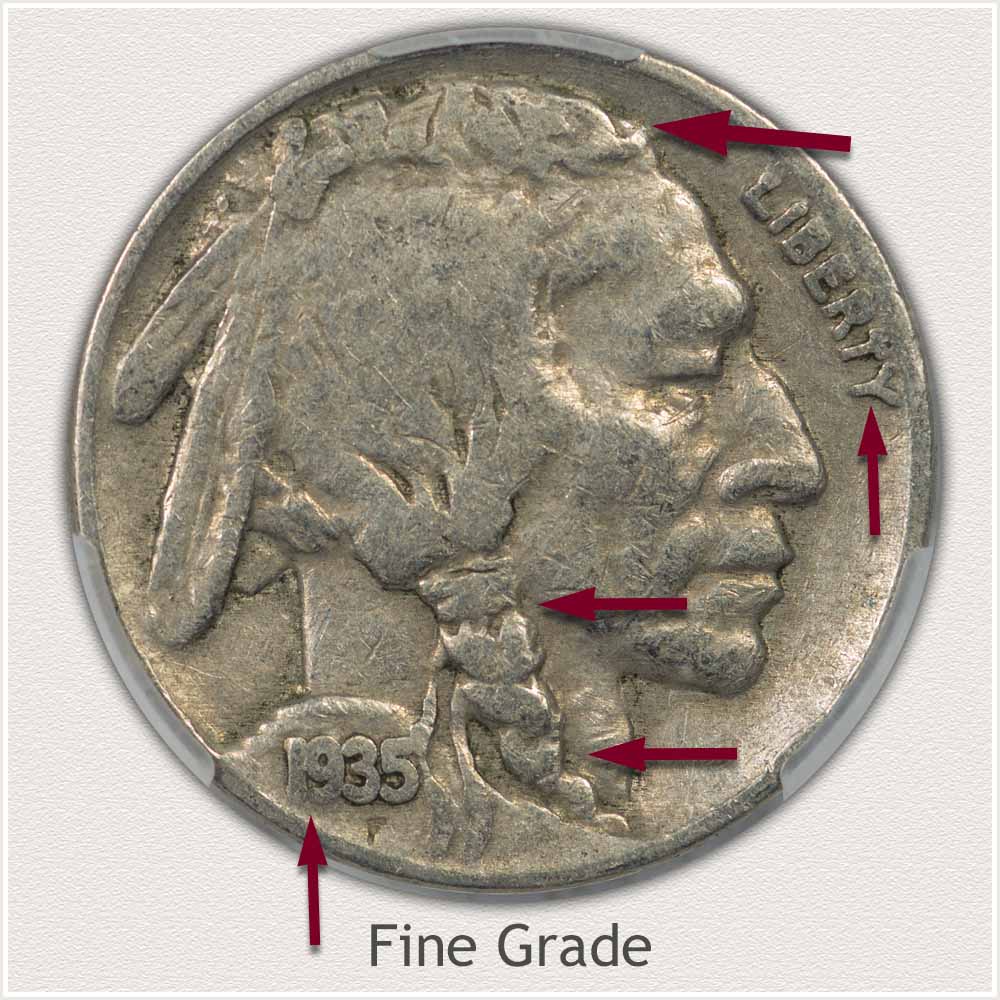 (fig. 9) Compare to the Highlighted Features Deciding the Fine Grade Buffalo Nickel
A strong, deeply impressed date became a standout feature on later date Buffalo nickels. Note on the example, a clear, non-faded date. This is the first grading feature to examine. A balance of clear design features mixed with small flat areas defines the Fine condition. Additional inspection points include clarity of "Liberty," hair, and braid detail. Use the comparison of the illustration with your coin, judging a close match.
Date and LIBERTY: Both of these small areas display a strong level of detail. All numbers of the date remain fully outlined. LIBERTY matches the definition of clear detail next to the faded tops of the letters.
Hair Detail; At the top of the Indian's head, many hair strands display above the part line. Deep recesses keep the small areas of flat metal from merging. This combination of clear detail mixed with flatness only on high points of the hair meets the Fine grade condition.
Braid Detail: Note the example coin shows clearly separated hair braids. A tie pulls the hair together with braids extending below. A close exam identifies obvious wear flattening the top of each braid. However, a slight, rounded contour separates each. Further down, nicely rounded braids extend to the shoulder. Moderate wear mixed with clear details describes the remaining braid detail. Overall, the Fine grade is an appealing condition for an old Buffalo nickel.
Good Grade
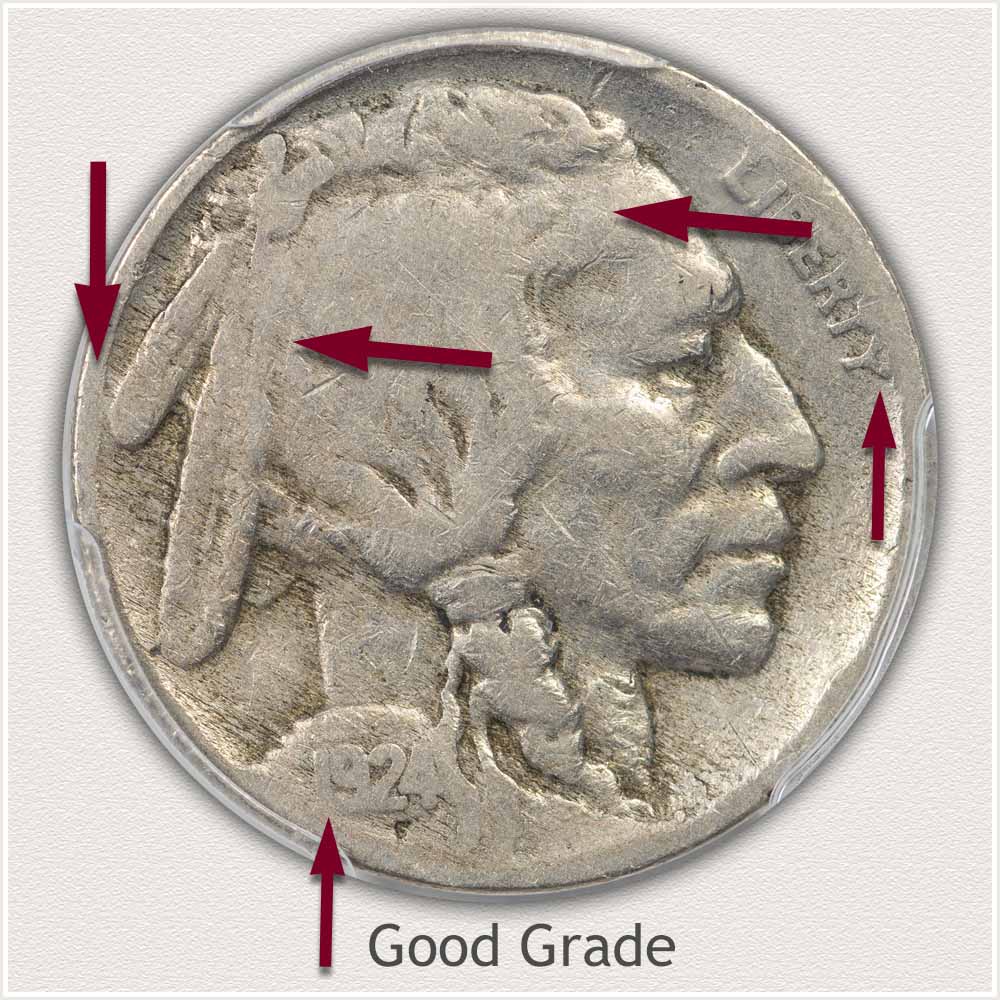 (fig. 10) Compare to the Highlighted Features to Determine a Good Grade Buffalo Nickel
Although a Good condition coin appears worn, important grading elements standout. First, a bold outline of the portrait. Next, visible small details. Third, subtle but raised contours separating major features. Begin by comparing the portrait outline of your coin with the professionally graded example.
The coin imaged (fig. 10) fits solidly within the Good grade range. The Indian's outline shows many worn and flattened areas: however, a full outline from the background remains. A complete separation of the small feather from the rim confirms this full outline requirement.
A combination of small details gives this grade an attractive appearance. First, note the clarity of the date; it is well displayed. The motto "Liberty" also shows clearly with only the tops of letters connecting with the rim. At the top of the Indian's head, deep recesses within his hair remain. Also, deep recesses define the hair braids in the area near the date.
Strongly raised contours define the look of these Buffalo nickels. Notice the distinct separation of the hair from the face. A subtle raised line defines the hair starting at the forehead, extending to his chin. A second area, the large feather, remains raised above the hair on most of its length.
With a focus on visible detail and not worn areas, it helps recognize the quality required to meet the Good condition.
How to Video: Grading Buffalo Nickels
Review the in-depth guide illustrating the comparison method of deciding the grade of a Buffalo nickel. Magnified images and expanded descriptions of grades continue the grading process.
Grading Buffalo Nickels | Visual Grading Guides
Step 3: | Special Qualities: Why Cleaning Buffalo Nickels Lowers Their Value
A lot of factors contribute to a Buffalo nickel's value. Its date, mint of issue, and condition support the main part of an evaluation. Beyond these, the coin market also inspects for any abnormal traits found on the coin. As an example, noticeable nicks and larger marks help determine overall quality.
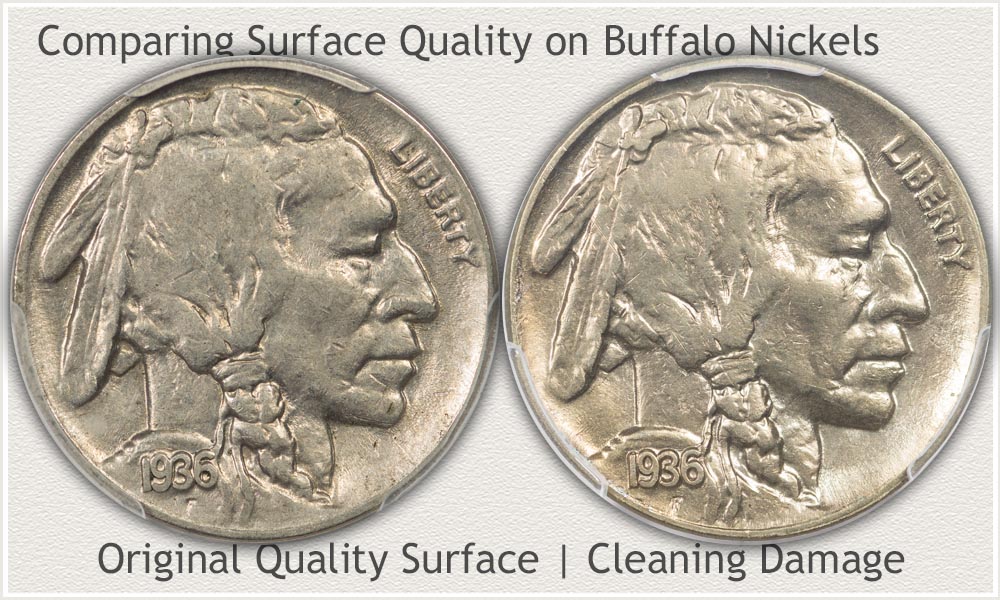 (fig. 11) Comparing Examples of a Cleaned and Original Surface Buffalo Nickels
An original, natural surface is also an important factor in deciding the value of a Buffalo Nickel. Within the collecting community, any unnatural disturbance on the surface draws attention. This often involves "cleaned" surfaces. The downside of a cleaned coin is loss of appeal to a collector and lack of demand for the coin. These combined lead to a lower value. Fortunately, cleaning a coin is an option. The safest answer: do not clean any coin.
Imaged are examples showing a visual difference between a cleaned nickel and natural surface nickel. Comparing the two, note the "glossy" and monotone shine of the cleaned coin. Displayed by the coin with an original surface, variances in toning and various natural coloring remain. A coin with a natural surface develops a pleasing aesthetic quality overtime.
Avoid any possible devaluation of the coin by taking a safe approach of not cleaning its surface, in any way.
With a narrow value of your Buffalo nickel established, record the data, and continue with your box of old coins.
References
U.S. Mint. (1937) Annual Report of the Director of the Mint Fiscal Year 1937. United States Government Printing Office.
The Bureau of the Mint. (1928) Catalogue of Coins of the United States. United States Government Printing Office.
🔎What's next: Review the articles helping decide how to Value, Record, Store, and Sell these 1936 Buffalo nickels.
Coin Values | CoinStudy Articles
Date by Date
In Depth Buffalo Nickel Value
1913 to 1938
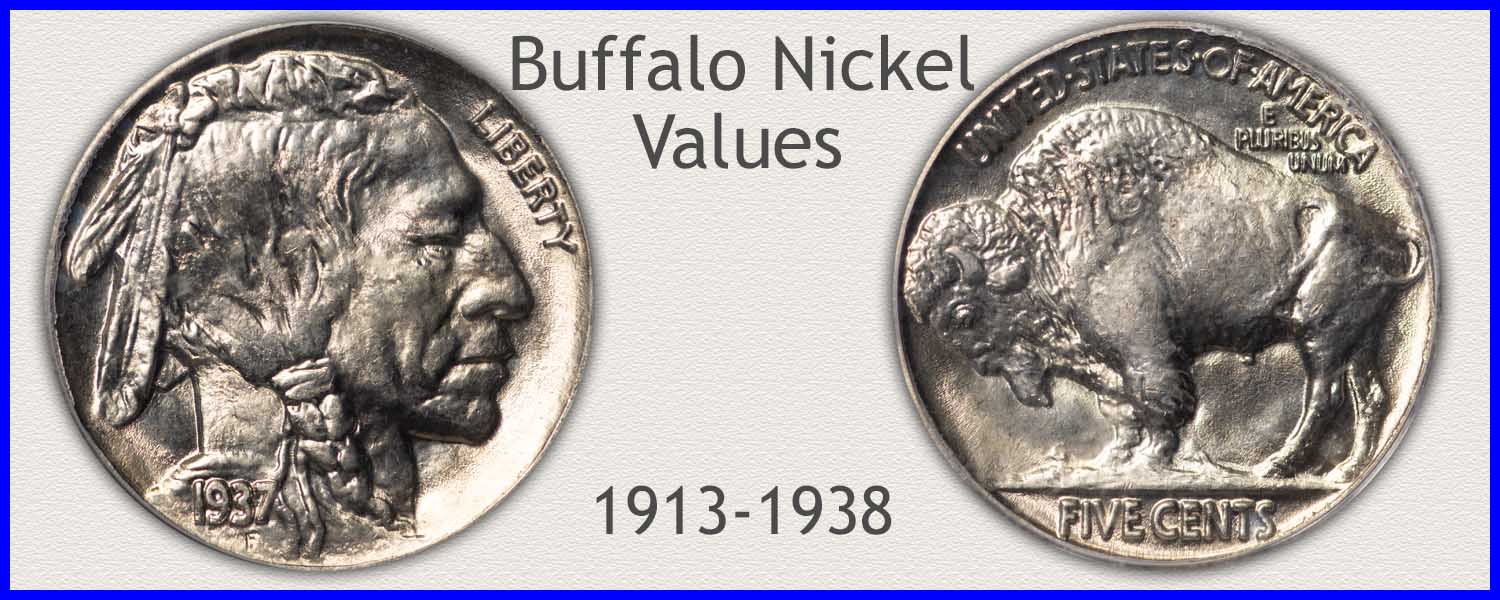
Buffalo Nickel Value | Listing the Series Date and Mint Combinations
Buffalo nickels: A popular coin series rising in value. Interestingly, worn coins without dates are worth a premium. Today, collectors closely examine Buffalo nickels. They search for special dates and quality condition pieces. Review the full value chart listing the date and mint combinations of the Buffalo nickel series. The step-by-step method gives insight into values.
Print the Coin Values Worksheet
Printable sheet to list and inventory your coins. List your entire collection of coins, keeping an organized record.
Safe Coin Storage | Recommendations
Storing your coins correctly preserves value. Single high value coins need protection from elements in the air and contact with their surface. Large quantities of coins are conveniently housed in special holders. Safe methods are explored.
Selling Coins | How to Get the Best Value
Steps to take when selling coins. Examine and value your coins accurately. Research dealers to contact. Use the method collectors follow when time to sell your coins.
★Coin Values Discovery... finds 1936 nickel value and...
Coin values index. Identify Series, Dates, Mints, and Condition by following images to the different series, all valued individually. Follow a step-by-step method, comparing your coin to descriptions and images helping identify the important qualities to narrow the value range.