Coin Values Moving with Precious Metals: Up-Dated 9/14/2026: Gold $4326 | Silver $63.61
1919 Nickel Value
As an early era year, an accurate 1919 nickel value relies on accuracy. Following a step-by-step approach confirms the date, mint, and condition in a defined sequence. These facts then narrow the range on the value chart. Importantly, reference the illustrations to visually recognize subtle points of the evaluation.
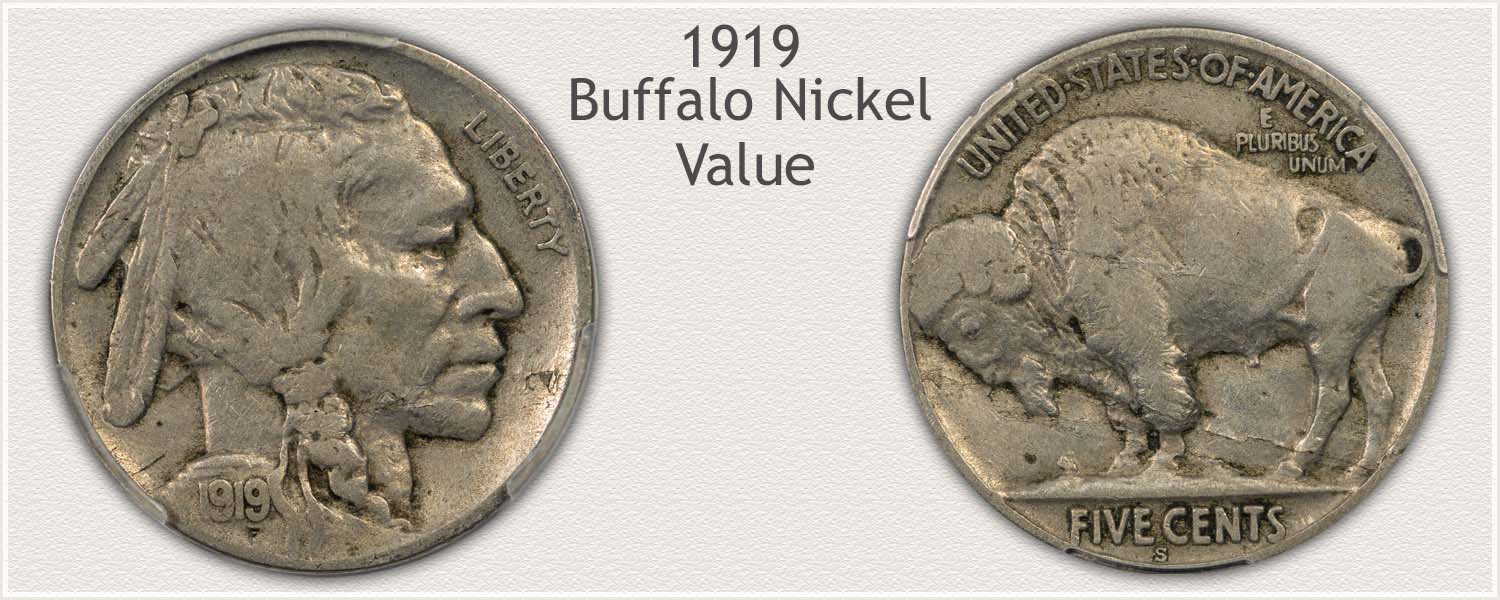 (fig. 1) Obverse and Reverse of a 1919 Buffalo Nickel
Steps Leading to Value:
- Step 1: Date and Mint Variety Identified: Start with an accurate reading of the date as part of a complete market description.
- Step 2: Grading Condition: With images, judge the coin's condition to establish a grade range.
- Step 3: Special Qualities: With a focus on appealing qualities, rate the aesthetics of your Buffalo nickel.
| 1919 Nickel Value | ||||
|---|---|---|---|---|
| Condition of Coin | ||||
| Date | Good | Fine | Extremely Fine |
Mint State |
| 1919 Nickel Value Updated | 2026 | |||
| 1919 | $1.91 | $3.86 | $12 | $97 |
| 1919 D | $13 | $49 | $163 | $650 |
| 1919 S | $8 | $34 | $179 | $440 |
Refer to the chart as a range of wholesale values. Subtle qualities influence values within each grade category. Additionally, eye appeal of the coin, along with collector demand, determines its final worth.
Step 1: | Confirm Date and Mintmark - Three Different Varieties
The starting point of a coin's value first identifies with accuracy the date. Within the Buffalo series any coin minted in the teens enjoys premium demand. On the lower shoulder area, dates were placed just above the rim.
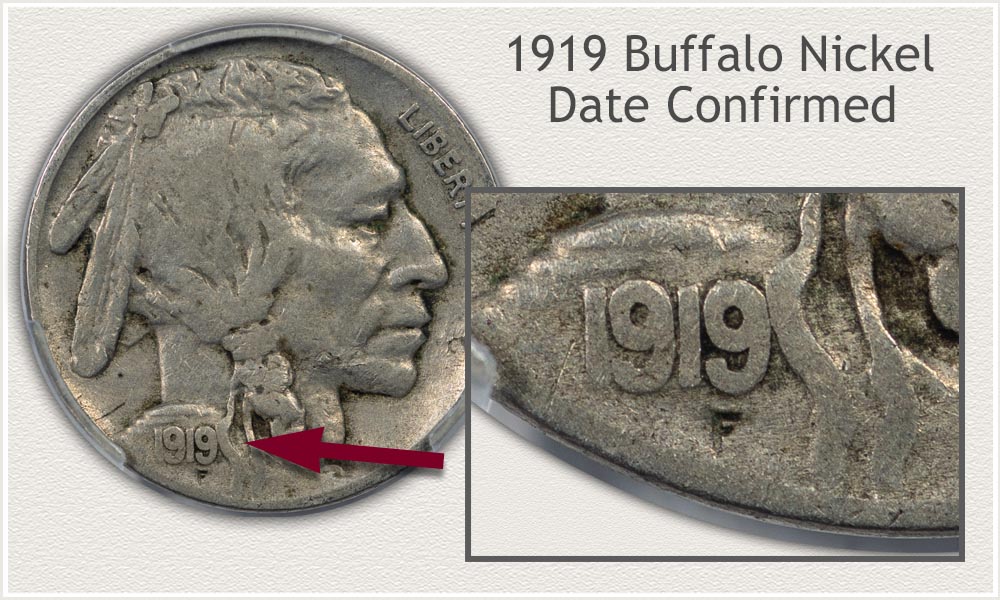 (fig. 2) Locate and Identify the Date of the Buffalo Nickel
Specific Features Identify a Faded Date Buffalo Nickel
Wear and faded features are a common problem with these old nickels. The date was located on a higher point of the design and quickly suffers from a loss of clarity. Closely compare your coin with the defining metrics helping recognize its true date.
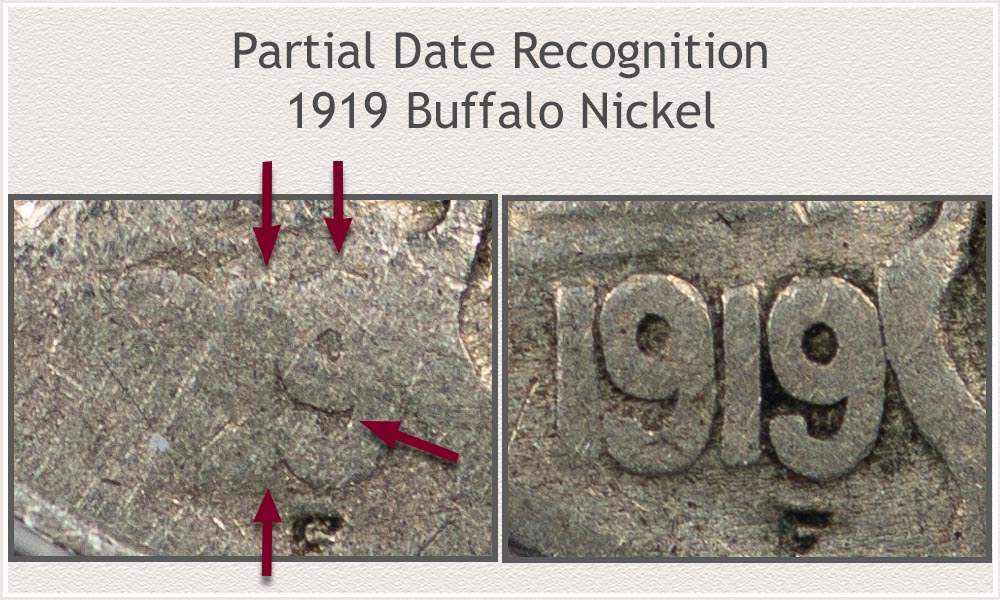 (fig. 3) Highlighted Features Identify a Partial Date Buffalo Nickel
First impression of a partial date is a slightly raised area with only small amounts of detail. The first "1 and 9" numbers typically disappear quickly. Using a few defining areas and shapes determines the important last two digits.
Although very faint, within the partial date image (fig. 3), traces of a nine show. A rounded top of the nine continues down the left side, noting the break along its curved contour. This separation on the left side defines the "9" from an "8." Next, confirming the one, a straight vertical line appears towards the top and continues to the bottom of the digit. There is no evidence of curvature along this right-side line.
Cast a single light from both the left and right sides of the coin. These different lighting positions deepen the contrast, clarifying the slightly raised surface of an edge. Record the date and next identify the mint that struck the coin.
Mintmark Values of 1919 Buffalo/Nickels
The specific mint that produced these 1919 nickels has a large influence on their value. Three mints released into circulation this year's nickel. Philadelphia, San Francisco, and Denver. Fortunately, mints used mintmarks to identify their coinage.
All Buffalo nickels minted at the San Francisco facility show an "S" mintmark. The Denver mint placed a "D" mintmark on its coinage. The main mint, in Philadelphia, did not use a mintmark at the time of the Buffalo series.
Inspect the reverse near the lower rim. The small letters of an "S" or "D" were placed below FIVE CENTS. On worn, faded examples, look for the finishing serif point on the left side indicating the "D" mintmark. On the "S" mark, the point of the serif shows on the right side.
A Collector Favorite: "S" Mintmark Nickel
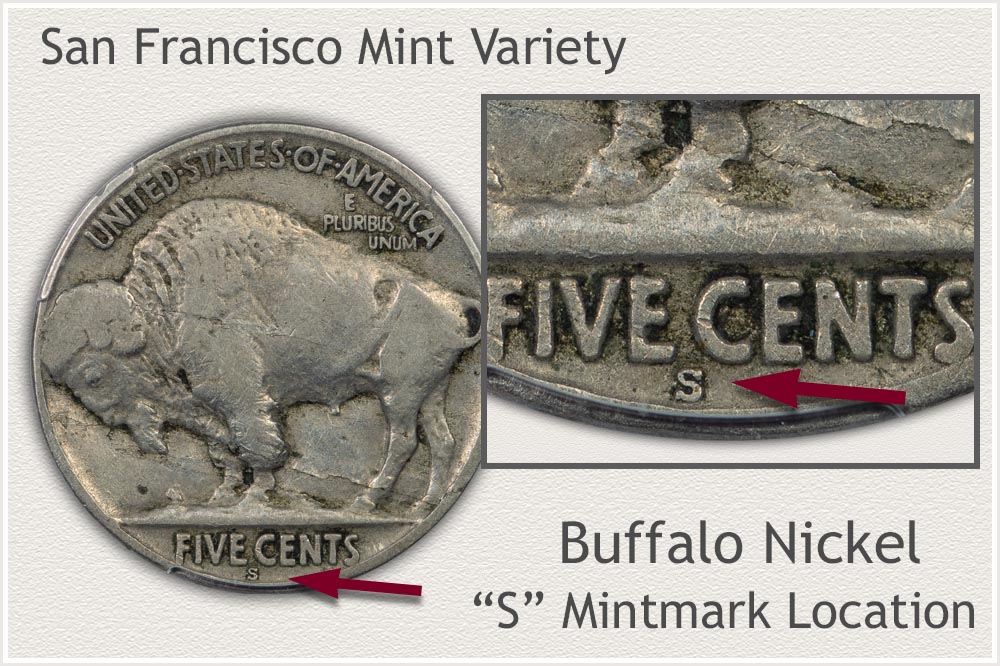 (fig. 4) Inspect the Mintmark Location to Identify the S Mint San Francisco Nickel
The San Francisco Mint increased nickel production in 1919 to 7.5 million pieces. After two years of low production numbers, nickels were needed to satisfy commerce. Today a nice quality "S" mintmark 1919 nickel shows a strong premium on the value chart. This high average pricing indicates a coin infrequently found.
This coin represents an early era of the popular San Francisco Buffalo nickel coinage. Solid demand and solid value.
Premium "D" Mintmark Nickel
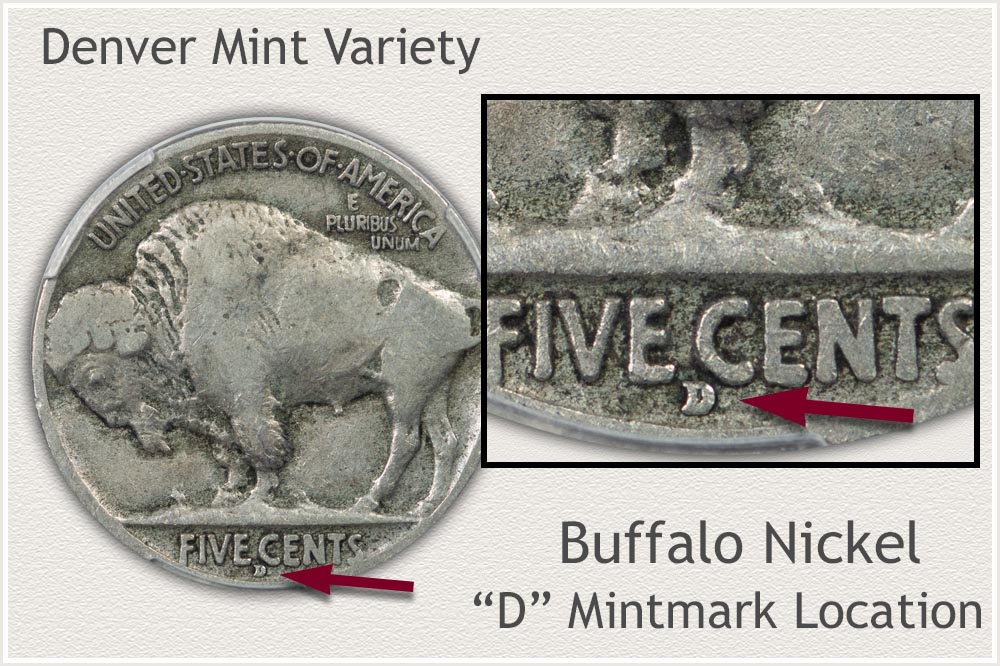 (fig. 5) Locate Mintmark and Confirm the Denver Mint Variety Buffalo Nickel
Although a large amount of 8 million nickels was struck by the Denver mint in 1919, they show a nice premium on the chart. This total mintage represents an average year's production. Over time, the coin has become difficult to find in quality condition. The market adjusts pricing, balancing supply against demand. Many collectors seek an example of a 1919 Denver nickel for their collections.
Inspect the reverse closely to verify this important coin. The 1919 variety leads in market demand.
"No" Mintmark Nickel
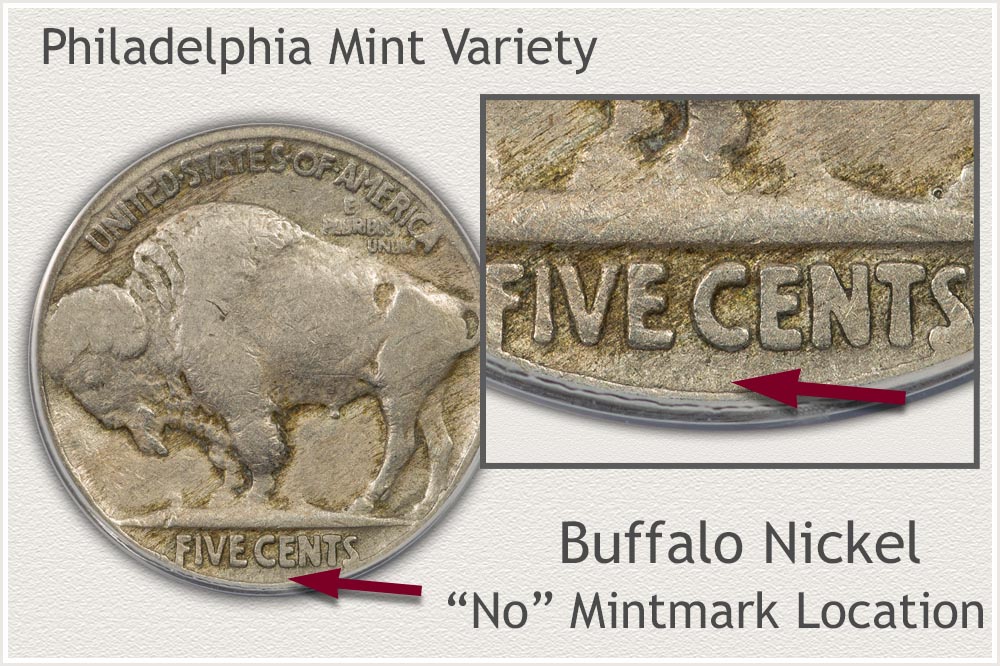 (fig. 6) Confirm No Mintmark and the Philadelphia Mint Buffalo Nickel
A 1919 nickel from the Philadelphia mint is one of the available dates from the early era of Buffalo nickel coinage. A new or young collector finds this issue affordable and highly collectible.
The Philadelphia mints placed over 60.8 million 1919 nickels into circulation. This quantity became the fifth highest mintage of all the date and mint combinations. Two factors set the coin apart. It was minted in the first decade of the series, and the difficulty of finding it in above-average condition. A coin displaying fine detail within the Indian's portrait indicates a high-quality example.
Condition of the coin now becomes the next important feature deciding on a narrow value range. Record a verified date and mint of issue as the first elements of a description. Next, compare to the following condition examples to determine a grade.
Step 2: | Grading Condition Using a Comparison Method
Grades are hobby and market terms defining the visible quality of the coin. These "grades" represent different levels of preservation and used as part of the coin's description.
Now begins a comparison process determining the condition and grade of the coin. Match the amount of surface detail remaining on your nickel to the example images. When finding a close match, this first inspection quickly narrows the coin's overall quality.
Next, closely compare the features noted in the description. Quality of specific features measures the levels of wear by showing defined patterns. It is the amount of visible detail that helps judge each grade. As an example, the Mint State grade coin has no visible wear on its surface. Inspecting the illustrated Mints State example is a good place to start. This provides a reference showing the full details of a Buffalo nickel.
Mint State Grade
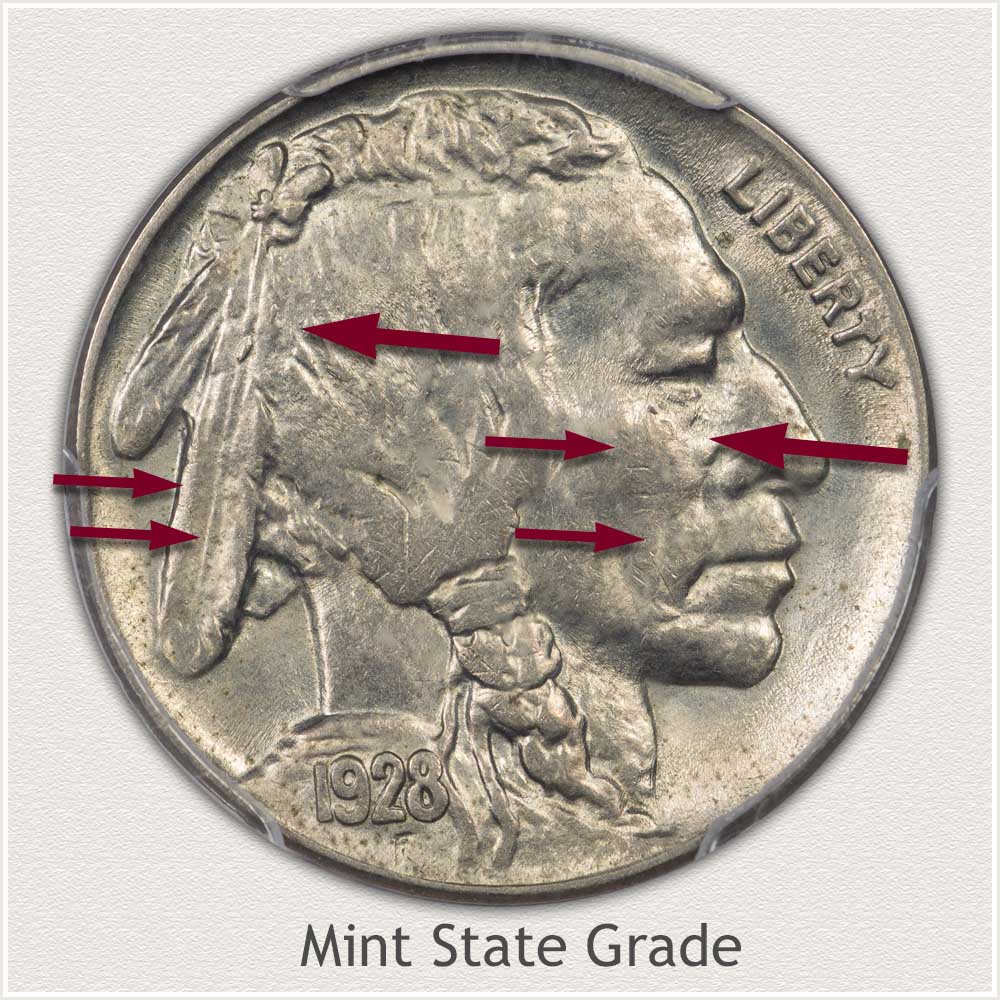 (fig. 7) Grading Areas Highlighted on a Mint State Grade Buffalo Nickel
Mint State condition Buffalo nickels meet a strict requirement of "no wear" on their surface. To recognize this special quality of Mint State, high areas are compared to lower relief areas. Examine the example (fig. 7); across the design a bright luster shines from the coin. Any wear on this delicate original surface removes luster, leaving both smooth metal and reduced shine.
Compare the high and low areas of the two feathers at the back of the Indian's head. Examine the lower central areas with the higher feather edges. Both need to reflect light with a similar glow. Using a grading technique, tilt and change the angle of the feathers to a single light. This movement casts light over high and low areas of the design. A similar luster must radiate from both high and low areas, helping judge a Mint State condition.
Across the top of his head, small hair details remain without flattened and smooth areas. Any wear on the surface quickly removes metal from the small high contours of hair strands. Smooth and flat metal becomes the second indication of wear. Just above the part line, examine for full high contours without flat areas. In Mint State condition this area displays complete luster and full contours.
Next, inspect the cheek. When moving a light across the cheek, luster shines from the top relief into the low contour toward the mouth. Both areas show no signs of smooth metal caused by wear.
Recognizing a Mint State nickel uses two techniques. Casting a moving light across the surface. Then recognizing any worn, flattened and smooth metal. This method helps confirm this quality Mint State grade nickel.
Extremely Fine Grade
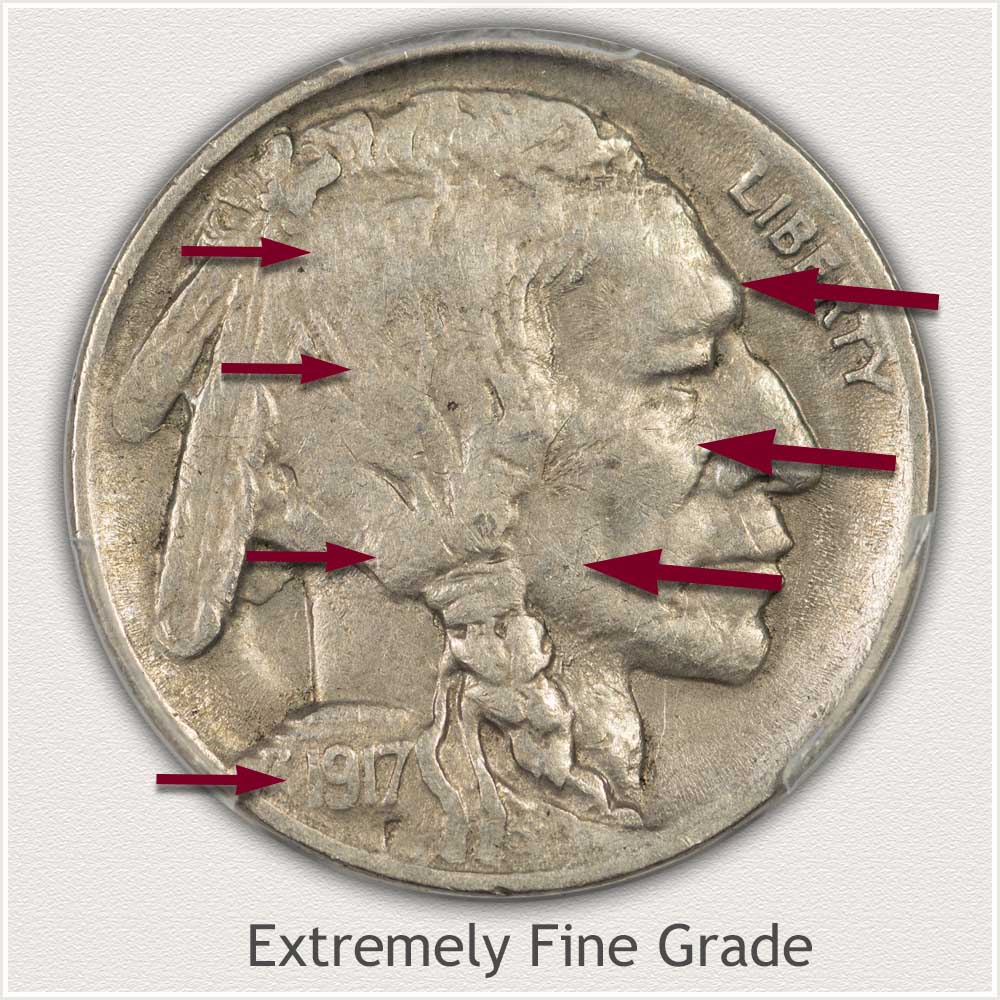 (fig. 8) Condition of Highlighted Features Identify an Extremely Fine Grade Buffalo Nickel
First, inspect the example illustration of a professionally graded Buffalo nickel. This coin (fig. 8) grades as Extremely Fine condition. Compare your coin to the strong facial features, amount of hair detail visible, and clarity of the date. As a description of the grade, light wear smooths only the high points of the design. Determining the amount of wear on your coin matches the example, "grades" its condition.
High contours on the Indian's profile remain well rounded with a slight flat area on their tops. The small worn areas remain small and confined to their feature. His eyebrow displays a smooth area along the edge just above the eye. A small flattened area on the cheek only covers part of this high contour. Finally, the jaw near the hair shows another slight flat area. All areas remain above the low relief areas nearby. Importantly, no flattened areas connect.
Move to recognizing the clarity of the date. All numbers show complete outlines. This one observation places the coin's condition into the higher quality range. As the example shows, some reduction in height affects the "1 and 9" digits. These numbers appear worn and closer to the shoulder than the "1 and 7." Importantly, all numbers remain complete.
Hair detail adds another quality feature of the Extremely Fine grade. At the top of the Indian's head, many strands of hair show fine detail. Above the part line, deep recesses separate hair strands. Below the part line, some hair strands remain among small worn, smooth areas. A high contour remains near the part line. Moving downward, note the lower relief area. Near the braid, the contour again rises. Overall, this large area of hair retains its original high and low relief contours.
Quality and fine detail is the first impression of Buffalo nickels in Extremely Fine grade condition.
Fine Grade
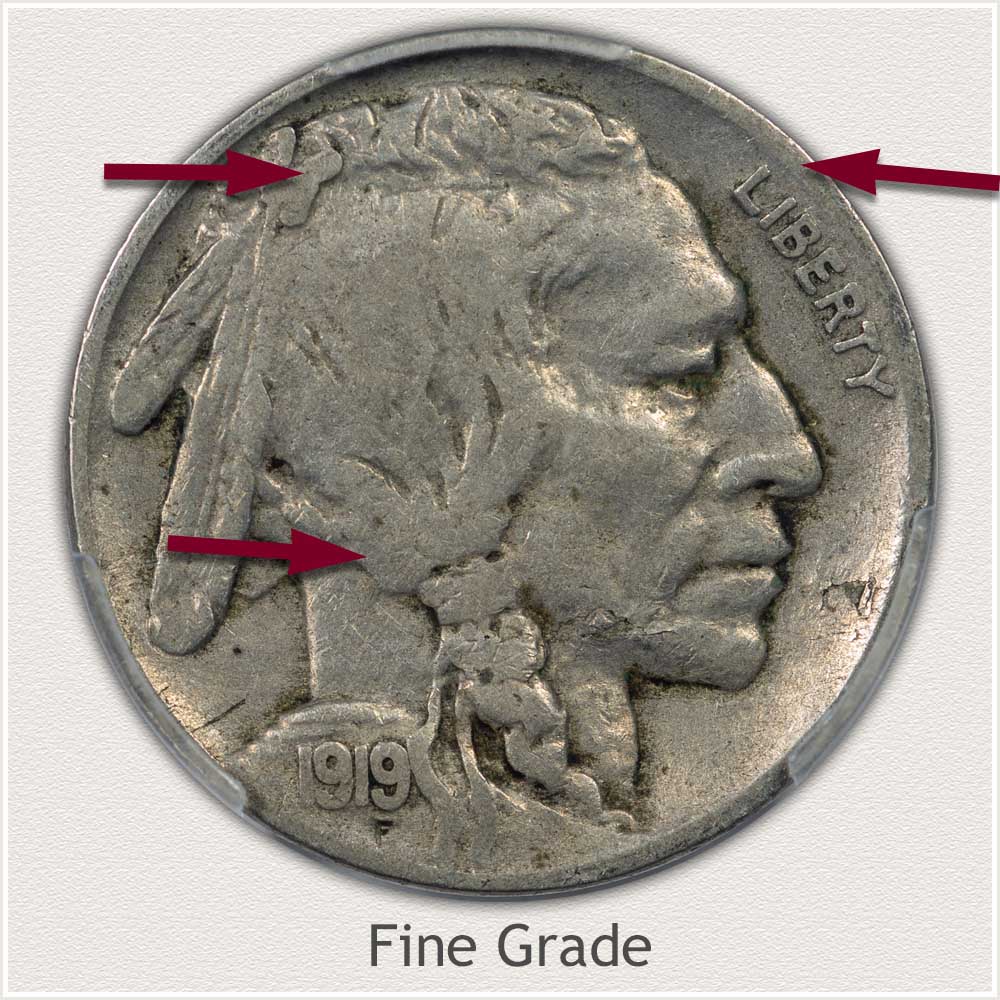 (fig. 9) A Close Match with the Highlighted Features Determines a Fine Grade Buffalo Nickel
An overall view of a Fine grade Buffalo nickel shows moderate wear. A coin fitting this general definition displays areas of flattened metal and areas showing small details. Focus on hair detail, date detail, and condition of the lettering. Clear details in these areas determine the Fine grade.
Begin with judging hair detail starting above the braid and extending to the part towards the top. Flatness within the Indian's hair only removes some hair strands, leaving a few deeper recesses. Compare the image with your coin, noting the strands near the temple, along the part above the forehead, and deeper recesses near the braid. When visible, these subtle details indicate the moderate wear category.
Next, review the clarity of the date and lettering of LIBERTY. As part of grading a coin, visible small details greatly improve a coin's condition. This clarity is displayed within the date with its fully defined numbers. Although wear has lowered the height of the numbers, each rise above the background with full outlines. This fullness also remains visible with each letter of LIBERTY along the rim. Small details, when complete, determine the Fine grade and influence eye appeal.
Good Grade
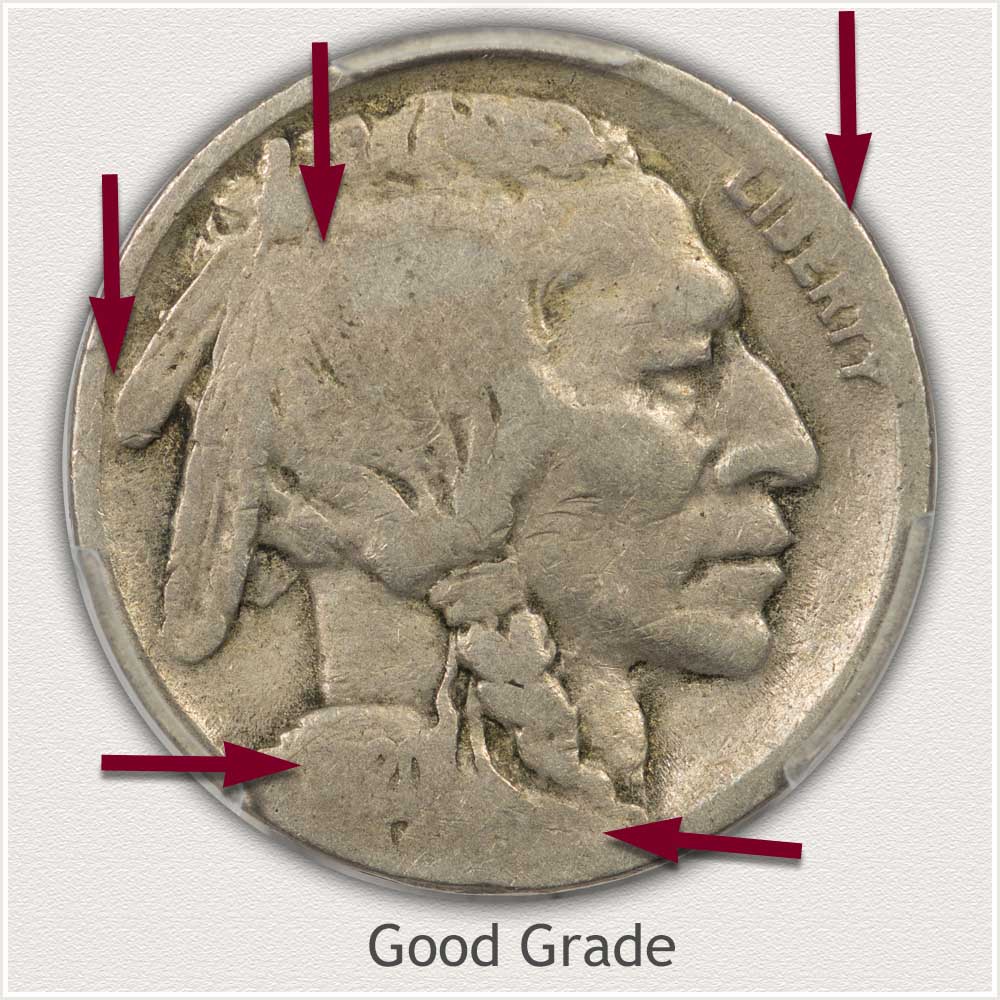 (fig. 10) Compare Using the Highlighted Features of a Good Grade Buffalo Nickel
Although a Good grade Buffalo nickel displays heavy wear, focus on the many visible details. It is the clarity of specific elements that correctly determines this grade. The Good grade; defined as major features in outline form with few details remaining, describes only its overall look. A close examine determines the level of detail, confirming the coin's condition.
Starting with the outer perimeter, a visible inner edge remains along most of the rim. At this grade level, the rim along the shoulder and date area shows weakness and often a missing inner edge. Additionally, some letters of LIBERTY merge with the rim. Importantly, only the tops of letters disappear, blending with rim detail. The illustration (fig. 10) shows grade level clarity of lettering.
A readable date is a requirement when placing a value on Buffalo nickels. Clarity of the date provides a grading metric. On the example, only a partial date remains. Even if identifiable, a semi-clear date limits the coin's grade.
With an intent of finding detail, examine the two feathers at the back of the Indian's head. The smaller feather remains completely outlined. Confirm the end of the feather is separate and does not connect with the rim. The larger feather fades slightly with the hair. However, a partial center shaft and low central contour become the needed detail meeting grade standards.
How to Video: Grading Buffalo Nickels
Add an in-depth coverage of grading. The video highlights key condition requirements. Follow the magnified images illustrating the condition of different grade levels.
Grading Buffalo Nickels | Visual Grading Guides
Step 3: | Special Qualities: Rating Visual Appeal
Your accomplishment of grading a Buffalo nickel follows a strict technical approach. Standards of condition and visible detail establish each grade requirement. The process of "grading" strictly evaluates and matches your coin's condition with these standards, establishing its grade.
Now enters the collector of coins and their preferences. An experienced collector first considers a coin's technical grade. Then looks beyond the grade and decides on its visual appeal. Is the coin pleasing? A coin attractive to a seasoned collector gains additional fundamental demand. This alone strengthens its worth within the hobby.
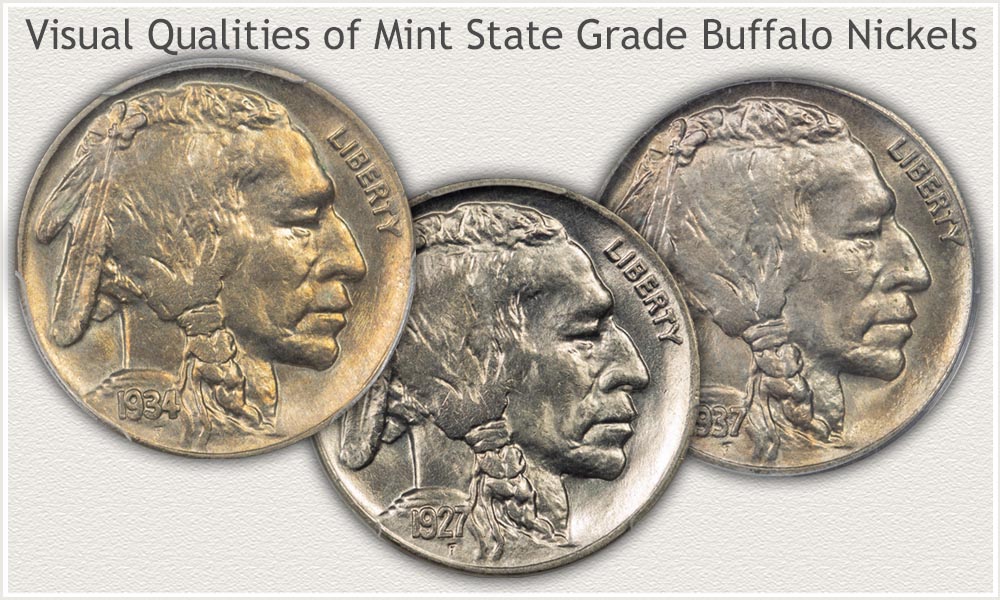 (fig. 11) Aesthetic Qualities of Mint State Buffalo Nickels
The illustration (fig. 11) compares the visual impact of Mint State grade Buffalo nickels. Note how each coin has a distinct appearance. Each also has a slightly different level of appeal. These subtle differences of surface quality and luster each appeal to different collectors. Some prefer bright, center coin, over satin luster, right side coin. Others focus on surface quality and sharpness of details, note levels of hair detail. The highest rated are those with strong luster and surface quality showing strong details.
Scanning along the coins, each is within the Mint State category. Visually rate the coins from high to low using your preference. This aesthetic judgment adds insight to their collector demand and values. Trust your judgment; you likely chose a coin with widespread appeal.
Now view your subject coin and rate its appeal. In any condition each coin has its own qualities. Next, record a description, such as "well detailed" or "slightly dark," etc. These notes add personal insights into its value standing.
With all this data about your coin, next review the following articles. If needed continue the grading process. When confident of date, mint, and condition, review the coin's potential value. Links below lead to additional information about your 1919 nickel.
References
U.S. Mint. 1920 U.S. Mint Annual Report
https://nnp.wustl.edu/library/book/512056
U.S. Mint. Catalogue of Coins of the United States.
https://nnp.wustl.edu/library/book/554591
🔎What's next: Review the articles with insights to professional evaluation of high value nickels, storing and handling these nickels and recording their descriptions.
Coin Values | CoinStudy Articles
Date by Date
In Depth Buffalo Nickel Value
1913 to 1938
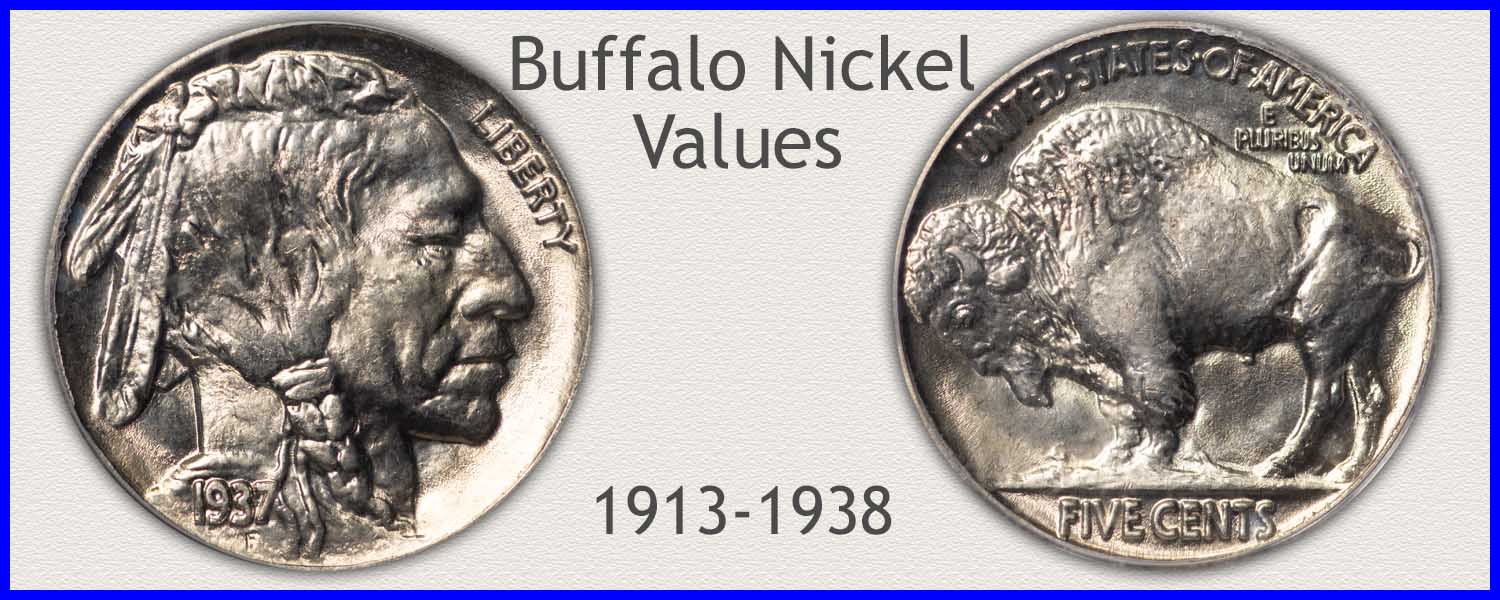
Buffalo Nickel Value | Chart Plus - Steps to Identify Each Coin
Review the complete value chart. Date and mints listed, each valued by different condition levels. Interest in Buffalo nickels by collectors and the market support premium worth. With a step-by-step process, recognize how much all Buffalo nickels are worth.
Coin Grading Services | Professionally Evaluate Your Coin
High premium coins are routinely sent to a coin grading service. Coins are authenticated and graded by professionals. Review the top two in the coin market.
Print the Coin Values Worksheet
Print the Coin Values Worksheet to list your coins and record their values. Should you decide to sell... use a copy of the worksheet as a packing slip.
Selling Coins | How to Get the Best Value
Selling coins follows a defined method. Organize and research the value of the coin. Secondly, research for a dealer with an interest in the coin. Reference the selling guide and refer to listings of dealers to contact.
Safe Coin Storage | Recommendations
Storing your coins correctly preserves value. Single high value coins need protection from elements in the air and contact to their surfaces. Large quantities of coins are conveniently housed in special holders. Safe methods are explored.
★Coin Values Discovery... finds 1919 nickel value and...
Coin values index. Identify Series, Dates, Mints, and Condition by following images to the different series, all valued individually. Follow the step-by-step method, comparing your coin to descriptions and images helping identify the important qualities and a narrow value range.