Coin Values Moving with Precious Metals: Up-Dated 9/14/2026: Gold $4326 | Silver $63.61
1928 Nickel Value
Often, how to determine the 1928 nickel value involves recognizing a few subtle details. Using a step-by-step process and comparing to images highlights these important features. Note the range of values listed on the chart. To narrow this range, examine and record a description of the coin's date and mintmark. Next, with a close-up view, match your coin to grading photos identifying its condition. A key detail to determine how much it is worth.
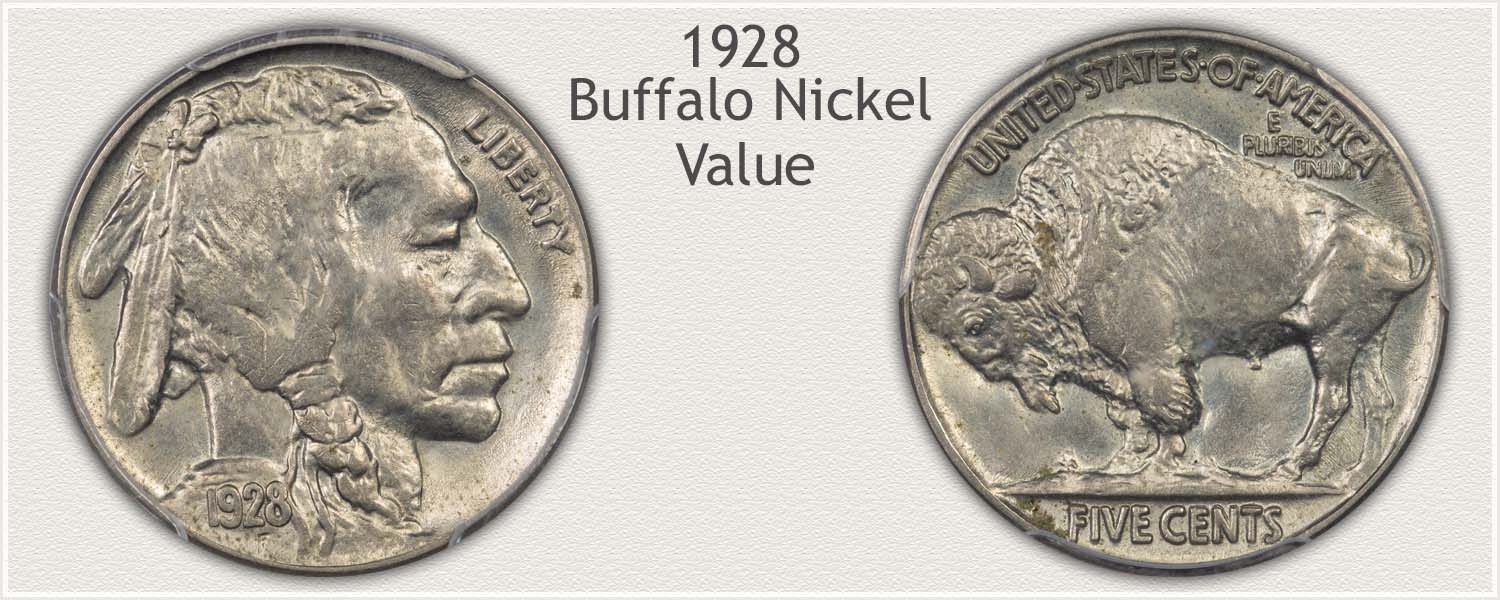 (fig. 1) Obverse and Reverse Views Identify a 1928 Buffalo Nickel
Steps Leading to Value:
- Step 1: Date and Mint Variety Identified: Determine an accurate reading of the date and mint issue. This starts a market description of the coin.
- Step 2: Grading Condition: Compare quality of the coin with "grading" images judging its condition.
- Step 3: Special Qualities: Four features to understand and identify on a 1928 nickel.
| 1928 Nickel Value | ||||
|---|---|---|---|---|
| Condition of Coin | ||||
| Date | Good | Fine | Extremely Fine |
Mint State |
| 1928 Nickel Value Updated | 2026 | |||
| 1928 | $1.26 | $2.86 | $10 | $71 |
| 1928 D | $1.71 | $4 | $36 | $77 |
| 1928 S | $1.89 | $4 | $59 | $282 |
The above are wholesale coin values. Computed from dealer's price lists with various markup factors figured in. Variations in value do occur subject to subtle grading points. Also, collector demands and dealer needs determine its final worth.
Step 1: | Date and Important Mint Issues to Recognize
Key to reading any value chart starts with recording an accurate date found on the coin. Inspect the lower area of the Indian's shoulder. This begins the process to narrow how much it is worth.
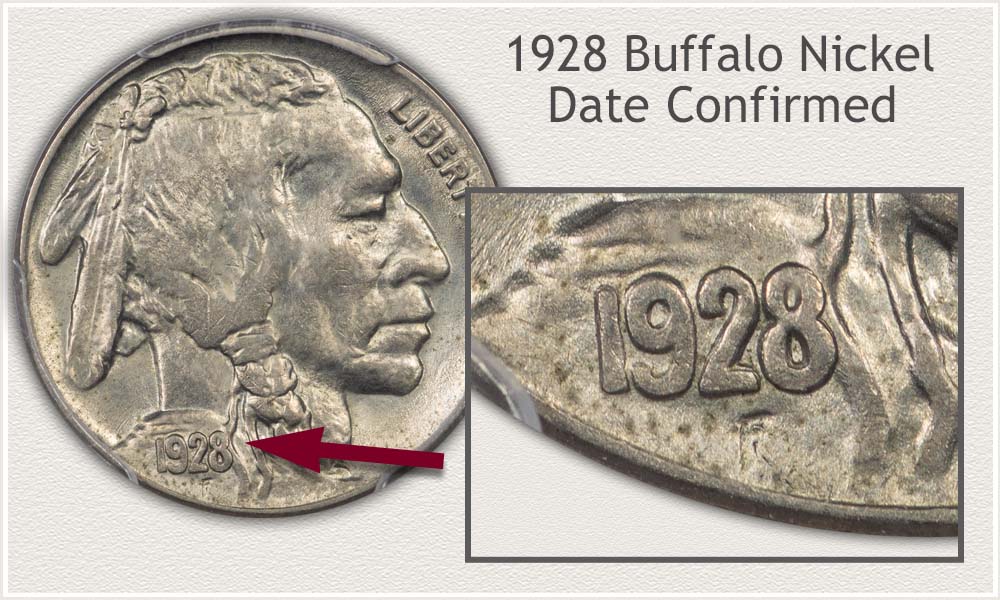 (fig. 2) Confirm the Date on a 1928 Buffalo Nickel
Specific Features of a Partial Date 1928 Buffalo Nickel
Clarity of the date on the Buffalo nickel varies greatly. From all four digits clear to all numbers missing completely. Additionally, many worn nickels remain with faint traces of numbers, often difficult to identify. The first digits are always a 1 and 9. The Buffalo series was minted from 1913 to 1938. Compare your coin to the following image showing the difference of a 1,2, or 3 as the decade the coin was minted.
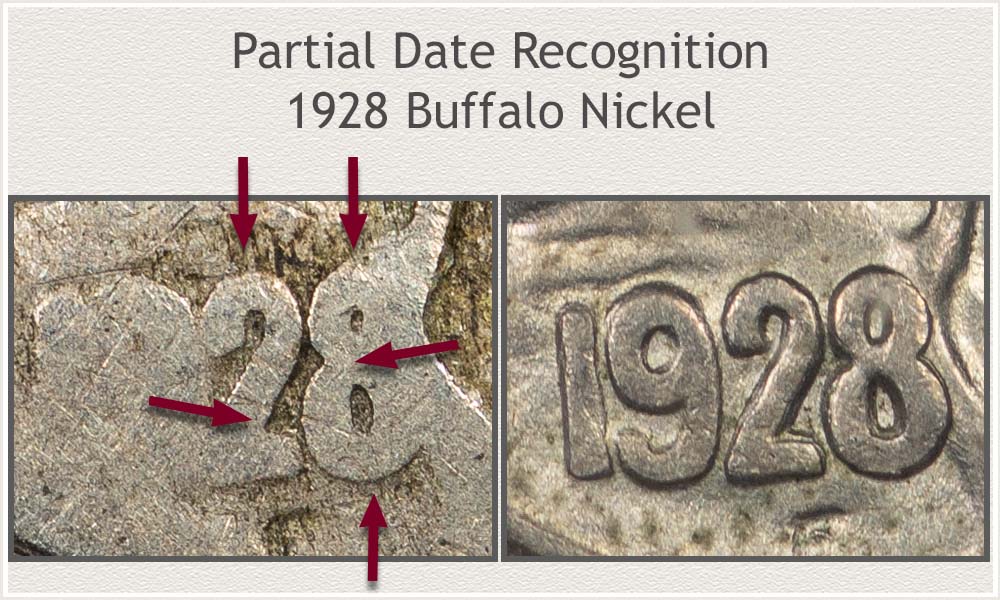 (fig. 3) Highlighted Features Help Identify a Partial Date 1928 Buffalo Nickel
Inspecting the above image (fig. 3) illustrates another often difficult date to recognize. Most of the area has worn to a flat surface with few details. The "1 and 9" are missing, and only parts of the last digits show faintly.
At the far right, a rounded top of a number shows some clarity. Just to the left, another wide rounded top appears clear. This central number curves and straightens on its right side, ending in a small angle shape suggesting a "2." Inspecting the bottom of this central number finds a straight, flat line. Helping confirm a two, notice the left loop with the lower curve.
Now the final, fourth number. An eight digit of the 1928 date has a distinctive double curve on its left side ending with a wide rounded bottom. This small, important detail shows with enough clarity to confirm an "8" digit. With these small markers identified, record the 1928 date.
Next, determine the mint striking the coin, adding to a full description.
Identify Premium Mintmarks on Buffalo Nickels
Mintmarks identify the mint that struck these 1928 nickels. With three mints in production at the time, records required mintage numbers per mint of issue. Organized with the Philadelphia facility as the main U.S. mint. A mint in San Francisco and one in Denver became the branch U.S. mints. These three mints produced very different numbers of coins leading to today's values.
The branch mints used mintmarks to denote their coinage. A small letter "S" for San Francisco and a "D" letter mark are the Denver mint nickels. The main mint, Philadelphia, did not use mintmarks at the time of the Buffalo series.
Inspect the reverse slightly above the lower rim. Either an "S" or "D" identifies the San Francisco or Denver mint. No mintmark confirms the coin was minted at Philadelphia.
"S" Mintmark Nickel
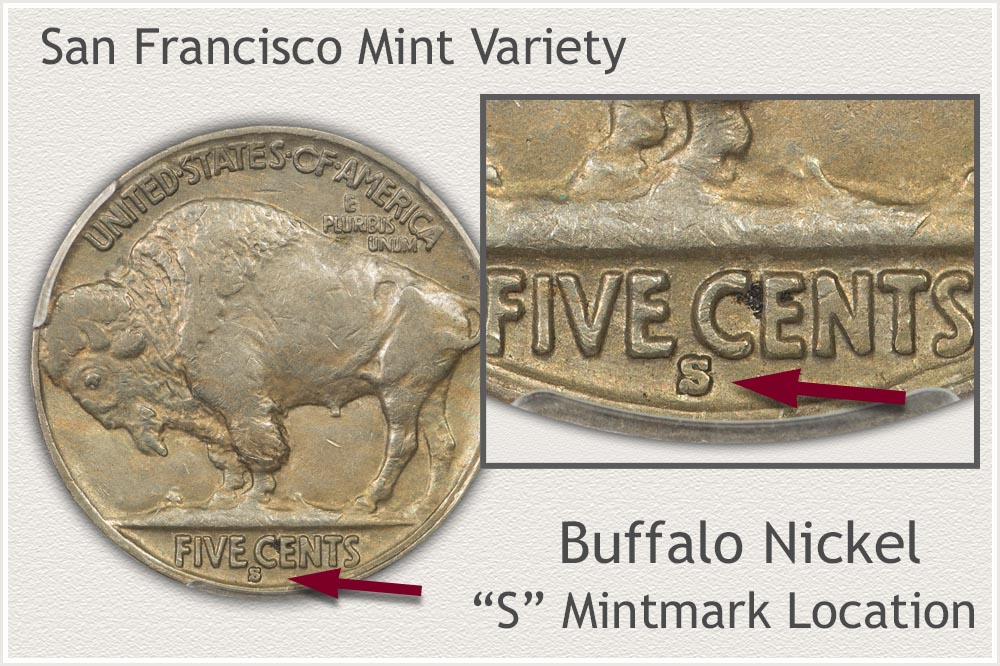 (fig. 4) Locate and Identify the S Mintmark on Reverse of a Buffalo Nickel
The San Francisco mint struck an above average 6.9 million nickels in 1928. This high mintage helps place the rarity of the coin in the Abundant category. However, the value chart shows a significant change in rarity depending on the coin's condition. Any example with ample detail rises above the common status into a higher premium range.
With condition of the coin having a large influence on its final value, see the grading section just below. Confirm the "S" mintmark on the reverse and find a condition match comparing to the grading images.
"D" Mintmark Nickel
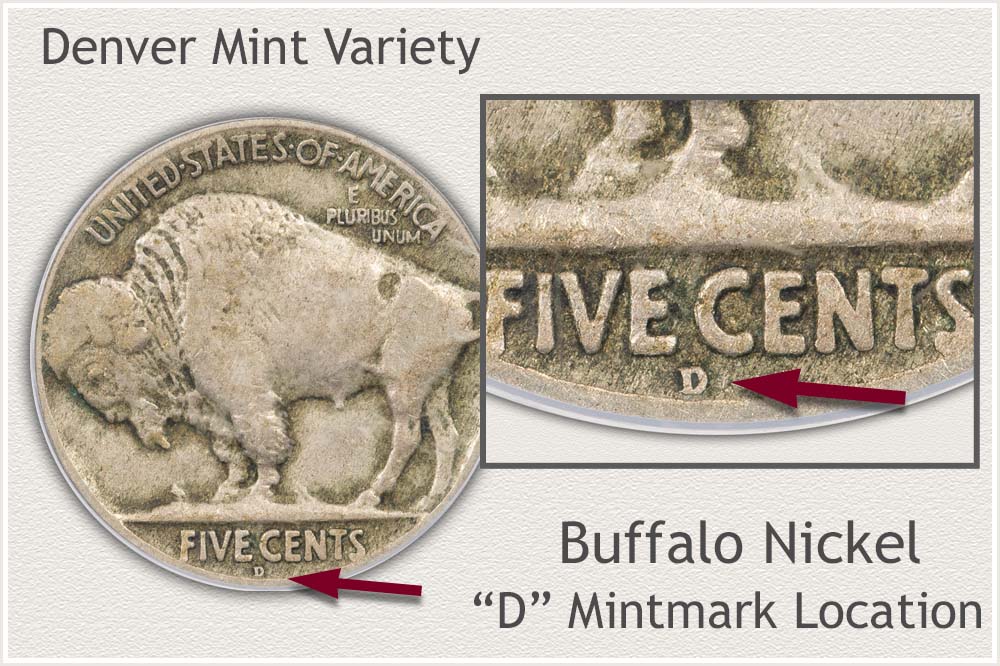 (fig. 5) Examine and Confirm the D Mintmark on a Buffalo Nickel
The Denver mint used a "D" mark identifying its production of 6.4 million nickels in 1928. Confirm the mintmark on the reverse below the F and C of FIVE CENTS.
Despite the below average mintage number, circulated examples of the coin remain affordable. Its overall mintage ranking within the entire series indicates a scarce issue. The Buffalo nickel series has sixty-four different date and mint combinations. The 1928-D nickel ranks in the lower third of mintage totals. Here is a coin with an infrequent appearance on the market.
A pleasing example of the coin enjoys solid demand. Examine its condition closely in the next step.
"No" Mintmark Nickel
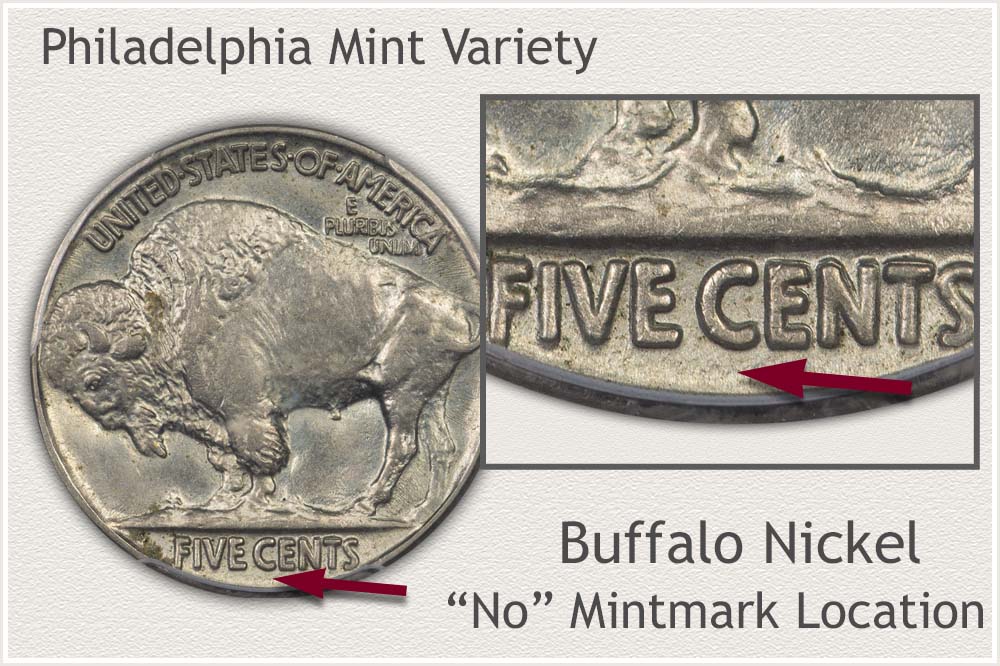 (fig. 6) Location on Reverse to Identify the No Mintmark 1928 Buffalo Nickel
Historically, the Philadelphia Mint became the main U.S. mint. In 1928 part of its role included production of nickel coinage and providing dies for the branch mints to use. With these responsibilities, the mint also typically leads in the number of coins produced per year. 1928 continued the high production trend, with the Philadelphia mint striking 23.4 million Buffalo nickels.
With an ample number of nickels supplied to commence, today a Philadelphia 1928 nickel's scarcity ranks as available. However, this abundant ranking applies to the lower condition examples. Those pieces in higher quality, Extremely Fine grade or nicer, show a high premium on value charts. The coin market and collectors consider a quality 1928 Philadelphia nickel a challenge to find. Grading condition now becomes an important factor. See the next step to accurately place a value on your coin.
Showing an extended range of premiums listed on value charts, grading condition has a key role when examining these old nickels. Apply the comparison method of matching the surface quality of your coin with the example grading images.
Step 2: | Grade Condition and Identify Quality
A high quality condition Buffalo nickel has a distinct appearance. An inspection process judges the different visible details of the coin into a "grade." As noted on the value chart, this grade determines an important part of your coin's full description.
Compare overall surface quality and find a close match with the images of graded coins. Further inspect the key features described within the description of the grade. Highlighted areas represent levels of detail required. When your coin matches these standards, it qualifies within the grade.
Mint State Grade
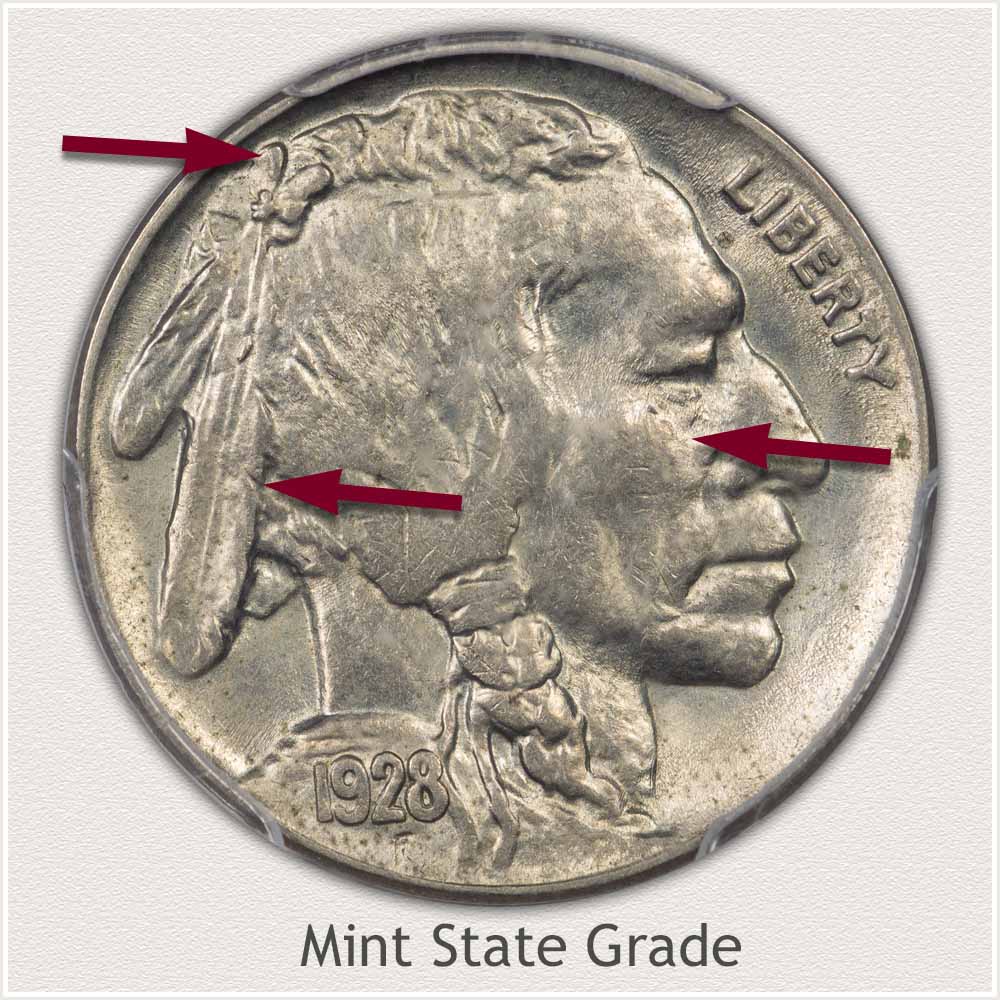 (fig. 7) Compare to the Features Highlighted on the Mint State Grade 1928 Buffalo Nickel
Mint State grade Buffalo nickels show no signs of wear on their surface. This "no wear" standard defines the grade. Judging high points of the design and small features determines if the coin has any reduction in its surface quality.
Mint State nickels project a certain brilliance. When minted, a fine texture covers the surface due to the striking process. Light reflects off the surface with a brilliance as the coin is rotated. The bands of shine follow the light. Any wear removes the fine grain texture, lowering the shine and leaving a smooth texture. This different texture of worn versus intact surface quality shows in specific grading points on the coin.
Begin at the top of the Indian's head. Examine the example where the luster covers the high contours of hair. Both above and below the part line, a similar quality appears on each. A slight natural toning of the metal appears over the original surface. This is typical of the Mint State condition.
The Indian's cheek is a second area to inspect for evidence of wear. Its high relief and contour surface shows no smoothness in the metal surface. When rotating the coin under a light, the brilliance of luster shines through the soft tan toning. If worn, the surface does not shine but appears as a glossy or dull reflection. Compare the brilliance of the high cheek areas with lower relief areas. In Mint State condition both show similar qualities.
Feather details provide another comparison area. A similar shine and texture cover the high edges of both feathers. The inner areas of the feathers also appear with a similar look of brilliance. Inspect the highest edges of the feathers, helping identify any signs of worn, smooth metal.
Three high profile areas without signs of wear indicate a candidate for the "no wear" level of condition.
Extremely Fine Grade
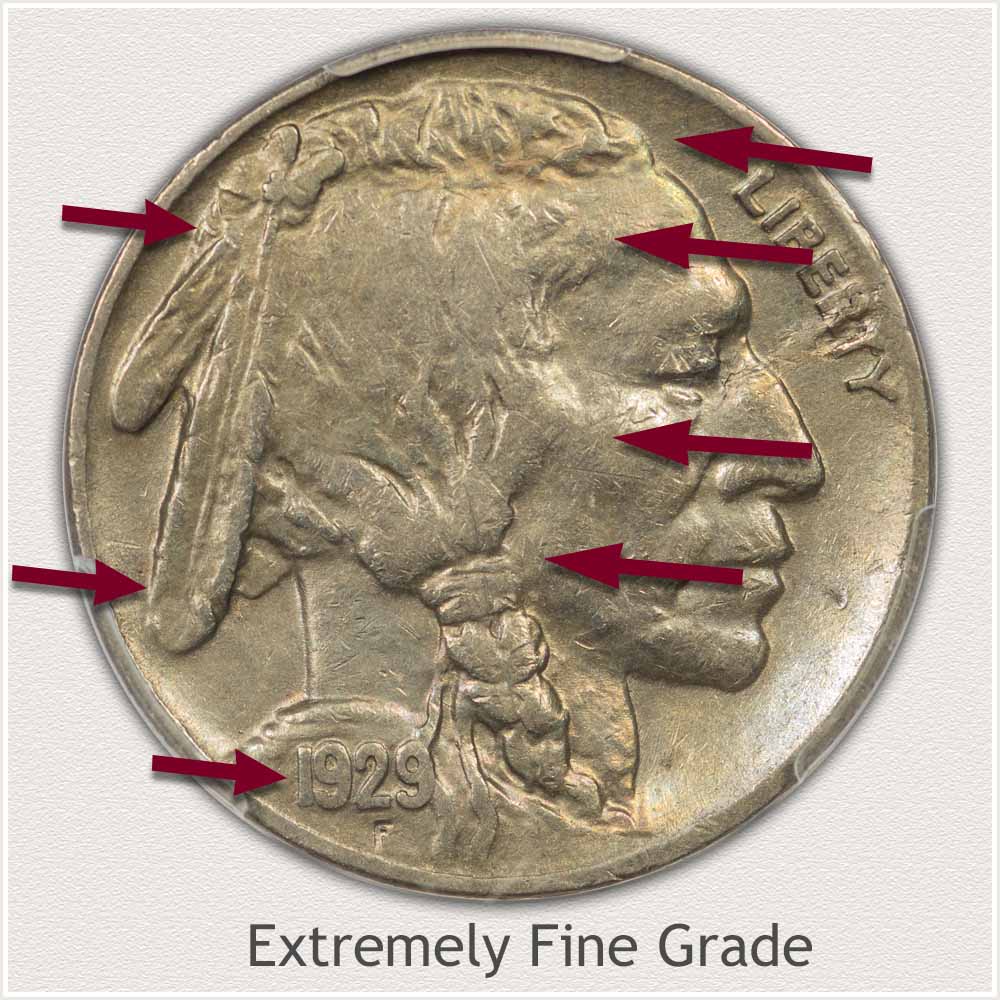 (fig. 8) Use the Highlighted Features to Identify an Extremely Fine Grade Buffalo Nickel
Quality and depth of design across the surface give the impression of only light wear and minor loss of sharpness. This defines the look of a collectible Extremely Fine grade Buffalo nickel. On the professionally graded example (fig. 8), three areas highlight features used to confirm the light wear status.
Scan the Indian's hairline where it meets the face. The hair rises above the facial features. This forms a distinct separation along the forehead, temple, and cheek. This separation continues to the braid. Recognize wear on high points by evidence of smoothing and flattening of the metal. At this grade there is no blending of hair contours with facial contours.
The largest feather at the back of his head displays important grading features. First, its defining edge remains where it meets the hair. A raised center runs the full length of the feather with both sides defined. Thirdly, the left edge of the feather does not blend with the smaller feather. Examine the example closely. Evidence of wear flattens the high profile edges without any blending with surrounding elements.
Condition of the date also shows slight wear. Sitting on a high point of the design, the tops of the numbers are clearly smoothed with a flat surface. These numbers were once rounded at their high points. However, remaining well raised from the background, they show only a small amount of wear. A Buffalo nickel in Extremely Fine condition gives a crisp overall impression. Compare these features to your coin. With a close match, the coin is within grade range.
Fine Grade
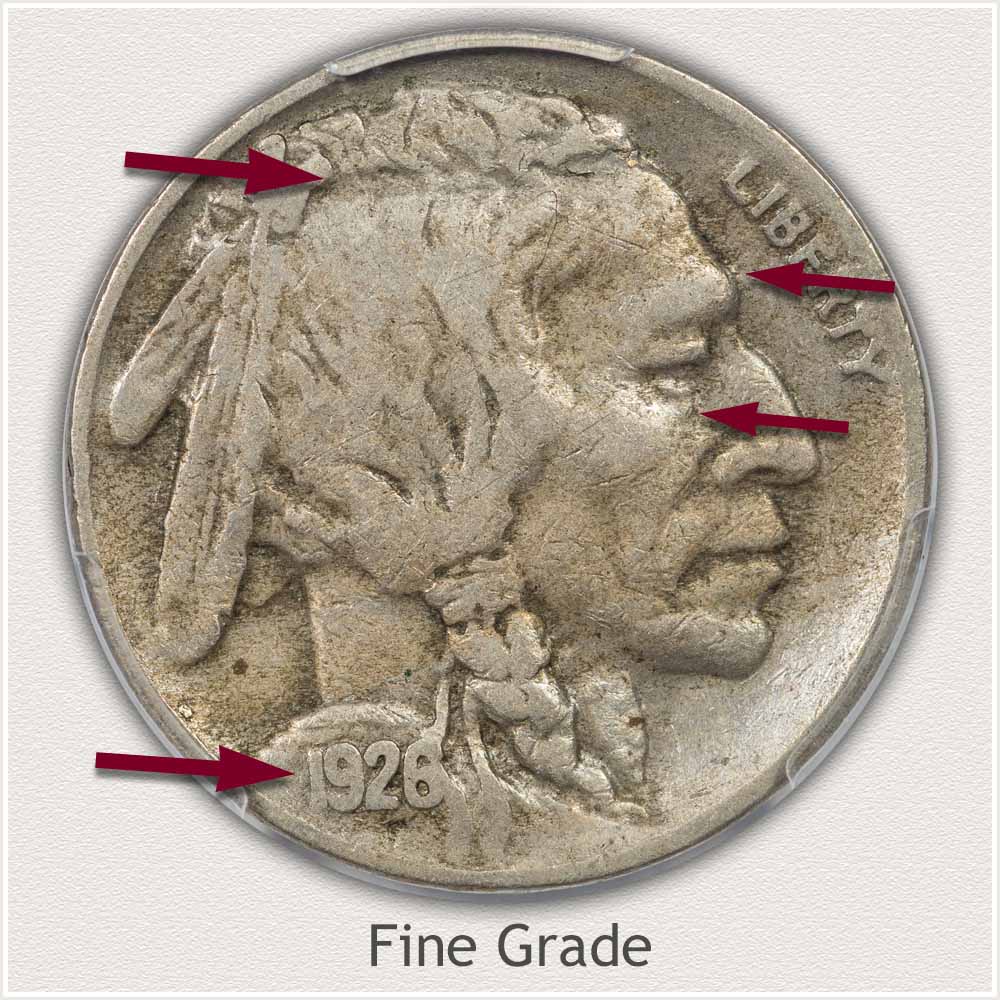 (fig. 9) Compare Condition of Highlighted Features to Recognize the Fine Grade Buffalo Nickel
Buffalo nickels within the Fine grade range begin to show a distinct, detailed appearance. Design elements appear with full outlines and high contours. Any flatness due to wear remains confined to isolated areas not connecting to each other. Evidence of wear separated by fine detail defines the grade.
The example (fig. 9) shows the contrast of fine detail compared to flattened surfaces on a moderately worn nickel. Inspect the three focal points, noting the distinct visual detail remaining.
Hair detail stands out on the graded example. Above the part line, deep recesses separate high contour hair strands. Below the part line, many hair strands remain visible. In both areas, wear flattens contours into a level surface without extensive merging.
The date is another area of worn and flattened metal without losing important details. Each digit of the date shows a complete outline except for the slight merging of the last number. Despite the amount of wear, the date gives a bold appearance.
On a Fine grade nickel, the Indian's facial features remain bold. Compare your coin to the areas of the eyebrow and cheek. A moderate amount of wear flattens the tops of contours, leaving both distinctly raised. The eyebrow and cheek both remain high above the lower surrounding areas.
Overall, ample detail is the impression of this collectible coin. Matching at least two of the three visual qualities indicates a condition within the Fine grade range.
Good Grade
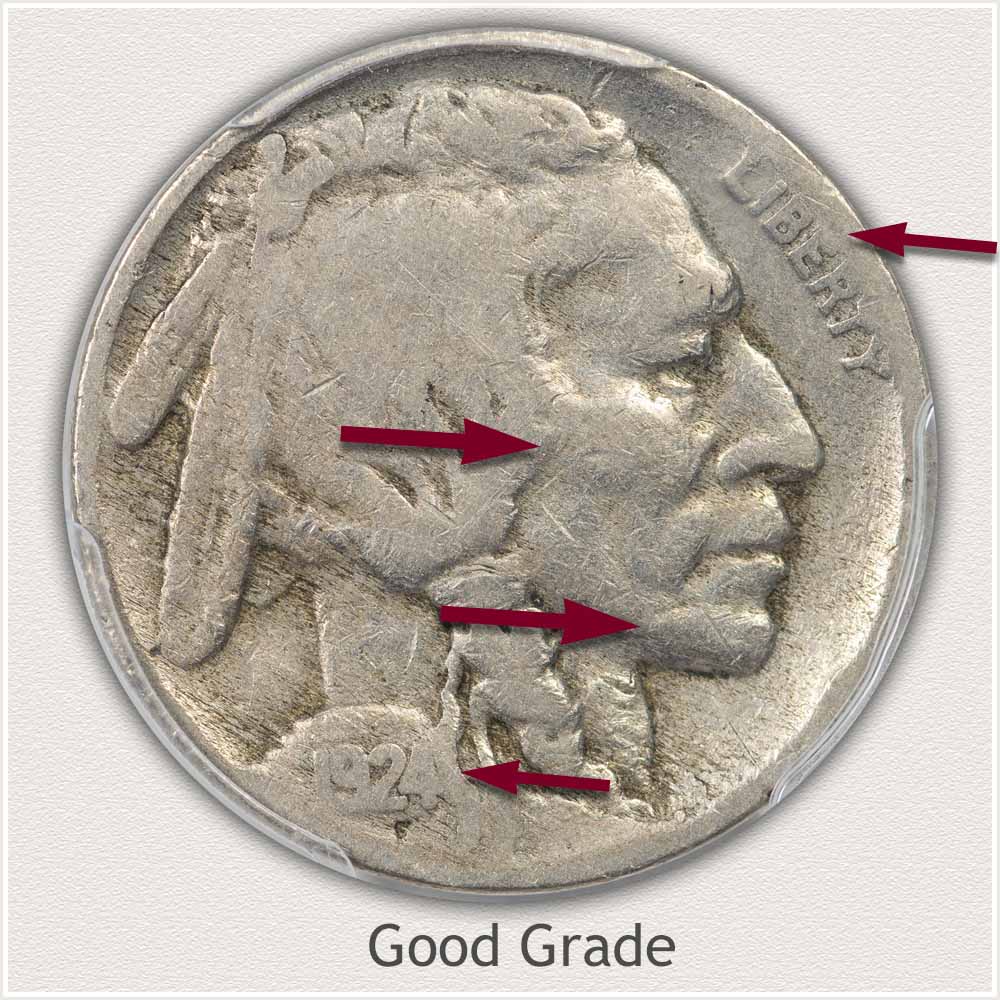 (fig. 10) Highlighted Features Help Identify a Good Grade Buffalo Nickel
First impressions become important when deciding on the grade of a Buffalo nickel. Within the Good grade range, a typical pattern of heavy wear appears alongside strong contours. Flattened, worn metal covers most of the portrait's hair. However, many contours remain within his face. With this impression of heavy wear, look for a few specific details within the hair and face, lettering, and date, helping confirm the grade.
Start the examination with the Indian's cheek, noting it remains raised above a low contour leading to the jawline. The image displays this feature of a prominent cheek and raised jawline contour. Contrast the detail of his face with the flatness of hair detail. The small amount of hair strands places the condition in the Good grade range.
Lettering of LIBERTY and the date show a similar pattern of heavy wear. Both letters and date appear flattened and faded along their edges. Importantly, each remains recognizable. Often the date is incomplete; the example nickel with a clear date gives the coin a boost of eye appeal. Note how LIBERTY connects with the rim along the tops of letters. A faded rim and connecting letters place the condition in the Good grade condition.
Heavy wear across most of the surface with a few positive and clear features defines the grade. Overall a collectible Buffalo nickel.
How to Video: Grading Buffalo Nickels
further examine the condition of your coin's surface quality. Value charts note a steep rise as more details remain visible. Compare closely the strong facial features of the Indian with images to help accurately grade these coins.
Grading Buffalo Nickels | Visual Grading Guides
Step 3: | Special Qualities: Four Features Adding Value
Four Features that Double or More the Value of a 1928 Nickel
Being part of the 1920s decade is a strong attraction of the 1928 nickel. A first important collector appeal feature. This coin is now very old and from the middle of the Buffalo series. Its popularity follows the early teen year nickels and their scarcity. Also, they enjoy a scarcity factor higher than nickels from the 1930s. Collector attention is drawn to these 1928 nickels. Historical importance provides a solid base to value.
Additionally, a few easily recognized visual qualities add significant premiums to how much they are worth. Overall positive eye appeal of the coin quickly separates an above average from an average Buffalo nickel.
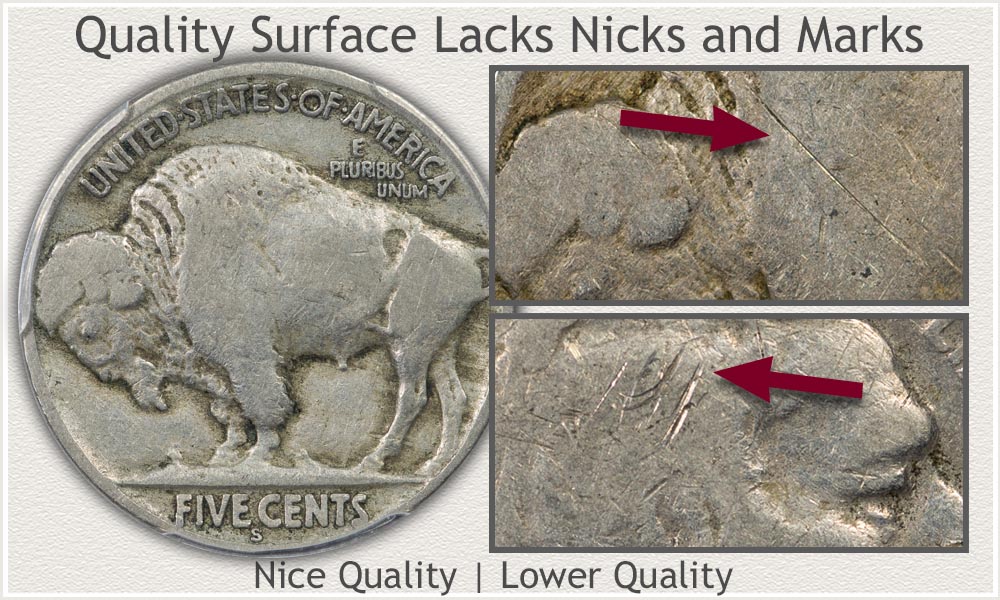 (fig. 11) Buffalo Nickel Quality Surface Lacking Nicks and Marks
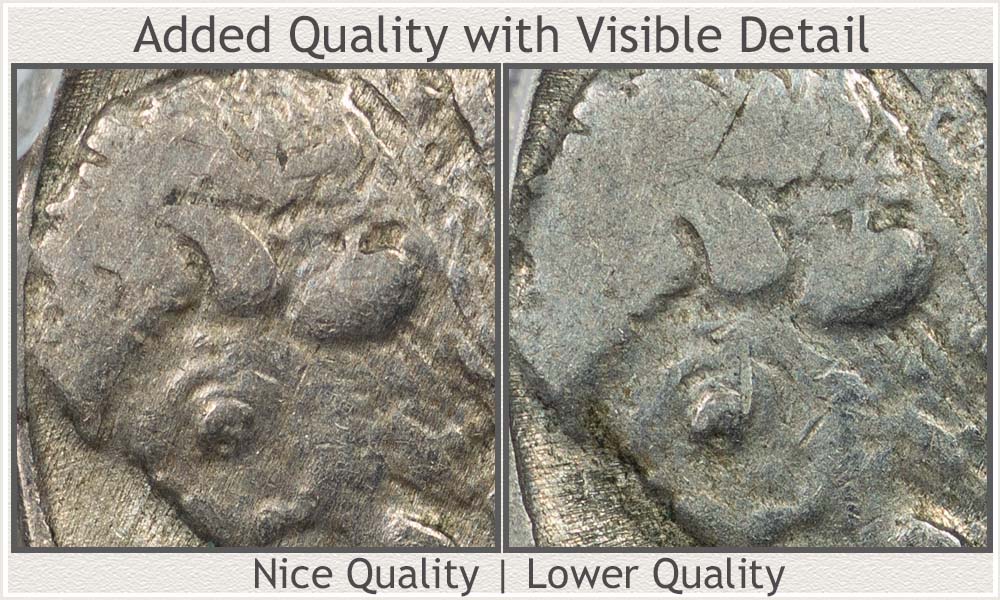 (fig. 12) Compare and Recognize the Detail Remaining on the Buffalo's Head
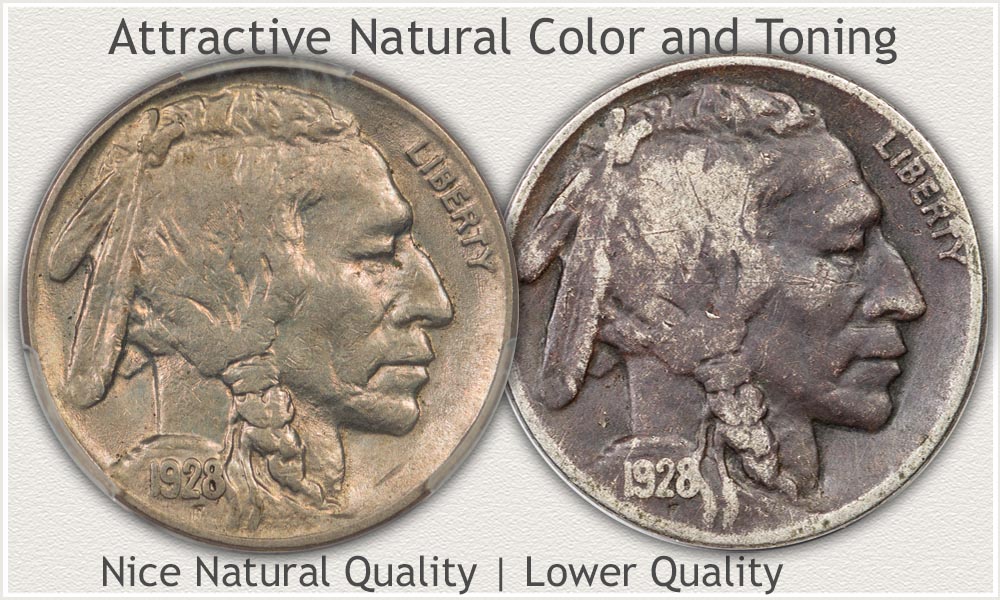 (fig. 13) High and Low Surface Quality 1928 Buffalo Nickels
The above image (fig. 13) contrasts a visual difference between two coins. The pleasing example projects an original surface in high quality condition. A very dark surface on the right-side coin has suffered deterioration, likely due to a corrosive chemical. Any coin with unnatural color becomes lower quality and less desirable. Eye appeal has a strong impact when comparing to the two examples.
A 1928 nickel comes with its historical importance. Rate the visual features on your coin starting with a lack of distracting marks. Give a positive rating to added detail and overall natural surface tone and color when eye appealing. These three "collector quality" ratings add a significant base to the coin's desirability.
Completing the steps above defines the coin into an accurate description. This narrows its value range and determines its place on the chart.
References
U.S. Mint. 1929 U.S. Mint Annual Report
https://nnp.wustl.edu/library/book/331
U.S. Mint. Catalogue of Coins of the United States.
https://nnp.wustl.edu/library/book/554591
🔎What's next: Review the articles helping decide how to Value, their Demand and Popularity, and Record important details about your Buffalo nickels.
Coin Values | CoinStudy Articles
Date by Date
In Depth Buffalo Nickel Value
1913 to 1938
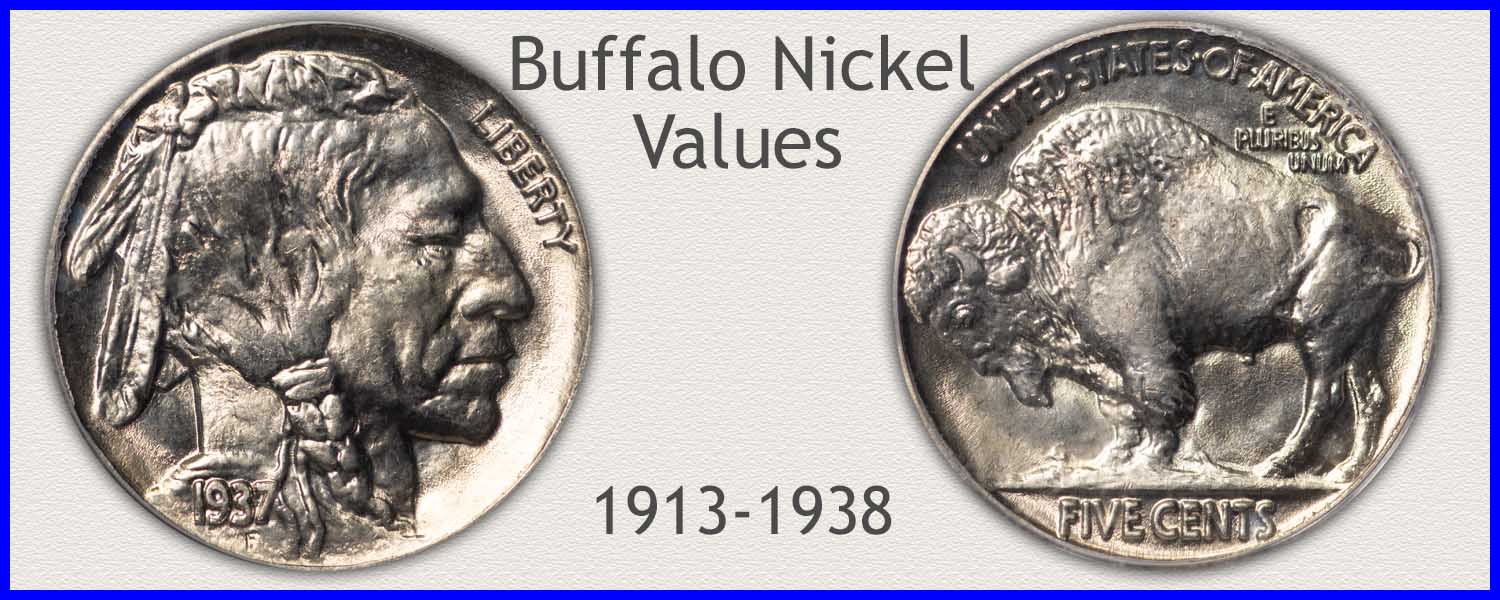
Buffalo Nickel Value | Chart Plus - Steps to Identify Each Coin
Review the complete value chart. Find dates and mints listed, each valued by different condition levels. Interest in Buffalo nickels by collectors and the market support premium worth. With a step-by-step process, recognize how much all Buffalo nickels are worth.
Popular Coin Series | Solid Value Buffalo Nickels
With a swing in popularity, collecting Buffalo Nickels has upward potential. Charts illustrate popularity rankings of coin collections using registry set data. The dollar series; Morgan, Peace, and Presidential dollar sets are among the favorites today. The Buffalo nickel series is an area of collecting with overall scarcity and potential.
Print the Coin Values Worksheet
Record important data and comments for each coin. Compile descriptions and value while maintaining a written copy of the complete collection of your coins.
Safe Coin Storage | Recommendations
Storing your coins correctly preserves value. Single high value coins need protection from elements in the air and contact with their surface. Large quantities of coins are conveniently housed in special holders. Safe methods are explored.
★Coin Values Discovery... finds 1928 nickel value and...
Value charts in combination with grading images to judge condition discovers how much your old coins are worth. Get the best price if selling by knowing the accurate value of your coins.