Coin Values Moving with Precious Metals: Up-Dated 9/14/2026: Gold $4326 | Silver $63.61
1920 Nickel Value
An accurate description of the coin determines 1920 nickel value. This description combines the date, often semi-clear, a possible mintmark and condition. With a defined step-by-step process start with a comparison of your coin to images. These comparisons confirm the date, mint, and also grade the condition of your coin. Using these facts highlights a narrow range on the value chart.
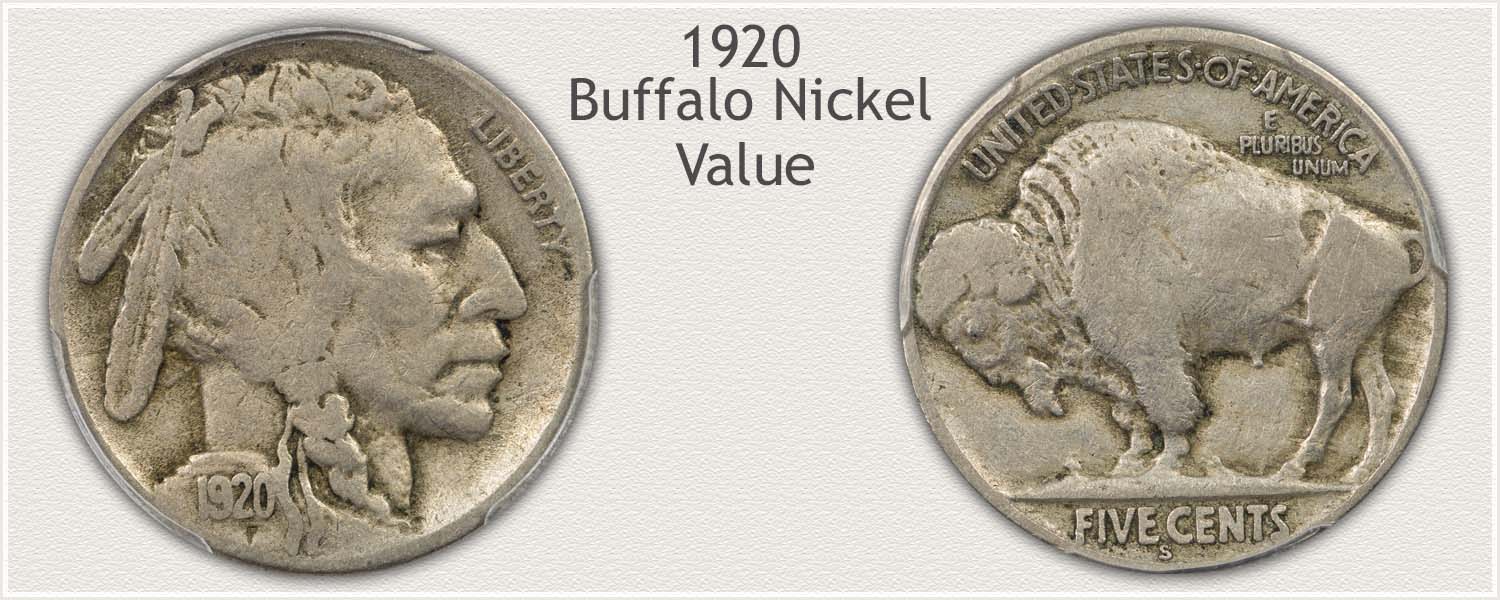 (fig. 1) Using Obverse and Reverse Views Identify a 1920 Buffalo Nickel
| 1920 Nickel Value | ||||
|---|---|---|---|---|
| Condition of Coin | ||||
| Date | Good | Fine | Extremely Fine |
Mint State |
| 1920 Nickel Value Updated | 2026 | |||
| 1920 | $1.28 | $2.93 | $11 | $91 |
| 1920 D | $5.31 | $33 | $180 | $527 |
| 1920 S | $4 | $18 | $157 | $517 |
The above are wholesale coin values. Computed from dealer's price lists with various markup factors figured in. Variations in value do occur subject to subtle grading points. Also, collector demands and dealer needs determine its final worth.
Steps Leading to Value:
- Step 1: Date and Mint Variety Identified: Confirm the date and mint issue; adding to the coin's complete description.
- Step 2: Grading Condition: Now begin to examine the condition of coin. Its "grade" narrows the listing on the value chart.
- Step 3: Special Qualities: Why 1920 nickels create demand and support solid market values.
Step 1: | The Important Date and Mint Combinations
1920 was a high production year within the Buffalo nickel series. However, most of these were struck at the Philadelphia mint. It is the branch mints, Denver and San Francisco, showing higher premium values. Recognizing the differences is key.
Find the date at the lower part of the design on the Indian's shoulder. Even if the coin shows extensive wear, a close inspection often confirms the date. An accurate date becomes the first important fact about the coin.
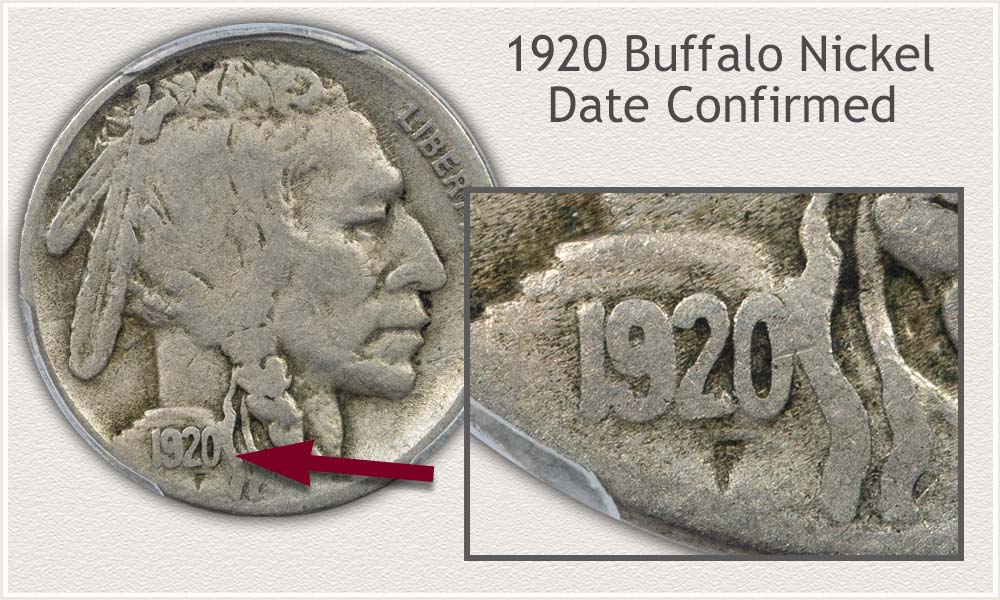 (fig. 2) Locate and Record the Date of the Buffalo Nickel
How to Recognize the Partial Date 1920 Buffalo Nickel
Dealing with the fading effects of wear is one of the difficulties within the Buffalo nickels series. Additionally, because of the early year's popularity, many collectors seek an example from the decade. Inspect these semi-clear dates closely. A few small details separate the "20" digits from closely similar numbers.
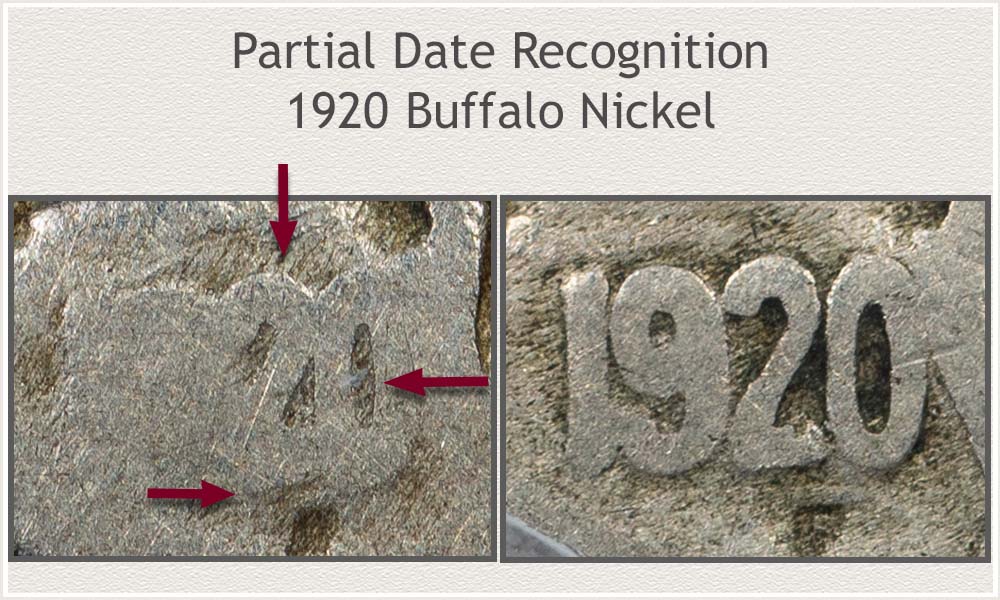 (fig. 3) Match the Key Indicators Identifying a Partial Date 1920 Buffalo Nickel
Determining the full date on a 1920 nickel requires confirming distinct features. A partial date often shows only the last two numbers. With heavy wear, the "19" fades to a smooth surface. This missing "19" shows in the illustration.
Recognizing the faded "20" digits of the date. Note the "0" fades on its right side. However, an inner oval remains distinctive and complete. Secondly, confirming there is a clear triangle shape between the "2" and "0." A rounded top of the "2" and the clear straight bottom of the "2" are also key markers.
Cast a strong single light across the surface of the coin. While holding by the edges, tilt the coin towards the light, lowering the angle. This combination of viewing techniques, light source, and viewing angle gives the best chance of seeing the remaining numerals.
Mintmarks of the 1920 Nickels
Buffalo nickels in 1920 were produced at three locations. The Philadelphia Mint and branch mints located in Denver and San Francisco. Importantly, branch mints used mintmarks to identify their production. Along with a coin's date, the mint striking the nickel is part of its description. Three mints striking nickels created the three distinct varieties of the year.
These mintmarks are a small letter "S" for San Francisco and a "D" for the Denver mint. Inspect the reverse of the coin under the bison. Along the rim find either an "S" or "D" indicating the branch mint. If the area shows no mark, Philadelphia minted the nickel.
The Premium "S" Mintmark Nickel
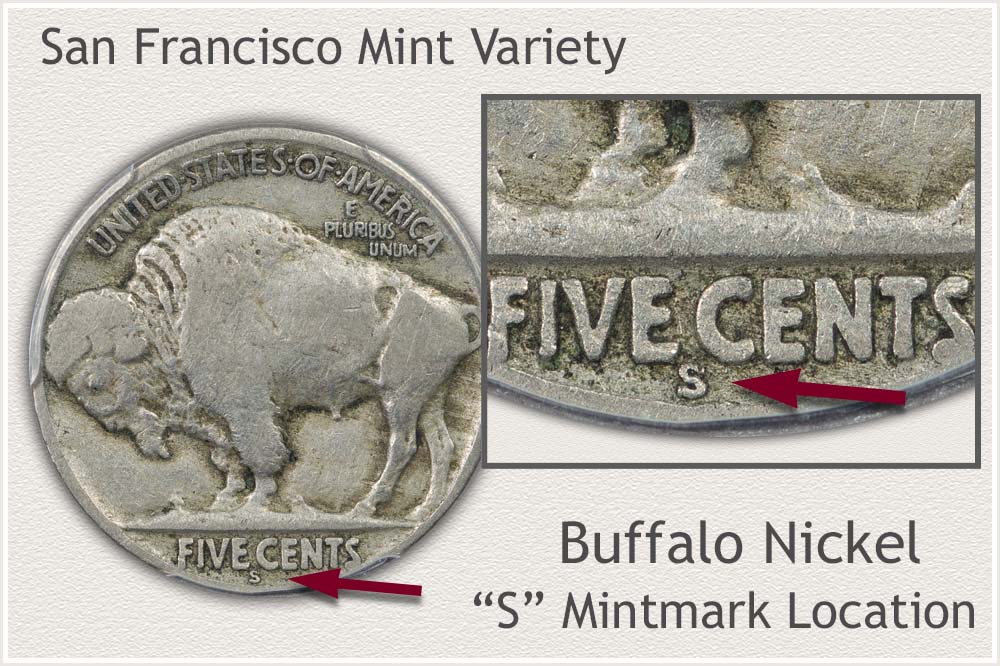 (fig. 4) Location of the S Mintmark on the San Francisco Mint Buffalo Nickel
Identifying the "S" mintmark on your coin finds a premium issue of the Buffalo series. Overall, nickels produced at the San Francisco mint ("S" mintmark) are known for their scarcity. 1920 nickels, with a total mintage of 9.6 million from San Francisco, are infrequently found. Values listed on the chart indicate nice examples require a premium within the market.
Consider any nickel from the 1920s as a collectible. These nickels stayed in circulation, and most encountered today have extensive wear across the surface. This is a coin to handle by the edges with care.
"D" Mintmark Nickel
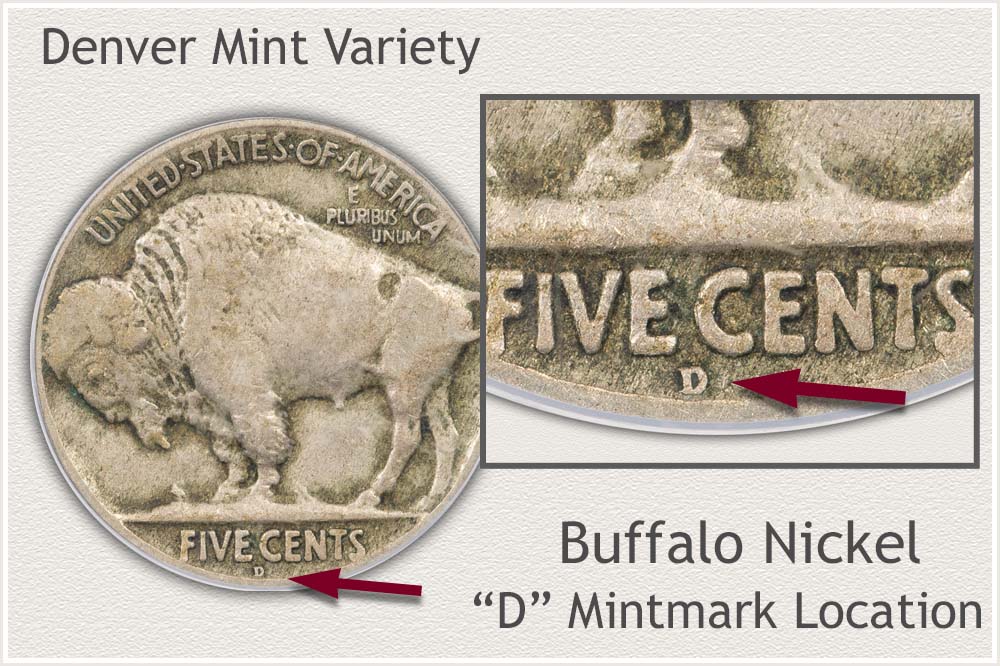 (fig. 5) Locate and Confirm the D Mintmark on a Buffalo Nickel
Denver produced what became a scarce variety: the 1920-D Buffalo nickel. This D mintmark issue for the year recorded a mintage of 9.4 million nickels, a respectable number for the Denver mint. By the end of the series, this ranks sixth highest of Denver's yearly totals. Today, however, most available are in heavily worn condition.
Examine this coin closely, condition separates the highly desirable and scarce examples. In above average condition, lettering of the motto and date appears clear and crisp. These are considered scarce and worth a high premium. Grading, in Step 2, helps judge condition.
"No" Mintmark Nickel
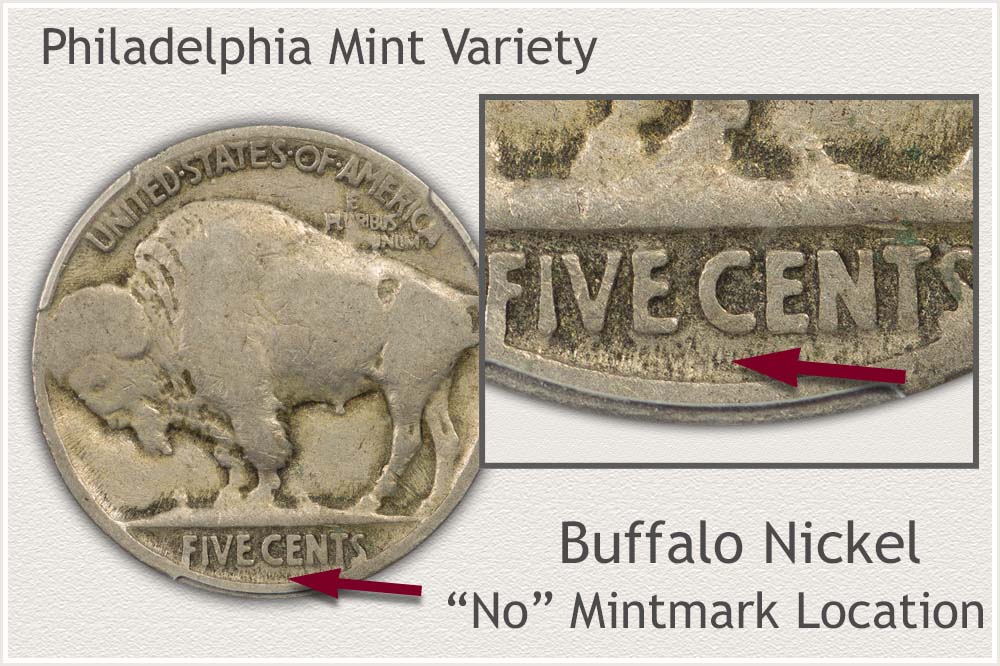 (fig. 6) No Mintmark in the Area Indicates the Philadelphia Mint 1920 Buffalo Nickel
In 1920 the Philadelphia Mint added another large number of nickels into circulation. With over 63 million struck, an abundant number remain in today's market. With most examples in lower quality, demand raises the premiums for higher quality coins. The chart indicates this demand with the values of higher graded pieces.
1920 nickels do enjoy a solid base of value. Many collectors assemble Buffalo nickels into a "Date" collection. These coin sets contain one example representing each production year of the series. As an affordable choice, a 1920 nickel minted at Philadelphia is sought by many starting collectors.
Notable on the chart, condition of a 1920 nickel becomes an important factor in value. Premiums rise quickly with nicer condition coins. After establishing both date and mint, continue with judging condition and narrow the wide value range.
Step 2: | Determine Grade Using a Defined Process
The next evaluation considers the overall condition of these 1920 nickels. Listed on the chart, "grade" refers to a term used in the coin hobby helping define the coin's condition. Variables in the amount of visible detail, when compared to standards, determine the different grades.
Use the illustrated, professionally graded examples to identify a close match with your coin. Add an inspection of key grading features and qualities visible on the coin's surface. Specific details, when visible, determine each of the grades. Referring to the grade descriptions highlights areas to inspect. Rating each feature determines a narrow grade range.
Mint State Grade
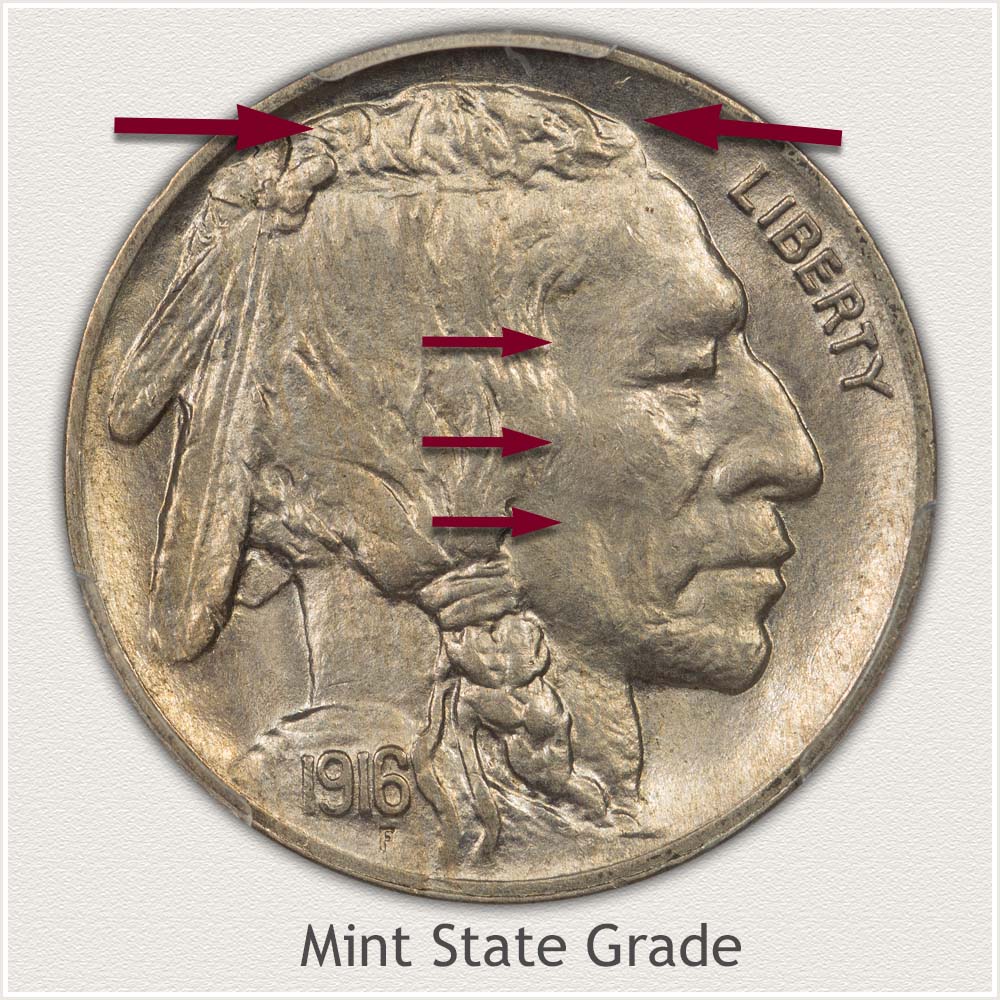 (fig. 7) Compare to the Image and Features Highlighted Identifying a Mint State Grade Buffalo Nickel
Use special care and specific lighting when examining a Buffalo nickel within or near the Mint State condition. No wear on the surface is the strict overriding rule deciding the Mint State grade. Confirming this quality requires examining small, subtle details with the best view possible. Using magnification and a single light source both contribute, giving an accurate view of a coin's condition. Notice on the example the reflective quality of the design matches the same quality of the lower fields of the coin. Brilliance and shine match in both areas.
Using the primary requirement of "no wear" as guidance, specific areas become key focal points. As a Buffalo nickel circulated, high relief elements of the Indian's hair and cheek quickly receive wear, changing their appearance. The grading process identifies differences in metal texture and brilliance between an original surface and a worn surface.
Begin an examine looking at the top area of the Indian's head. Above the part line, hair strands rise above deep recesses. Any wear concentrates along these top contours of hair. A loss of luster, the "brilliance" of the surface, indicates possible wear. When inspected closely, top contours remain with a shine and fine texture, indicating an original surface. Wear removes the original texture and gives it a smooth surface. Light reflects off a worn surface as a dull gloss versus a brilliant luster.
Indicating a Mint State surface, the Indian's cheek is the second grading area. Note in the illustration, the cheek shows both a nice textured surface and consistent shine. Examine the highest contours of the cheek. Compare the metal texture of high contours with lower relief areas above and below the cheek. Tilt your coin changing the lighting angle. This casts light over high points radiating into low points. A similar match of high and low areas indicates an unworn surface. Worn metal on high areas reflects light less brilliantly when compared to unworn lower areas. This technique of changing light angles also helps spot the different look of smooth worn metal across high areas.
Consistent shine without dull, smooth areas on high points is the overall appearance of the Mint State grade.
Extremely Fine Grade
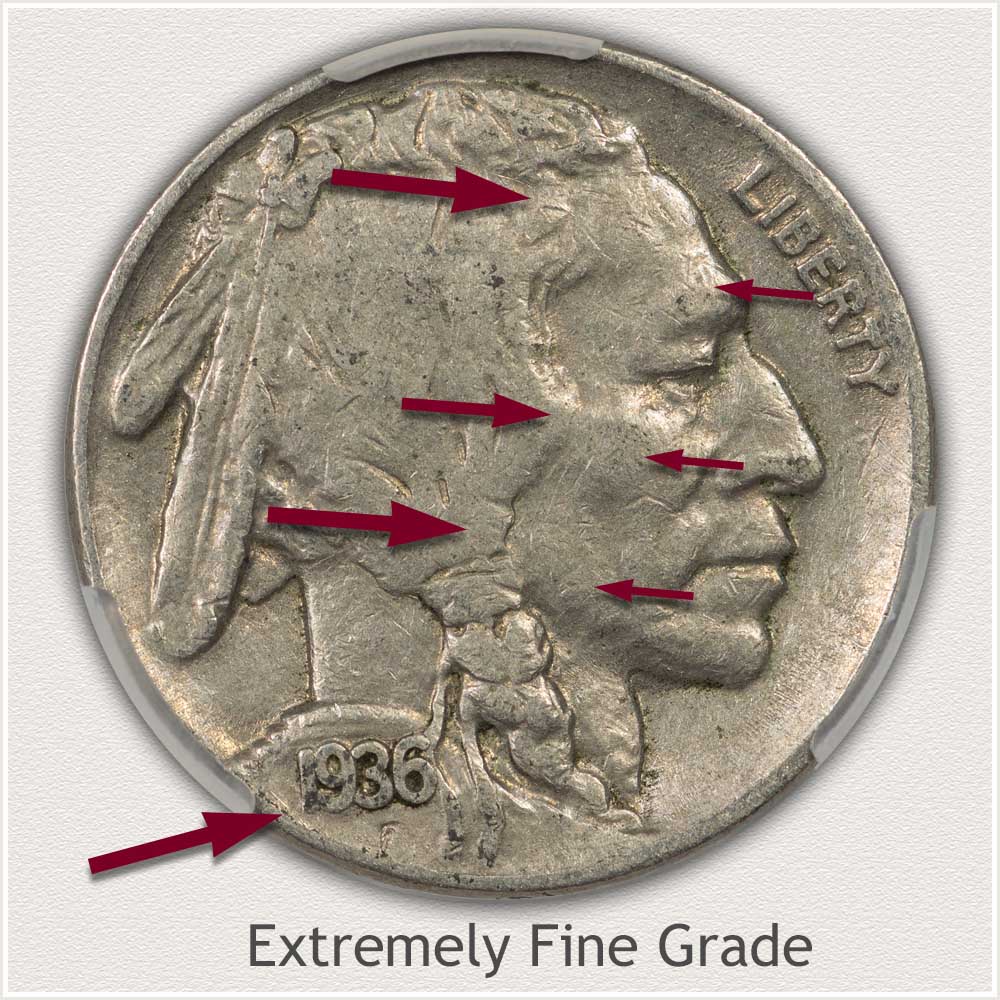 (fig. 8) Grading Focal Points on an Extremely Fine Grade Buffalo Nickel
Specific visual features decide the premium quality Extremely Fine grade 1920 Buffalo nickel. Overall, light wear restricted to high points defines this condition nickel. This general description has specific visual markers required to meet the grade level. An examine of the Indian's hair and facial features combined with subtle detail of the date gives insight into the coin's condition.
Compare your coin with the example (fig. 8), note the hairline where it meets the Indian's face. From the forehead at the top to the braid near the jaw, a raised contour defines the hairline. Examine a key area near the cheek; the hair and cheek often show only a subtle separation. The bolder the hair separation indicates a solid for the grade example.
Secondly, high facial contours of the Indian's face show complete separation from each other. A strong brow has a low contour between the top of the forehead. Also, the cheek under the eye and jawline are both raised above the lower area between. Confirm this lower area remains near the hairline.
Clarity of the date. Often the date appears somewhat faded on these older nickels. The result of a soft strike leaves number outlines weak. A fully complete outline of all numbers in the date indicates a high-quality condition. In Extremely Fine grade, light wear distracts only slightly from the bold appearance and quality of a Buffalo nickel.
Fine Grade
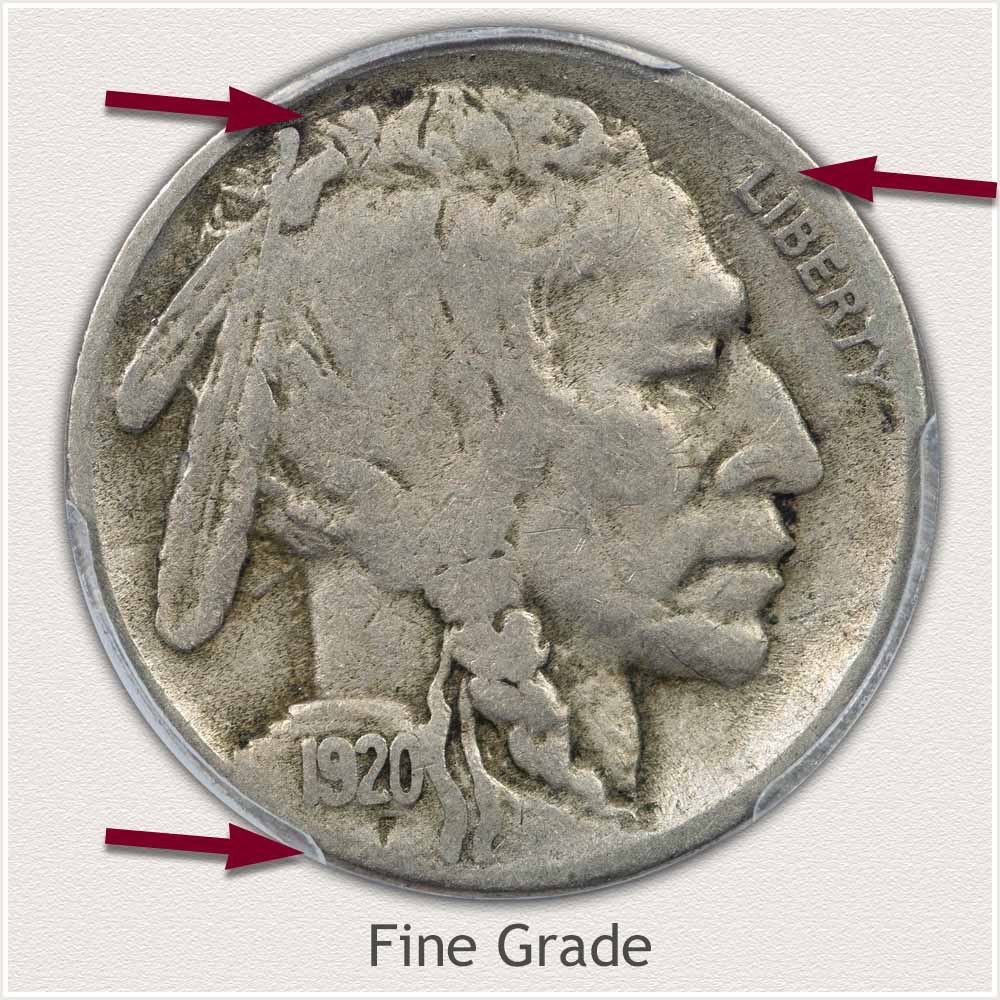 (fig. 9) Use the Highlighted Features to Judge the Fine Grade Condition Buffalo Nickel
Early era Buffalo nickels enjoy premium values when only moderately worn. This defines a coin with many details remaining visible among worn and smooth areas. It is the visible detail that determines the Fine grade. Inspect the date area, letters along the rim, and hair detail at the top of the head. These three features, when compared to the example Fine grade nickel, help visualize these finer points when grading.
Firstly, on the shoulder area of the Indian, the example image displays a clearly visible date (fig. 9). A "clear date" feature alone indicates higher condition, well above average for a 1920 nickel. A small area of the "0" merging and fading with the ribbon places the condition within the Fine grade. Details of the date, clear with minimal fading, both identify the grade and limit it to the Fine category. A close inspection of the date's condition quickly determines a grade range.
To help confirm a grade, next inspect the completeness of LIBERTY. These small letters, with heavy wear, fade at the top and begin to connect with the rim. With only moderate wear, the Fine grade, merging with the rim, is minor and limited to one or two letters at their tops. As a grading example, the image shows this subtle distinction of moderate wear.
A third feature helps support a grade conclusion. Along the top of the Indian's portrait remain many deep recesses defining his hair. Although hair detail below the part line shows few details, the very top remains defined. Grading condition in this area makes a judgment call. Looking closely in this top area, note the flat, smooth metal does not connect into wide areas. Raised hair contours are smooth only across the tops, leaving recesses between hair strands. The amount of subtle definition decides the condition. Overall, a Buffalo nickel in Fine condition presents a pleasing appearance.
Good Grade
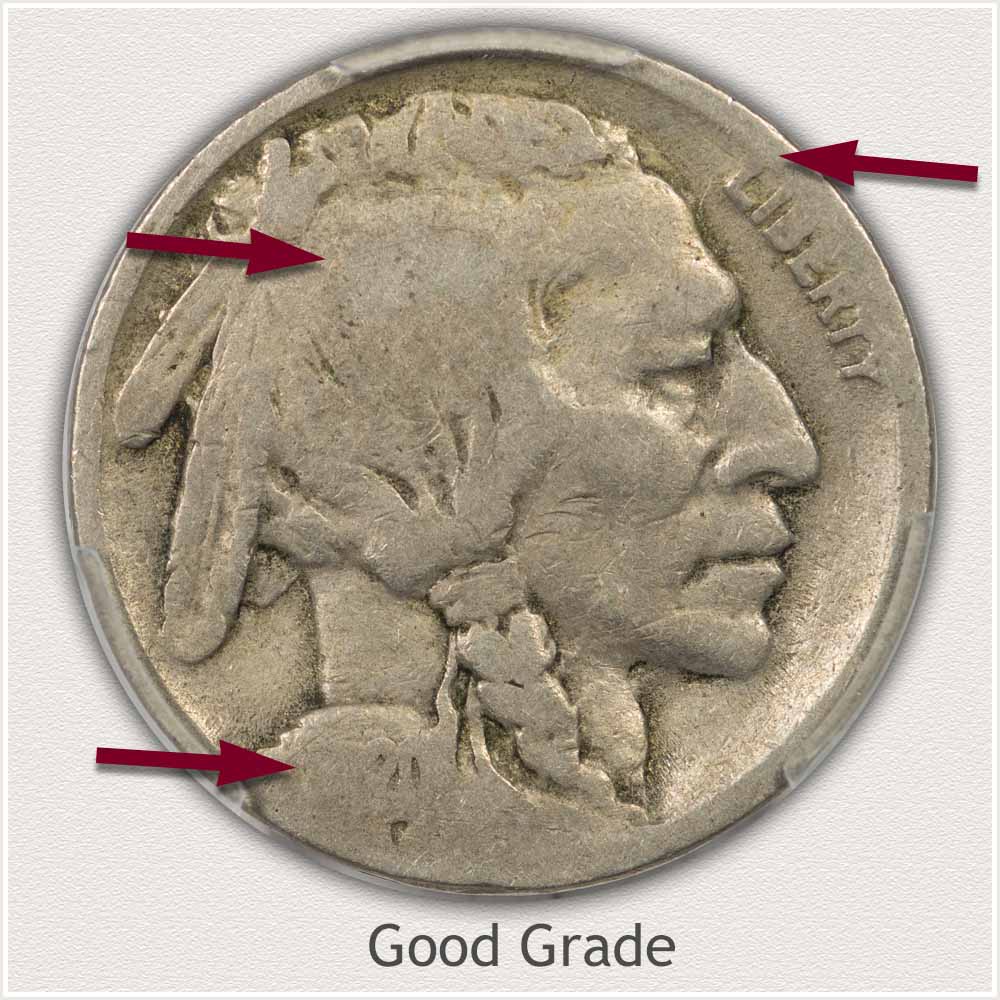 (fig. 10) Compare to Highlighted Features Indicating a Good Grade Buffalo Nickel
When a Buffalo nickel receives heavy wear, many areas of the design take on a faded appearance. Hair detail shows few details, and lettering begins to disappear. Small details missing and large areas of flat metal define the Good grade condition. Comparing your coin to highlighted features on the example begins to identify a close match. Importantly, notice the level of clarity as you compare these elements. Many fine details are close to fading completely.
Clarity of the date becomes a key indicator of the Good grade. Missing digits and partial numbers is often the condition found after heavy wear to the surface. Readability of the date becomes the largest factor. With the one and nine of the date missing and the two and zero partially visible, this coin's condition fits into the Good grade range. Judge your coin conservatively; avoid "seeing" obscure detail.
Also partially visible are the letters of LIBERTY. With their location very close to the rim, heavy wear lowers the rim into the tops of letters. On the example, this slight merging of the rim and letters involves only the tops of the letters. LIBERTY remains readable, a necessary requirement to meet the grade level.
A close match of the visible detail highlighted on the professionally graded example identifies the Good grade of your coin. Remaining detail of these elements places the condition within a popular collectible condition.
How to Video: Grading Buffalo Nickels
Quickly separate higher quality coins using additional images. With the comparison method, in-depth descriptions also give details of the quality required for each grade.
Grading Buffalo Nickels | Visual Grading Guides
Step 3: | Special Qualities: Availability Sparks Interest and Demand
As an overall market, collectors and dealers support values of Buffalo nickels. This series of vintage coinage creates an interest with collectors starting with its unique design. The bold Indian and Buffalo standout among the many different designs of U.S. coinage. Secondly, they remain affordable to all levels of collectors. Aesthetic appeal, range of values, and available coins combine to form a strong and active collecting base.
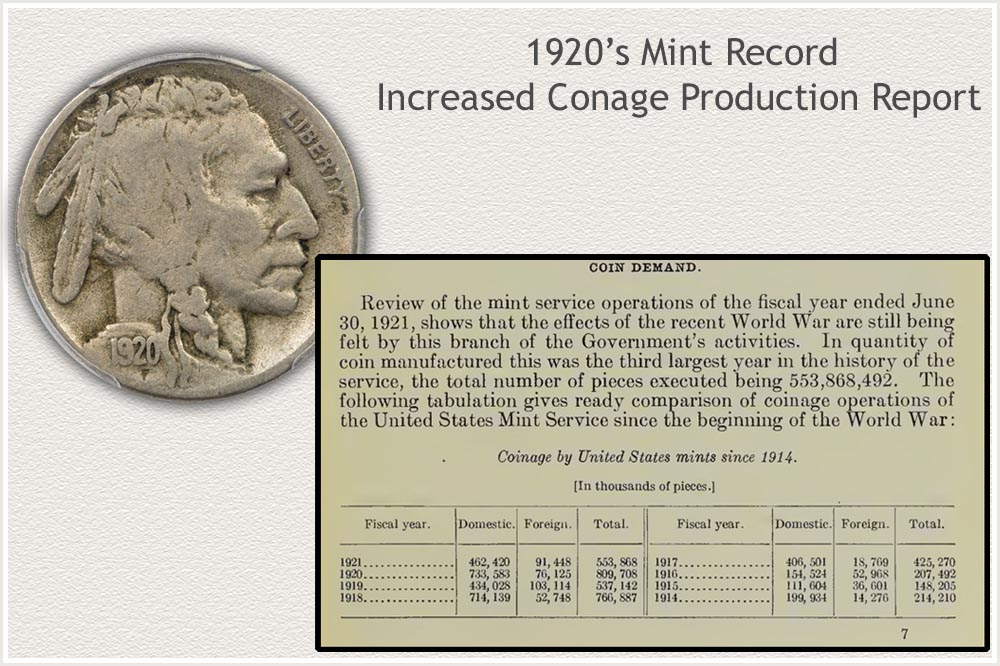 (fig. 11) Mint Record Insight into the 1920's Nickel Production
1920 nickels easily spark interest with collectors. Representing the 1920s, now a long time ago, this year of the series fortunately has a wide range of examples for collectors to choose from. Initial mintage numbers created ample supplies. 63 million coined in Philadelphia, and over 9 million each from the Denver and San Francisco mints.
New collectors enjoy the early years of the series. The 1920 Philadelphia issue is a nice start to a Buffalo nickel collection. In pleasing condition, they become an excellent entry coin. Adding the Denver and San Francisco varieties assembles a complete year collection. Continuing the collection, many collectors advance with the hobby. A 1920 nickel has now grown the overall market.
1920 Buffalo nickels are one of many years within the available and affordable range. A popular coin series creating and supporting the coin market and solid values.
References
U.S. Mint. 1921 U.S. Mint Annual Report
https://nnp.wustl.edu/library/book/514133
U.S. Mint. Catalogue of Coins of the United States.
https://nnp.wustl.edu/library/book/554591
🔎What's next: Review the articles helping decide how to Value this premium nickel, their Demand and important Selling details.
Coin Values | CoinStudy Articles
Date by Date
In Depth Buffalo Nickel Value
1913 to 1938
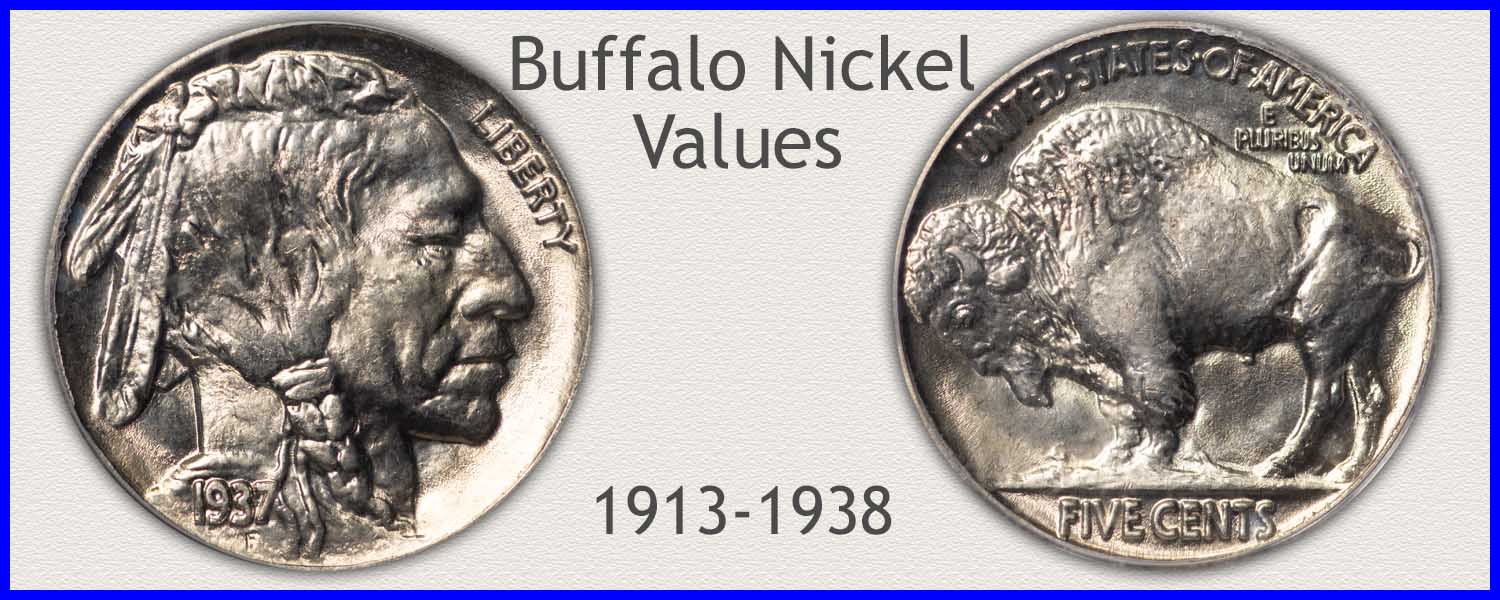
Buffalo Nickel Value | Listing the Series Date and Mint Combinations
Buffalo nickels: A popular coin series rising in value. Interestingly, worn coins without dates are worth a premium. Today, collectors closely examine Buffalo nickels. They search for special dates and quality condition pieces. Review the full value chart listing the date and mint combinations of the Buffalo nickel series. The step-by-step method gives insight into values.
Rare nickels, for example, ones with double mint marks, occasionally "hide" in your box of old coins. Interestingly, some are still found in circulation today. The reason is most require a magnifying glass to discover. In this case the smallest of details makes for a valuable coin.
Popular Coin Series | Solid Value Buffalo Nickels
With a swing in popularity, collecting Buffalo Nickels has upward potential. Charts illustrate popularity rankings of coin collections using registry set data. Dollar series, Morgan, Peace, and Presidential dollar sets are among the favorites today. The Buffalo nickel series is an area of collecting with overall scarcity and potential.
Selling Coins | How to Get the Best Value
Selling coins follows a defined method. Organize and research the value of the coin. Secondly, research for a dealer with an interest in the coin. Reference the selling guide and refer to listings of dealers to contact.
★Coin Values Discovery... finds 1920 nickel value and...
Value charts in combination with grading images to judge condition discovers how much your old coins are worth. Get the best price if selling by knowing the accurate value of your coins.