Coin Values Moving with Precious Metals: Up-Dated 10/26/2026: Gold $4013 | Silver $54.05
1937 Nickel Value | Identify Date, Mintmark, and Grade
Often dates on these old nickels appear faint and incomplete. A check and compare inspection confirms the date and begins the 1937 nickel value process. Starting with identifying the date and mintmark moves to grading condition of the coin. Match your coin with grading photos and establish a narrow condition range. These facts lead to a tight range found on the value chart.
This popular year of the Buffalo nickel series has the potential as a high premium collectible. When compared to most nickels, identify and determine the above average coin.
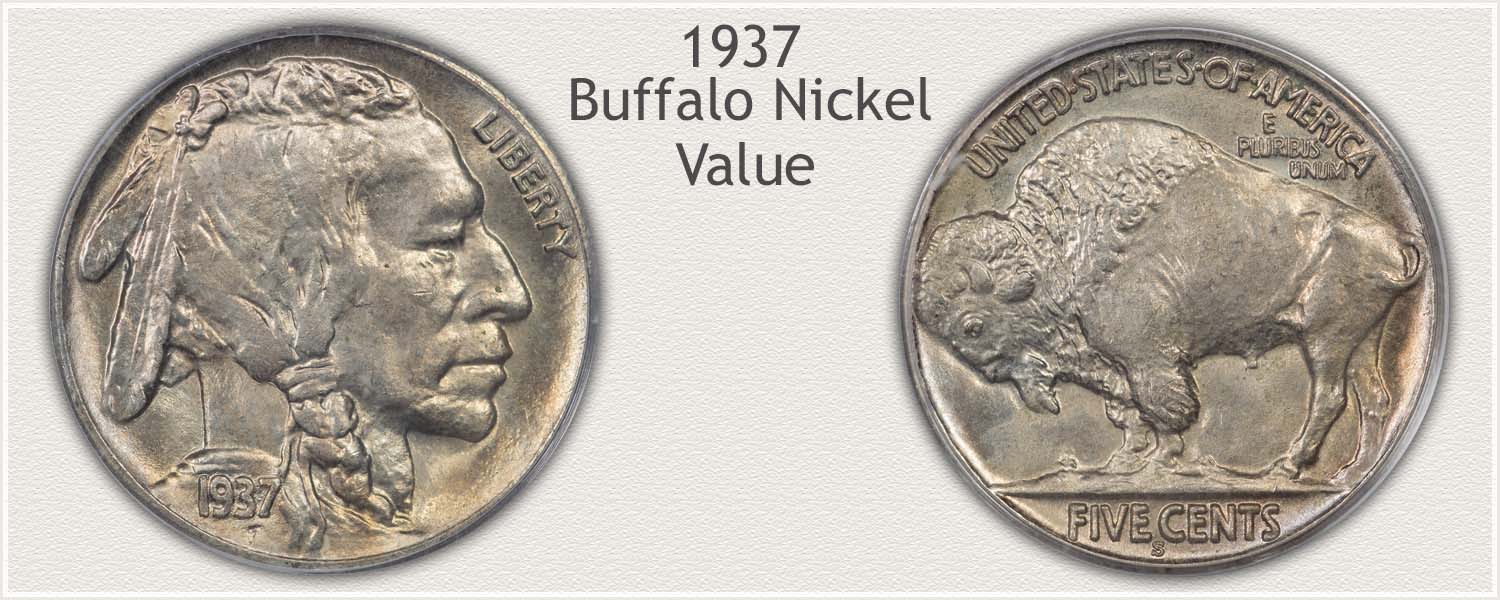 (fig. 1) Identify the 1937 Buffalo Nickel Starting the Value Process
Steps Leading to Value:
- Step 1: Date and Mint Variety Identified: Locating and correctly reading the date and mint variety confirms the first requirement in the value process.
- Step 2: Grading Condition: Determine the condition and grade of the coin and its appeal to the market.
- Step 3: Special Qualities: Subtle eye appealing qualities set certain coins apart from others. Recognize these features on a worn Buffalo nickel.
| 1937 Nickel Value | ||||
|---|---|---|---|---|
| Condition of Coin | ||||
| Date | Good | Fine | Extremely Fine |
Mint State |
| 1937 Nickel Value Updated | 2026 | |||
| 1937 | $1.27 | $1.78 | $2.97 | $20 |
| 1937 D | $1.16 | $1.56 | $3.27 | $25 |
| 1937 D 3 Leg | $319 | $404 | $707 | $1,966 |
| 1937 S | $1.22 | $1.66 | $3.97 | $23 |
The above are wholesale coin values. Computed from dealer's price lists with various markup factors figured in. Variations in value do occur subject to subtle grading points. Also, collector demands and dealer needs determine its final worth.
Step 1: | Confirm 1937 Date and Mintmark Variety
An abundant coinage year of the Buffalo series, 1937 nickels represent an excellent example of the series. Popular with new collectors, these remain affordable in high quality condition. The date of the coin, minted in high relief, is positioned on the Indian's shoulder.
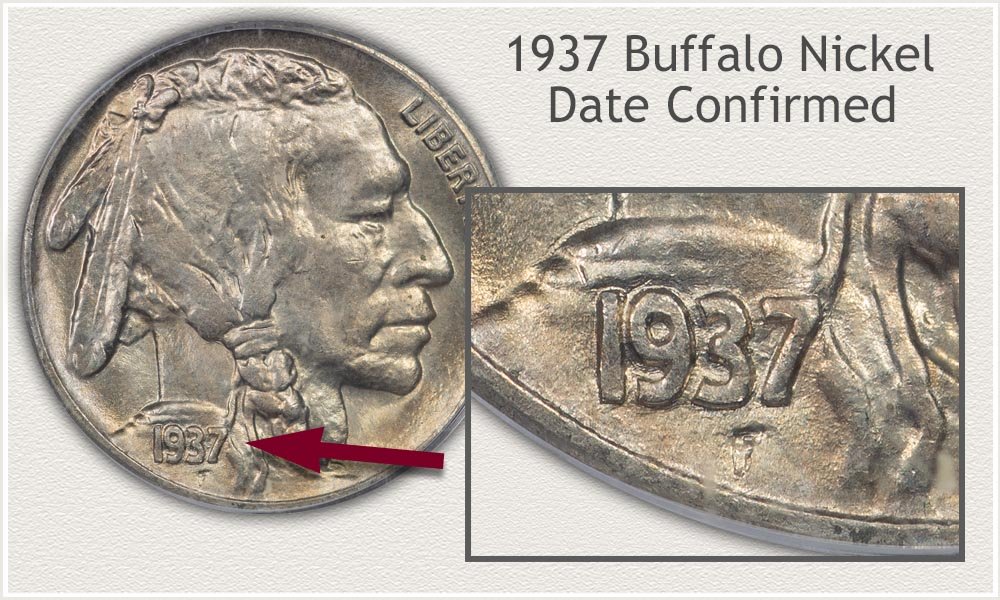 (fig. 2) Locate the Date on a 1937 Buffalo Nickel
How to Recognize a Partial Date 1937 Buffalo Nickel
As these Buffalo nickels circulated, the position and high profile of the date became a problem. This area is one of the first to lose definition, and the date quickly faded.
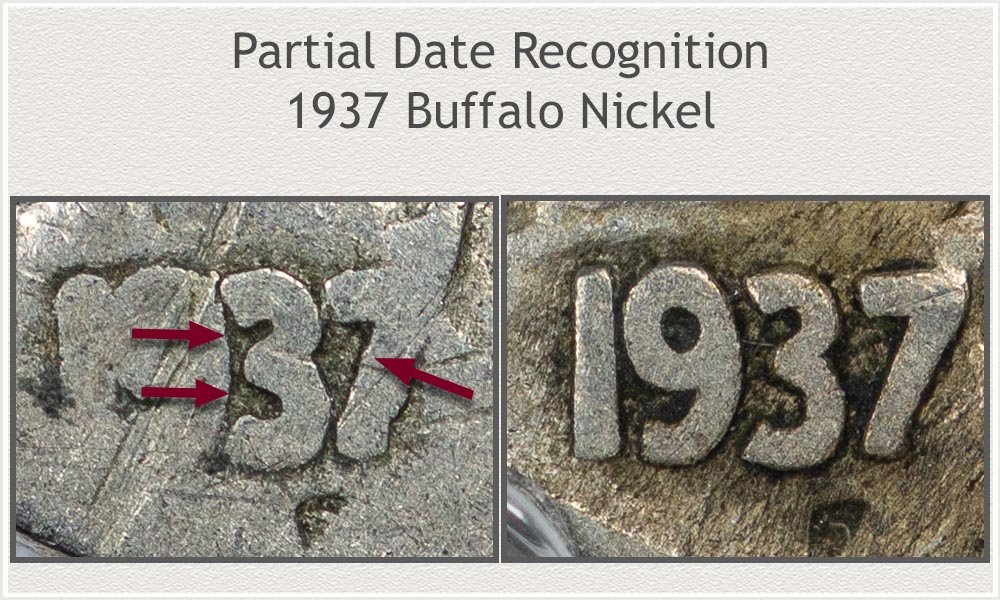 (fig. 3) Highlighted Features Identifying a 1937 Buffalo Nickel
Notice in the image (fig. 3) the "1" and "9" appear as a merged element. Fortunately for today's collector, the last two digits on these nickels often retained a slight definition. Although very worn, the "3" shows visual curves. The "7" remains partially visible with straight lines and a distinctive center triangle. These visual markers help confirm a heavily worn 1937 date.
Mintmarks of the 1937 Nickels
Mintmarks on coins refer to small letters used to identify branch mint production. Three mints struck nickels this year. San Francisco and the Denver mint, along with Philadelphia, produced nickels for commerce. Mintmarks are another key element when determining an accurate value. Each mint variety is collected and valued separately on the above chart.
Locate the "S" mintmark indicating San Francisco or the "D" mark of Denver. Look on the reverse along the lower rim. If no mintmark is present, Philadelphia struck the coin.
The Low Mintage "S" Mintmark Nickel
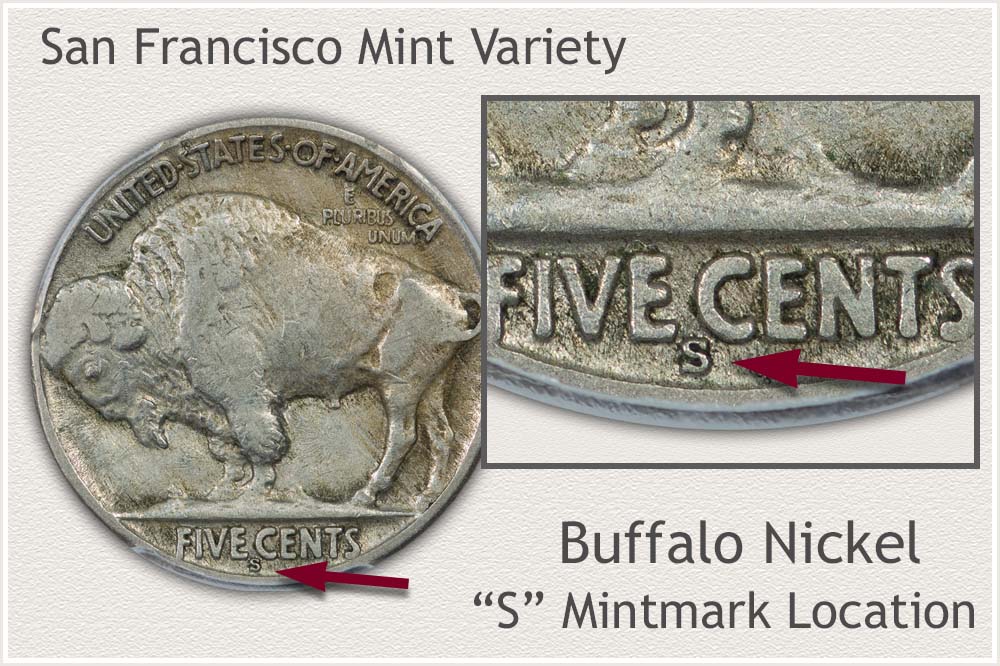 (fig. 4) San Francisco "S" Mintmark Location on a Buffalo Nickel
(fig. 4) San Francisco "S" Mintmark Location on a Buffalo Nickel
1937 became the last year of San Francisco mint production of Buffalo nickels. A design change and the new Jefferson series were in the future. San Francisco coinage, identified by the "S" mintmark and often low production numbers, draws the attention of the coin market.
Scarcity and rarity of 1937 San Francisco nickels. Mintage amounts give an indication of scarcity and availability of this coin. The mint recorded 5,635,000 struck and placed into circulation. By series end this represents a typical production year total for the mint. These remain an available and affordable variety.
"D" Mintmark Nickel
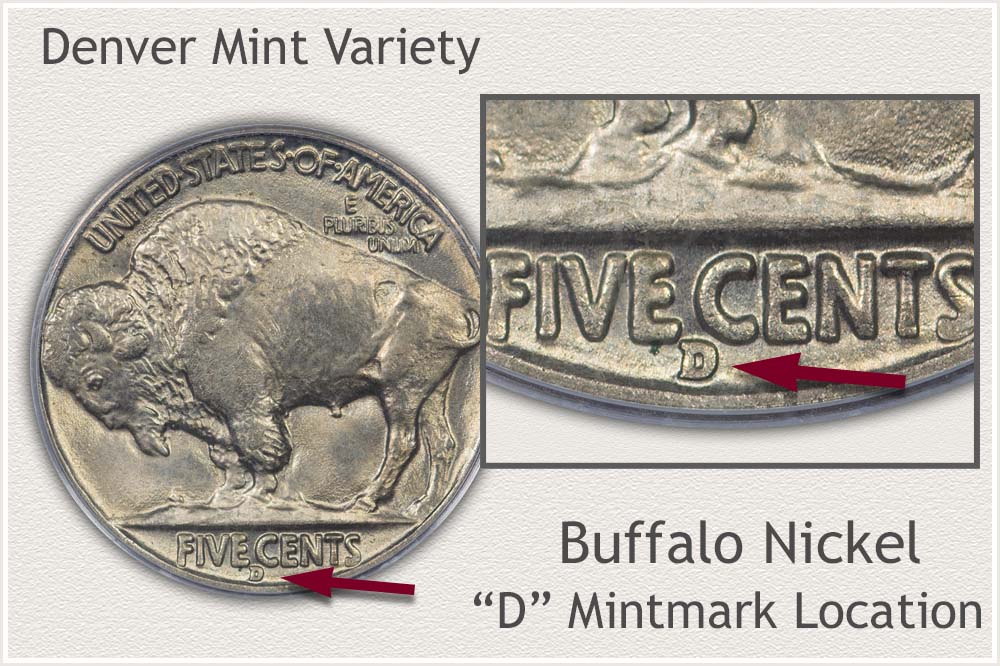 (fig. 5) Denver Mint "D" Mintmark Location on Buffalo Nickel
(fig. 5) Denver Mint "D" Mintmark Location on Buffalo Nickel
Denver contributed a significant number of nickels in 1937, minting 17.8 million of the coins. This figure places the date and mint variety solidly within the Abundant rarity ranking. Although considered abundant compared to scarce issues, quality examples remain in constant demand.
The "D" mintmark confirms the variety. Then judging its condition further narrows a range on value charts.
"No" Mintmark Nickel
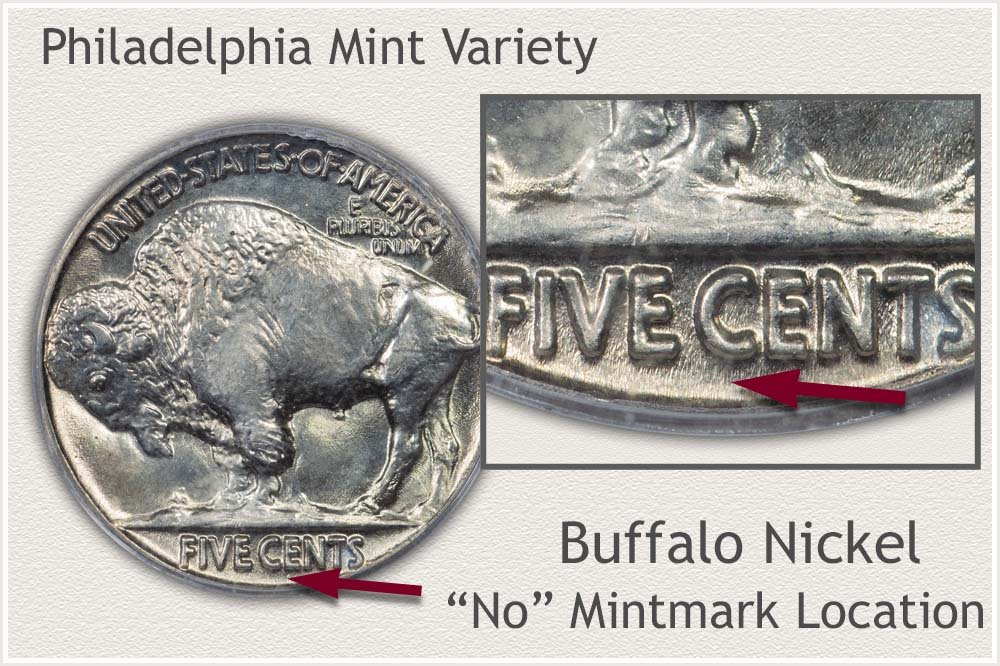 (fig. 6) No Mintmark Indicates the Philadelphia Mint Issue Buffalo Nickel
(fig. 6) No Mintmark Indicates the Philadelphia Mint Issue Buffalo Nickel
All 1937 nickels are now important because of their age. With the last of the series ending in 1938, any Buffalo nickel draws interest with new and young collectors.
The Philadelphia mint varieties of the series typically show the greatest abundance. On a yearly basis the mint produced the largest quantities. This trend continued in 1937 with 79.4 million produced by the Philadelphia mint. The 1937 total of all three mints reached 102.9 million. At the series' end, 1937 became the second highest yearly total. These Philadelphia nickels represent one of the available dates and varieties within the series.
Condition of your coin represents an opportunity to set it above others in quality and demand.
Step 2: | Determine Grade Using a Defined Process
Towards the end of the 1930s decade, production of nickels increased. Close to 103 million nickels struck. Set aside in quantities, 1937 nickels remain abundant today. However, high quality examples have a strong following among collectors. Grading the condition of each is the next step determining an accurate value.
Compare your coin to images of coins representing "grades" of different condition. Note the amount of visible detail deciding its grade. This narrows its value listing on the above chart. Grades are the terms defining the extent of wear on the coin's surface. A necessary part of a complete description.
Mint State Grade
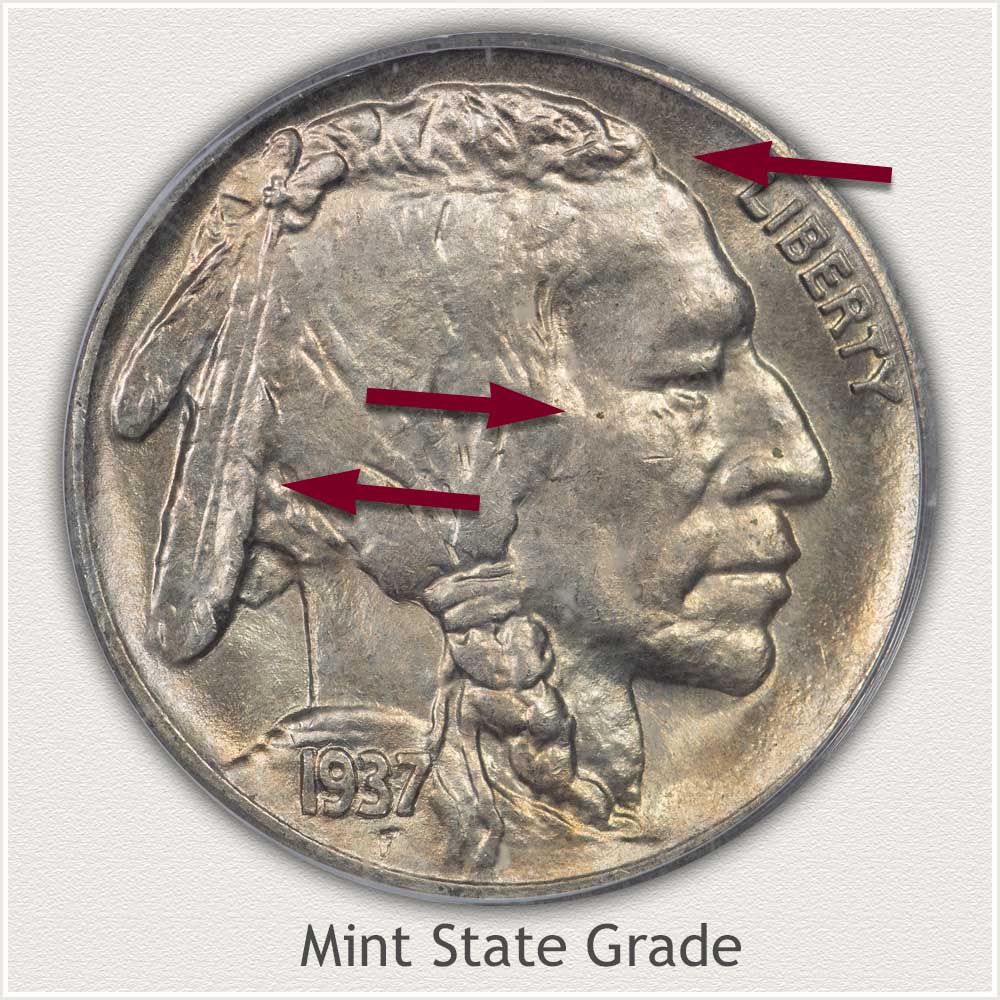 (fig. 7) Compare to the Grading Focal Points on the Mint Grade State Buffalo Nickel
Use the strict definition of "no wear" on the surface when judging condition. These high quality Buffalo nickels require a close inspection. A coin with ample detail, fine recessed lines, and full contour surfaces is the first indication of the Mint State condition. Inspecting a few key focal points confirms the grade.
Detecting wear becomes primary in a judgment of surface quality. Without wear, an original surface still retains its minted texture that brilliantly reflects light. This luster shines across the surface as the coin is rotated under a light. Begin by inspecting your coin, tilting and rotating it and noticing completeness of its luster. Breaks in luster, a sign of wear, typically show on high, rounded contours.
The Indian's cheek just below the eye is a feature that quickly shows wear. Below the eye, confirm the raised cheek displays a similar metal texture matching lower areas near the nose.
Use the technique of matching metal texture across the surface when judging the hair just above his forehead. Confirm luster remains consistent on high points of the hair, matching luster and metal texture of the forehead.
Next, inspect the two feather features. High edges along the length of the feathers remain rounded without any smoothness or flat surfaces. Here also, notice a similar metal texture and shine on the professionally graded Mint State example (fig. 7).
High quality without wear easily becomes a Mint State grade Buffalo nickel.
Extremely Fine Grade
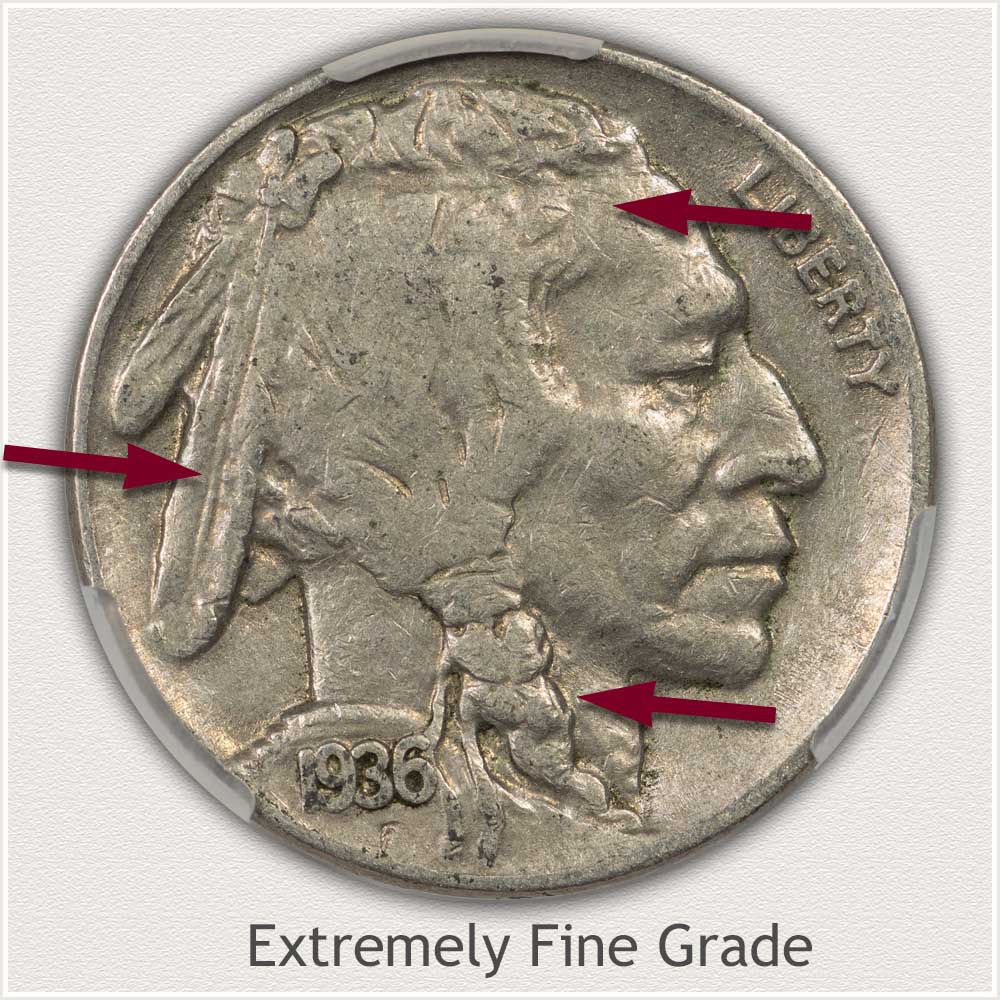 (fig. 8) Comparing Key Features Identifies the Extremely Fine Grade Buffalo Nickel
High quality detail visibly shows at the Extremely Fine grade level of preservation. Light wear only on high points defines the condition of these nickels. As you inspect your coin, compare it to the graded example. Notice the fine line detail within the hair, feathers, and braid. Contours of these features remain rounded and raised. Only small areas of flatness show at their very tops.
A wide area of hair detail extends along the part line from the forehead to the feather. This area shows high and low relief hair detail. A typical smooth area shows below the part line with more detail becoming visible towards the braid. It is the raised contours and deep recesses indicating light wear and grade level condition.
Next compare the condition of your coin with the two feathers at the back of the head. A visible and strongly defined quill shows in both. Any signs of flat, worn metal occur along the raised edges of each feather. Note the deep recess visible within the center of each feather. This feather detail remains with a bold appearance.
Alongside the date, a braid tied with ribbon still remains detailed, showing four major elements. The top ribbon tie has fine lines, and the three braids all show full separation. A small amount of light wear flattens the large braid with less wear below. This combination of full detail with some light wear measures and defines the grade. Buffalo nickels in Extremely Fine grade have strong market support.
Fine Grade
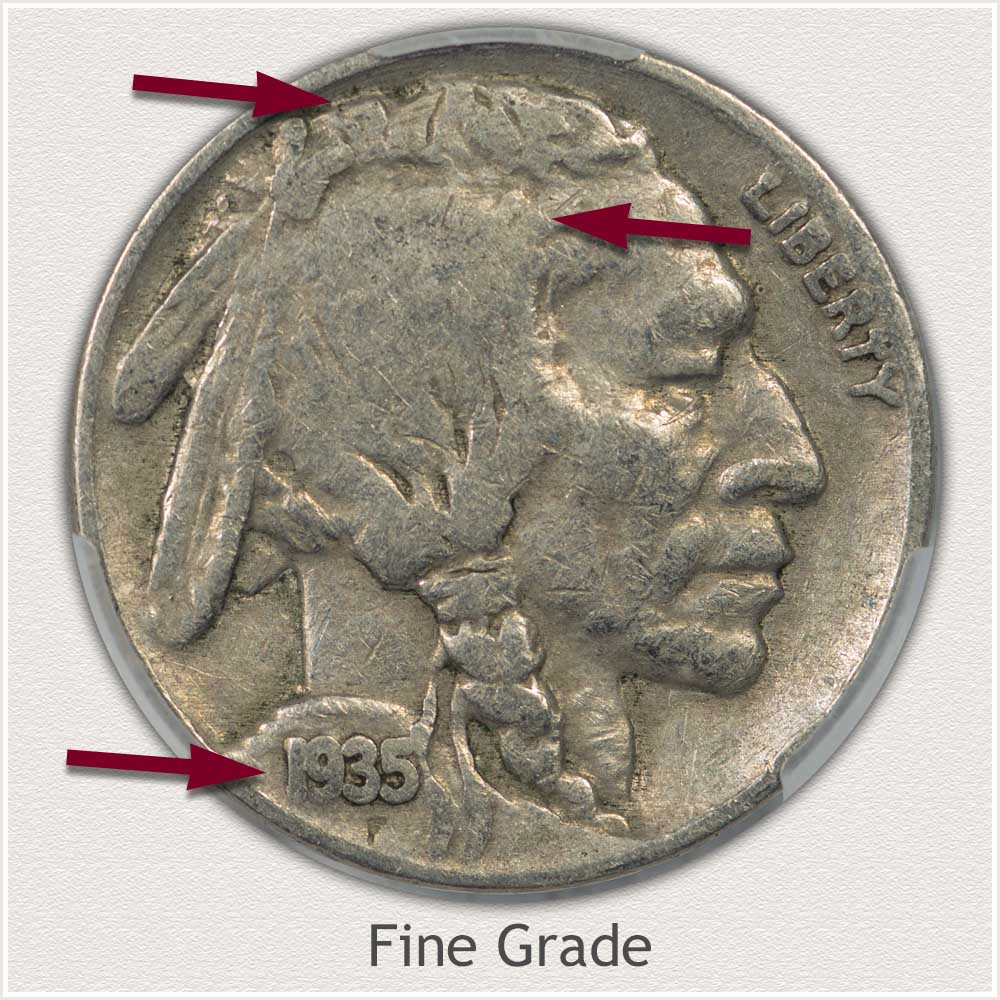 (fig. 9) Compare and Match Highlighted Features to Determine a Fine Grade Buffalo Nickel
Grading coins considers two main factors when judging their condition. First, the visible detail of remaining design elements. Secondly, how well the coin projects eye appeal. Collectors, when placing a value on a coin, respond to both the amount of detail and overall look of the coin. With "moderate wear" as a definition of the Fine grade, it becomes important to recognize remaining detail. This helps satisfy both judgments of condition. Eye appeal, a subjective opinion, starts with clarity and boldness of design.
One of the first qualities inspected on a Buffalo nickel determines the clarity of the date. On the raised area of the Indian's shoulder, each number of the date remains outlined. The example (fig. 9) shows some wear flattening the numbers, although leaving each digit well defined. Compare the clarity of your coin with this professionally graded example as a reference for the grade level.
Judging different areas of the Indian's hair demonstrates the moderate wear condition. At the very top of his head, hair strands remain separated and distinct. Lower down, a wide area of smooth metal shows the effects of wear by its lack of detail. This combination of missing and remaining hair detail visually shows a difference. A close match with hair detail at the top of the head helps identify the grade.
With an overall view, these finer details of date and hair help with a subtle influence towards improving eye appeal. Fine grade Buffalo nickels have a bold, pleasing appearance.
Good Grade
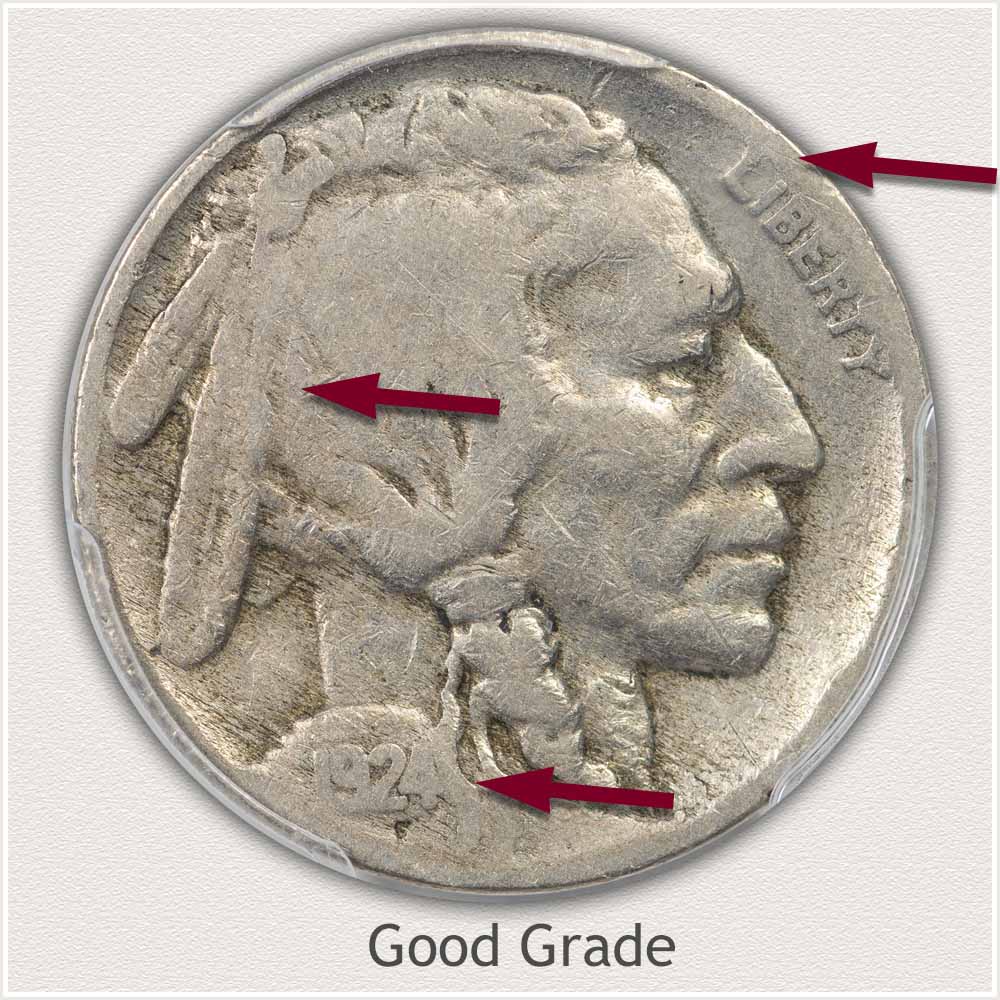 (fig. 10) A Close Match of Grading Features Determines a Good Condition Buffalo Nickel
Heavy wear covering the surface and giving the coin a flattened look defines the Good grade Buffalo nickel. A coin in this condition displays merged numbers within the date. Also note the flattened facial features of the Indian. The example coin (fig. 10) is a professionally graded Good condition nickel. Use this coin as a comparison with your coin. Meeting or exceeding its condition identifies the Good grade as a minimum.
Examine where the large feather meets the hair towards the back of the Indian's head. Only a slight amount of detail shows as a separation line at the lower end of the feather. The example shows wide smooth metal over most of the area. Any improvement in detail adds to the coin's appeal.
The date requires a close inspection to determine the last two digits. This "partial date" condition limits the coin to the Good grade. If your coin displays slightly more date detail, it is strong for the grade.
Keeping the example coin within the grade range, note LIBERTY along the rim remains readable. Only the tops of lettering fade slightly and merge with the rim. Combining these areas and judging clarity of their visible features determines the Good grade Buffalo Nickel.
How to Video: Grading Buffalo Nickels
View additional grading insights and expanded descriptions of the grading process. Review the comparison method leading to greater accuracy of your coin's condition. 1937 nickels in better than average condition enjoy collector demand.
Grading Buffalo Nickels | Visual Grading Guides
Step 3: | How to Recognize Desirable Collector Coins
One of the objectives of collectors when building a set of Buffalo nickels is locating similar appearing and pleasing examples. When viewed overall, a set of nickels of the same grade and closely matched natural color adds to its aesthetics. This consistent quality of all coins demonstrates an advanced collection of Buffalo nickels. The coin market rewards this effort with strong demand for these collections.
From Good condition to Mint State condition eye appeal of a coin often sets it apart from others. The following image (fig. 11) illustrates both subtle and bold qualities determining eye appeal.
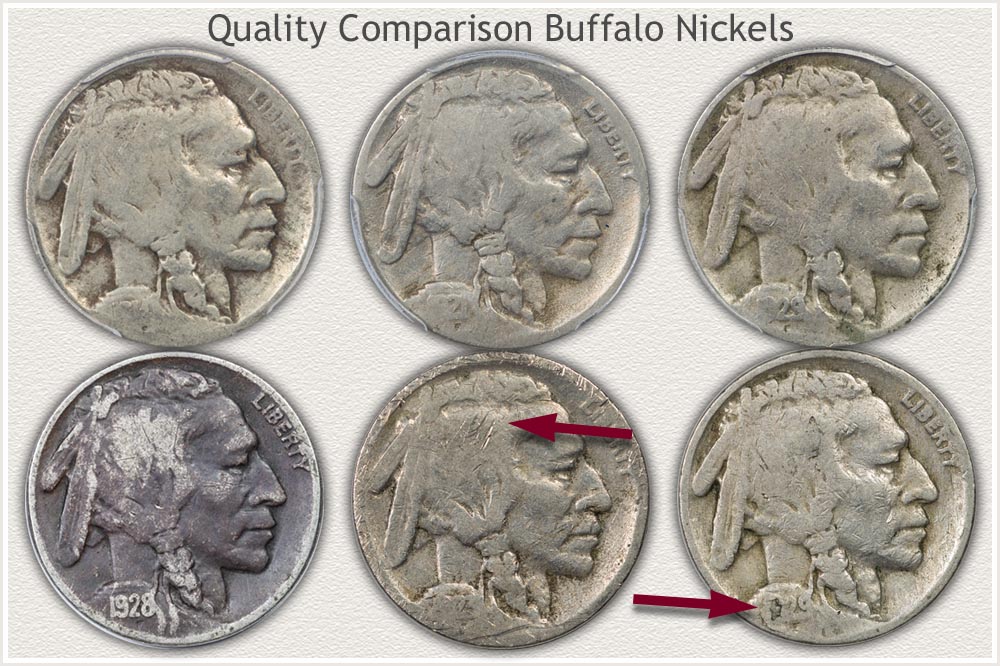 (fig. 11) Identify Above and Below Average Quality Buffalo Nickels
Nice quality nickels match and complement each other within the top row. All are in a similar condition with moderate wear. These coins display no noticeable distractions.
Viewing the lower row, a dark colored coin quickly stands out. This coin detracts from the natural soft grey of the others. The middle coin, lower row, suffers from many marks on its surface. These nicks, some deep, result in low eye appeal. The third coin in the row has a "planchet flaw." Look closely at the date; an unmixed portion of metal flaked away after minting. This missing metal leaves a void where the "19" of the date should remain. Each of the coins in the lower row rates below average in condition and appeal.
Again, viewing the top row. Although these coins are worn, all have strong features and a quality appearance. The coin market recognizes these coins as appealing to new hobbyists developing an eye for quality. Matching your coin to the top row identifies a collectible Buffalo nickel with value. These top row coins are above average within their condition range.
With this coin's date and mint issue confirmed, record the information. After the addition of its grade, this accomplishes the key elements helping determine an accurate value.
References
U.S. Mint. (1938) Annual Report of the Director of the Mint Fiscal Year 1938. United States Government Printing Office.
The Bureau of the Mint. (1928) Catalogue of Coins of the United States. United States Government Printing Office.
🔎What's next: Review the following articles helping decide how to value these coins. Understanding the continued popularity of the Buffalo nickel series. How to record important details about your Buffalo nickels. These give insight to the strong base to values.
Coin Values | CoinStudy Articles
Date by Date
In Depth Buffalo Nickel Value
1913 to 1938
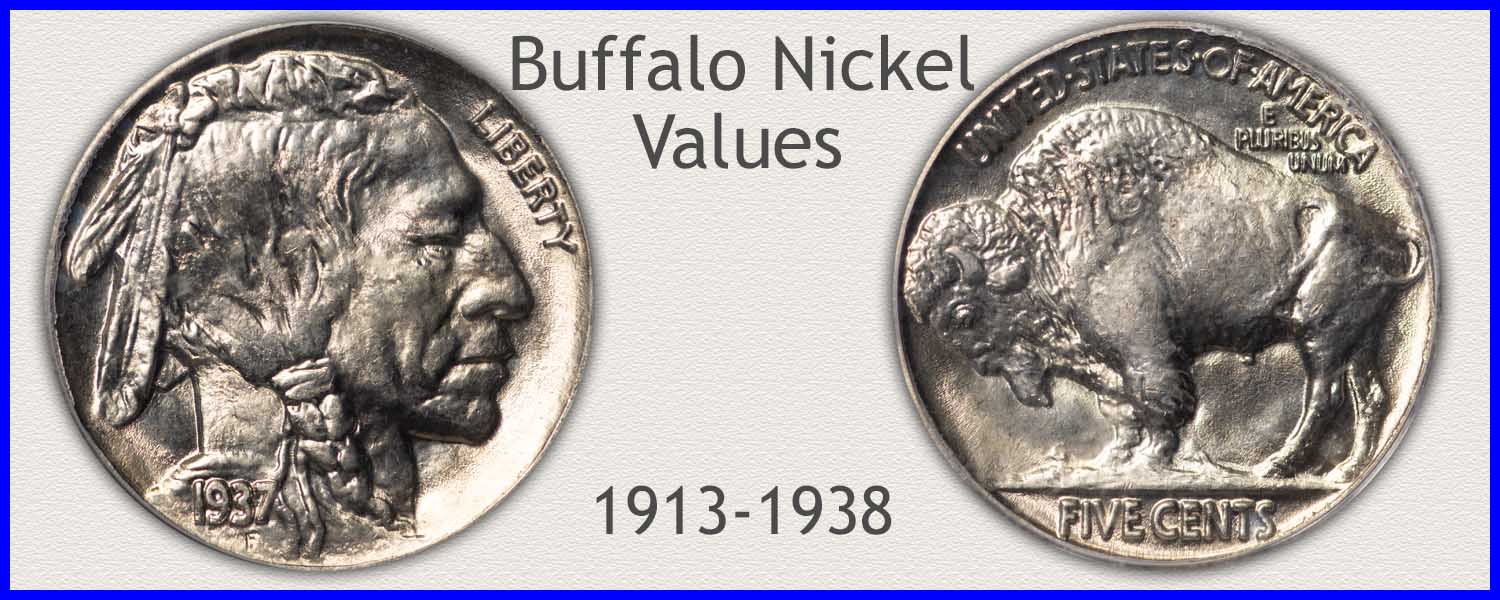
Buffalo Nickel Value | Chart Plus - Steps to Identify Each Coin
Review the complete value chart. Date and mints listed, each valued by different condition levels. Interest in Buffalo nickels by collectors and the market support premium worth. With a step-by-step process, recognize how much all Buffalo nickels are worth.
Print the Coin Values Worksheet
Record important data and comments for each coin. Compile descriptions and values while maintaining a written copy of the complete collection of your coins.
Popular Coin Series | Solid Value Buffalo Nickels
With a swing in popularity, collecting Buffalo Nickels has upward potential. Charts illustrate popularity rankings of coin collections using registry set data. Dollar series, Morgan, Peace, and Presidential dollar sets are among the favorites today. The Buffalo nickel series is an area of collecting with overall scarcity and potential.
★Coin Values Discovery... finds 1937 nickel value and...
The value of old U.S. coin series. Refer to images quickly identifying the different series of coins. Grading descriptions and images help grade their condition. Next, value charts list coin values by date, mint issue, and grade.