Coin Values Moving with Precious Metals: Up-Dated 10/26/2026: Gold $4013 | Silver $54.05
1935 Nickel Value Defined by Mint Variety and Condition
These old Buffalo nickels remain popular today. Both the coin market and collectors support a steady 1935 nickel value. Viewing the chart, a range of premiums begins low and rises according to the coin's condition. Use the following step-by-step process of grading condition and identifying the different mint varieties. If the date appears faint and semi-clear, compare your coin to images of visual markers. These define the features of the 1935 date.
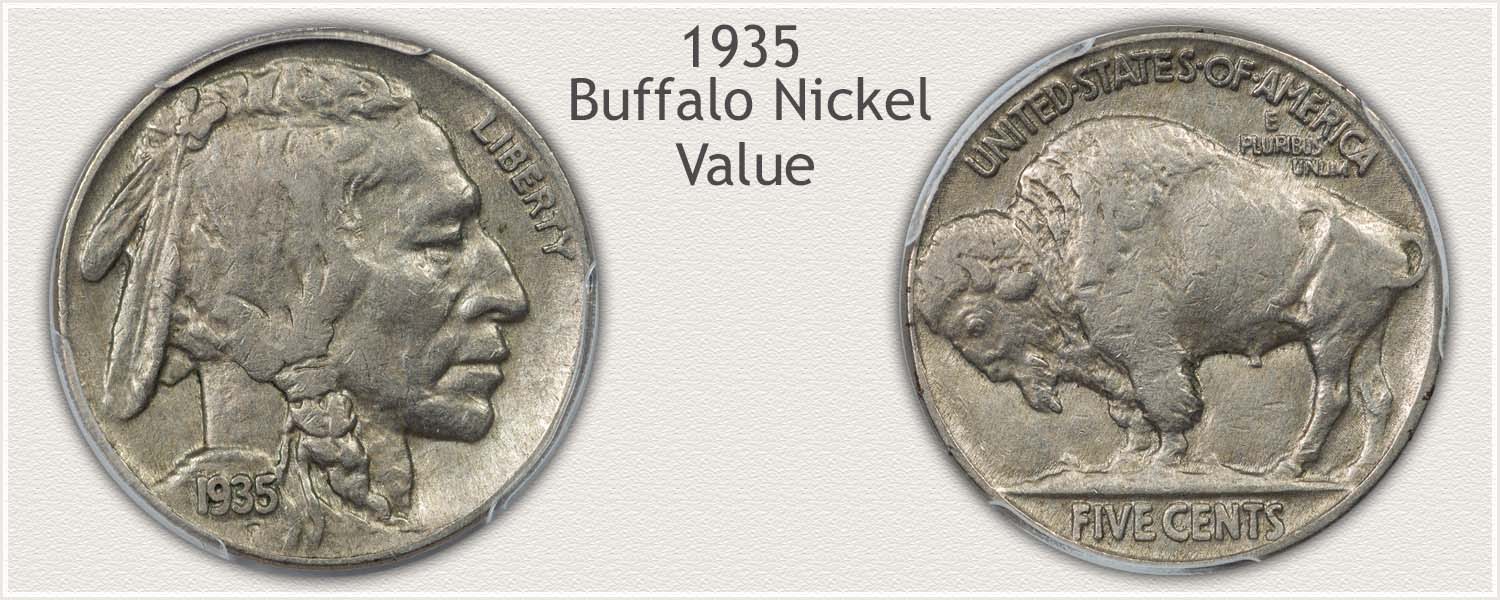 (fig. 1) Using Obverse and Reverse Views Identify a 1935 Buffalo Nickel
| 1935 Nickel Value | ||||
|---|---|---|---|---|
| Condition of Coin | ||||
| Date | Good | Fine | Extremely Fine |
Mint State |
| 1935 Nickel Value Updated | 2026 | |||
| 1935 | $1.21 | $1.84 | $3 | $20 |
| 1935 D | $1.28 | $2 | $15 | $54 |
| 1935 S | $1.34 | $2 | $7 | $42 |
There is a demand for these old nickels. The chart represents wholesale Buffalo nickel values. Computed from dealer's price lists with various markup factors figured in.
Steps Leading to Value:
- Step 1: Date and Mint Variety Identified: Close inspection techniques record an accurate beginning of the coin's full description.
- Step 2: Grading Condition: Judge surface quality using "grading" images, finding a close match.
- Step 3: Special Qualities: Locate the visual elements of above average quality.
Step 1: | Date and Mintmark Combination Confirmed
1935 became an abundant year of Buffalo nickel production. However, the Denver Mint issue now enjoys special consideration as an elusive collector coin. Identifying the date accurately starts gathering elements of this coin's full description.
Dates were placed on the lower shoulder of the Indian's portrait. Look closely near the rim. Small numbers, raised high above the background, define the year of production. If the date appears faint and hard to recognize, the next section focuses on detecting the true date.
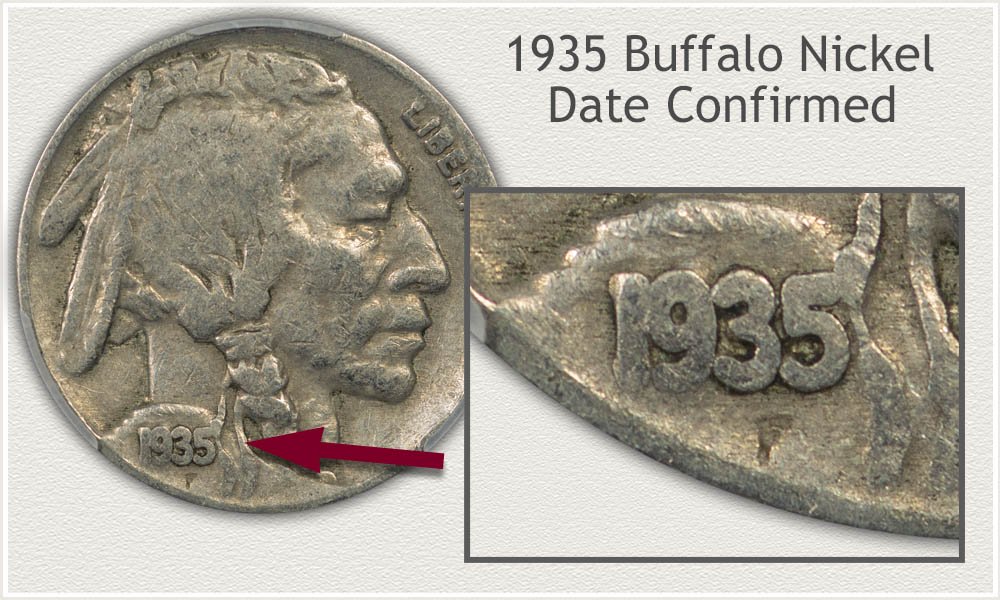 (fig. 2) Locate and Confirm Date on a 1935 Buffalo Nickel
Recognize the Partial Date Buffalo Nickel
Viewing Techniques and Markers
Because of the date's high profile and subject to wear, often they show little definition. Determining the last two digits as a "3" and "5" presents a common problem with this series of nickels. The first two digits of the date are always a one and nine. All Buffalo nickels were minted in the 1900s, 1913 to 1938. The following image shows a clear with a partial date to compare.
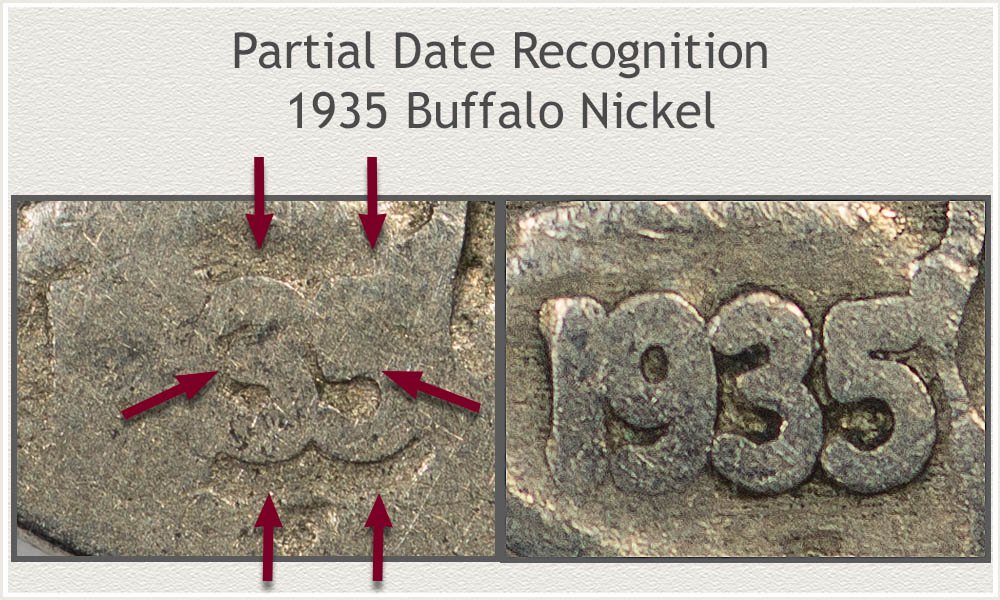 (fig. 3) Highlighted Features Identifying a 1935 Buffalo Nickel
These two coins illustrate the key markers identifying the last digits of the date as a three and five. First, inspect the coin under a single light. This creates the deepest shadows along the edges of slightly raised numbers. With the light directly above the coin, tilt its surface at lower angles to the light. Watch closely, and note the shape of the top and lower areas of the last two numbers.
With a low angle of light across the surface, a "3" shows a wide and rounded curve as the top and bottom edges. On the left side of the three, two inward and open loops define the number.
The last digit, the "5," has a wide, flat upper edge and a wide rounded, curved lower edge. The five's distinctive feature shows the upper vertical left edge opening into a loop defining the lower part of a five number.
Add magnification with the tilting of the surface towards a strong light. This combination of viewing technique plus specific markers helps confirm a worn and faintly visible date. Record the date and continue with identifying the mint of issue.
Identify the Philadelphia and Branch Mint Buffalo Nickels
Three mints produced nickels in 1935. Because the mints identified their coinage with mintmarks there are three varieties within the year. Each valued and collected separately. Starting with the San Francisco mint, it placed a letter "S" on the reverse. Look slightly above the lower rim. Between the "E" and "C," the small "S" indicates San Francisco. Denver, a second mint, used a "D" letter mark in the same location.
If the area below FIVE CENTS is without a mintmark, Philadelphia struck the coin. As the main mint, Philadelphia did not place mintmarks on Buffalo nickels. Compare your coin with the images, helping determine if the letter is an "S" or "D." Wear on the surface does fade these marks, when necessary, magnify the area. A faded "D" shows a top serif point on the left side. A faded "S" shows a top serif point on the right side.
"S" Mintmark 1935 Nickel
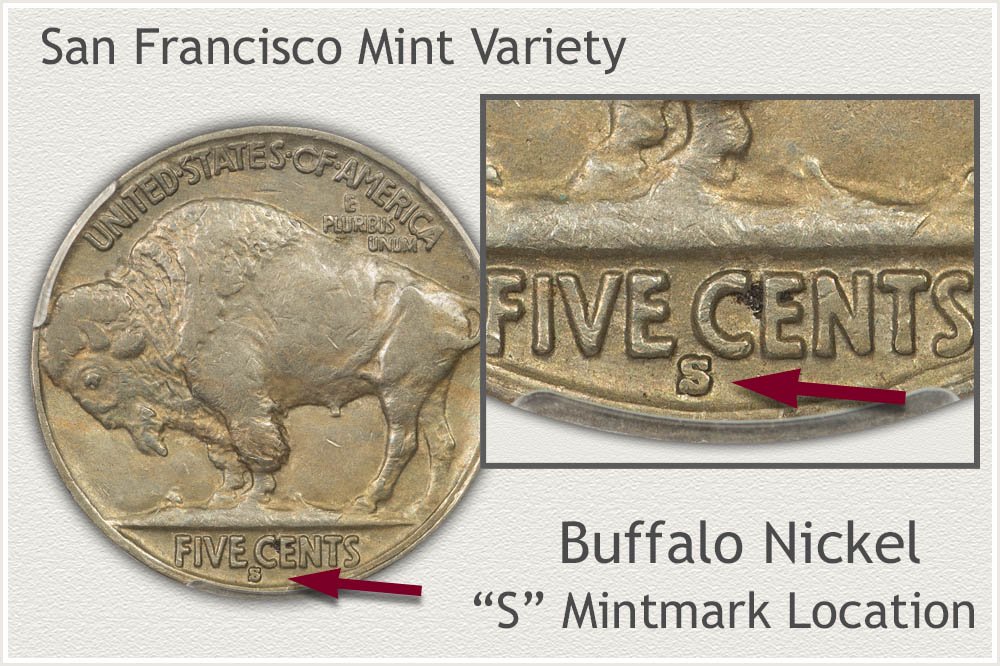 (fig. 4) Verify the S Mintmark on the Reverse of a Buffalo Nickel
Of the three mints striking nickels in 1935, the San Francisco mint produced the fewest. With a recorded mintage of 10.3 million, this issue shows a solid premium on the value chart. However, the over 10 million mintage ranks as the second highest of the series. On a rarity scale this issue places as an available coin. These remain common in heavy wear condition. Collectors seek the affordable, higher condition coins. Grading condition in the next step separates the higher quality, higher valued pieces.
Confirm the "S" mintmark on the reverse. A right-side top serif on the small letter identifies the "S" mark on very worn examples.
"D" Mintmark Nickel
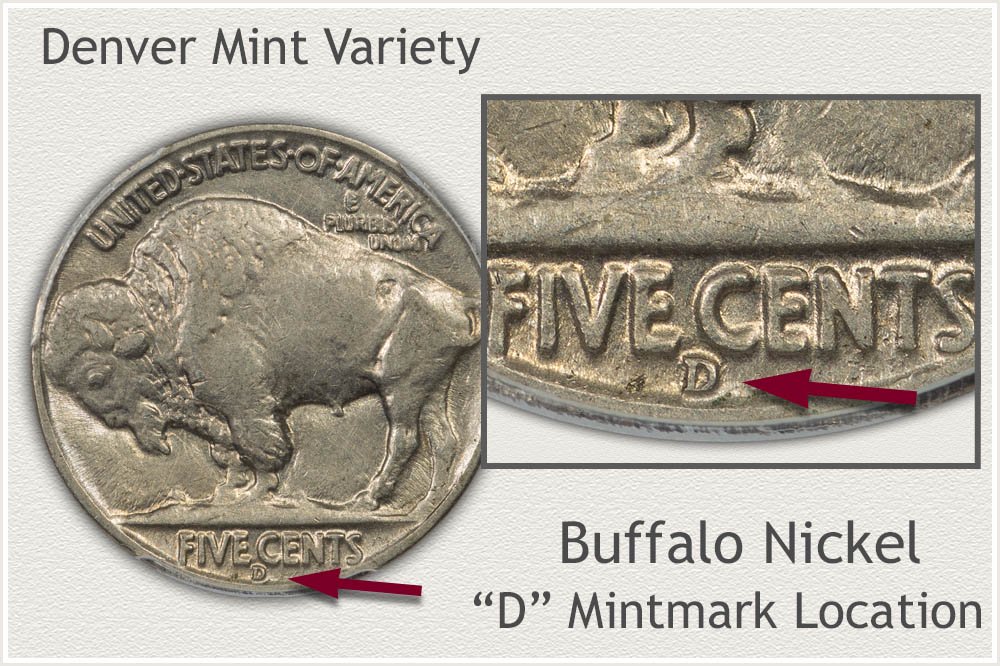 (fig. 5) Location and Example of the D Mintmark on a Buffalo Nickel
Premiums listed for the 1935 Denver issue nickel range within the common, available status in typical condition. Well-worn coins with only small amounts of fine detail visible are abundant. This ties into their ample 12 million mintage amount. Today, examples in high quality, showing only slight to no wear on their surface, enjoy the strongest demand. The quick rise in value towards top condition examples indicates most stayed in circulation. Few were saved early.
Of the three varieties issued in 1935, and specifically the Denver coin, a slight improvement in condition separates the scarce from common. Grading is now key to identifying a premium nickel.
"No" Mintmark Nickel
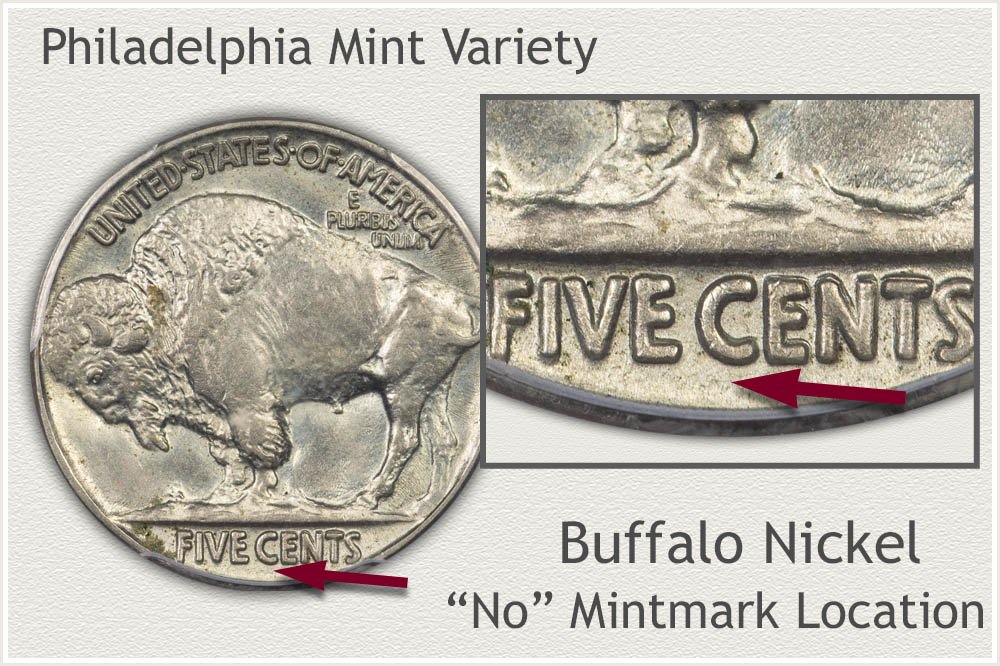 (fig. 6) No Mintmark in the Location Identifies the Philadelphia Issue Buffalo Nickel
The Philadelphia struck a very large number of nickels in 1935. This contributes to its "Available" ranking on a rarity scale. 1935 nickels were minted towards the ending of the series and saved by many people after the series ended. These are a nice coin to begin a collection of Buffalo nickels. Many new collectors start with the latter year dates.
Continued demand plus affordability at high condition levels adds to its solid value. An extra moment judging condition often identifies a nice quality nickel.
With the date and mint confirmed, condition now becomes a deciding factor. Special attention and recognizing finer detail points to above average quality. A 1935 nickel with ample detail within the Indian's hair and buffalo's features becomes a collectible coin.
Step 2: | Rate Condition and Determine a Grade
Within this step, conduct an examination of the surface condition of your coin. This process identifies visible features, deciding on a "grade" for the coin. Heavy wear, moderate wear, light wear, and no wear conditions each have unique qualities. Using the following images as a comparison starts the grading process of narrowing condition.
Grades define a coin's condition in both the hobby and market. With coin in hand, the descriptions of each grade highlight specific qualities of remaining features deciding a grade. Beginning with a Mint State example highlights a coin with all original detail.
Mint State Grade
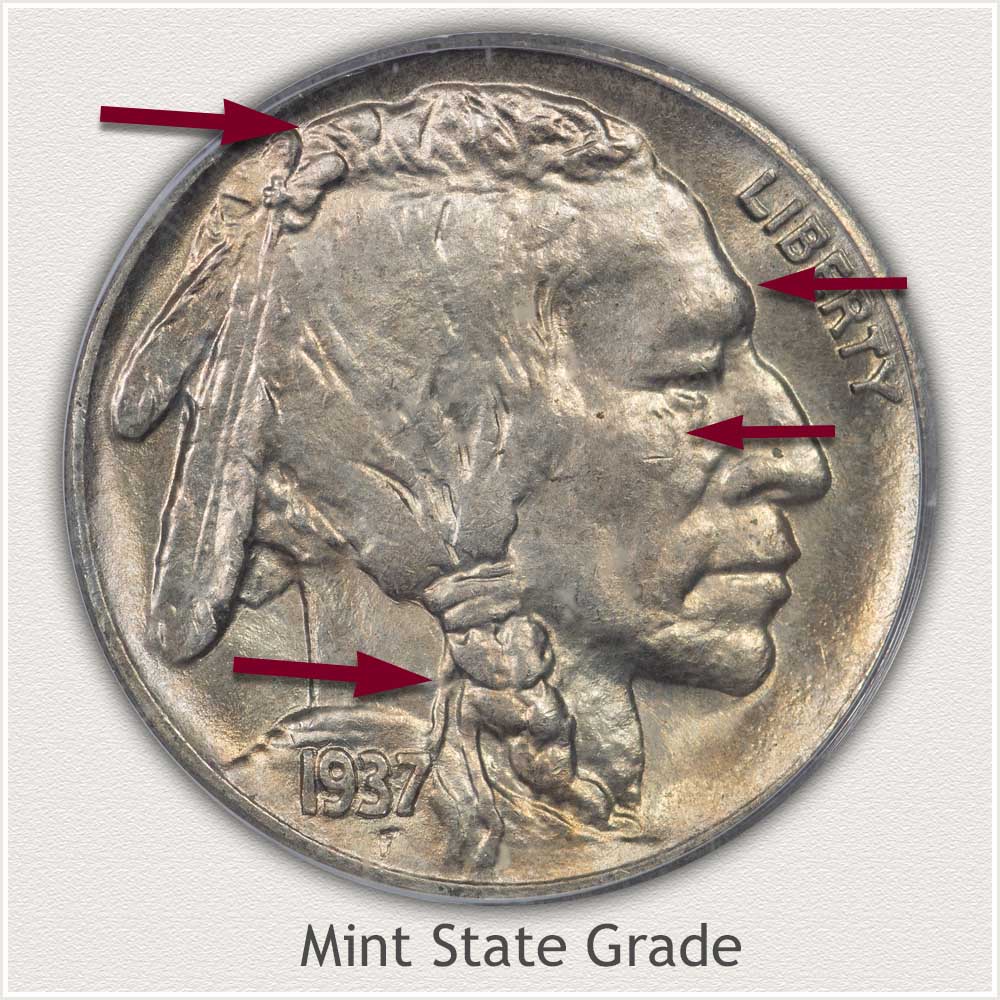 (fig. 7) Match Visual Quality of Highlighted Features to Identify a Mint State Buffalo Nickel
A Buffalo nickel in Mint State condition retains a surface without any signs of wear. This "no wear" quality of the surface defines the grade. Displaying a consistent shine and no smoothing of the metal become the visual factors at this grade level. Inspecting these surface qualities on key focal points grades their condition. Focus on the Indian's hair, braids of hair along the neck, his eyebrow, and cheek contours.
The process of minting imparts a fine grain textured surface on a nickel. Under light, this reflective surface shines with a brilliant luster. Even with natural toning of the metal, luster shines from beneath. Wear smooths the original surface, removing the brilliance and dulling the shine at the points of wear. Smooth metal and a duller surface become the visual clues indicating wear.
Scan the hair detail at the top of the Indian's head. Above the part line, high relief hair strands display the same texture and luster as metal within the deep recesses. Using a single light, tilt the coin, changing the reflecting angle. A consistent brilliance and metal quality on both high and low areas indicate a Mint State surface.
Next, apply the same lighting technique of different lighting angles to the braids of hair along the shoulder. Tops of contours show the same reflective quality as lower areas. On the example, the high points of braids show no signs of smooth metal, indicating a surface without wear.
Strong facial features have distinct high points and very low areas. Inspecting the highest ridge of the eyebrow and comparing it with the cheek shows both appear similar. Brilliance of shine and a textured surface match closely with each other. Now inspect the quality of low relief areas near the eyebrow and cheek. These also match closely, displaying shine and texture. With all areas similar, their quality indicates a Mint State condition and grade.
Extremely Fine Grade
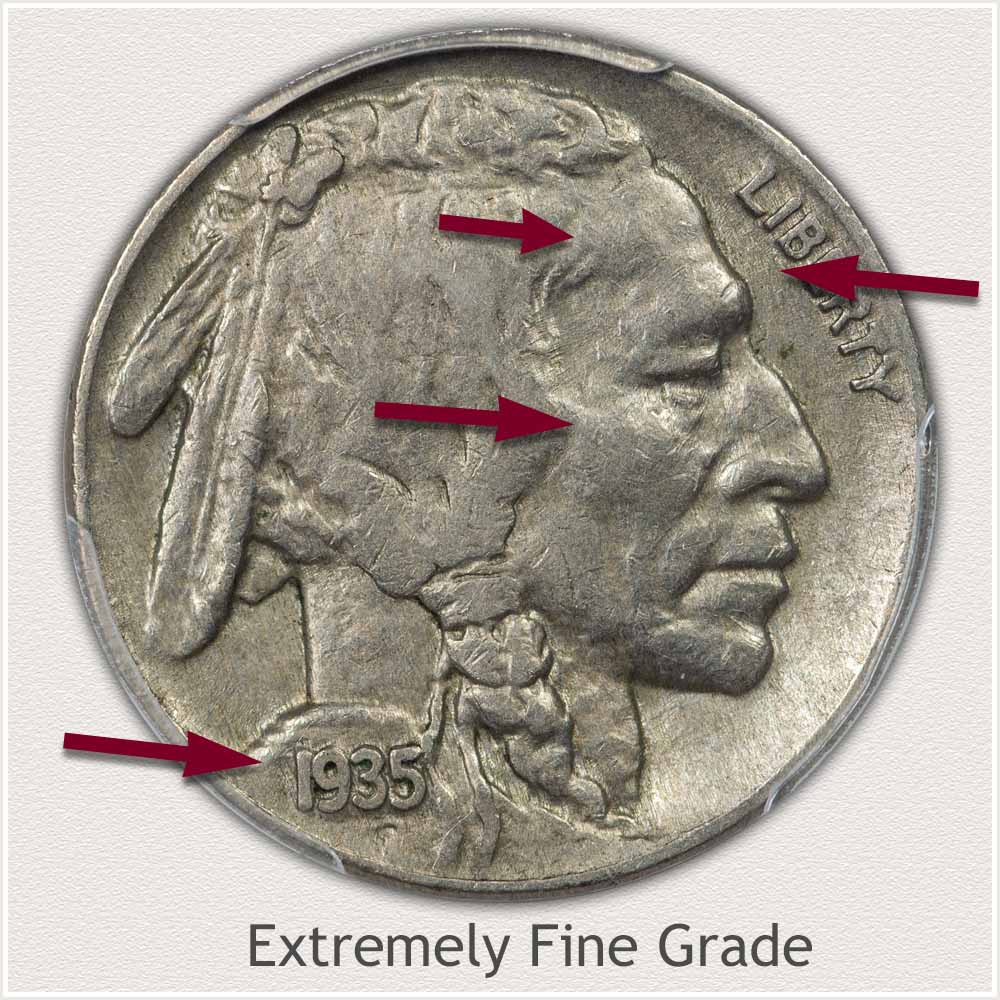 (fig. 8) Highlighted Features Determine the Extremely Fine Grade
Light wear describes the Extremely Fine grade. A lightly worn appearance sets this coin apart from the average condition 1935 nickel. Within the Buffalo series, higher grade, pleasing examples become somewhat difficult to find. Examine specific features and note clear details when judging a grade of the coin.
First and visibly distinct, notice a boldly contoured face of the Indian. Any signs of wear, visible as flat spots, appear small and only on the highest points. Eyebrow, forehead, and cheek near the eye rise high in contour with almost complete rounded tops. The slight wear on a top surface has the look of smooth metal. Compare these high smooth areas to lower relief metal surfaces. Protected, unworn metal still shows a textured look.
Next, a clear date sets this condition apart from lower quality. Placed on one of the highest areas of the design, the bold date of this coin visibly stands out. Note the flatness of the "1 and 9" while remaining raised from the background. This indicates light wear only. Overall, a highly collectible condition Buffalo nickel.
Fine Grade
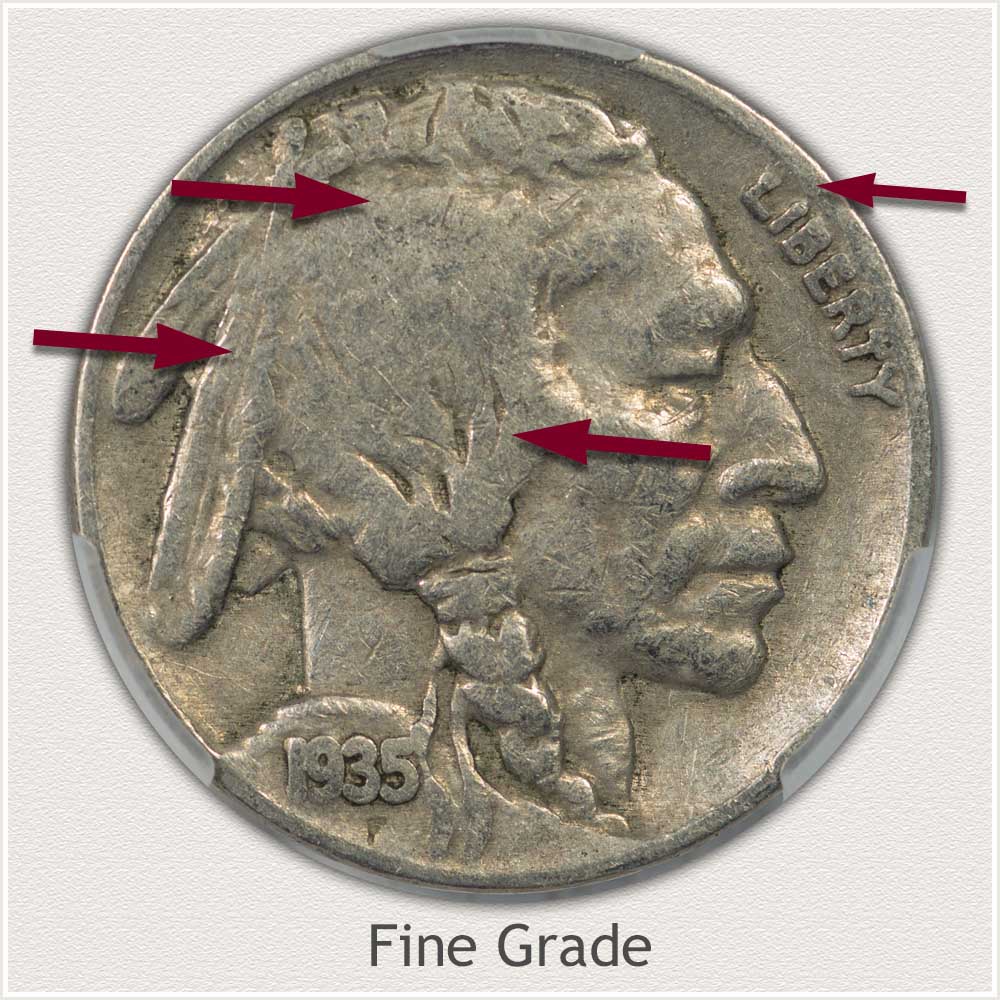 (fig. 9) Examine Key Focal Points of the Fine Grade Buffalo Nickel
Fine grade Buffalo nickels exhibit detail within areas of worn and flattened features. This moderate wear category displays many high profile elements showing boldly.
With a focus on the hair behind the Indian's eye, areas of smooth metal still show a few deep recesses of hair strands. A nice raised contour remains just below the part within the hair. A few deeper recesses also remain just above the braid. This wide area of hair is not completely smooth.
Inspect two additional areas, the feathers and lettering. Within the moderate wear condition there remains a slight raised edge separating the feather from the hair. Notice only the high, outer edges on the feathers show flat metal. Second, LIBERTY along the rim is clear and readable. Recognize evidence of wear by the slight fading of letter edges nearest the rim.
Overall, nice detail shows clearly among visible wear across the surface. This condition nickel attracts many collectors with its bold, distinct Indian portrait.
Good Grade
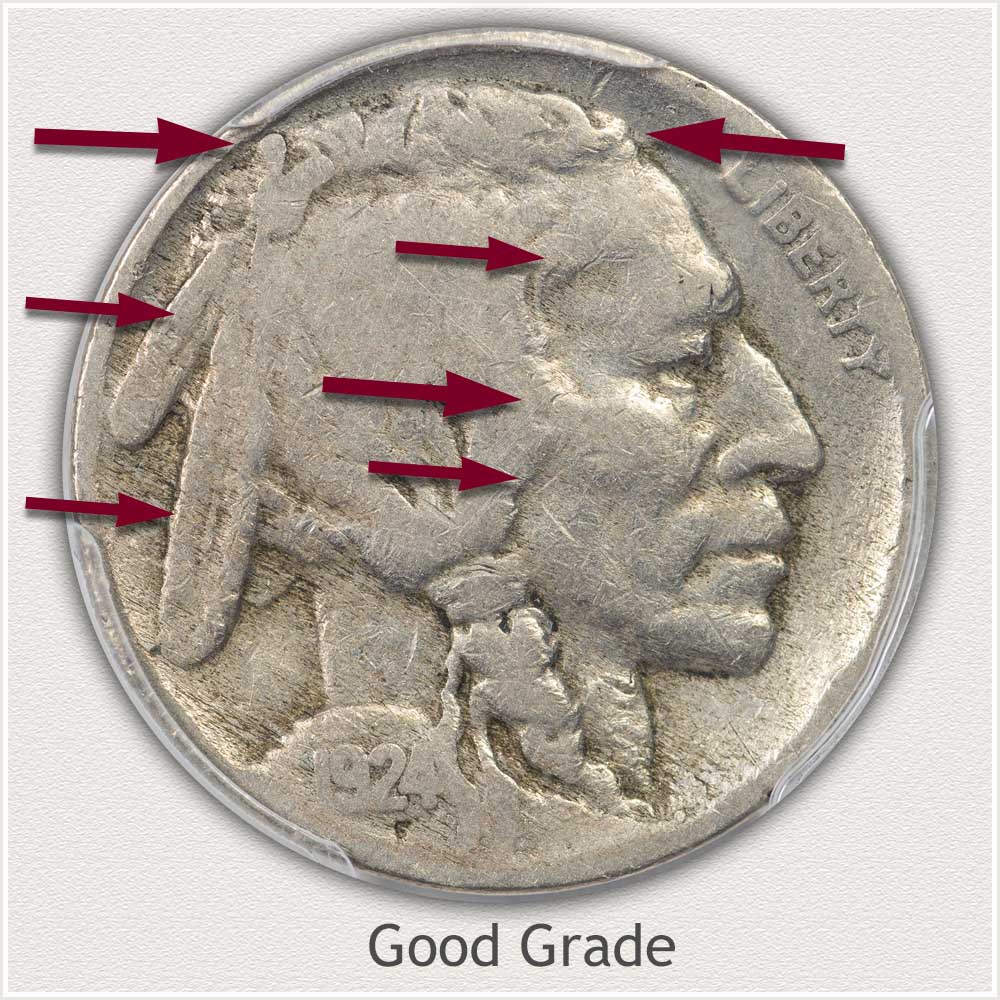 (fig. 10) Highlighted Features Used to Judge the Good Grade Buffalo Nickel
Noticeable widespread smooth metal describes the overall appearance of the Good grade Buffalo nickel. Importantly, a few fine details remain visible among the flattened surfaces. Focus on the highlighted features in the example (fig. 10). Small areas of the design and subtle separation from major elements identify and confirm this condition.
Starting at the top of the Indian's head, view the number of deep recesses visible. High contours of hair show areas of flat metal with some strong separation between. At the Good grade level, many visible recesses separate flattened areas. Judge the extent of this detail above the part line from the forehead to the feather detail.
Towards the back of his head, feather detail clearly shows. The smaller feather, near the rim, still has a slight definition of its raised interior shaft. This shaft detail also remains within at least half the length of the larger feather. Both feathers are clearly raised from the field of the coin, with some evidence of a higher contour edge.
Next, scan along the hair where it meets the Indian's face. From the forehead down to his temple shows a subtle raised separation of hair from the face. At the cheek, the hair and cheek often blend and merge. Below the cheek, the separation of hair and face becomes strongly defined. This small raised separation of hair and face helps give this condition a pleasing appearance despite the amount of wear.
How to Video: Grading Buffalo Nickels
Above average condition 1935 nickels draw the attention of collectors. Increase accuracy and identify these premium coins using the comparison approach to grading.
Grading Buffalo Nickels | Visual Grading Guides
Step 3: | Special Qualities: Recognize the Value Rise from Fine to Extremely Fine Grade
Nearing the end of the Buffalo series, 1935 nickels from the Denver mint have a unique quality. Their values, in higher condition, rise rapidly above coins in slightly less quality. This large jump in premium is unusual. Production of Denver nickels for the year at 12 million, rates as above their normal yearly totals. On average Denver struck 8 million nickels a year during the Buffalo series. Mintage scarcity does not seem to factor into their premiums. A lack of available quality pieces points to a possible reason for high values. Today, recognizing these quality pieces becomes the important task.
Condition of three focal points helps fine tune a quality judgment. Using visual comparisons, examine these areas, helping develop and gauge similarities with your coin. Small, important differences become measurable and easier to see.
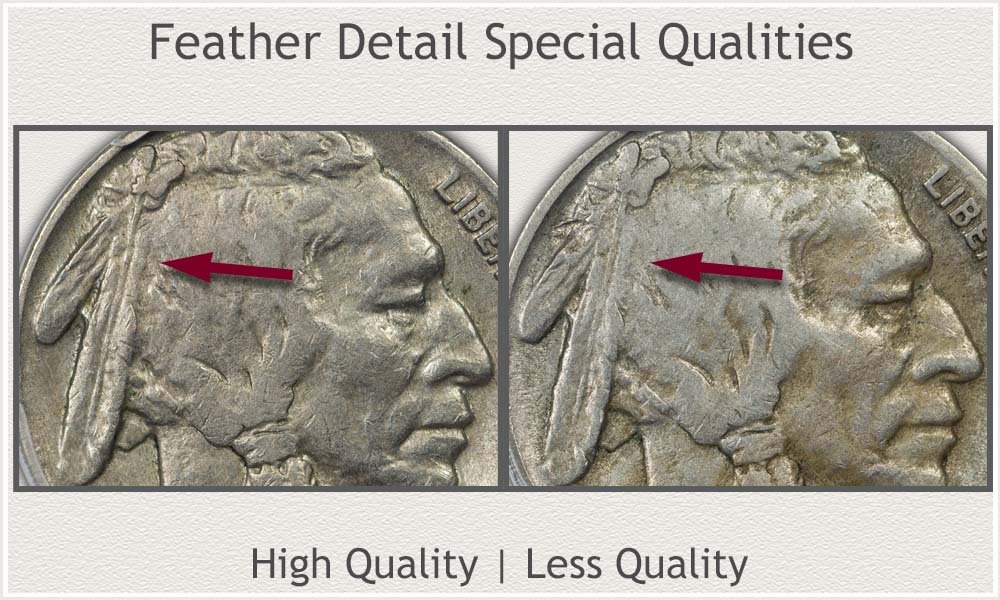 (fig. 11) Highlights Point to the Special Qualities of Feather Detail
Highlighted within the image (fig. 11) a slight but important detail where the feather meets the hair marks the higher quality condition coin. Inspect the length of the feather as it runs along the hair. On the left coin a raised contour ends with a deep recess defining its edge. Clearly seen on one coin and faded with slight merging of the line on the other coin. Subtle, yes, but an important distinction.
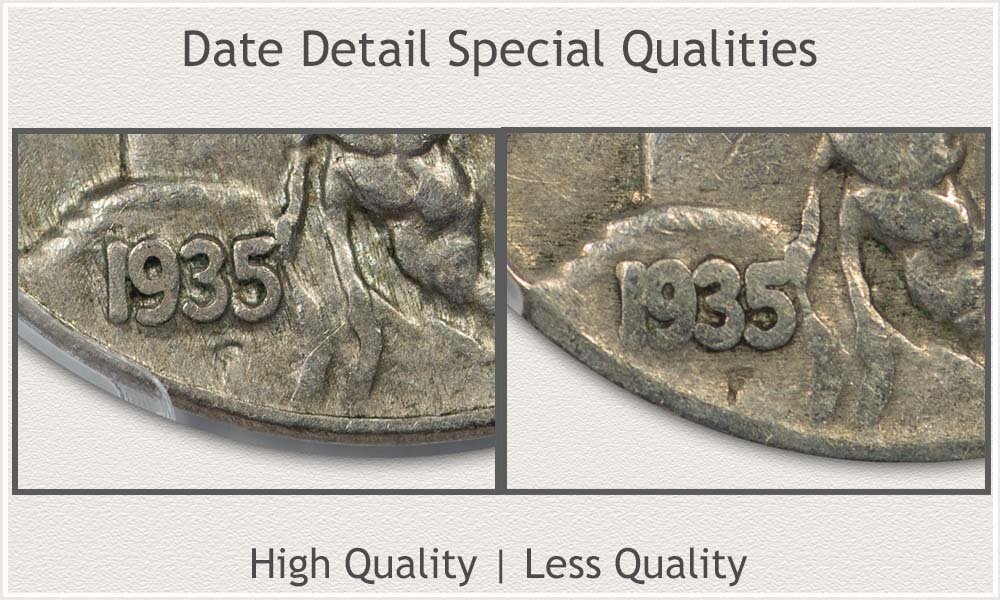 (fig. 12) Compare the Features of a High Quality Date
Move to the date area next. Study the clarity of the date on the left coin. Each numeral shows clearly with complete outlines. Note how the date appears well raised in height. Now compare the lesser quality right side coin. Outlines of the numbers appear wider because of wear. Also, their height is visibly lower and closer to the background. Study both examples closely to see this difference. Judge the condition and visual appearance of your coin with these examples.
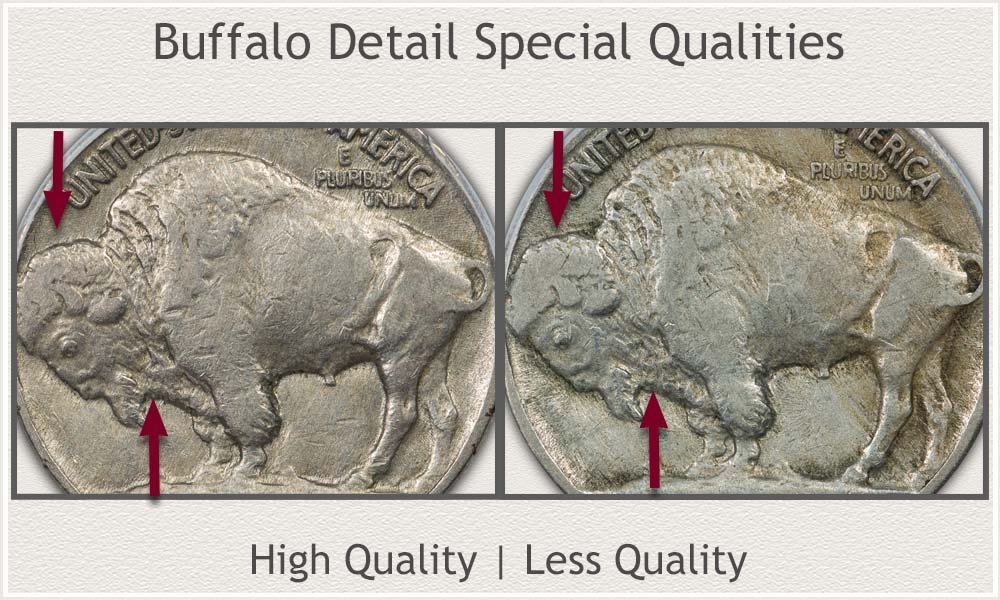 (fig. 13) Examine High Quality Features of the Buffalo
When turning to the reverse, the first overall impression gives both coins a quality appearance. Starting at the front shoulder of each bison, view the amount of fur detail. From the shoulder towards the head, note a slight increased amount of visible detail on the left coin. Deeper recesses between the head and shoulder and a subtle increase of detail along the top of his head. This begins to visually identify the higher quality left side example.
Notice also, this higher condition nickel has a fully outlined horn detail. This "full horn" metric places its condition into the Extremely Fine grade range. A favorable comparison of your coin identifies a quality Buffalo nickel. Ample fur detail, plus the complete horn outline, adds the needed features, improving aesthetics.
Using a comparison method with known graded coins highlights these subtle details of higher quality. Cast a single light across the surface of your coin. Good lighting helps amplify small, deciding features. Solid demand supports the Denver issue 1935 nickel premium, especially in a condition seldom found.
The specific date of Buffalo nickels begins the value process. The mint of origin and condition of the coin adds necessary details. These combined narrows the value range presented on the chart. Additional topics of interest are listed just below.
References
U.S. Mint. (1936) Annual Report of the Director of the Mint Fiscal Year 1936. United States Government Printing Office.
The Bureau of the Mint. (1928) Catalogue of Coins of the United States. United States Government Printing Office.
🔎What's next: Review the articles helping decide how to Value, Sell, and recognize Rare Nickels.
Coin Values | CoinStudy Articles
Date by Date
In Depth Buffalo Nickel Value
1913 to 1938
Buffalo Nickel Value | Chart Plus - Steps to Identify Each Coin
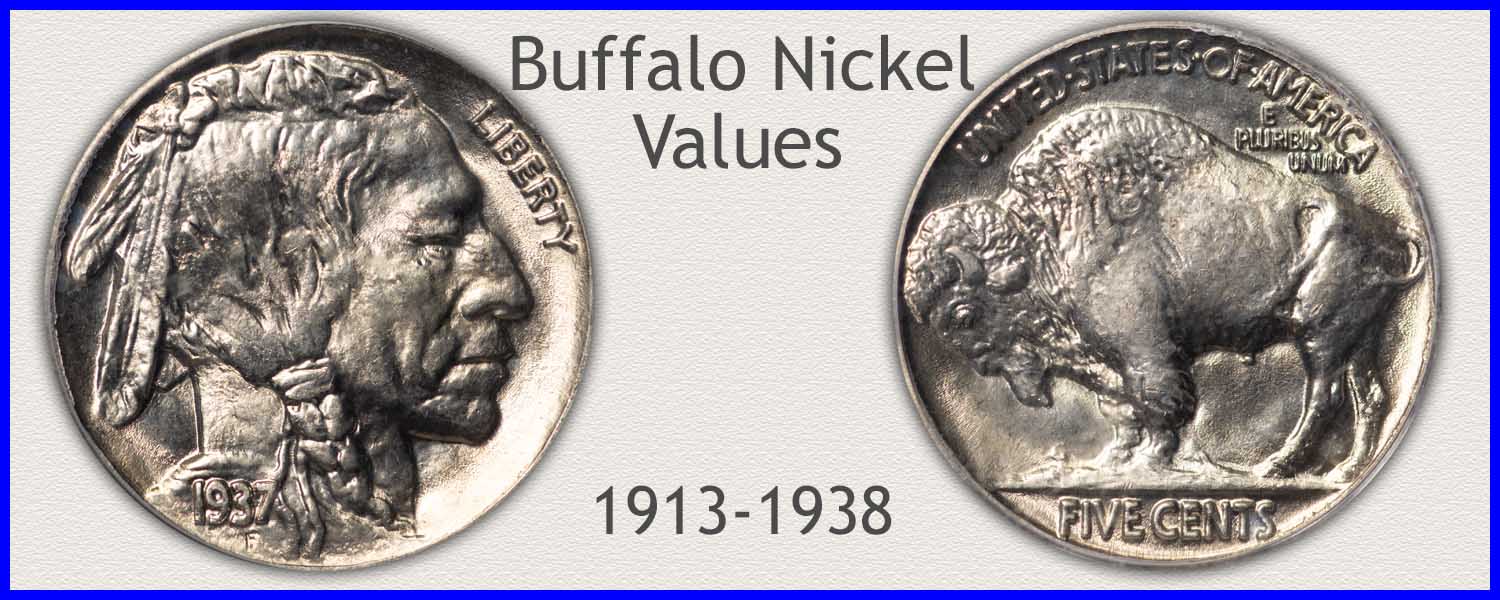
Review the complete value chart. With dates and mints listed, value each by their their different condition levels. Interest in Buffalo nickels by collectors and the market support premium worth. With a step-by-step process, recognize how much all Buffalo nickels are worth.
Rare nickels, for example, ones with double mint marks, occasionally "hide" in your box of old coins. Interestingly, some are still found in circulation today. The reason is most require a magnifying glass to discover. In this case the smallest of details makes for a valuable coin.
Selling Coins | How to Get the Best Value
Selling coins follows a defined method. Organize and research the value of the coin. Secondly, research for a dealer with an interest in the coin. Reference the selling guide and refer to listings of dealers to contact.
★Coin Values Discovery... finds 1935 nickel value and...
Recognize the potential found in a box of old coins. Buffalo nickels are part of the many older coins enjoying premiums. A step-by-step process identifies key features needed for a complete evaluation of coins.