Coin Values Moving with Precious Metals: Up-Dated 10/26/2026: Gold $4013 | Silver $54.05
1921 Nickel Value: Identify Date, Mintmark, and Grade
1921 nickel value, noted on the chart, clearly shows the scarce quality of this year's Buffalo coinage. Standout requirements, identify the correct mint variety, and recognition of the coin's condition. Following the step-by-step method, examine and confirm these and any added special qualities.
With these facts, accurately find your coin's place on the value chart. This is a special year of the Buffalo nickel series with solid demand.
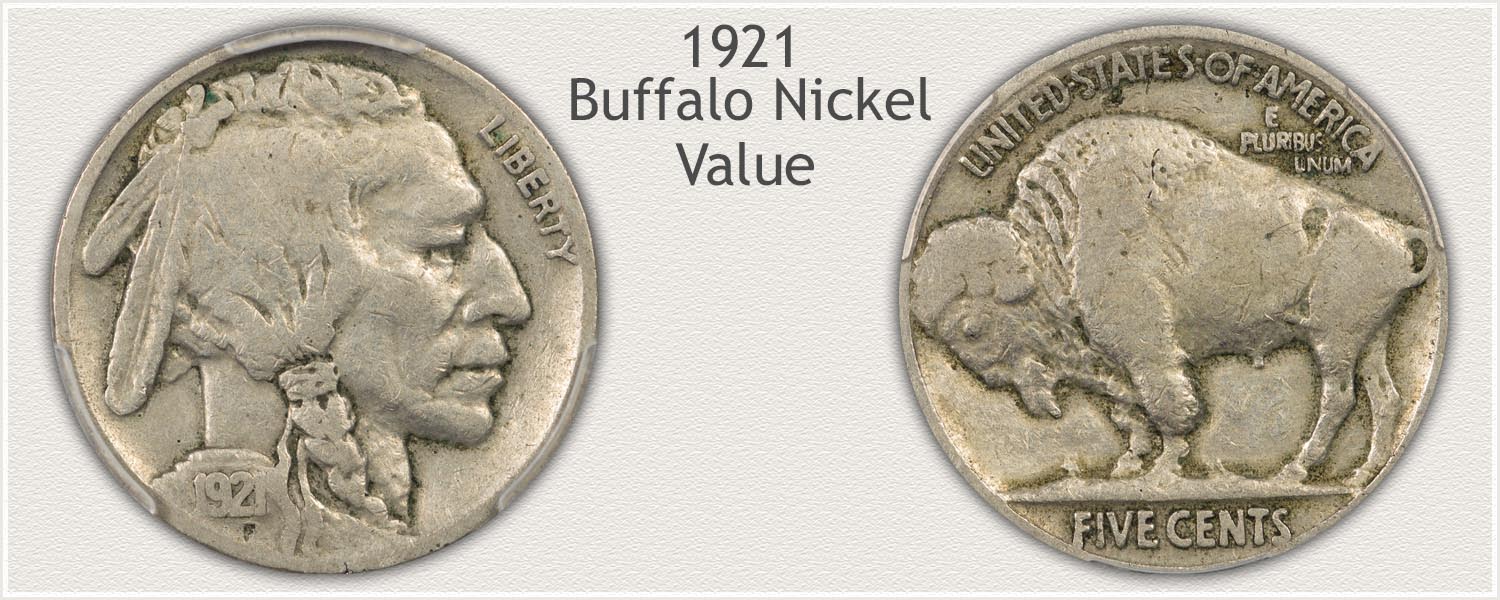 (fig. 1) Obverse and Reverse of a 1921 Buffalo Nickel
| 1921 Nickel Value | ||||
|---|---|---|---|---|
| Condition of Coin | ||||
| Date | Good | Fine | Extremely Fine |
Mint State |
| 1921 Nickel Value Updated | 2026 | |||
| 1921 | $3.25 | $6.18 | $35 | $193 |
| 1921 S | $43 | $109 | $676 | $1,469 |
Above are averaged wholesale values, an excellent starting point range. Use as a guide and range when determining how much your coin is worth.
Steps Leading to Value:
- Step 1: Date and Mint Variety Identified: A scarce coin: identify an accurate date and mint combination.
- Step 2: Grading Condition: As a key part of its valuation, determine the coin's condition when compared with images.
- Step 3: Special Qualities: Insight into a scarce low mintage Philadelphia issue.
Step 1: | Date and Mintmark - Two Distinct Varieties
The date of a Buffalo nickel is a key factor when determining its place on value charts. Scarce or common issues are often separated by only one year. 1921 nickels are an example. These became an elusive date within the series.
Locate the date on the lower Indian's shoulder slightly above the rim. The step-by-step process requires an accurate reading of the date.
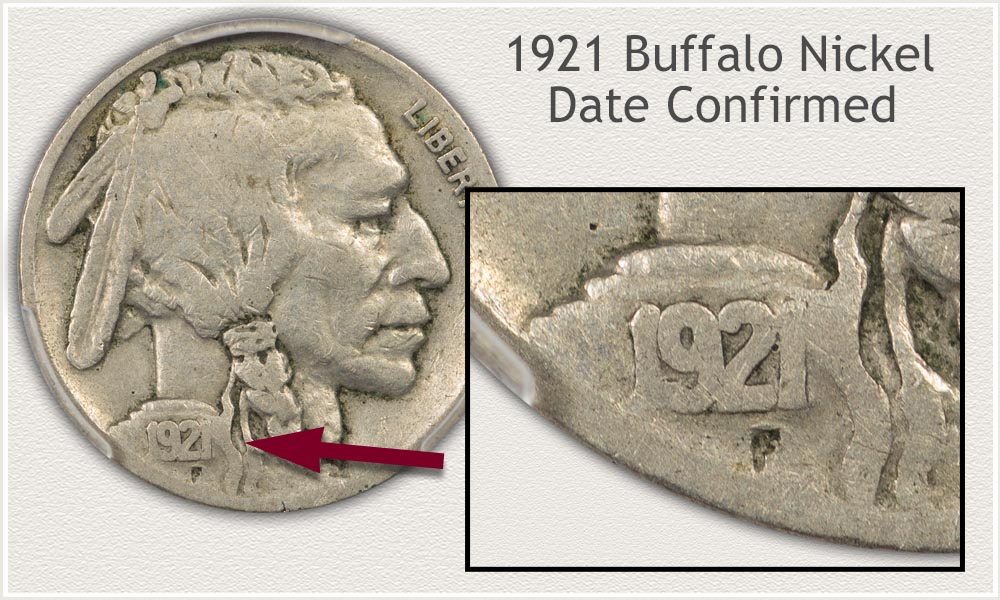 (fig. 2) Locate the Date on a 1921 Buffalo Nickel
Key Features Identify a Partial Date 1921 Buffalo Nickel
When the date area on these nickels becomes worn, accuracy becomes difficult. Fortunately, a few key markers often remain visible.
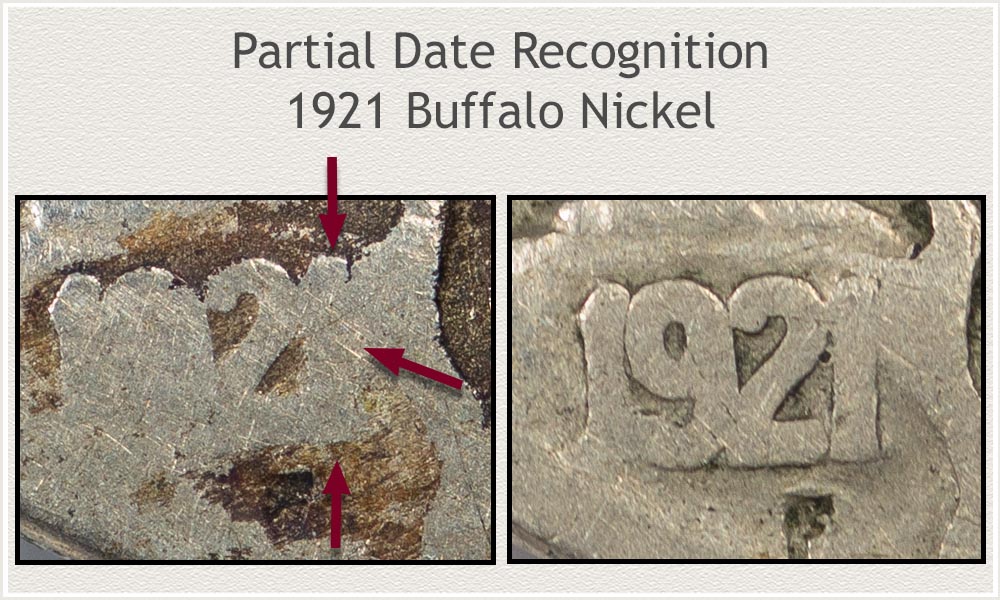 (fig. 3) Highlighted Features Identifying a 1921 Buffalo Nickel
All Buffalo nickels where minted in the 1900s. The first two digits are always "1" and "9." When these numbers become faded and merged, the date is known as a "partial date."
Identifying the next digits confirms the date. View the imaged example closely. A "2" shows enough detail to recognize. Note the rounded top of the "2" and straight, slanted lines. These are specific features of the number. Additionally, the "1" has unique elements. A straight, vertical line defines the separation from the "2" at the right. Looking at the bottom of the "1," a clear straight line matches the straight bottom of the "2." A faded right side of the "1" is a typical wear pattern. With these markers, compare your coin. Use a single light source helping bring out subtle detail.
Identify Two Varieties/Issues of 1921 Nickels
One of the scarce dates of the series, 1921 Buffalo nickels have two varieties. The Philadelphia and San Francisco issues. Each valued differently because of scarcity.
The branch mint, San Francisco, struck nickels with an "S" mintmark to indicate their production. This small letter mark is located on the reverse slightly below the "E" and "C" of FIVE CENTS.
All Buffalo nickels struck by the Philadelphia mint did not have a mintmark. The space below FIVE CENTS is empty. An accurate recognition of the mint determines the coin's listing on the value chart.
The Elusive "S" Mintmark 1921 Nickel
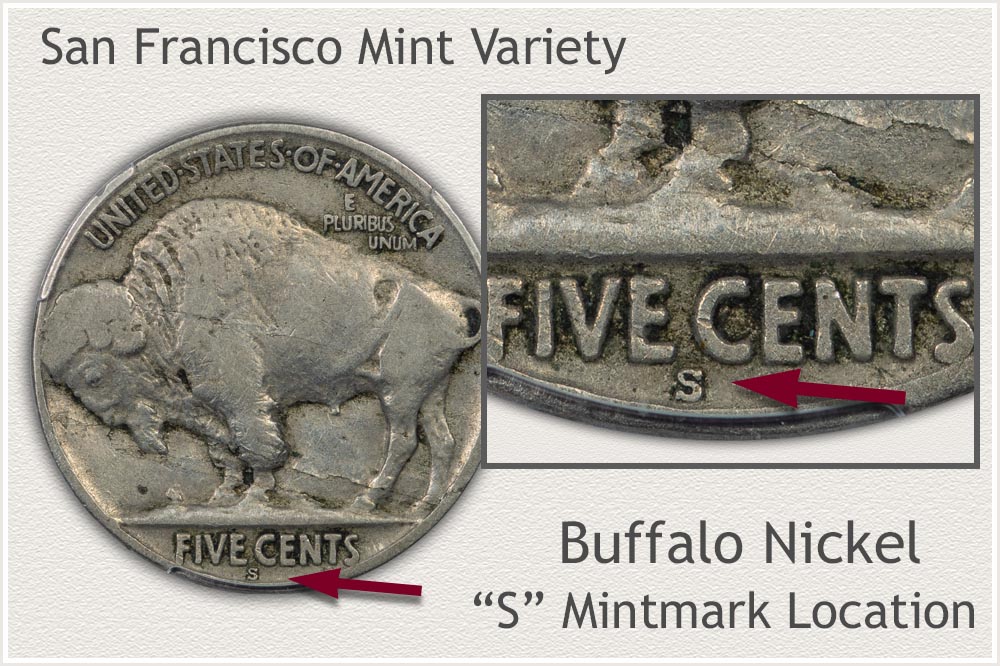 (fig. 4) Use the Location and Close Up to Confirm the S Mintmark Buffalo Nickel
With a recorded mintage of just 1,557,000, this San Francisco nickel is now a premium coin. By the end of the series, this under two million production ranks as the sixth lowest Buffalo nickel variety. They are a valuable coin in all levels of preservation. Full set collectors require the coin, San Francisco specialists seek high quality examples, and rarity collectors support extremely strong values.
As a special coin within a popular series, condition now becomes an important factor when determining its accurate value. Step 2, just below, guides and identifies a condition range.
"No" Mintmark Nickel
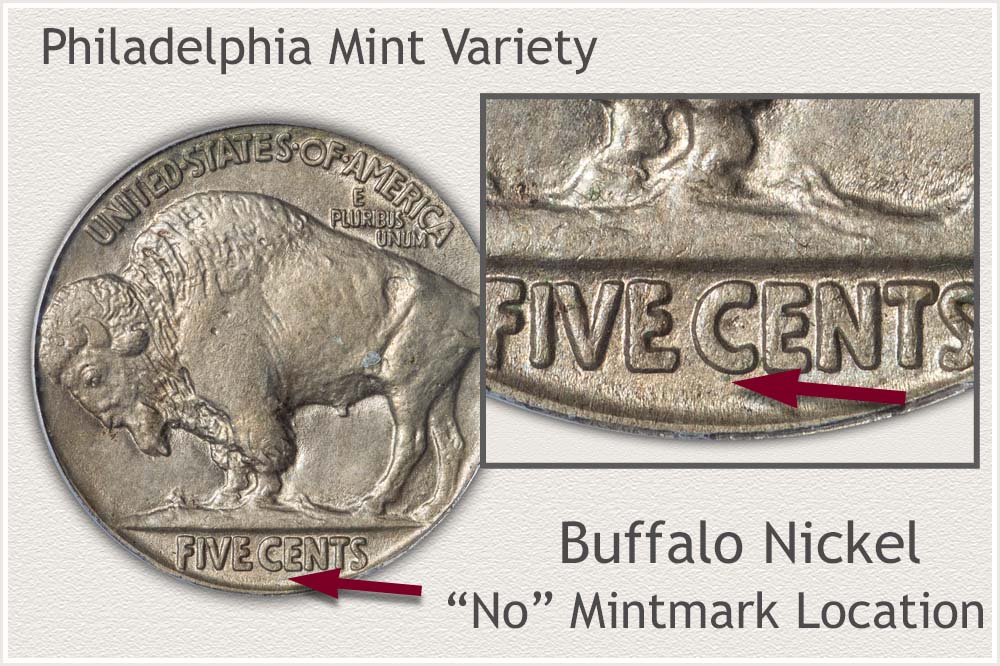 (fig. 5) Location Highlighted to Confirm a No Mintmark Philadelphia Mint Buffalo Nickel
Often found displaying extensive wear, the Philadelphia variety is the most available issue representing a 1921 nickel. However, despite their affordable premiums, these were produced in low quantities, 10.6 million total. This initial low quantity factor always draws attention within the hobby.
Any 1921 nickel is now very old, of interest to many collectors, and enjoys a strong demand. Handle this coin with care by the edges. Confirm the "no mintmark" indicator of the Philadelphia mint. Keep the coin separate from others and begin the judgement of its condition.
With the facts of date and mintmark identified, the condition of a coin's surface now determines its accurate location on the above value chart.
Step 2: | Judging Condition and Identifying an Accurate Grade
1921 nickels are a scarce date and scarce in high quality condition. Rating a coin's condition into a "grade" begins to narrow its value listing on the chart. When grading your coin, start with comparing it to the images below. Each is an example of a grade with highlights pointing to the key features deciding the grade.
Now determine a close match to one of the grading images. Next, review the grade descriptions, helping define the quality needed for the grade. Condition of these coins involves many variables, some subtle. It is important a similar amount of visible detail remains on your coin.
View the coin under a single light, often with magnification. The one light results in strong shadows across the surface. Tilt the coin and view at different angles; this brings out subtle detail.
Mint State Grade
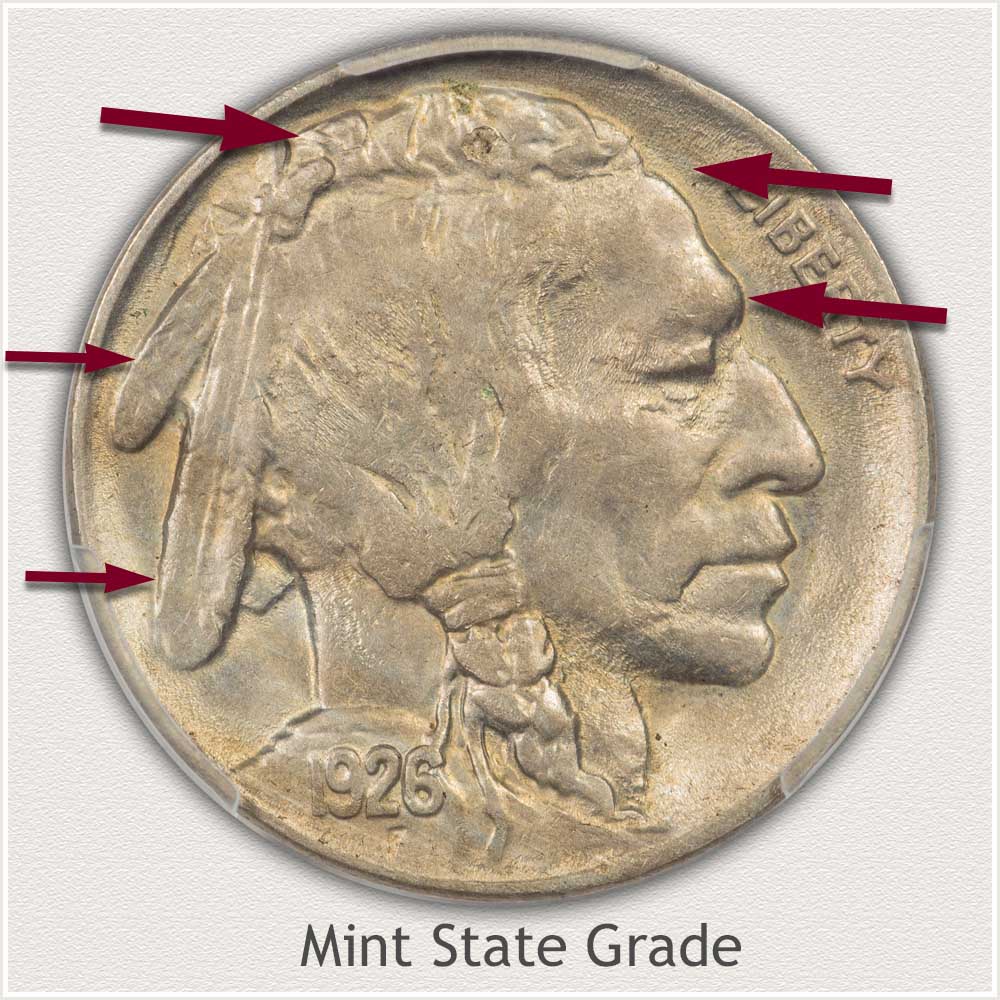 (fig. 6) Using the Location of Grading Points Identify a Mint State Grade Buffalo Nickel
No wear on any part of a Buffalo nickel's surface describes the Mint State condition. This grading term, Mint State, defines the strict requirement to qualify for this elite state of preservation. Evaluating specific high points of the design and inspecting for signs of an original surface performs the grading process. Compare the example (fig. 6) with your coin, noting similar qualities confirming the grade.
Begin with an examine of the Indian's forehead. Above the eyebrow (fig. 6), note a consistent texture and similar brilliance of the metal overall. A lustrous shine reflects off the surface. If any wear occurs, the metal becomes smooth, losing its fine grain texture. Wear also dulls the luster, changing it to a soft gray color. Tilt your coin under a single light; when moving the angle of light, note any dull surface quality. Dulling and smoothing identifies areas of wear.
Apply the evaluation to the hair along the top of his head. Inspect the high contours of hair strands. Moving light over the hair, the surface shines with a similar brilliance on both high and low points. Top contours of strands appear with a similar brilliance as low relief areas between strands.
A slight color change on the metal is not a definitive sign of wear. As reference; note the ends of the two feathers at the back of his head. Often the higher contours, for example, feather edges, show a slight color change. This slightly different color is the result of metal toning over time. Magnify the feather ends on your coin. The presence of similar metal texture on high edges needs to match the texture within recessed central feather areas. When both areas match, the indication is an unworn surface.
Importantly, combine the judgment of these areas. A majority of features appearing original and without wear indicates the Mint State grade.
Extremely Fine Grade
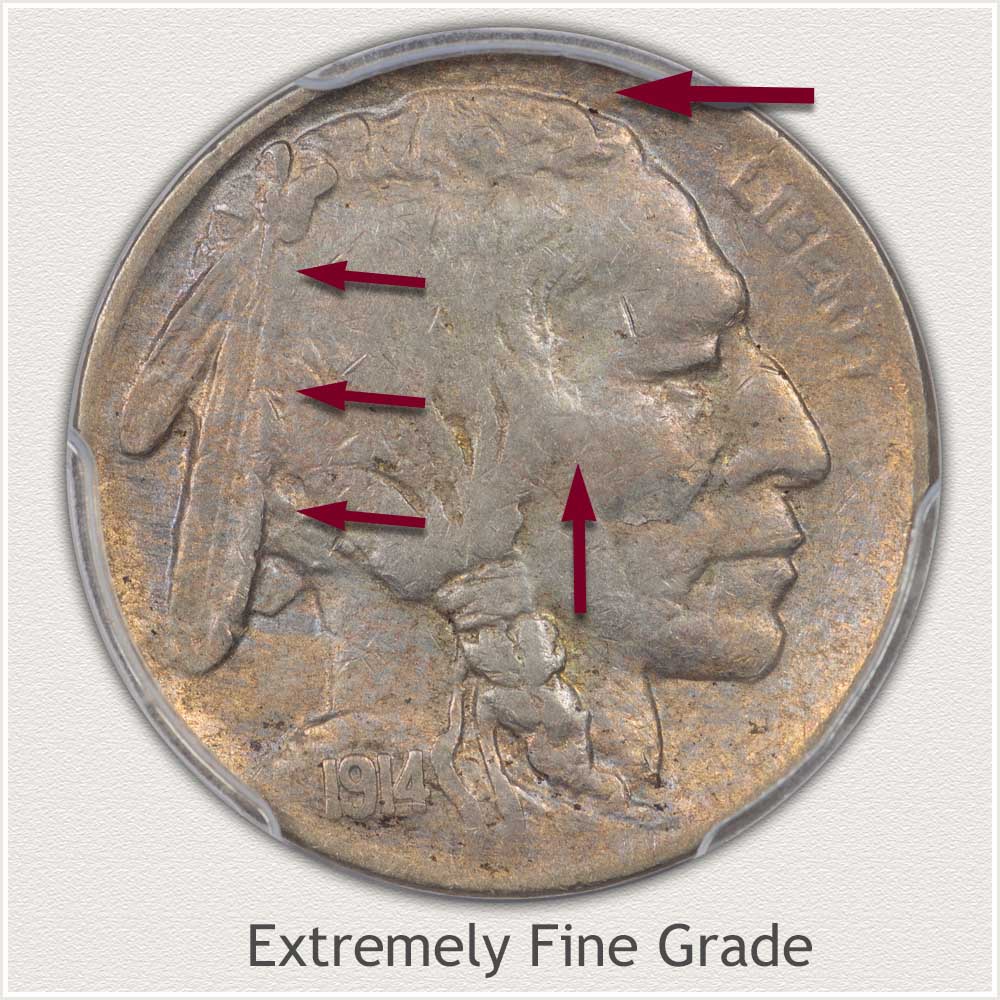 (fig. 7) Grading Areas Highlighted on an Extremely Fine Grade Buffalo Nickel
Referencing the chart, the value of high quality 1921 nickels requires recognizing the light wear condition. This Extremely Fine grade defines coins with light wear, smoothing only high relief contours. First, certain areas show the effects of wear in a measurable way. Grading condition identifies the remaining detail. Secondly, compare with the example image to help define wear levels, indicating the Extremely Fine grade.
Chosen for its ample detail, inspect the condition of the hair above the Indian's part line. In light wear condition, many deep recesses remain with some flattened metal along the tops of contours. With most of the hair strands separated, it meets the grade requirement. Identify a close match of your coin with the visible detail on the graded example.
The Indian's cheek shows the result of light wear. A soft gray color highlights this metal surface smoothed by wear. The amount of flattened area becomes the grading measurement. A slight loss of roundness on the top contour without connecting and extending into the hair meets grade level quality. Match this slight separation of the cheek from hair on your coin.
The right-side edge of the large feather shows a subtle grading requirement. With only light wear, the defining right edge of the feather remains slightly raised above the hair. Scan this edge detail from the lower point to the bow at the top. Confirm on your coin, the edge appears somewhat flattened without extensive merging with the hair. A majority of the edge visible indicates a quality within the Extremely Fine condition.
Extremely Fine grade Buffalo nickels display a bold overall appearance.
Fine Grade
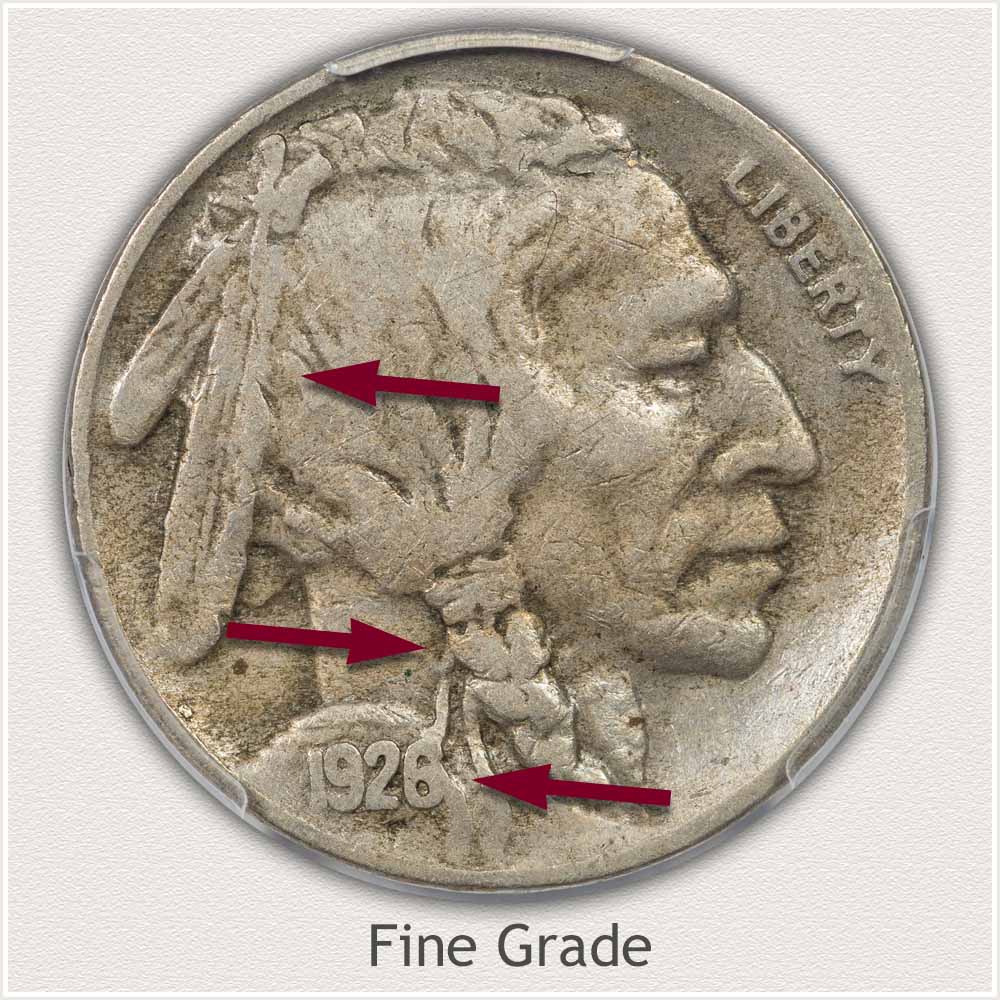 (fig. 8) Closely Compare to the Key Grading Features Identifying the Fine Grade Buffalo Nickel
First observation must impress with the amount of detail visible. At this condition level, clear design elements give the surface a strong quality look. Moderate wear defines the grade; visible fine detail confirms the grade. Although many areas show smooth metal, it is the clarity of key features used when identifying a Fine grade Buffalo nickel.
Looking at the back of the Indian's portrait finds many remaining details within the feathers. Both the large and smaller feathers show a distinct outline. Where the large feather meets the hair, a slight but visible raised contour remains. Additionally, the smaller feather lies below where it meets the larger feather due to intact edges. With a defined central shaft, all of these features represent the Fine grade condition.
Below the hair, a braid begins. A ribbon clearly ties the hair with trailing ends that extend over the shoulder. In this condition the ribbon ends are bold near the braids and fade once reaching the shoulder. Clear detail next to slightly faded detail meets the grade definition.
A pleasing amount of the date and its defining outline must show to grade Fine condition. Note in the image (fig. 8), most of the numbers are completely outlined and raised. The slightly faded edges of the last digit become a deciding factor pointing to the Fine grade range. With one slightly faded number in the date, this coin fits solidly with the grade. A fully raised date becomes a plus, adding to confidence in an accurate judgment.
Good Grade
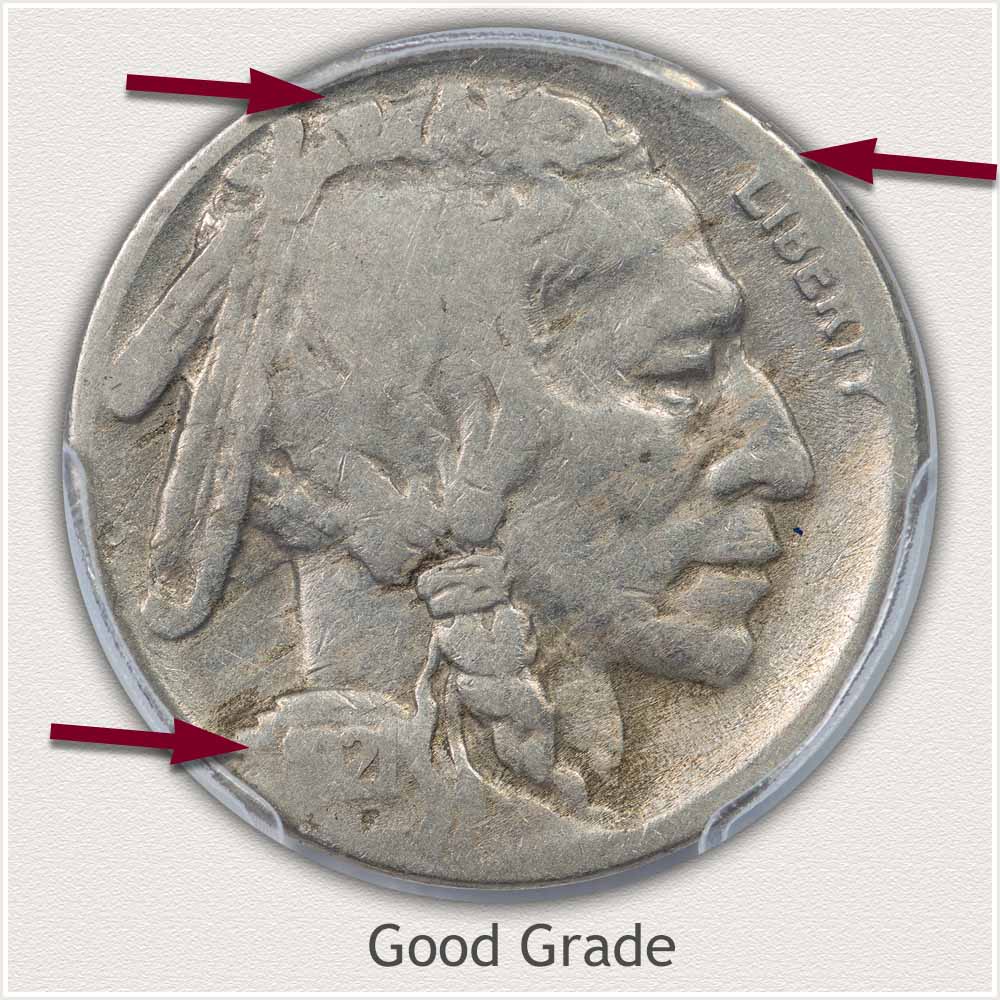 (fig. 9) Use Highlighted Features to Identify a Good Grade Buffalo Nickel
Because of this nickel's scarcity, confirming a narrow grade range also narrows its value range. Viewing the example image, note the extent of flattened surfaces. Flatness within the hair, the area surrounding the date, and reduction of rim detail. These three features display a heavily worn surface. However, they show enough detail placing the coin in a collectible grade category.
Most hair strands within the portrait appear faded and smoothed. Importantly notice the deep hair recesses along the very top. This area shows high detail when compared to areas below.
Along the lower shoulder, extensive wear smooths most of the area. The date appears faded, however, enough remains of the numbers to confirm 1921. Missing outline of digits judges the condition and grade level.
Inspect the rim next. This raised area still shows definition along most of its length. Merging with the top of LIBERTY and fading completely at the shoulder become visual markers determining the Good grade.
Compare these specific features and qualities against the condition of your coin. The professionally graded example (fig. 9) represents a nice Good grade Buffalo nickel. A close match places your coin in the Good condition range.
How to Video: Grading Buffalo Nickels
A large range of value defines 1921 nickels. The coin's condition plays a larger role in deciding on its value listing. Use the grading guide descriptions and additional images to refine your judgment of condition.
Grading Buffalo Nickels | Visual Grading Guides
Step 3: | Special Qualities | A Scarce 1921 Philadelphia Issue
Time to highlight a scarce issue Buffalo nickel. The 1921 Philadelphia mint nickel set a low mintage record. Each year the mints record their production per domination, giving an account of coins struck. Over the course of a series, these mintage numbers vary, often widely. By the end of the Buffalo series, the mintage of 1921 nickels in Philadelphia became a significant low total.
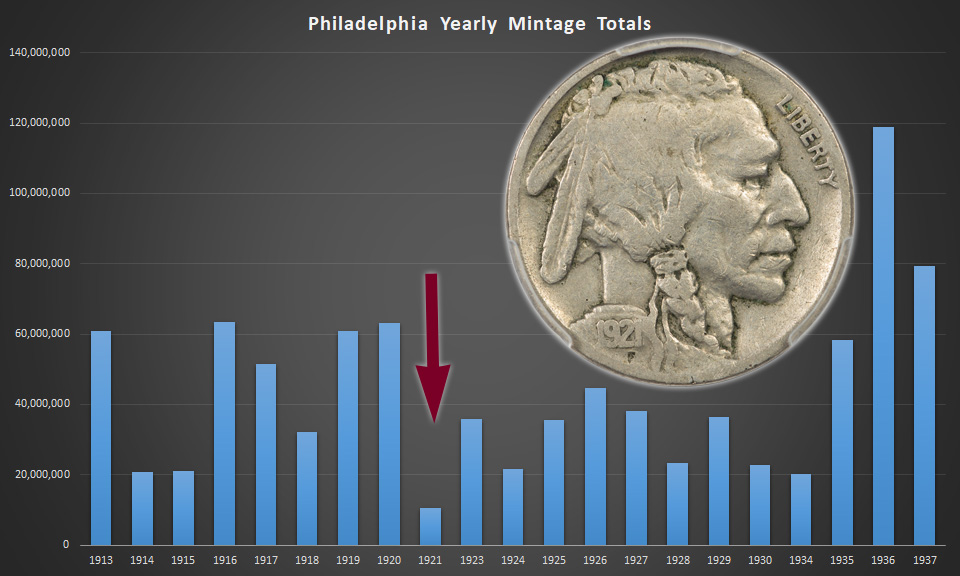 (fig. 10) The 1921 Philadelphia Buffalo Series Low Mintage Total
Known for its large minting capacity, Philadelphia struck only 10,663,000 Buffalo nickels in 1921. Illustrated in the chart (fig. 10), this number became twice as low as the next highest. Fortunately, for today's collectors, this low mintage trend lasted only one year.
An affordable premium is the special quality of all 1921 nickels. Here is a coin scarce in its initial numbers produced, however, available to all levels of collectors. Consider your coin as an in demand, historical part of the Buffalo nickel series.
With a factual description of your coin and its importance, reference the following articles. The complete Buffalo series value charts, along with saving and storing these old nickels.
References
U.S. Mint. (1922) Annual Report of the Director of the Mint Fiscal Year 1922. United States Government Printing Office.
The Bureau of the Mint. (1928) Catalogue of Coins of the United States. United States Government Printing Office.
🔎What's next: Review the articles with insights to professional evaluation of high value nickels, recording and storing these nickels.
Coin Values | CoinStudy Articles
Date by Date
In Depth Buffalo Nickel Value
1913 to 1938
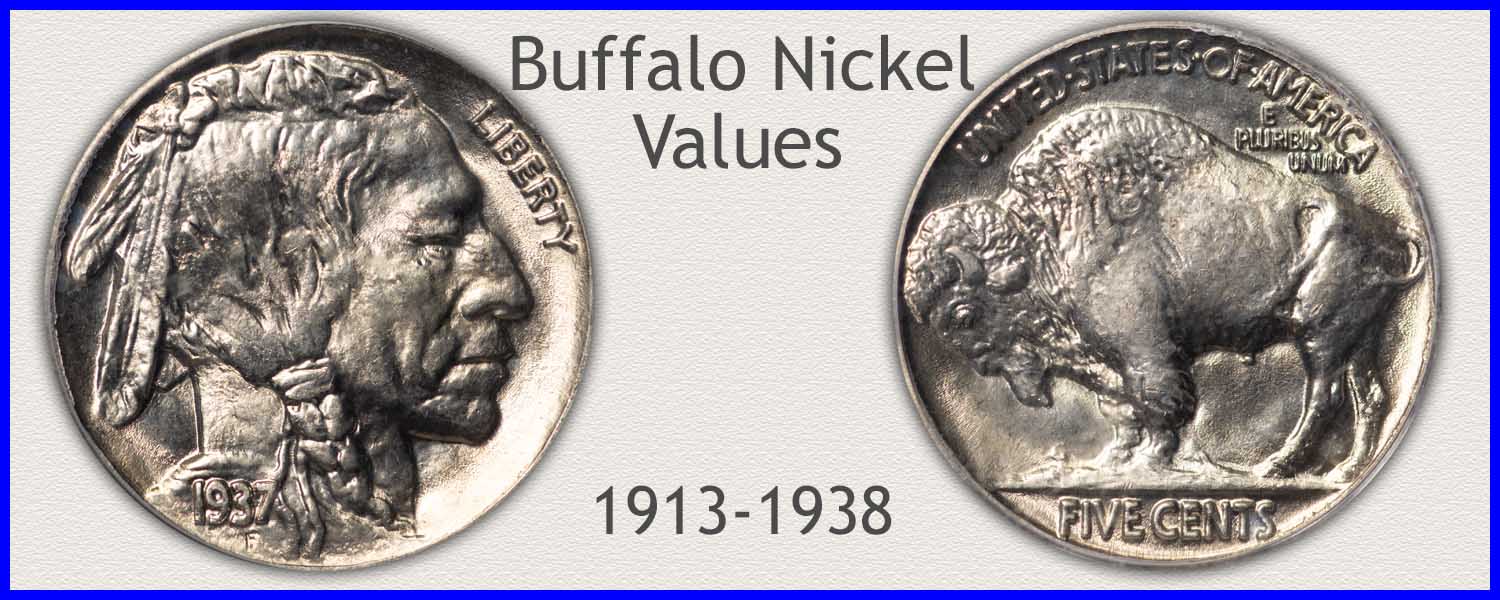
Buffalo Nickel Value | Complete Listing
Buffalo nickels enjoy popularity and demand from collectors. Even coins without dates have a premium value. Today, collectors closely examine Buffalo nickels looking for special dates and higher condition examples. Often large value differences are found in just a minor improvement in how well the coin is preserved. This collector preference creates demand showing in strong values on the complete value chart. Follow the steps to correctly identify and judge your old nickels.
Coin Grading Services | Professionally Evaluate Your Coin
A premium 1921 nickel often requires additional evaluation. Professionals at these coin grading services first authenticate the coin. Next a grade is established. Then the service encapsulates the coin. This combined gives premium value coins market acceptance of its condition and grade.
Print the Coin Values Worksheet
Print the Coin Values Worksheet to list your coins and record their values. Add comments and keep as a written copy of the entire collection.
Selling Coins | How to Get the Best Value
Selling coins follows a defined method. Organize and research the value of the coin. Secondly, research for a dealer with an interest in the coin. Reference the selling guide and refer to listings of dealers to contact.
Safe Coin Storage | Recommendations
Storing your coins correctly preserves value. Single high value coins need protection from elements in the air and contact with their surface. Large quantities of coins are conveniently housed in special holders. Safe methods are explored.
★Coin Values Discovery... finds 1921 nickel value and...
An image guide highlights details about important features on old coins. Using both descriptions and images, identify dates and mint varieties, the condition of the coin, and special qualities. A step-by-step process discovers how much a box of old coins is worth.