Coin Values Moving with Precious Metals: Up-Dated 10/5/2026: Gold $4131 | Silver $60.80
1917 Nickel Value
The coin market rewards above average premiums on all early Buffalo nickels. 1917 nickel value reflects this demand in all levels of condition. With a large range across the value chart, a step-by-step process identifies the date, even if semi-clear. Next, confirm the mintmark and then judge condition comparing with grading images. This method narrows how much your coin is worth.
 (fig. 1) 1917 Buffalo Nickel Obverse and Reverse
Steps Leading to Value:
- Step 1: Date and Mint Variety Identified: Date and mintmark combinations recognized and confirmed.
- Step 2: Grading Condition: Next judge surface quality of the coin. Images highlight specific features separating different levels of condition.
- Step 3: Special Qualities: Techniques used to identify a faded mintmark on a Buffalo Nickel
| 1917 Nickel Value | ||||
|---|---|---|---|---|
| Condition of Coin | ||||
| Date | Good | Fine | Extremely Fine |
Mint State |
| 1917 Nickel Value Updated | 2026 | |||
| 1917 | $3.51 | $6.28 | $13 | $53 |
| 1917 D | $15 | $26 | $102 | $374 |
| 1917 S | $17 | $68 | $137 | $1,118 |
There is a demand for these old nickels. The chart represents wholesale Buffalo nickel values. Computed from dealer's price lists with various markup factors figured in.
Step 1: | Date and Mintmark Correctly Identified
An accurate reading of the date becomes the basis of all value research. Recording the date is the first entry in a coin's complete description. Inspect the obverse side of the coin on the back side of the Indian's shoulder. A small sized date sits on a raised area.
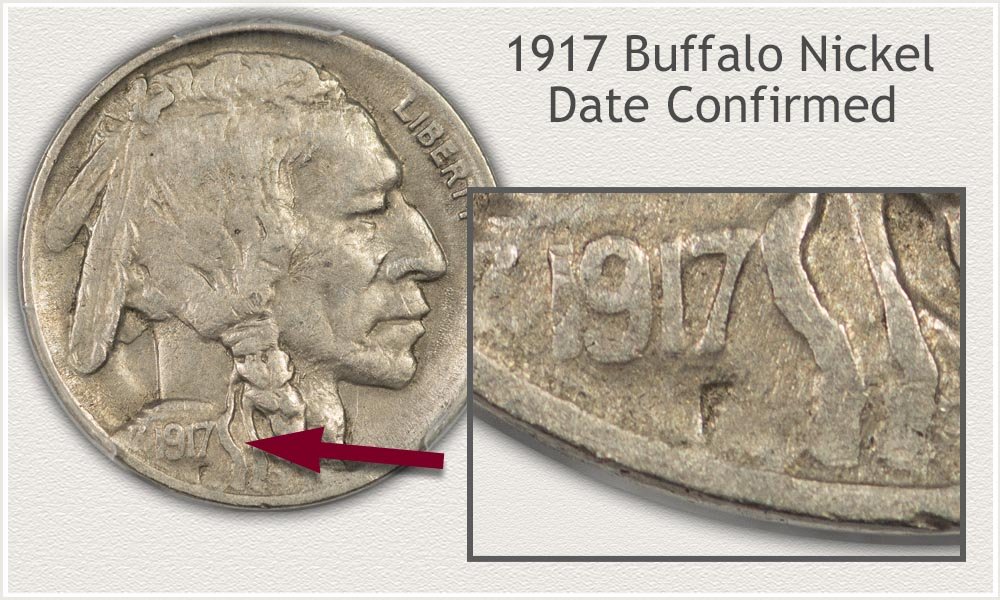 (fig. 2) Date Location and Magnified View of a 1917 Buffalo Nickel
Specific Features Identify a Partial Date 19xx Buffalo Nickel
If the date on your coin appears faint and missing digits, there are specific features helping confirm the 1917 nickel. Using a single light, magnify the date area. Focus on the last two numbers of the date.
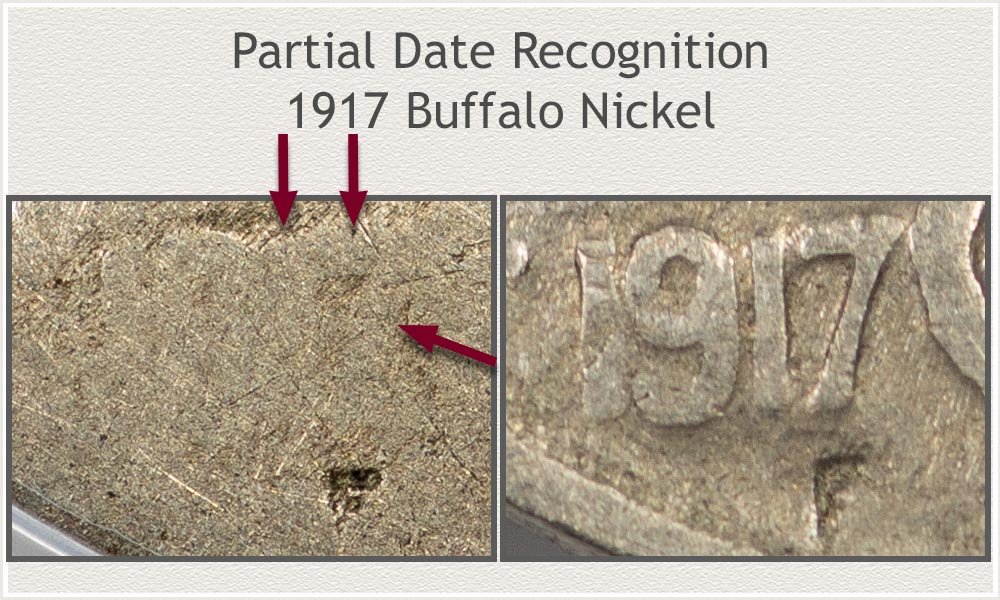 (fig. 3) Compare to Highlighted Features of a Partial Date 1917 Buffalo Nickel
Image (fig. 3) shows a very worn date area. First, study the appearance and positioning of the clear 1917 date, specifically along the top edges. On the clear date, a wide flat top seven and a narrow top one, sit close together. Also, the distinct triangle forming the inside of the seven is a deep depression with straight sides.
Now inspecting the faded date, a small flat indicates the one that sits close to the wide flat top seven. Although faint, these small features of close spacing of flat and straight lines indicate a "1" and "7." Note also, on the faded date, just below the inside triangle, the straight back side of the seven. This combination of an inside triangle with straight top lines identifies the last two numbers as a "1" and "7." Record this important part of the description.
Date and Mint Combinations of 1917 Buffalo Nickels
Mintmarks become an important feature of this year nickel. Three mints struck 1917 nickels, with the Philadelphia mint producing most of the yearly number. Two branch mints, San Francisco and Denver, contributed lesser amounts. Today, the two branch mint varieties standout with their premium values.
Mintmarks identify the two branch mints with small letters on the reverse. San Francisco placed a small "S" letter just above the lower rim on the reverse. Denver production finds a small "D" letter within the same position. The Philadelphia mint did not use mintmarks when striking Buffalo nickels. Philadelphia mint coinage lacks a mark in the area below the "E" and "C" of FIVE CENTS.
The exact variety determines this coin's narrow value range. Note the premiums awarded to the Denver and San Francisco issues, indicating strong demand.
The Low Mintage "S" Mintmark Nickel
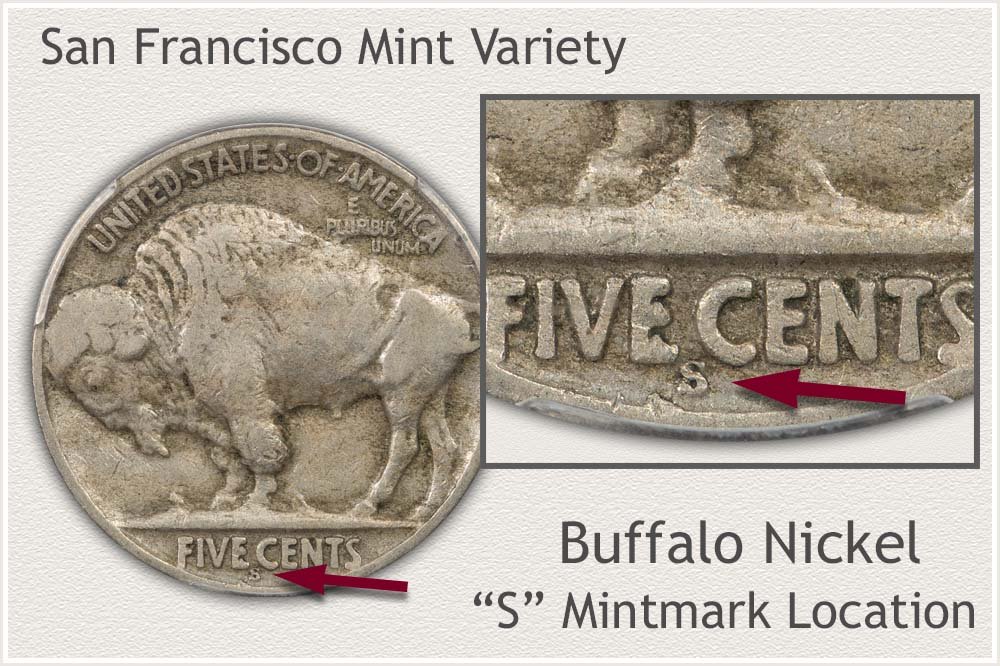 (fig. 4) S Mintmark on Reverse of a Buffalo Nickel
This first decade of Buffalo nickels continued with another scarce San Francisco issue. A 1917 "S" mintmark nickel ranks 12th lowest mintage of the entire series. With 4,193,000 struck, notice the range of values on the chart. Significantly, Mint State premiums indicate a rare condition for a 1917-S nickel. Few remain today without wear on their surface. Importantly, these represent premium value coins in any condition. 1917 San Francisco nickels are an important nickel to collectors.
"D" Mintmark Nickel
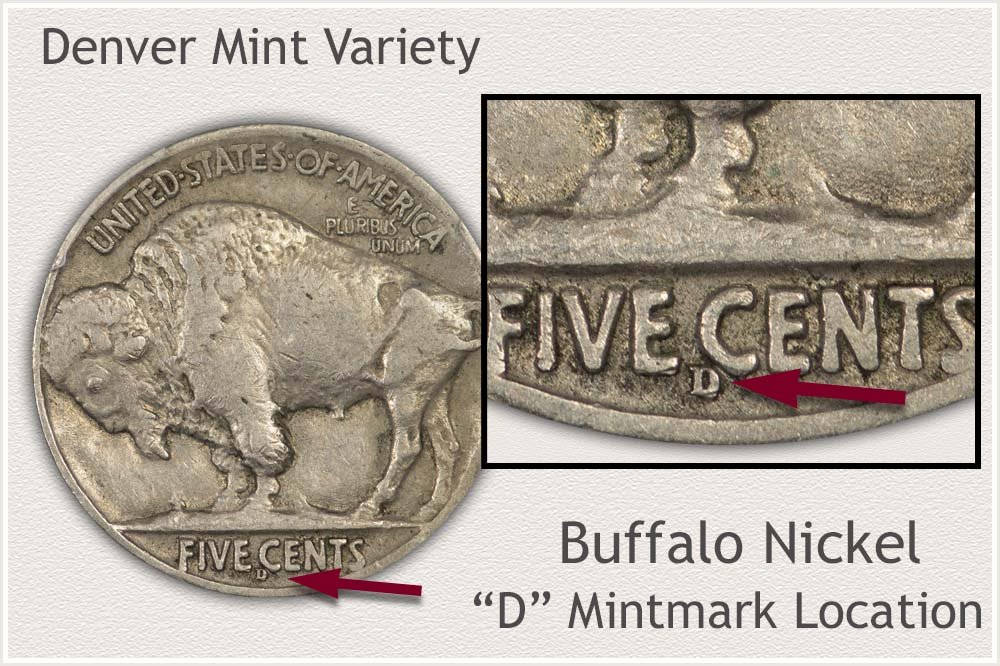 (fig. 5) D Mintmark and Location on the Reverse of a Buffalo Nickel
The 1917 Denver issue continues the trend of in demand Buffalo nickels. Denver, a branch mint that began operations in 1906, steadily increased its production capacity over time. By 1917 it recorded 9,910,000 Buffalo nickels struck. However, locating quality examples of the early teen years from Denver has proven difficult. Today, in high quality, these are an important find.
Viewing the value chart, a nice premium shows in all levels of preservation. Note the separation point of light wear versus moderate wear. There is a strong rise in value above Fine grade. This helps confirm most stayed in circulation, becoming very worn. Step 2, Grading, narrows this range on the chart.
"No" Mintmark Nickel
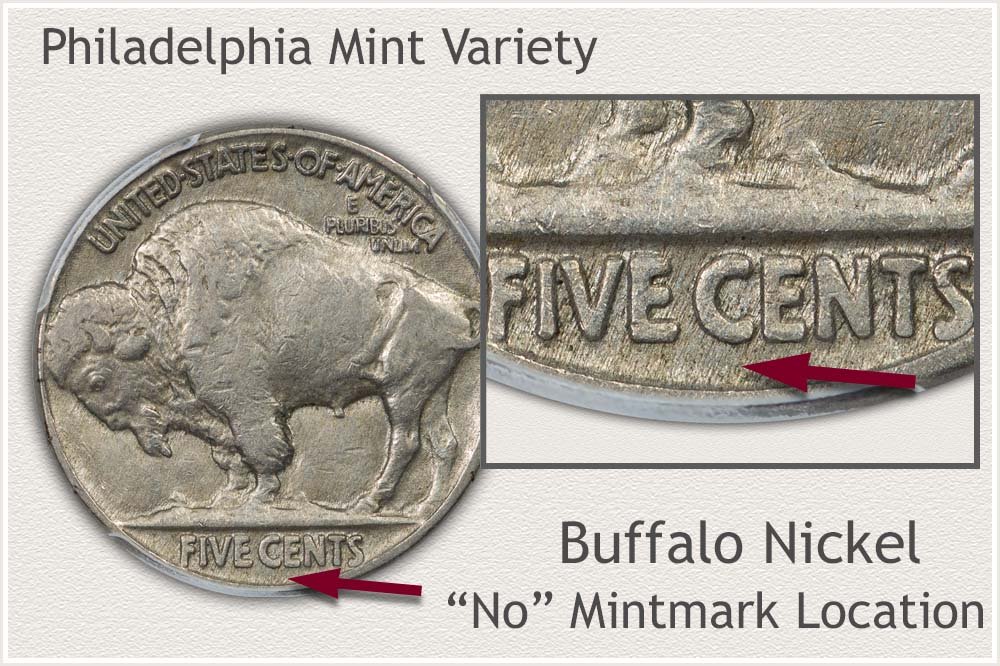 (fig. 6) No Mintmark Location Highlighted on the Reverse of a Buffalo Nickel
1917 represents another high production year for the Philadelphia mint. Not only supplying the coining dies to other mints, they produced many more nickels than the branch mints. Mintage records show 51.4 million Philadelphia nickels produced. These rank as "abundant" on a rarity scale.
However, the problem of obtaining a quality example 1917 nickel shows in the value chart. Listed at the lowest premium, Philadelphia coins are abundant in very worn condition. Notability, the demand for high quality versus supply strongly raises the premium.
A coin with high surface quality has the greatest value potential. Confirming the coin's date, plus the mint of issue, provides specific facts. Use these plus a close evaluation of the coin's condition to help narrow its premium range.
Step 2: | Grading with Images Narrows Condition Range
The large difference in values makes this year's nickel an important coin to assess its condition. Grading applies a set of standards to specific features and then assigns a grade. Grades then form the categories of values within the chart.
Start the grading process when comparing to the illustration of graded examples. Highlights point to key areas and their wear patterns. Reference the description of the grade describing specifics defining quality. With a close match, judge the amount of visible detail helping identify the grade level.
Mint State Grade
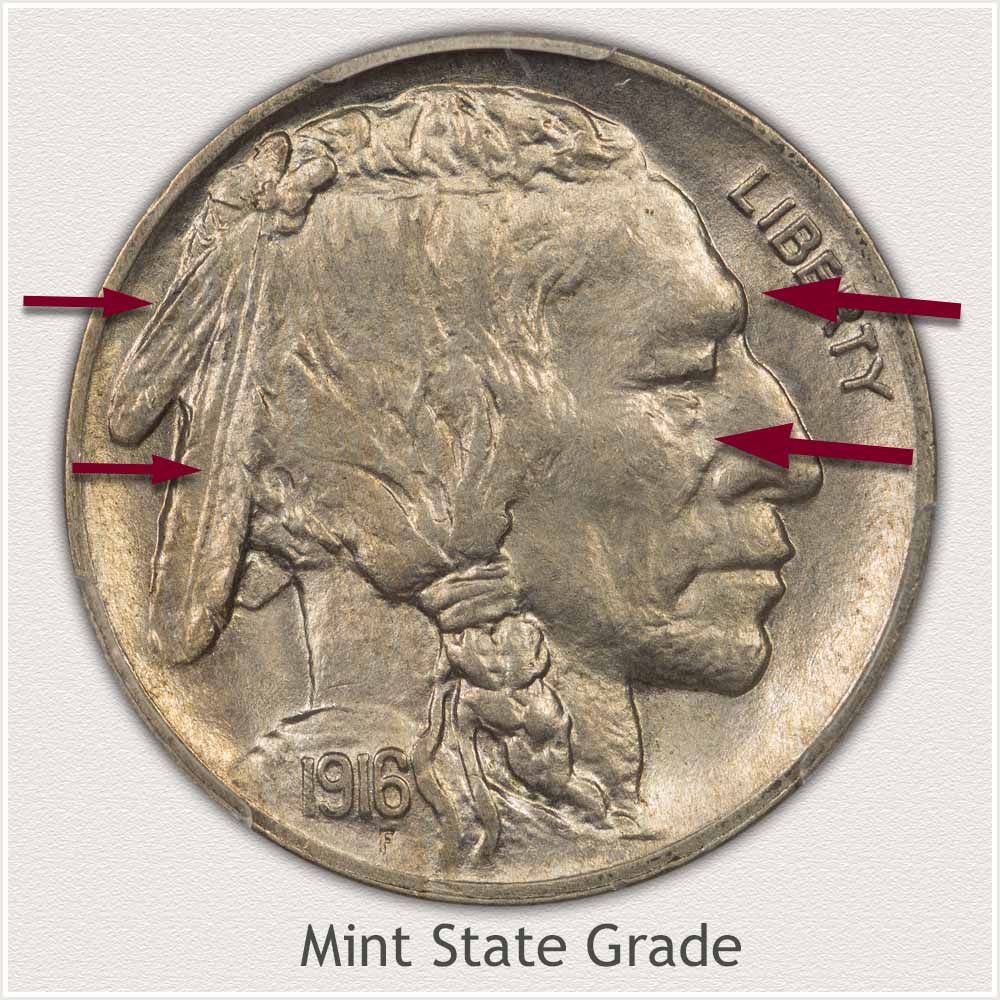 (fig. 7) Use the Highlighted Grading Points Helping Identify a Mint State Grade Buffalo Nickel
Every 1917 Mint State grade Buffalo nickel draws the attention of collectors. Even examples close to this high quality condition enjoy strong demand. Importantly, a Mint State nickel meets the definition of "no wear" on any part of the coin's surface. Slight wear eliminates the coin meeting grade level. Grading condition involves an examine of specific features confirming an absence of wear. Compare your coin with the example, focusing on highlighted areas. Subtle visual changes in metal surface quality decide the "no wear" condition.
Recognizing Wear on Buffalo Nickels. A nickel without wear has a reflective luster due to the texture of the metal. When a nickel is struck, pressure forcing metal into the coining die imparts a particular texture on the surface. This texture radiates as a brilliant luster under a light. Wear removing and smoothing the metal leaves a dull shine without the effect of luster. Use a comparison of high points to lower areas. A texture match on high points with low areas indicates the Mint State condition.
Facial features of the Indian provide an open metal surface as a grading point. High relief contours of the eyebrow and cheek quickly show any smooth metal and lack of original luster. Under a single light, tilt your coin, judging a match with high to low relief points. On the example, the eyebrow matches the lower temple. Also, the cheek matches the lower areas just below. All parts of the face reflect a luster as the direction of light changes.
Use the tilting technique with the high and low details of the feathers. At the back of his head, two feathers feature smaller details with many high and low areas. Notably, the raised feather edges show a fine grain texture matching inner feather detail. Confirm the small central shaft with its rounded profile has the same reflective qualities as nearby lower metal.
These open areas and smaller design points all remain similar. They display no signs of dulling or smooth metal from wear.
Extremely Fine Grade
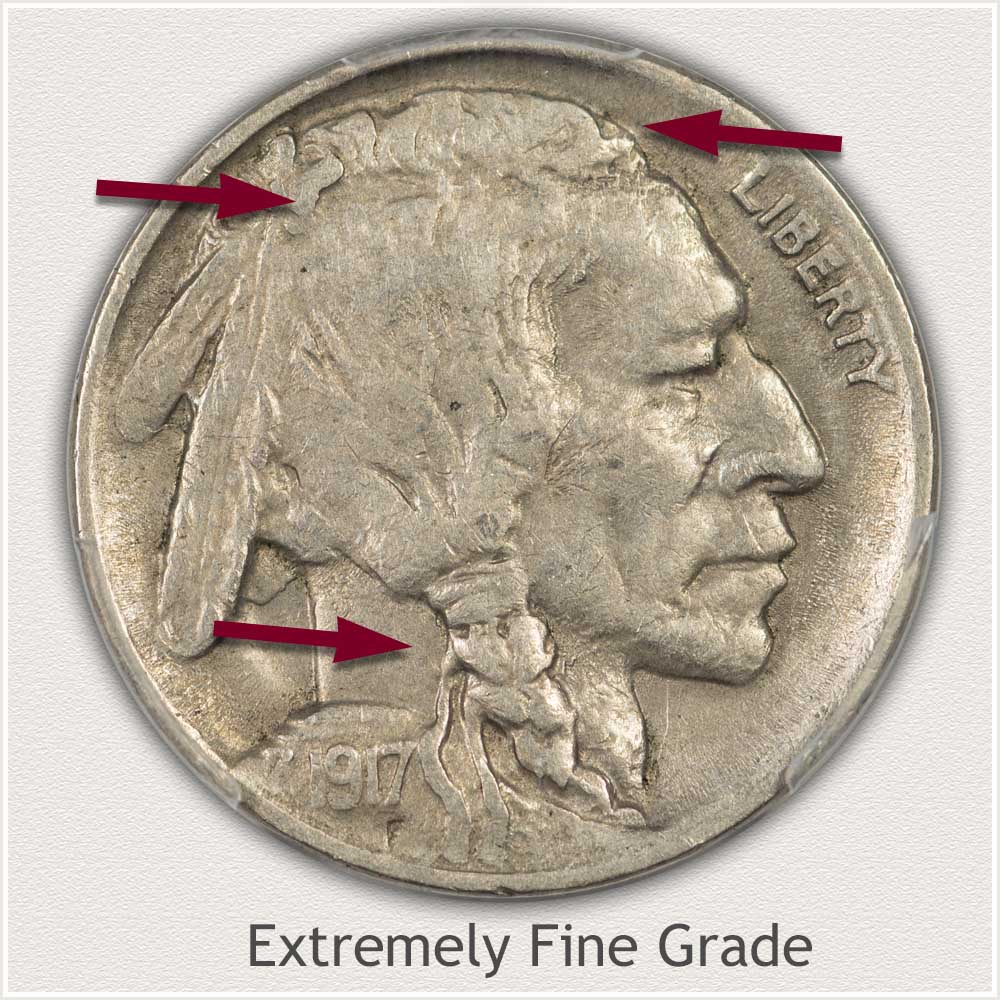 (fig. 8) Grading Features Highlighted on an Extremely Fine Grade 1917 Buffalo Nickel
Light wear smoothing only high points defines an Extremely Fine grade Buffalo Nickel. The example image (fig. 8) illustrates the areas examined and judged, indicating this quality. Use a close comparison of your coin. The grading process matches levels of visible detail. At this level of condition, subtle details remaining within the Indian's hair and braid provide key focal points.
To the right of the date, a hair braid starts at the jaw, ending on the Indian's shoulder. A tie with trailing ribbons begins the braid. Importantly, braids of hair remain distinctly separated by strong visible recesses. Two large braids each show a rounded high profile. Wear smooths these high contours; however, each remains distinct from one another. The very end details of the braid remain well defined with minimal flattening from wear. Match the quality of your coin with this lower design area.
At the top of the Indian's head, examine hair details above and just below the part line. Small areas of wear flatten the small hair strands above the part line. Notice the smooth strands still show deep recesses between. No large areas of continuous flat metal appear in hair detail above the part line. Just below the line, Extremely Fine grade wear levels remove most of the hair strand detail. Deep recesses have worn into a smooth surface.
When combining the amount of these visual details, the coin's condition fits the light wear definition of this quality grade.
Fine Grade
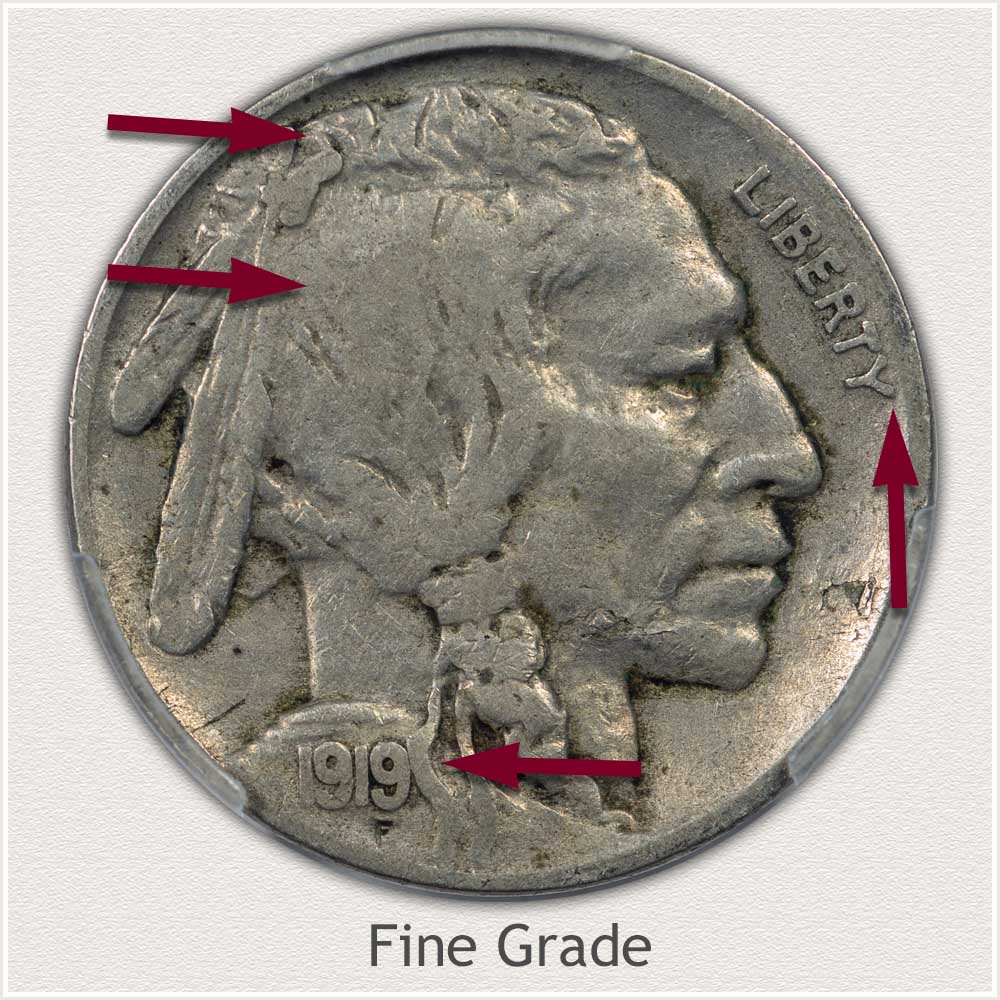 (fig. 9) Inspect the Quality of Highlighted Features Comparing to Your Coin - Identify the Fine Grade Buffalo Nickel
In Fine grade condition values of 1917 nickels really begin to rise. With the definition of moderate wear levels, this condition is a quality in solid demand by collectors. Judging a Fine grade nickel inspects at least three important features. Hair detail in selected areas, clarity of the motto, and date.
Within the Indian's portrait, hair detail extends above and below a part line. At the moderate wear level, most hair strand detail below the part line is smooth from wear. A few deeper recesses remain, indicating hair detail close to the hair braid. The important grading metric are the many visible strands still defined above the part line. Compare to the image, hair appears worn but only slightly flattened. Most strands remain fully separated by recesses. Note the lack of merging of strands into wide, smooth areas.
Near the rim, in front of the Indian's portrait, letters of LIBERTY remain clear and fully outlined. A clear separation of letter tops from the rim identifies a moderately worn nickel. Often requiring magnification, confirm the faint letter tops do not fully connect and merge with the rim.
Dates on Buffalo nickels are one of the first inspected features. Both as confirmation when defining the coin and also as a first insight of its condition. Rely on the metric of "full number outlines" as the clarity level at this grade. However, there is a small allowance of the last digit slightly merging with the ribbon and still meeting grade level.
Inspecting all of these features and their levels of wear helps judge condition over a large part of the coin. When combined and meeting clarity levels, this identifies the Fine grade Buffalo nickel.
Good Grade
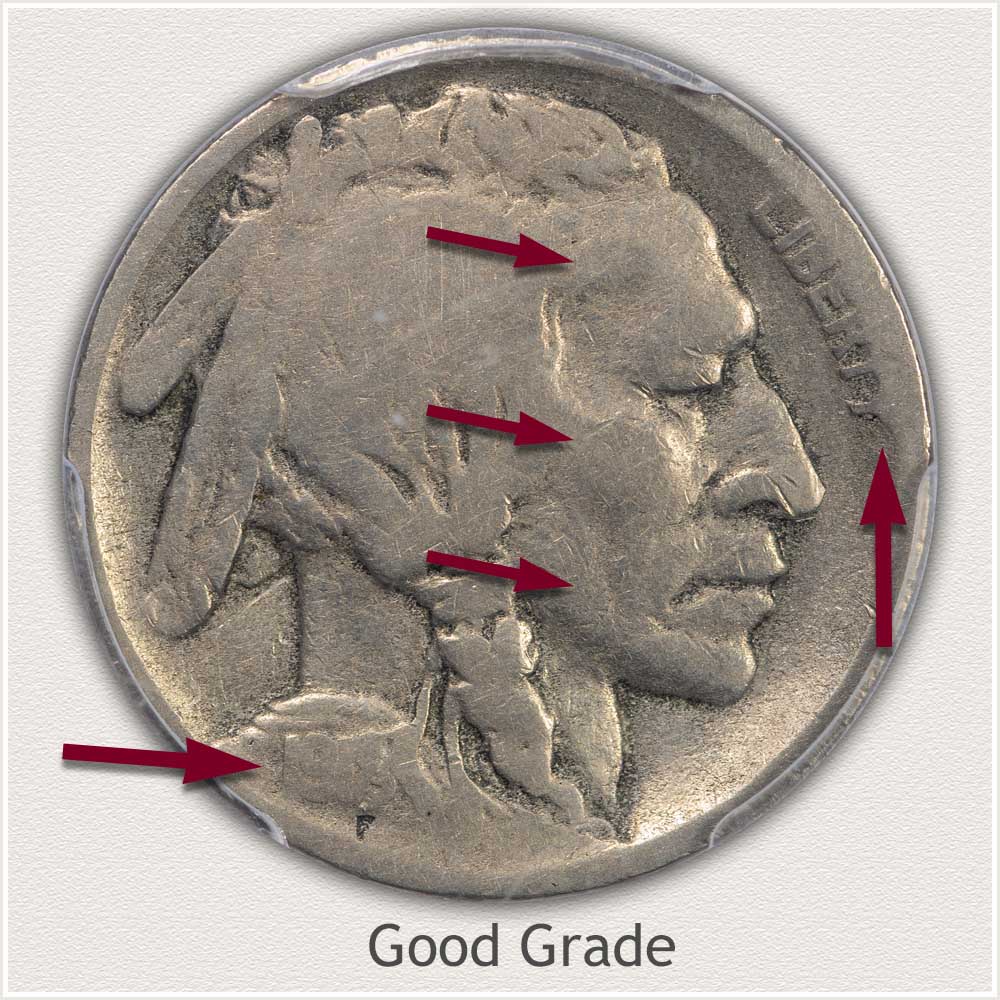 (fig. 10) Compare Highlighted Features of a Good Grade Buffalo Nickel to Identify Condition
Early era Buffalo nickels with heavy wear exhibit both strong detail and large smooth areas. This visual appearance of a heavily worn coin with clarity of date, lettering, and facial features defines the Good grade. Begin with the date as the first major element to examine.
Identifying a partial date requires a close look. The flat and faint appearance of each number points to the Good grade condition. Notice on the example, the numbers are barely raised from the surface with many parts of their outlines missing. A faint, partial date indicates the grade range.
Letters of LIBERTY also show this quality of faint and missing outlines. With only the lower half of the letters clear, heavy wear connects the tops with the rim. Merging of most letters with the rim is the metric identifying this condition.
The Indian's portrait does display strong levels of detail. Overall, smooth metal extends throughout the hair. Feathers at the back of his head have little detail. However, a high cheek profile and forehead contours remain. Notice the cheek and jaw have a low contour separating the two. Both cheek and jaw show flatness without connecting. A similar low contour remains between the cheek and forehead. These subtle features help qualify the coin's condition within the Good grade.
Major features remaining visible among the areas of worn, flattened metal gives this condition a certain "quality" appearance.
How to Video: Grading Buffalo Nickels
Additional grading images and descriptions cover points in detail. Obverse and reverse qualities of the coin add to an accurate judgment of condition.
Grading Buffalo Nickels | Visual Grading Guides
Step 3: | Special Qualities: Confirm a Semi-Clear S Mintmark Buffalo Nickel
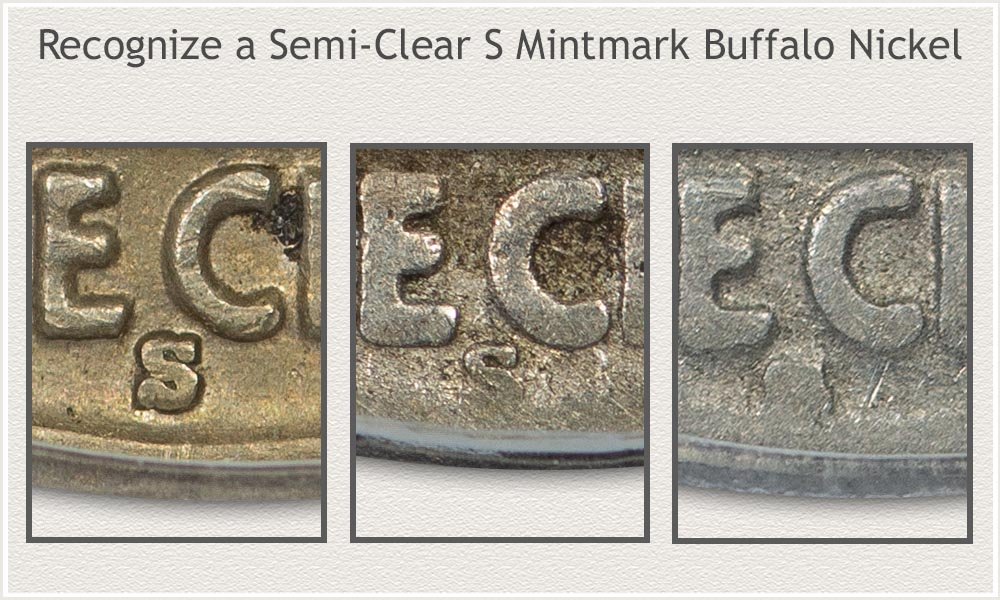 (fig. 11) Typical Wear Patterns S Mintmark Buffalo Nickel
Noted on the chart, the 1917 San Francisco nickel is a high premium coin within the Buffalo series. Detecting the "S" mintmark requires a close inspection confirming a few key markers. Specific to an S mark are the rounded elements and placement of letter serifs.
Viewing the leftmost example (fig. 11) scan along the top of the mintmark. The top starts with a rounded left side and ends with a decorative serif finish. Scanning the right side, a rounded contour begins just below the serif. Note: When viewing along the left side, the top of the letter begins with a rounded top ending below with a serif.
Recognizing the different rounded contours and letter ends on opposite sides are metrics of the S mintmark on Buffalo nickels. As the letter fades, these faint remaining elements confirm the mark.
Identifying the major elements of value, date, mintmark, and condition finds an accurate reading of the above chart. The following articles help answer the values of the complete Buffalo nickel series. Additionally, professional evaluation of higher quality nickels.
References
U.S. Mint. (1918) Annual Report of the Director of the Mint Fiscal Year 1918. United States Government Printing Office.
The Bureau of the Mint. (1928) Catalogue of Coins of the United States. United States Government Printing Office.
🔎What's next: Review the articles with insights to professional evaluation of high value nickels, storing and preserving these nickels and recording their descriptions.
Coin Values | CoinStudy Articles
Date by Date
In Depth Buffalo Nickel Value
1913 to 1938
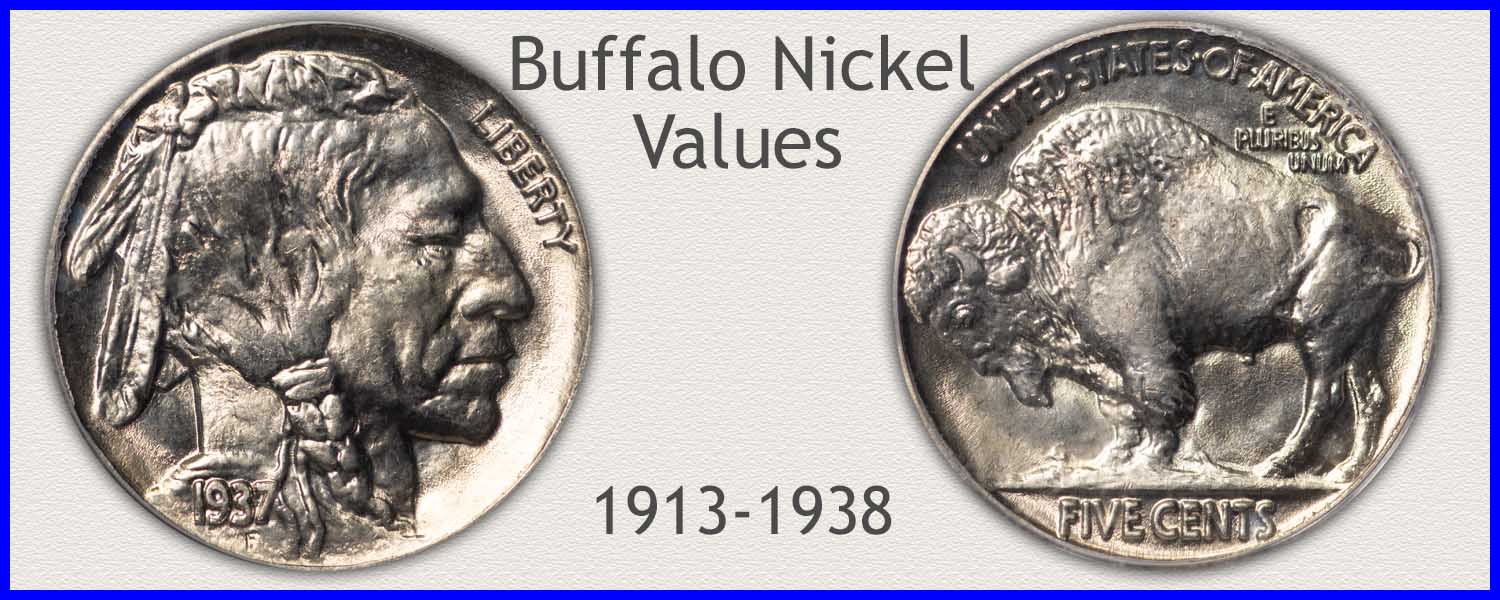
Buffalo Nickel Value | Listing the Series Date and Mint Combinations
Buffalo nickels: A popular coin series rising in value. Interestingly, worn coins without dates are worth a premium. Today, collectors closely examine Buffalo nickels. They search for special dates and quality condition pieces. Review the full value chart listing the date and mint combinations of the Buffalo nickel series. The step-by-step method gives insight into values.
Coin Grading Services | Professionally Evaluate Your Coin
High premium coins are routinely sent to a coin grading service. Coins are authenticated and graded by professionals. Review the top two in the coin market.
Safe Coin Storage | Recommendations
Recommendations on basic supplies that greatly improve coin storage. Providing for safe handling, preserving value, and organizing your box of old coins. Safely house and store old nickels and maintain their value into the future.
Print the Coin Values Worksheet
Print the Coin Values Worksheet to list your coins and record their values. Add comments and keep as a written copy of the entire collection.
★Coin Values Discovery... finds 1917 nickel value and...
Recognize the potential found in a box of old coins. Buffalo nickels are part of the many older coins enjoying premiums. A step-by-step process identifies key features needed for a complete evaluation of coins.