Coin Values Moving with Precious Metals: Up-Dated 10/5/2026: Gold $4131 | Silver $60.80
1923 Nickel Value
A step-by-step method begins a thorough examination of these early Buffalo nickels. Determine an accurate 1923 nickel value by first confirming an often hard to read date. Also necessary, identify the correct mint variety; note the listings on the chart. To further narrow potential value, compare your coin's condition with grading images helping decide its grade.
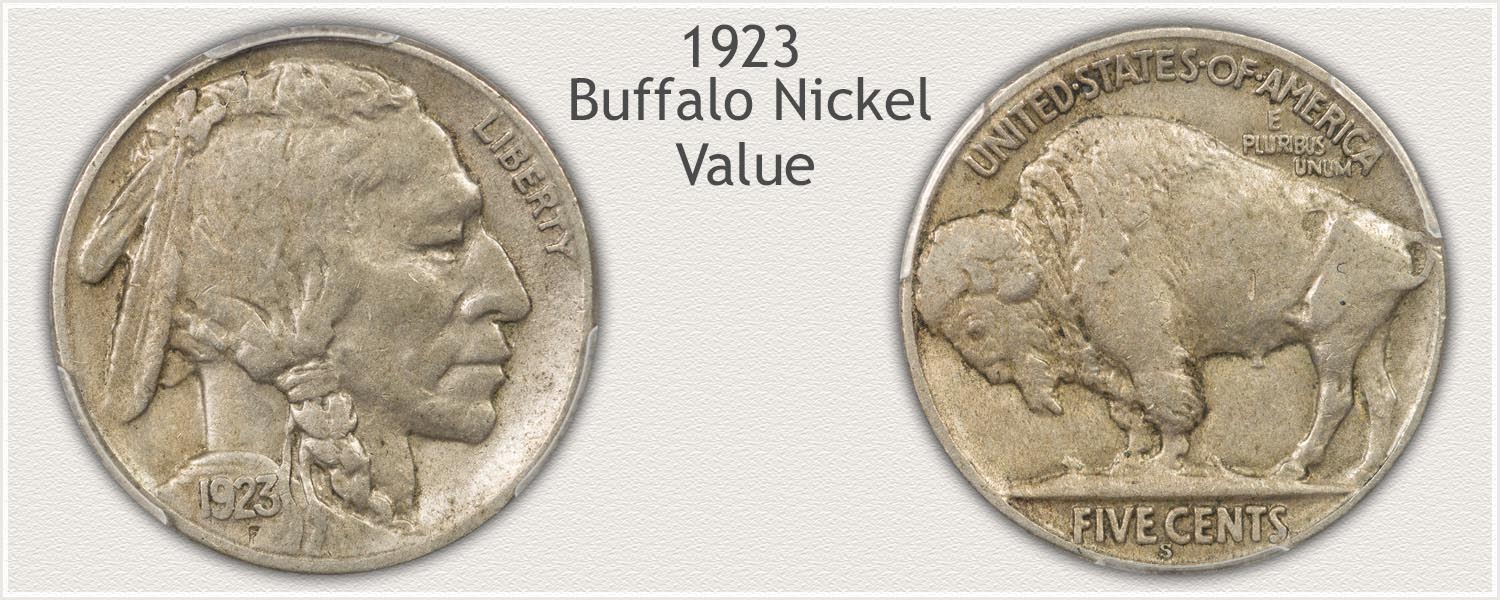 (fig. 1) Obverse and Reverse Views of a 1923 Buffalo Nickel
| 1923 Nickel Value | ||||
|---|---|---|---|---|
| Condition of Coin | ||||
| Date | Good | Fine | Extremely Fine |
Mint State |
| 1923 Nickel Value Updated | 2026 | |||
| 1923 | $1.91 | $3.68 | $16 | $87 |
| 1923 S | $5 | $21 | $161 | $561 |
Refer to the chart as a range of wholesale values. Importantly, subtle qualities influence values within each grade category.
Steps Leading to Value:
- Step 1: Date and Mint Variety Identified: Identify visual markers and recognize both date and mint issue.
- Step 2: Grading Condition: Next, establish the coin's potential when judging the condition of its surface. Compare with images to recognize a grade.
- Step 3: Special Qualities: Recognize the rarity factors giving these coins a solid value.
Step 1: | Date and Mintmark Combination Confirmed
1923 became an elusive year of the nickel series. Fewer production numbers and its age result in the values noted on the chart. A first examination determines its correct date and then confirms the mint that issued the coin.
Find the date at the lower edge. On a raised area of the Indian's shoulder, the date appears with rounded numbers and rounded, high relief tops. Not all dates remain clear; if it appears faded, see the section just below to confirm.
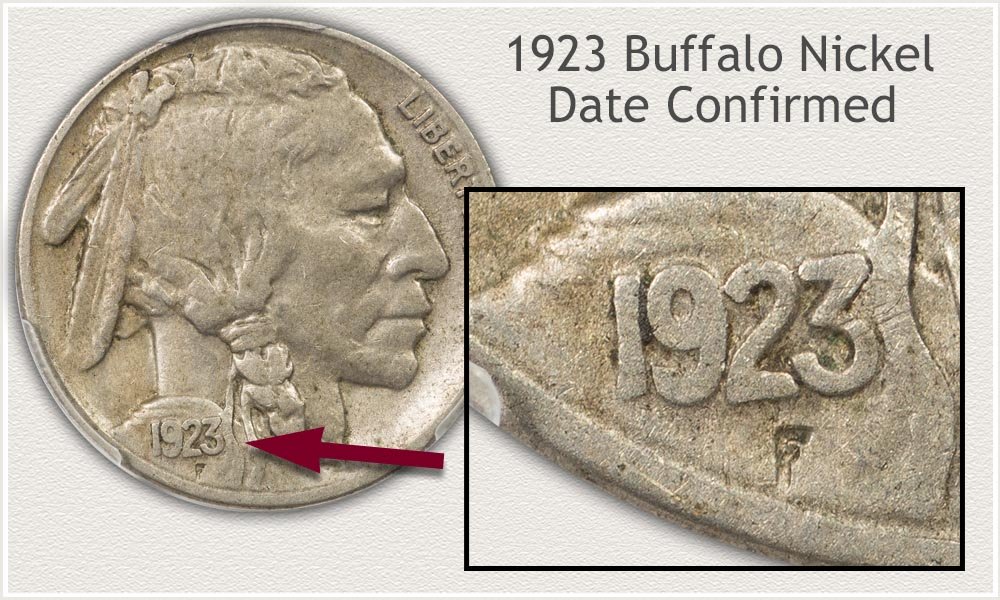 (fig. 2) Located the Date on a 1923 Buffalo Nickel
Techniques to Identify a Partial Date 1923 Buffalo Nickel
As these nickels became worn, one of the first areas to fade was the date. This has now given collectors a challenge today. Faded and partially visible numbers require a close and often magnified view to identify and confirm the last two digits.
Comparing with the image (Fig. 3) highlights the markers used, helping determine an accurate reading of the date.
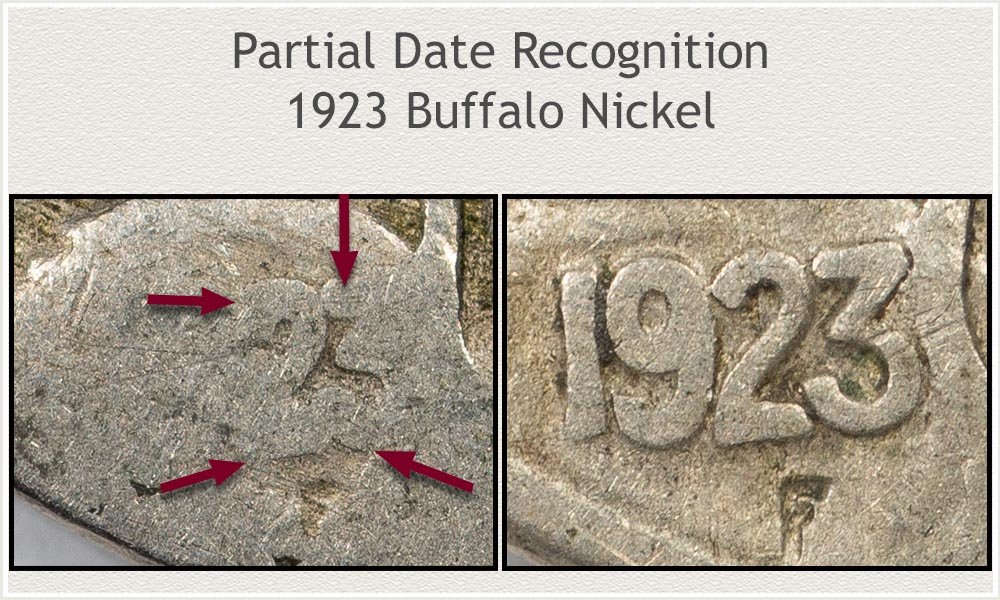 (fig. 3) Use the Highlighted Features to Identify a 1923 Buffalo Nickel
The first two digits of the date on a Buffalo nickel is always a "19." The series began in 1913 and ended in 1938. It is the faded sides of the last numbers requiring a close look.
At the very far right, the "3" has lost its edge definition. On its left side, the triangle shape toward the top of the number becomes a marker. Also, the opening of the curve at the bottom, defines the number three.
Within the middle of the date, the "2" remains with a distinctive rounded right-side that curves away from the three. Combined with a large curved top and a straight, flat bottom, these visible edges identify the number two.
Despite the now flattened relief of the design, using a strong, single light helps bring out detail. Record the date, and next determine the mint of issue.
Confirming the Mintmark on a Buffalo Nickel
Identify the large differences in value of 1923 nickels by the presence or absence of a mintmark. Usage of a mintmark identified the mint that produced the coin. One branch mint, San Francisco, added nickels to the year's total and placed an "S" mintmark on its coinage.
Philadelphia, the first U.S. and main mint, did not use a mintmark during the Buffalo nickel series. Look closely at the area under FIVE CENTS, when empty, it is Philadelphia production. Finding a small letter "S" mark confirms the coin was struck at the San Francisco mint.
The High Value "S" Mintmark Nickel
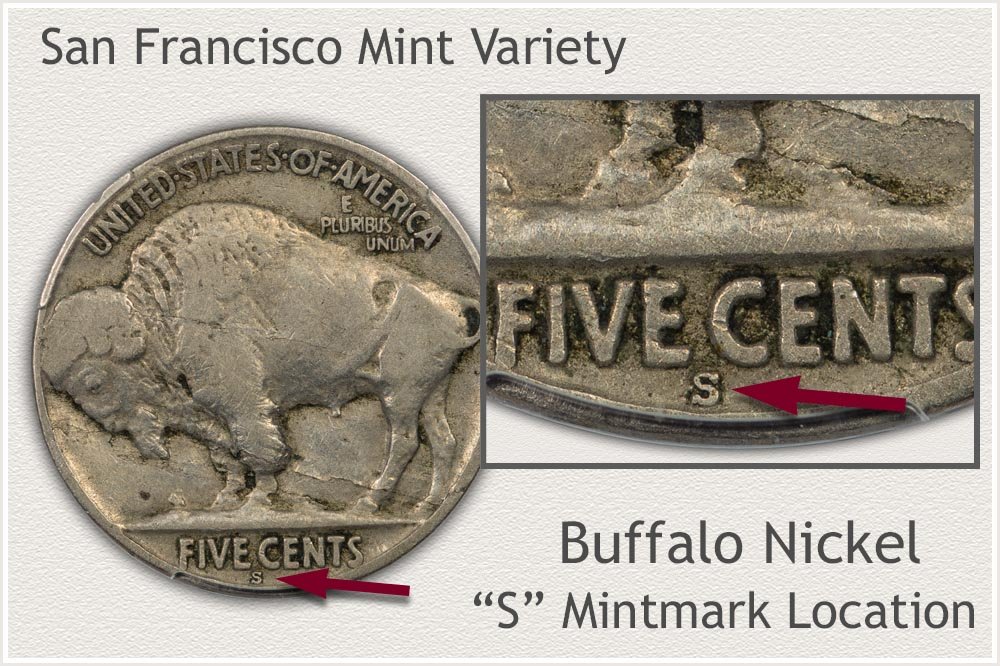 (fig. 4) Location and Close Up of the S Mintmark on a Buffalo Nickel
San Francisco production of 1923 nickels now represent an important and valuable variety of the Buffalo series. On a rarity scale, this issue rates as an infrequent coin to find in nice quality. San Francisco recorded a total of 6,142,000 struck. Over six million mintage is in the middle range of their typical production totals of the Buffalo series. However, the typical condition is below average of those remaining today. As listed on the chart, any improvement in condition begins to command strong values.
Locate on the reverse, and accurately confirm this important S mintmark 1923 Buffalo Nickel.
"No" Mintmark Nickel
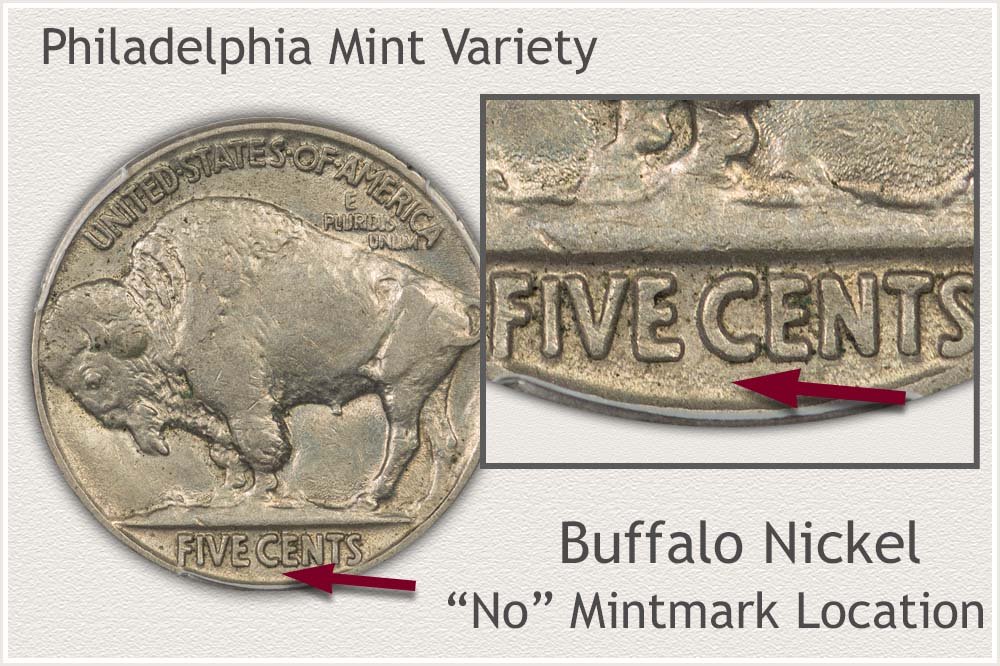 (fig. 5) No Mintmark in the Location Confirms the Philadelphia Mint Buffalo Nickel
A 1923 Philadelphia Buffalo nickel is now the available issue representing the year. Philadelphia struck ample quantities, recording a mintage of 35.7 million nickels. Here is a coin introduced to many collectors as an example of the series from the 1920s era. Now becoming very old, handle it by the edges, preserving its current condition.
Two key facts are now identified, the date and mint variety. Next the coin's condition becomes the fact needed to complete a detailed inspection. Compare your coin to the range of grades illustrated in the next step.
Step 2: | Judge Condition and Identify Grade
Grades, as listed on value charts, represent different stages of preservation and visible detail. On Buffalo nickels, wear to the surface forms in specific areas. Rating levels of remaining detail help determine a coin's grade.
View the images of graded examples below. Look for similar amounts of detail when comparing your coin. Visible, rounded high contours stand out on higher quality examples. Large flattened surfaces indicate extensive wear.
With a similar appearance to an example, note the key features described. Use the highlighted details specific to each grade to confirm condition and grade.
Mint State Grade
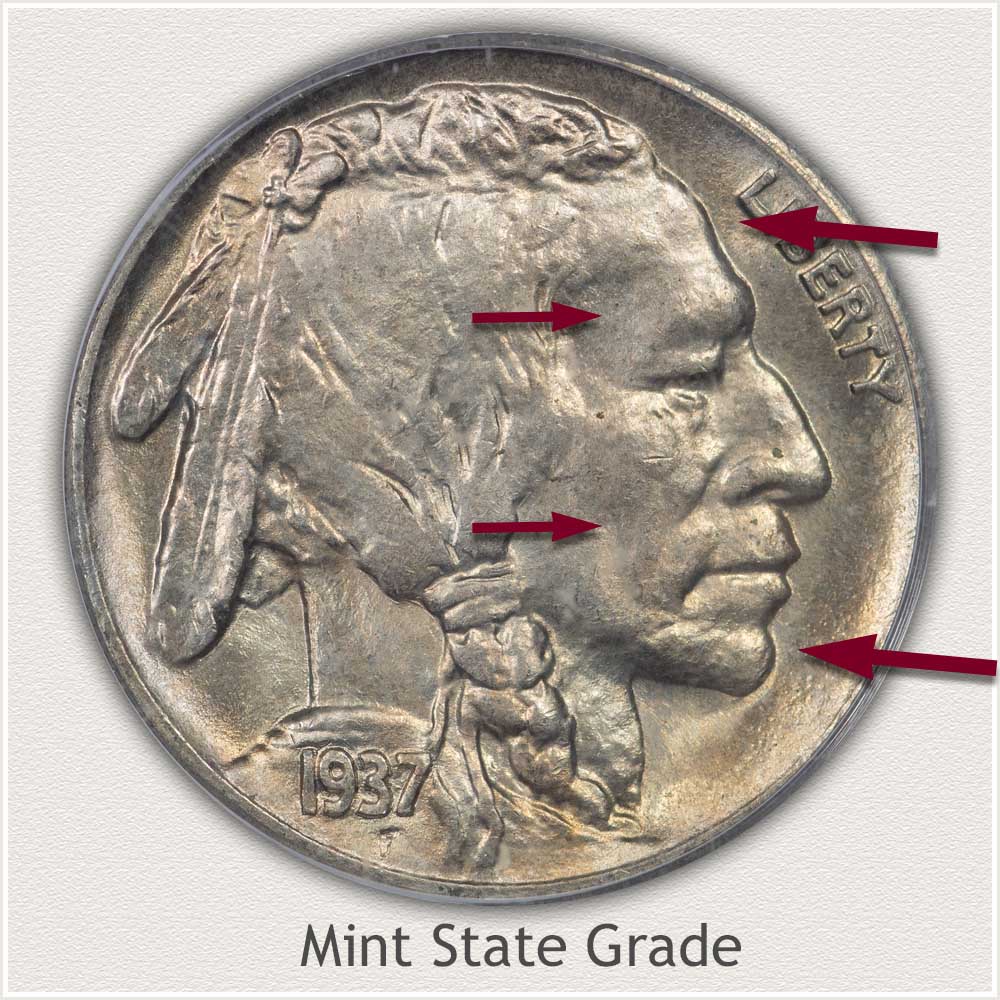 (fig. 6) Use the Highlighted Features to Identify a Mint State Buffalo Nickel
As an elite quality condition, Mint State Buffalo Nickels meet the strict standard of "no wear" on their surface. Use this specific quality requirement as you examine the key features highlighted.
How to recognize an unworn surface. Examine the illustration (fig. 6), notice the shine of luster radiating across the coin. Presence of luster is complete on the example. High points and low areas all show the same constant shine of luster. When wear removes luster, it first dulls the shine. Wear on high points gives the visual effect of dull spots within the surrounding luster. Secondly, worn metal has a smooth texture when compared to the texture of an original surface that radiates luster.
On your coin, examine two primary areas. Reference the example image and your coin. On the Indian's face, focus on his forehead and chin. Because these areas are large and high relief, they easily show evidence of wear quickly. Apply the standard of complete luster across the very tops of the contours. Examine the quality of the shine and look for any texture change on the metal surface. Compare these high points with their low areas nearby.
In Mint State condition, the forehead's luster and texture appear similar to the lower temple area. As a second reference point. The quality of the chin matches its nearby low area to the right of his mouth.
To clearly see if these surfaces match, use a single light, rotating and tilting the coin. This changing of light angles illuminates high points flowing and illuminating lower recesses. When high areas radiate shine similar to low areas, this becomes a strong indication of the 'no wear" Mint State condition.
Extremely Fine Grade
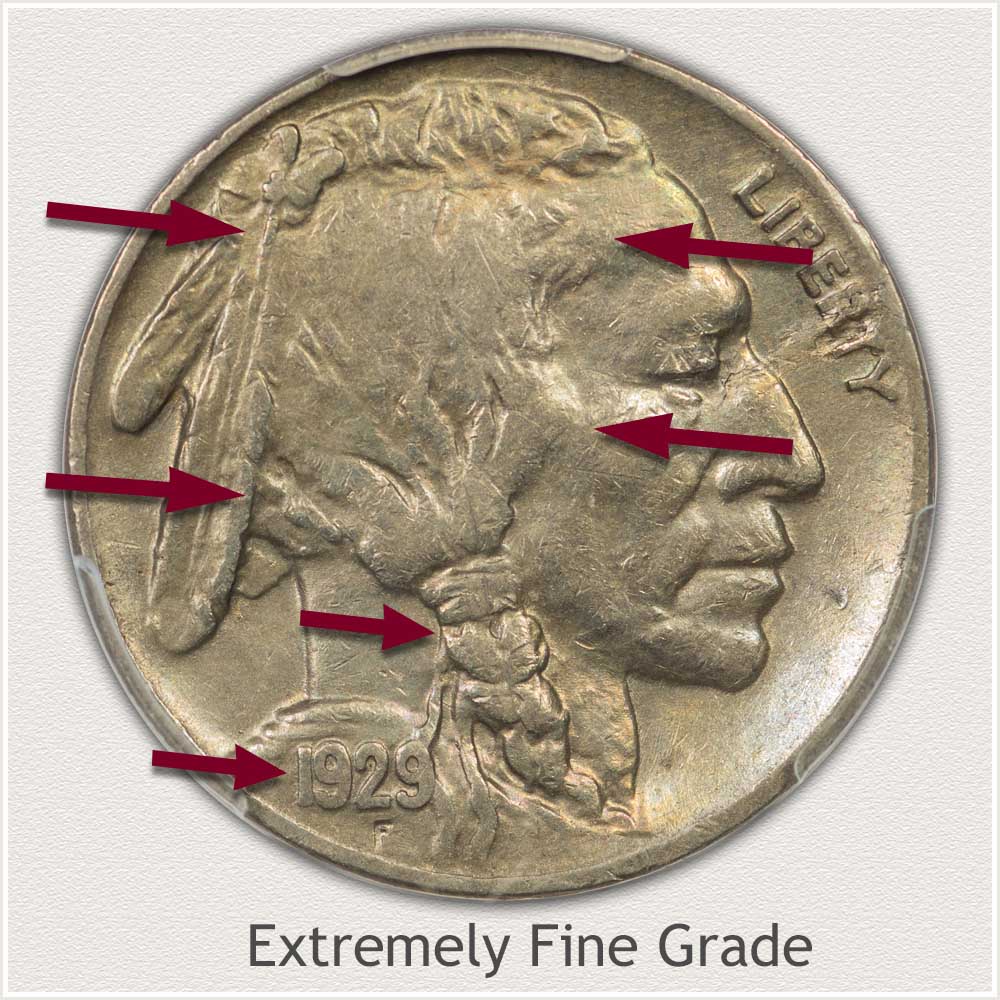 (fig. 7) Compare to Highlighted Features to Identify an Extremely Fine Grade Buffalo Nickel
When viewing the example (fig. 7), small areas of flattened metal show on high points of the design. This visible light wear overall defines an Extremely Fine Grade Buffalo Nickel. As a grading procedure, identify the specific amount of remaining detail per grading feature. You are looking for a close match with the graded example.
Subtle detail often decides Extremely Fine condition quality. Scan along the Indian's face where it meets the hair. A slight contour rises and defines the hair. This small separation indicates only light wear has removed some metal. Focus on the temple and cheek areas. Raised hair contours typically merge in these areas first. As a grading metric, when the hair and cheek ridge show as a continuous flat surface, this falls below grade standards.
Feathers and hair provide a second separation feature. The large feather remains with a raised edge as it meets the hair. View beginning at the top, just under the bow. A subtle contour defines the feather edge as it passes over the hair. Tilt your coin under a single light and slowly rotate the surface. A change of angle to the light deepens shadows giving an accurate view of remaining detail.
Giving the lower part of the design an overall view, compare the detail of the braid and date. First, strong contours and deep recesses separate each braid. Importantly, the date remains well raised above the background shoulder area. These bold details, plus the subtle face, feather, and hair contours, combine to place this coin in the Extremely Fine grade range.
Fine Grade
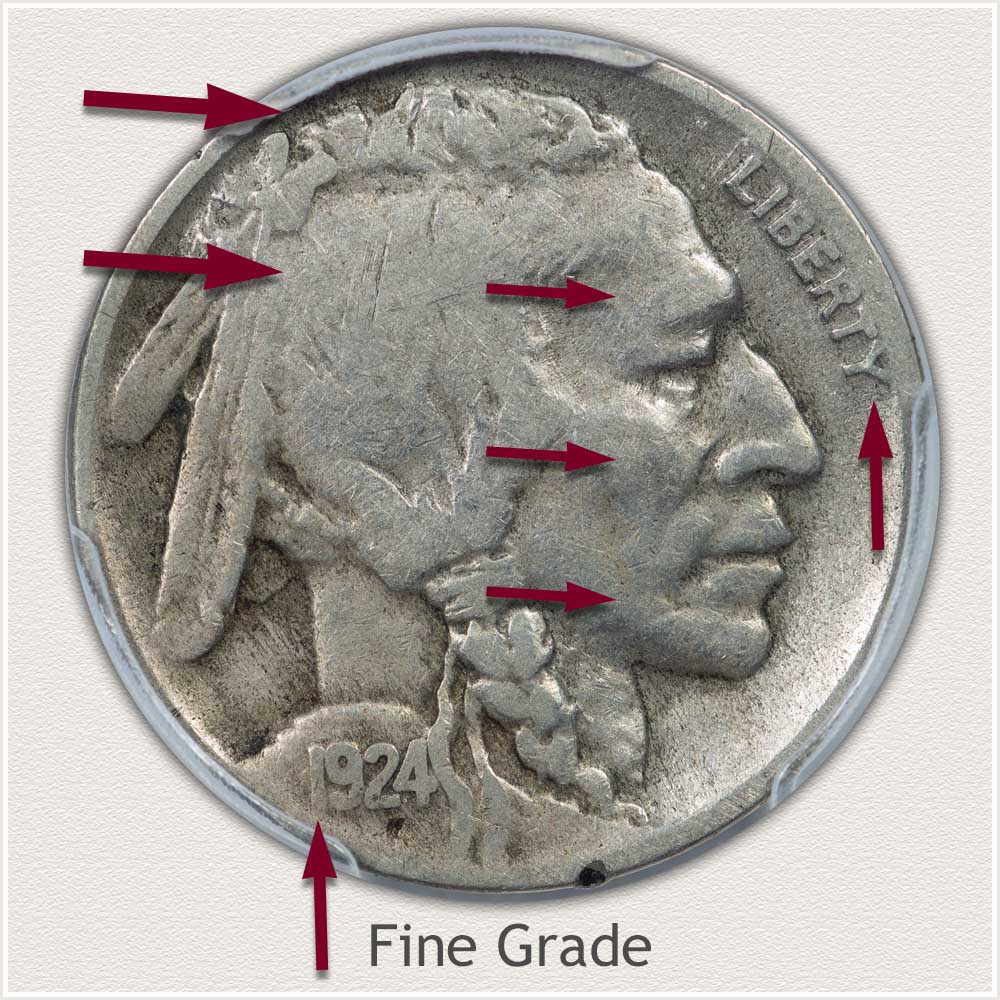 (fig. 8) Compare to Find a Match with Highlighted Features Identifying a Fine Grade Buffalo Nickel
An overall view of the coin's condition helps visualize a Fine grade nickel. Notice an even amount of fine detail remains within major elements showing moderate wear. Two grading features display this moderate wear definition. High profiles of the Indian's face show minor signs of flattened contours. Additionally, some hair detail remains within areas of smooth metal.
As a grading feature, the Indian's profile was minted with high contours at the eyebrow, cheek, and jawline. These once raised and rounded elements now show a flattened area at their highest points. To meet the Fine grade level, a low-relief temple remains between the eyebrow and cheek. Also, a low relief area clearly separates the cheek from the jaw below. Confirm flattened high points do not connect from area to area.
Hair detail also displays a mixture of deep recesses within flattened metal. Notice the example illustrates a large number of hair strands above the part line. Compare with the few strands defined below the hair line. This visual difference indicates the moderate wear level.
Lettering along the rim easily reads LIBERTY, and the date shows all numbers clearly. All combined, a Fine grade Buffalo nickel displays many strong details.
Good Grade
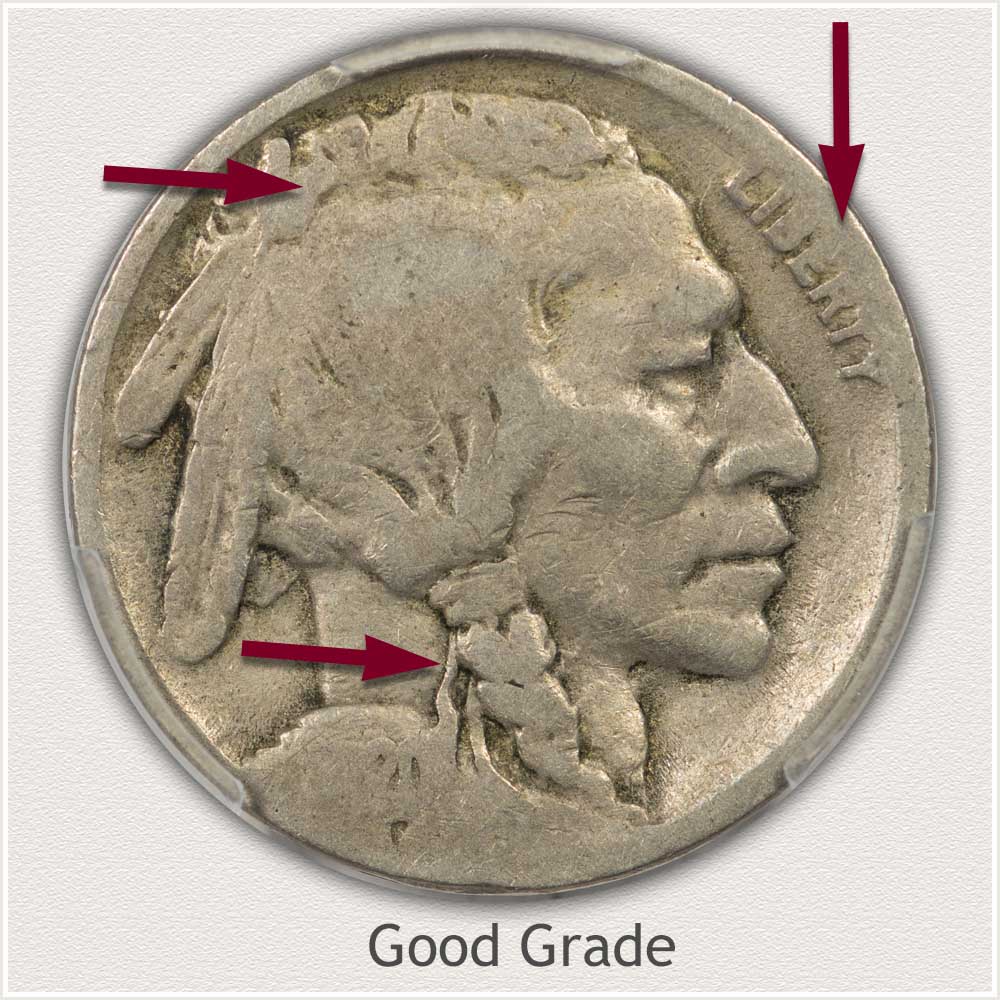 (fig. 9) Using Highlighted Qualities Identify a Good Grade Buffalo Nickel
Compare your coin to the professionally graded example. There is specific, but subtle details visible at the Good grade level of condition. Three areas highlighted, the braid, hair along the part, and the motto LIBERTY each display the required qualities of a Good condition nickel.
A distinct hair braid extends below the jaw to the shoulder. Although worn almost flat, slight recesses separate the braids. Each braid with subtle remaining contours provides the quality meeting grading standards.
At the top of the Indian's head, a visually strong hair line separates into areas above and below a deep line. Below the line most of the hair detail has worn smooth. Above the line, notice the remaining recesses between hair strands. Combined, these become another visual metric indicating the Good grade.
Examine the quality of lettering along the rim. In front of the Indian, LIBERTY remains readable. However, the tops of the letters connecting to the rim indicate the heavy wear condition. To meet grade level, only the very tops of letters merge into the rim. A subtle but requirement for the grade.
A close visual match of these major features places your coin within the Good grade range.
How to Video: Grading Buffalo Nickels
A bold date clearly showing 1923 points to a higher premium condition nickel. Compare closely to those highlighted in video, magnified images, and detailed descriptions. Increase accuracy and confirm the coin's quality.
Grading Buffalo Nickels | Visual Grading Guides
Step 3: | Special Qualities: The Fundamental Value of 1923 Buffalo Nickels
1923 Buffalo nickels represent the main concepts that determine how much a coin is worth. In the coin market, placing a value starts with establishing the date, mint variety, and condition. Next, key value fundamentals play a large role in a coin's final value. Popularity, rarity, aesthetics, and the marketability of these old nickels.
Popularity: Referring to the article: Popular Coin Series, Buffalo nickels have a strong following of collectors. They drive demand for the 1923 nickel.
Rarity: This fundamental shows in the value chart listings. A constant market activity of supply meeting demand determines current premiums. This rarity factor shows in the different value levels.
Aesthetics reflect in the personal interest and appealing qualities of coins collectors seek. These qualities, starting with condition, range from circulated grades to Mint State. Preference for nice toning, a focus on fewer surface marks than average, are two of many additional qualities examined.
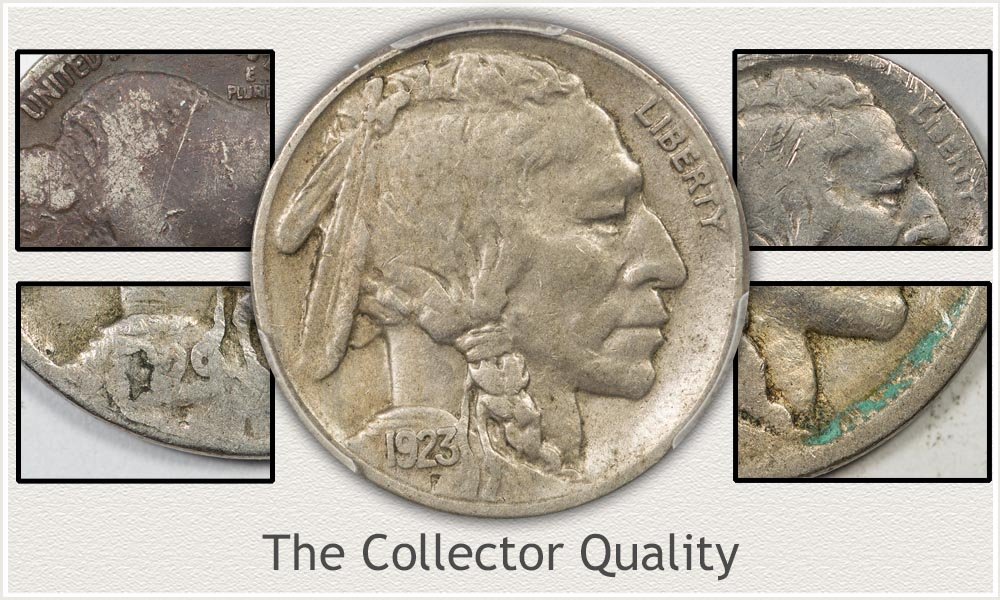 (fig. 10) Nice Quality Aesthetics Compared to Lower Quality Eye Appeal Buffalo Nickels
A 1923-S nickel meets the combination of popularity and rarity factors. Initial mintage numbers tend toward the low end. Additionally, any San Francisco issue becomes notable with all showing premiums. Viewing the highlighted coin (fig. 10), the aesthetic quality of certain Buffalo nickels quickly draws collector attention.
As a scarce and special year overall, plus the popular San Francisco variety place these 1923 nickels in high demand.
With an accurate description of date, mint, and condition, the value of a 1923 nickel enters a narrow range. For additional insight, review the articles below with details into the rarity of coins overall, keeping records of coins, and additional services.
References
U.S. Mint. (1924) Annual Report of the Director of the Mint Fiscal Year 1924. United States Government Printing Office.
The Bureau of the Mint. (1928) Catalogue of Coins of the United States. United States Government Printing Office.
🔎What's next: Review the articles helping decide how to Value, seek professional resources and store this collectible Buffalo nickel.
Coin Values | CoinStudy Articles
Date by Date
In Depth Buffalo Nickel Value
1913 to 1938
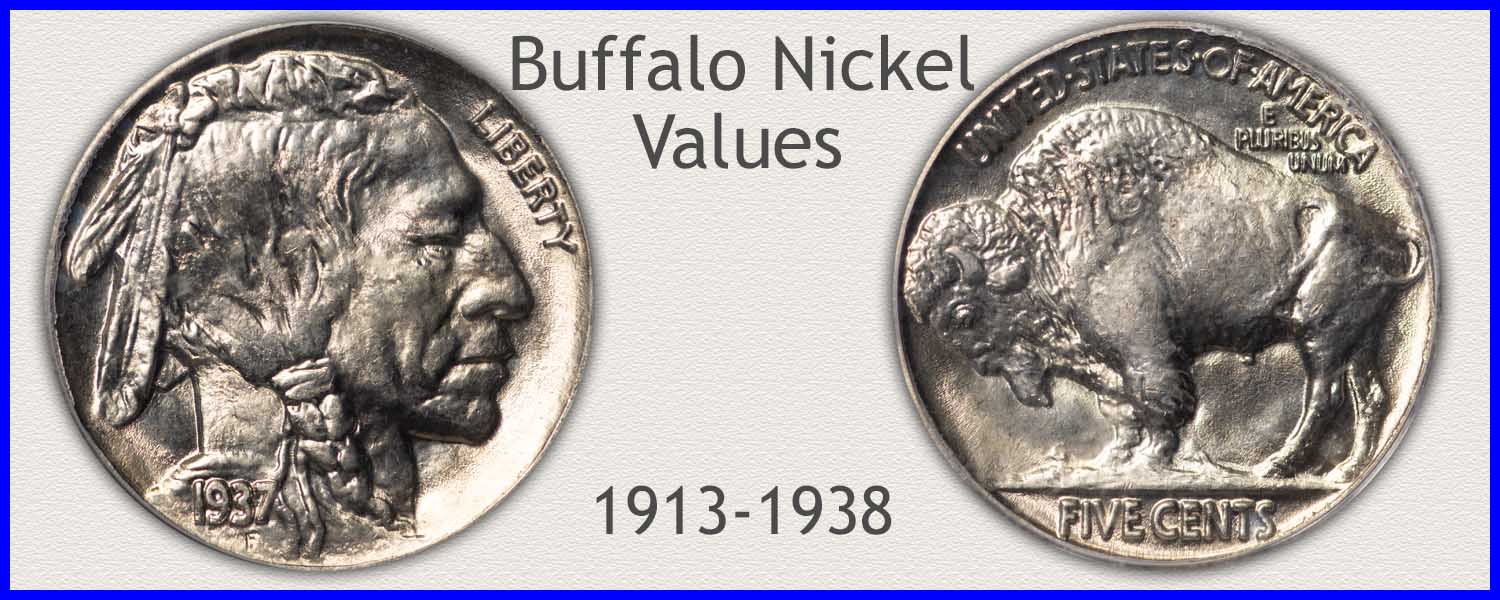
Buffalo Nickel Value | How to Find the Rare Ones
A very popular coin series rising in value. Even coins without dates are valued over ten cents. Today, collectors are closely examining Buffalo nickels, looking for special dates and higher condition examples. Often large value differences are found in just a minor improvement in how well the coin is preserved. Collector preference is creating demand, showing in strong values on the charts. Follow the steps to correctly identify and judge your old nickels.
Coin Grading Services | Professionally Evaluate Your Coin
High premium coins are routinely sent to a coin grading service. Coins are authenticated and graded by professionals. Review the top two in the coin market.
Print the Coin Values Worksheet
Printable sheet to list and inventory your coins. Record your entire collection of coins, keeping an organized listing.
Safe Coin Storage | Recommendations
Recommendations on basic supplies that greatly improve coin storage. Providing for safe handling, preserving value, and organizing your box of old coins. Safely house and store old nickels and maintain their value into the future.
Rare nickels, for example, ones with double mint marks, occasionally "hide" in your box of old coins. Interestingly, some are still found in circulation today. The reason is most require a magnifying glass to discover. In this case the smallest of details makes for a valuable coin.
★Coin Values Discovery... finds 1923 nickel value and...
An image guide highlights details about important features on old coins. Using both descriptions and images, identify dates and mint varieties, the condition of the coin, and special qualities. A step-by-step process discovers how much a box of old coins is worth.