Coin Values Moving with Precious Metals: Up-Dated 9/14/2026: Gold $4326 | Silver $63.61
1938 Buffalo Nickel Value
1938 Buffalo nickel value remains strong, with an above average minimum worth. These nickels became the last year of the series, representing a classical era in the U.S. series of nickels. Presenting a distinctive Indian and Bison design, they are a favorite of collectors.
Determining how much they are worth follows a step-by-step method. Inspecting specific features on the coin first gathers the necessary qualities. These now judged to complete an evaluation.
Comparing details of your coin to images and matching with descriptions visually helps identify its place on the value chart.
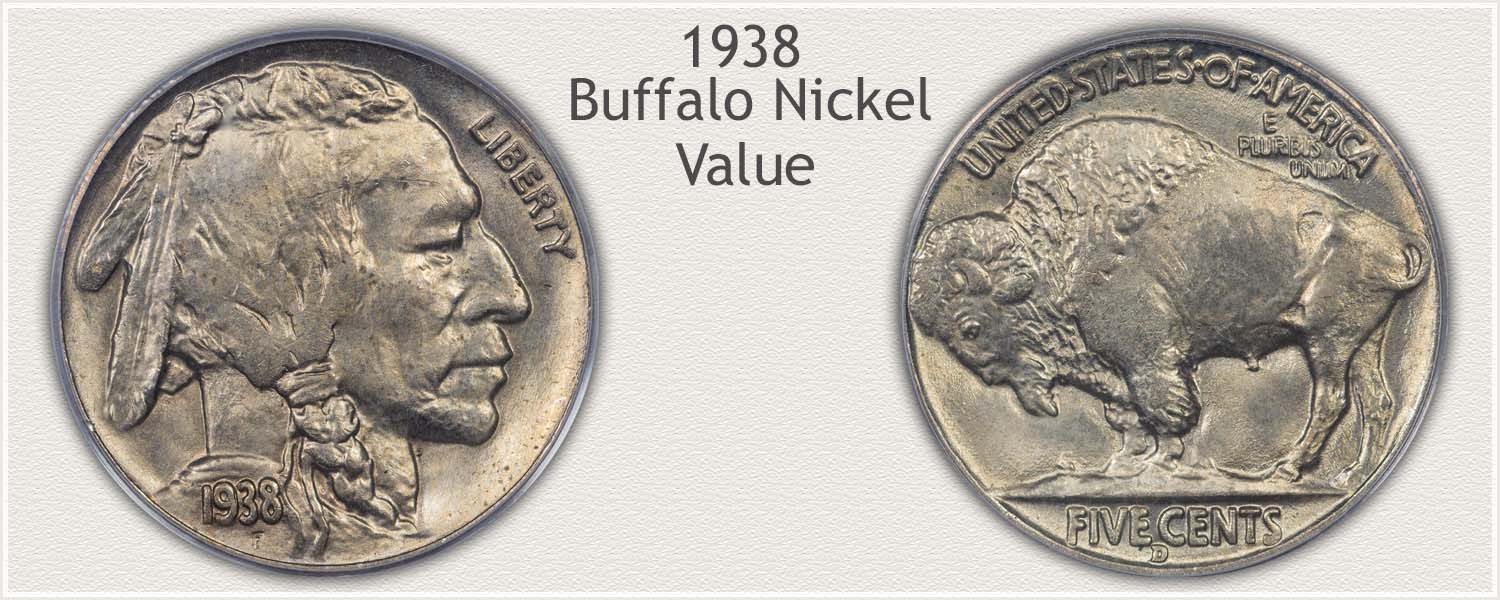 (fig. 1) 1938 Buffalo Nickel Obverse and Reverse Views
Steps Leading to Value:
- Step 1: Date and Mint Variety Identified: Often a challenge, accuracy of the date requires a close inspection to confirm.
- Step 2: Grading Condition: With these Buffalo nickels, the quality of their surface determines the final value.
- Step 3: Special Qualities: Historical significance provides an underlying base creating a universal interest and demand for the coin.
| 1938 Buffalo Nickel Value | ||||
|---|---|---|---|---|
| Condition of Coin | ||||
| Date | Good | Fine | Extremely Fine |
Mint State |
| 1938 Nickel Value Updated | 2026 | |||
| 1938 D | $2 | $3 | $6 | $22 |
Refer to the chart as a range of wholesale values. Subtle qualities influence values within each grade category. Additionally, eye appeal of the coin along with collector demand determine its final worth.
Step 1: | Confirming the 1938 Date and Mint Buffalo Nickel
1938 Buffalo nickels, as the last year of the series, became an important date with collectors. These "last of series" coins trade at a premium to other years. Reading the date correctly identifies the first requirement of the coin market.
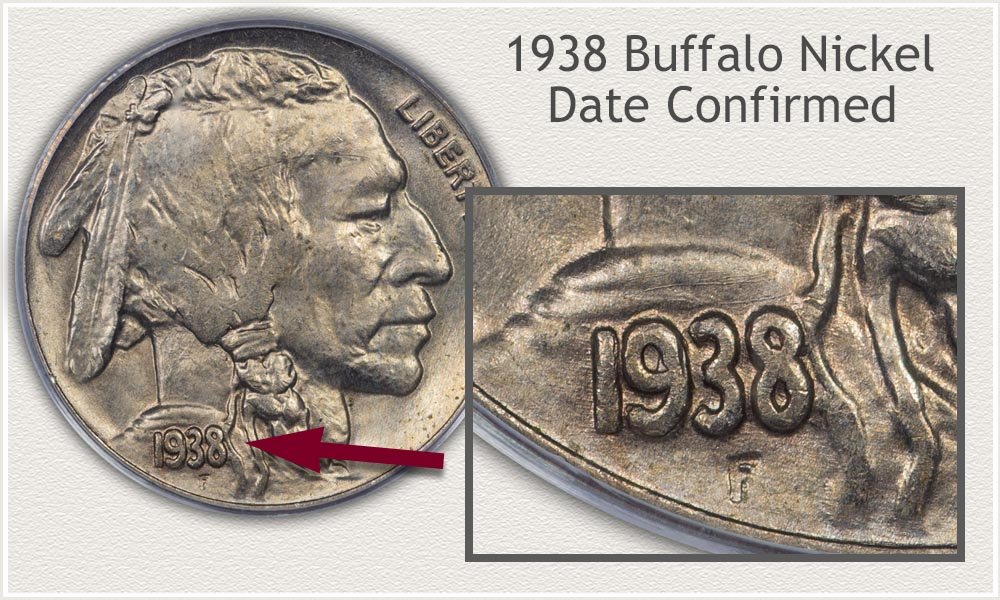 (fig. 2) Date Location on the Buffalo Nickel
How to Recognize the Partial Date 1938 Buffalo Nickel
Dates on Buffalo nickels, found on the Indian's shoulder, are a raised part of the coin. Because of this high relief, the date quickly displays wear on its high points. With continued use, the date begins to lose clarity and fades. The imaged examples point to areas used as markers recognizing the "3" and "8" digits.
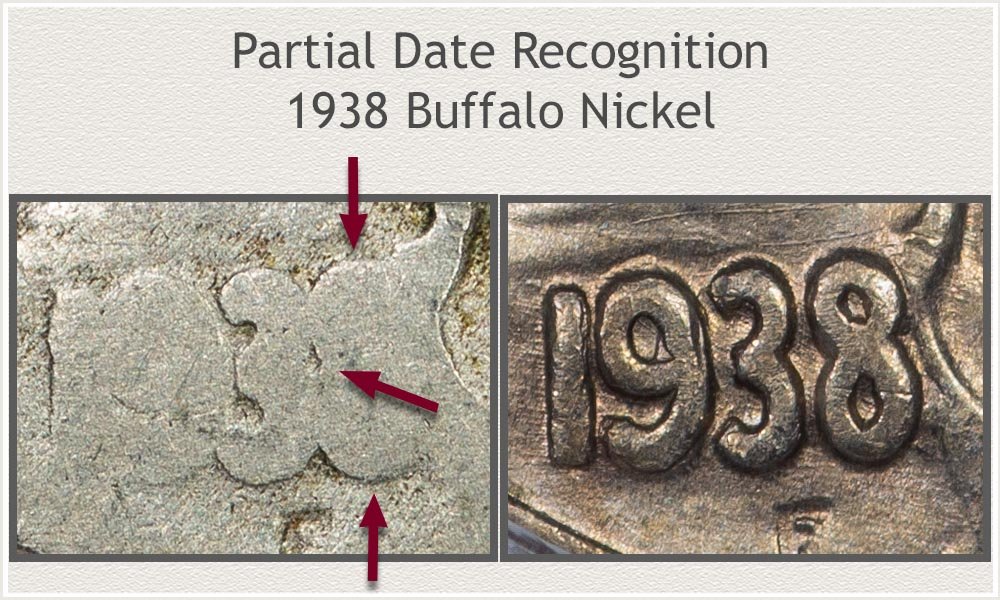 (fig. 3) Features Used to Identify a Partial Date 1938 Buffalo Nickel
Displayed in the image is the typical wear pattern on these old nickels. The "1" and "9" of the date shows little to no definition. A worn and flattened "3" has the left side curved lines remaining and some detail on its right side. Importantly, the semi-clear "8" still displays enough detail to recognize. Note the double curved left side with an indent as a defining marker. Helping confirm the "8" are matching top and bottom curves. Although these curves fade on the right side, enough remains to define the number.
D - Mintmark Confirms the 1938 Buffalo Nickel
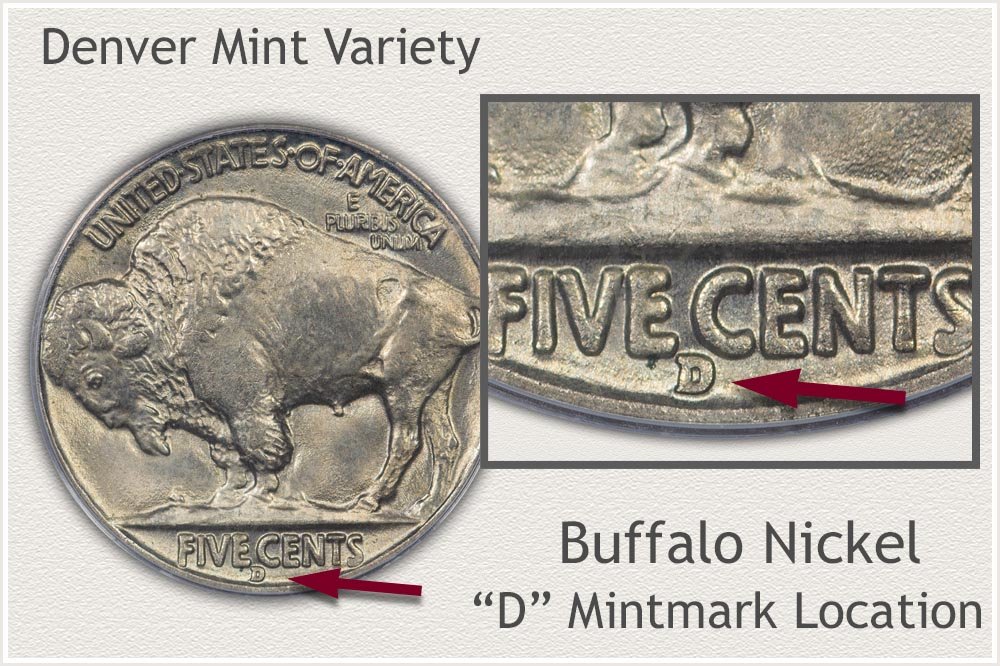 (fig. 4) Location and Close View of the D Mintmark on a 1938 Buffalo Nickel
Another part of a complete reference of your coin is locating and recording the mintmark. These marks identify the mint striking the nickel, an important detail to both collectors and the coin's value.
Denver was the only mint producing Buffalo nickels in 1938 and placed a small "D" on the reverse. This letter found along the bottom of the design confirms the Denver mint. Look just inside the rim to locate the "D" mintmark.
Step 2: | Condition Decides 1938 Nickel Value Range
Note how the difference in values for a 1938 Buffalo nickel follows the grading scale upward. The less wear on the surface, with greater visual detail, and the coin becomes appealing to the coin market. Compare the condition of your coin to the "grading" images, finding a close match. This begins the process of judging condition and a "grade." Grades, the hobby terms defining condition, become part of the coin's accurate description.
Using a magnifying glass helps bring small details into view, improving accuracy. Reference and compare the coin to the descriptions. These key visual indicators indicate the required detail to meet the grade level.
Mint State Grade
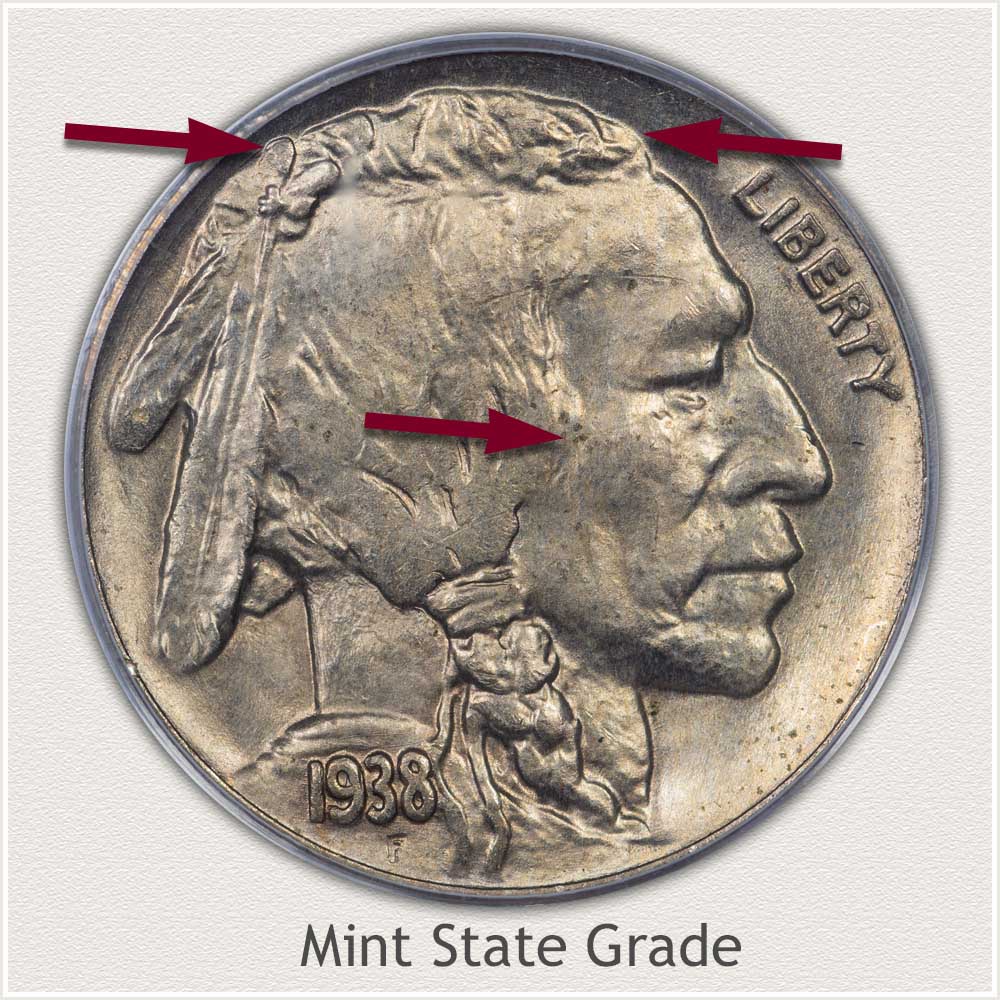 (fig. 5) Compare to the Grading Areas Highlighted on the 1938 Mint State Buffalo Nickel
A fine grain texture still covers the surface of Mint State Buffalo nickels. This original texture produces the shine of an unworn surface. No wear of the original texture meets the definition of the Mint State grade.
With a high relief design, many points on the surface quickly show any evidence of luster removal caused by wear. Judging and grading involves inspecting areas for dullness and smoothing of original metal texture. Specific areas are chosen because they represent typically well struck features on the coin. These features provide a good indication of condition.
Notice the high relief cheek area within the illustration. When magnified, the cheek still displays a fine grain texture on its highest points. When comparing the high and lower areas of the cheek, both retain a consistent texture. The slight color change of the metal results from the beginning stages of toning. This deepening of color does not indicate wear. Evidence of wear along the cheek appears as a distinctive smoothing of the metal. A level, flat spot is the visual result of wear on the cheek.
Next, the hair directly above the front of the Indian's forehead provides another indicator of the Mint State condition. Scan along the top of the head from the front toward the feathers. High contours show a texture on the metal similar to lower relief areas. Compare also high points within the hair to the forehead to confirm a similar look and texture.
Combined, the large areas of the Indian's cheek and finer detail within the hair all remain contoured. There are no signs of visible smoothing or flatness. Overall, a nice "glow" reflects from the surface when under a light source.
Extremely Fine Grade
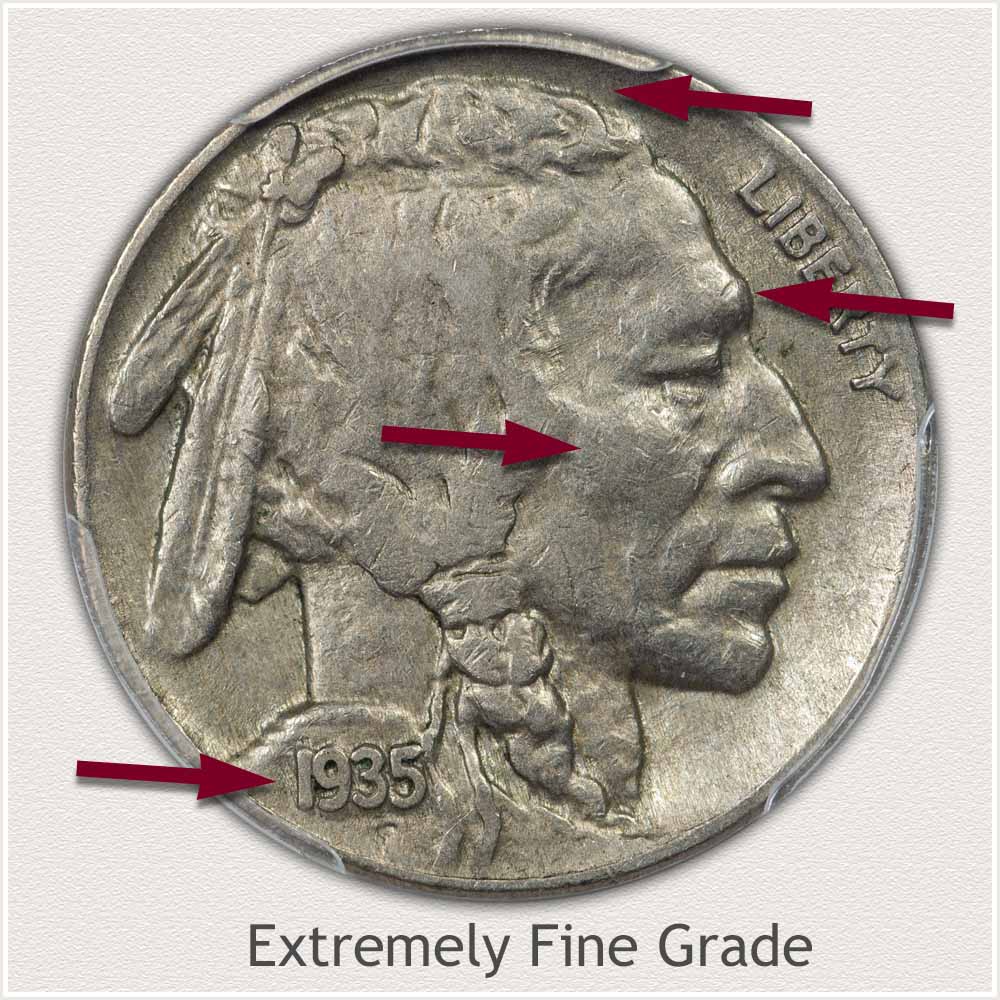 (fig. 6) Focal Points and Amount of Wear on an Extremely Fine Grade Buffalo Nickel
The Extremely Fine grade represents a choice coin for a collector and high grade addition to a Buffalo Nickel collection. This state of preservation fits into the category of light wear only on the high points of the design. Most of the coin's surface remains without wear. There are a few key areas to inspect and gauge the extent of wear to confirm the grade.
A strong and clear date becomes a notable feature of Buffalo nickels with only light circulation wear. The example (fig. 6) highlights the crisp appearance of the date. A slight amount of flatness across the tops of the numbers indicates the small amount of wear. The date remains visibly raised and high above the background.
Hair detail along the top of the Indian's head shows only small areas of flattened contours. Deep recesses remain separating hair features. It is the lack of connecting flat areas that qualifies for the Extremely Fine grade condition.
Boldness best describes areas of the Indian's eye, temple, and eyebrow, and a raised cheek below the eye. Wear shows only on the highest contours of these areas. A slight and smooth flat spot on the brow and just above confirms these areas are only slightly worn. Also, bold, and raised cheek contours remain with just a small flat spot on their top surface. A coin in the condition matching the example fits into the Extremely Fine grade.
Fine Grade
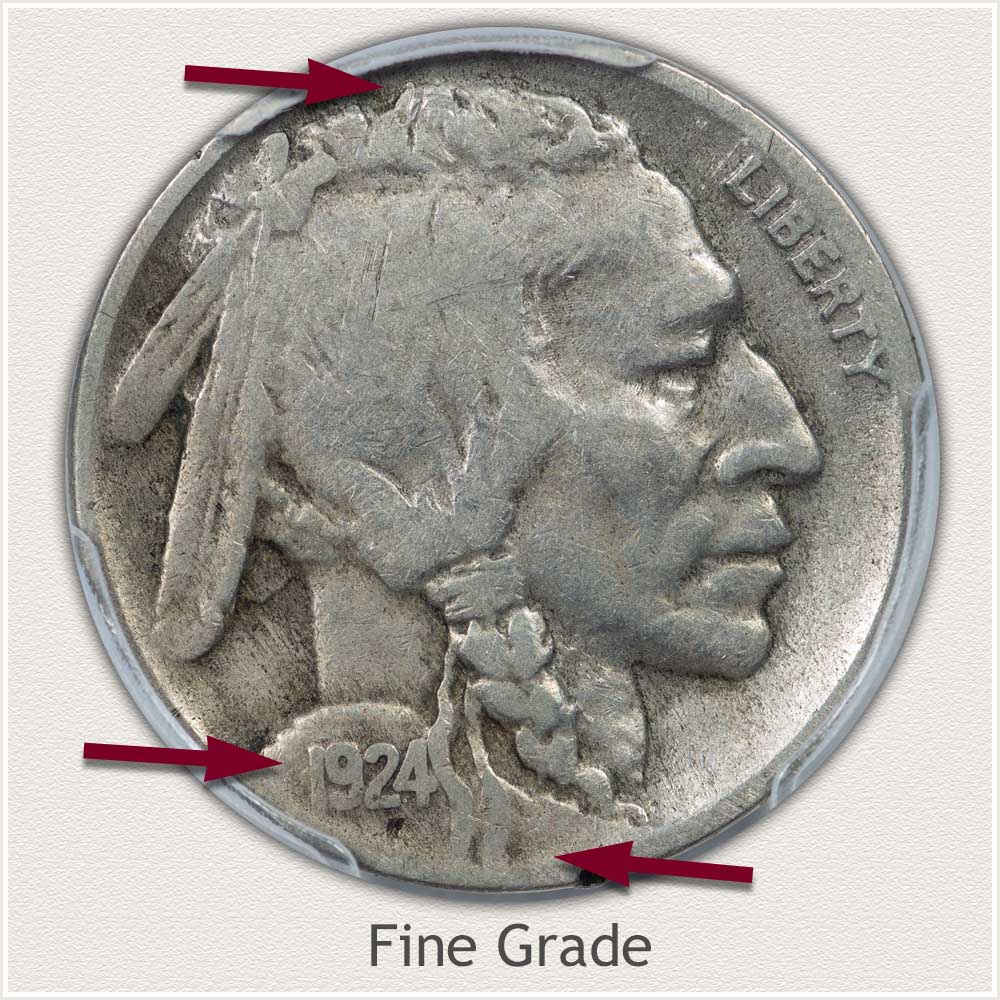 (fig. 7) Grading Elements Highlighted on a Fine Grade Buffalo Nickel
When viewing a Buffalo nickel in Fine grade condition, visible, bold detail begins to have a positive effect on the coin's appearance. Hair detail, the date, and rim are all showing areas of completeness and bold lines.
Notice the amount of detail in the Indian's hair toward the top, near the rim. Many defined areas of detail are separated by deep recesses. In this top area, smooth, flattened metal does not connect into large areas. Further down, hair detail above the braid shows smooth areas typical of the Fine grade level.
A date with all numbers outlined displays sharp detail. This clear, visual quality of the date sets this grade above coins in lower condition. A nicely defined date adds to the appeal of Fine grade Buffalo nickels.
Inspect the rim next. Fine grade nickels show a complete visible inner edge except in two possible areas. Note the faded edge at the bottom near the date. This is typical of many coins with moderate wear. Another area along the top of LIBERTY sometimes connects the rim. Letters "T" and "Y" merge with the rim. Inspect your coin; a separation of the letters from the rim becomes a reliable indicator of Fine grade. An obvious rim edge near the date identifies a strong candidate at grade level.
Good Grade
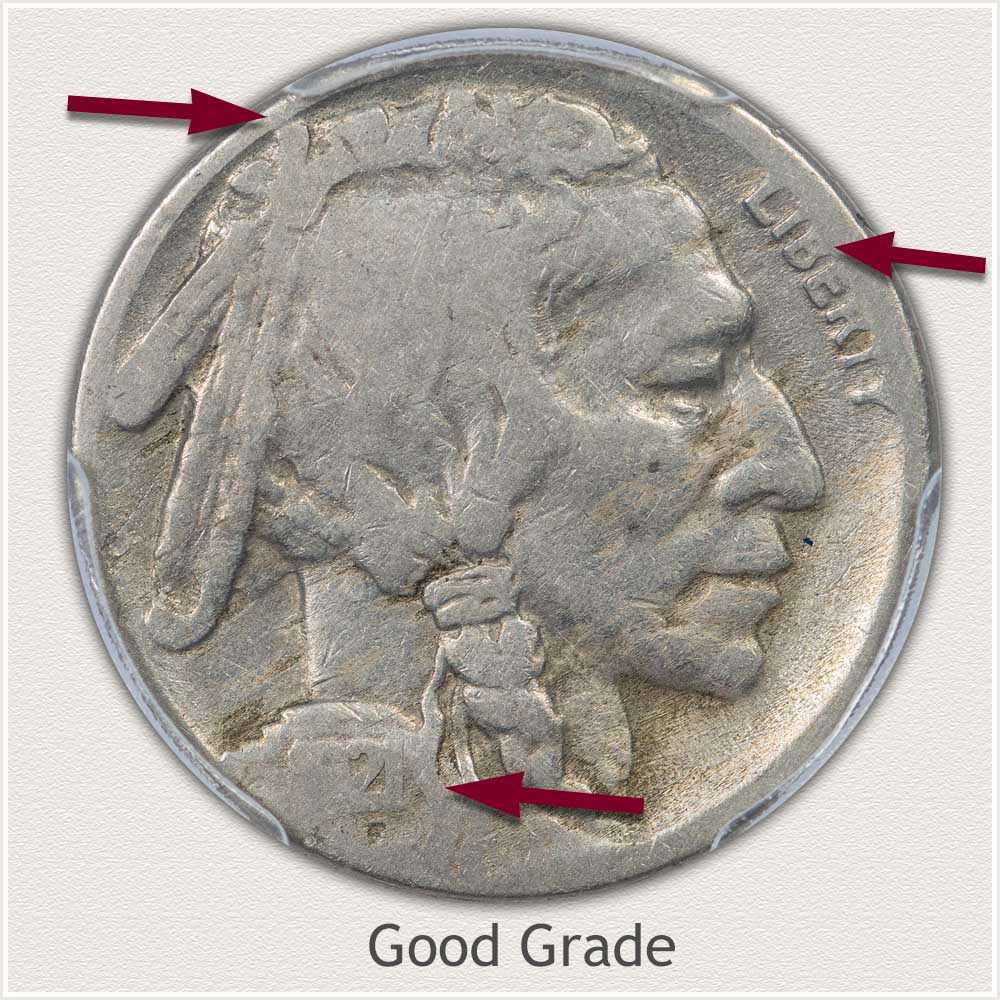 (fig. 8) Comparing Condition of Focal Points Determines the Good Grade Buffalo Nickel
A Buffalo nickel in the "Good" grade has the overall look of a flattened surface from heavy wear. Bold features of the Indian's face remain, and some recognizable hair and feather details.
The Indian's fully outlined portrait helps identify an important quality of the grade. Although many areas show few details, a complete separation from the field and rim defines the condition. Inspect along the top and back of the head to confirm no merging with the rim.
A readable date is also a requirement to meet this grade level. Notice in this condition the "1" and "9" show faintly. The remaining digits are clear enough to recognize and confirm.
Also, a strong rim remains along most of the perimeter. A defined inner edge of the rim shows a crisp appearance, both behind and along the front of the Indian's portrait. Typical of the grade is the lack of a defined inner rim line under the date. Additionally, fading of the rim into the top of LIBERTY indicates the amount of heavy wear.
Compare your coin closely to the example nickel. Visual qualities of the portrait, date, and rim, when all combined, show enough detail to rate within Good grade condition.
How-to Video: Grading Buffalo Nickels
Continue the grading process. Refer to both the obverse and reverse of the coin to add further insight to its condition.
Grading Buffalo Nickels | Visual Grading Guides
Step 3: | Special Qualities | A Solid Value Buffalo Nickel
Exclusively minted at the Denver mint, these 1938 nickels are special within the Buffalo design series. They became the "last year of the series" Buffalo nickel.
The other mints in operation at the time, Philadelphia and San Francisco, did not strike Buffalo nickels in 1938. They were tasked with starting the new Jefferson Nickel design series.
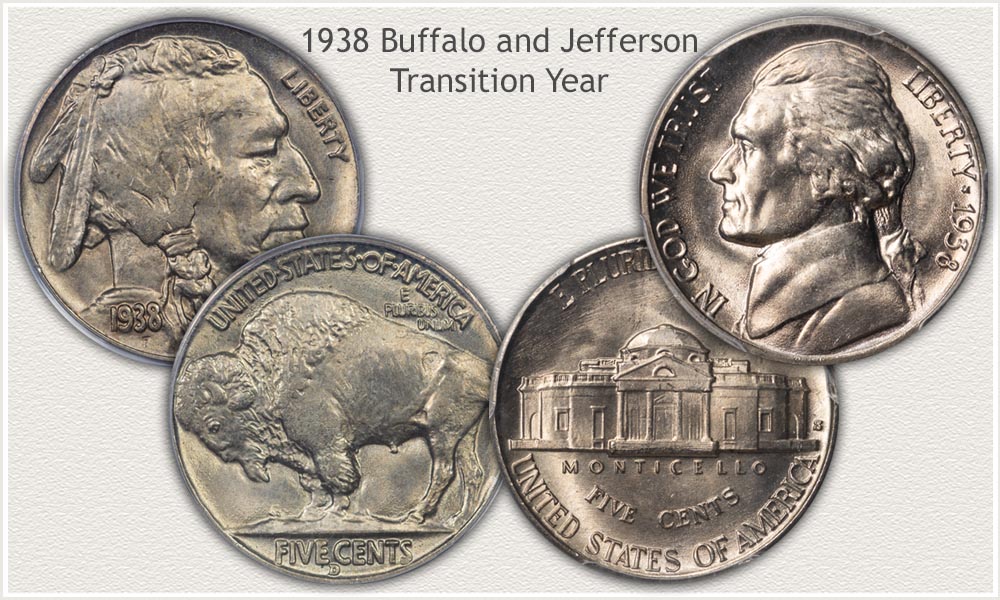 (fig. 9) The 1938 Transition Design Year | Buffalo and Jefferson Nickels
Adding to its interest, 1938 Buffalo Nickels were struck within the same year 1938 Jefferson Nickels began their production. This created a "transitional design year" for the nickel series. Now available to today's collectors are both a Buffalo and a Jefferson nickel dated 1938.
With a mintage number reaching 7,020,000; these Buffalo nickels represent an average to abundant coinage amount for the series. However, and uniquely, it is the only year the Denver mint struck all the Buffalo nickel production.
1938 nickels are scarce in a subtle way. Many different types of collections require this coin. Assembling a date collection is a popular collector's theme. These collections focus on one example of each year of the Buffalo nickel series. Typically, high condition coins enter these collections. This adds another level of demand on the 1938 Buffalo. Its seven plus million mintage now becomes a very low number when compared to all yearly production numbers.
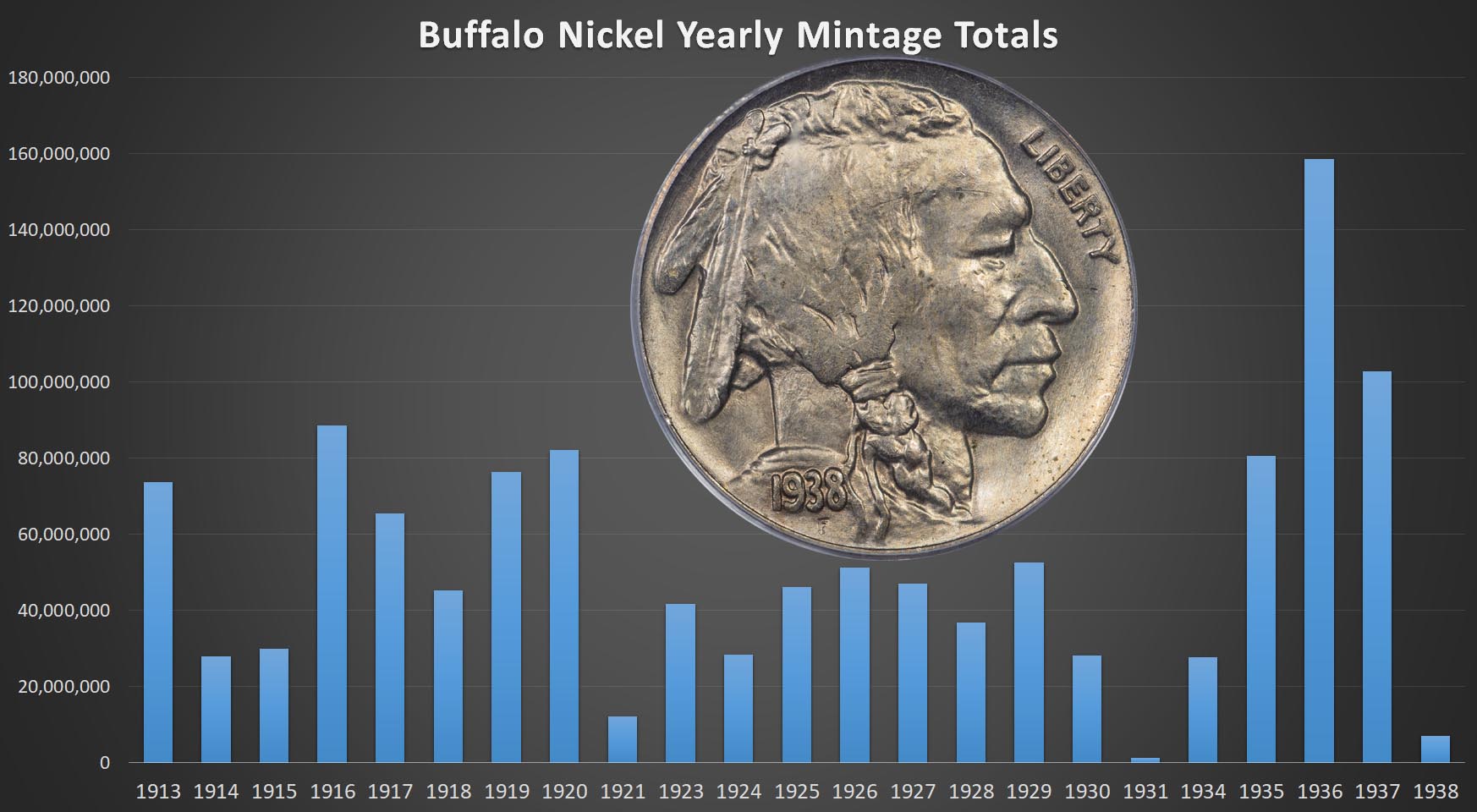 (fig. 10) 1938 Yearly Mintage Total Ranks Second Lowest Within The Series
The above illustrates how these 1938 nickels fit within the overall yearly mintage totals. It highlights the rather low amount of Buffalo nickels with the 1938 date. Three dates standout: 1921 and 1931, along with 1938. With a 1.2 million mintage in 1931, minted at San Francisco only, it ranks as lowest. Placing third, 1921 yearly mintage totaled 12.2 million combined from the Philadelphia and San Francisco mints. These years represent the key nickels for a date year collection.
A special coin of interest to many collectors and a variety of collections.
- Represents the last year of the series.
- One of just a few Transitional Design Years within U.S. Coinage.
- Needed by Date and Mint Collectors.
- In Demand by Year Collectors of Buffalo Nickels.
- Unique status within the series, consider these a desirable coin.
Stable values remain with these special year nickels. Of interest to many collectors from new to advanced, and many collecting themes.
References
U.S. Mint. 1939 U.S. Mint Annual Report
https://nnp.wustl.edu/library/book/514143
U.S. Mint. 1922 U.S. Mint Annual Report.
https://nnp.wustl.edu/library/book/325
U.S. Mint. 1932 US Mint Annual Report
https://nnp.wustl.edu/library/book/514136
Coin Values | CoinStudy Articles
Date by Date
In Depth Buffalo Nickel Value
1913 to 1938
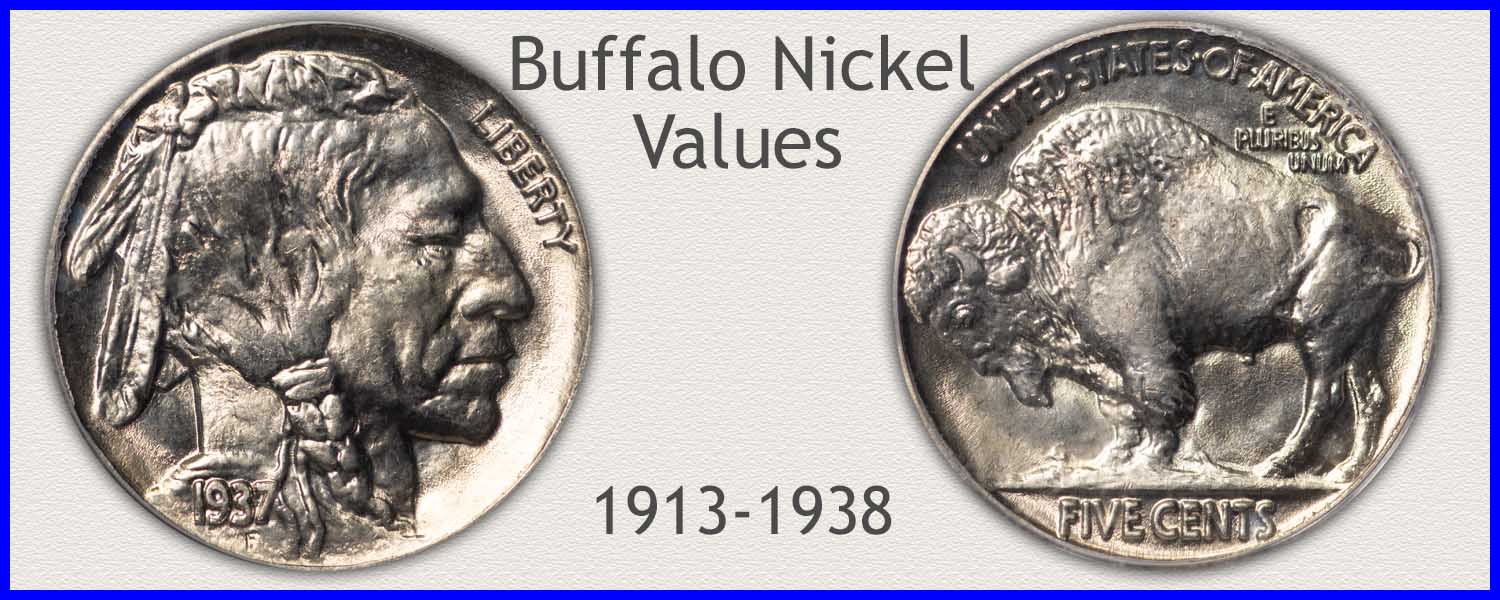
Buffalo Nickel Value | Complete Date and Mint Chart
Determine the value of all Buffalo nickels. Full chart with complete listings, dates, and mints. This old series of nickels enjoys a strong demand from collectors.
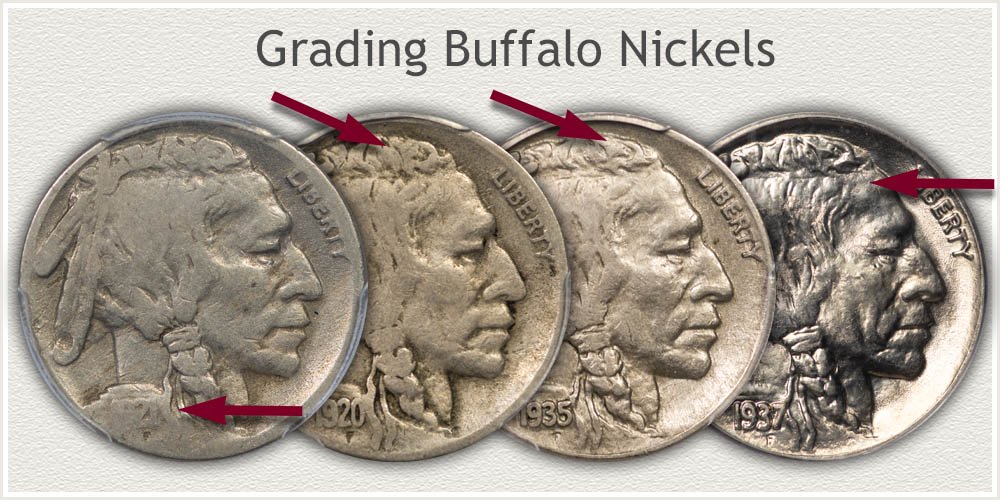
How to Grade Buffalo Nickels | Visual Guides
Continue to improve Grading Buffalo nickels. Additional images and descriptions bring the subtle grading points into focus.
Rare nickels are found throughout the various nickel series. Date and scarce mint issues, plus the now scarce precious metal varieties, are becoming highly sought by collectors.
Popular Coin Series | Solid Value Buffalo Nickels
Buffalo nickels have enjoyed long term appeal to collectors. Their popularity forms the base to how much they are worth. Charts visualize this important U.S. coin series.
★Coin Values Discovery... finds 1938 Buffalo nickel value and...
All old U.S. coin values. Follow images and text links to coin series, from Cents to Gold. Value charts, grading images, and descriptions start the step-by-step process. Determine how much your box of old coins is worth.